Mercedes-AMG is bringing back its legendary Black Series models, and that’s not just good news for petrolheads—it’s a signal that the supercar arms race is very much alive. Outgoing CEO Michael Schiebe’s confirmation isn’t just about nostalgia. This is about AMG doubling down on its ‘radical’ roots, even as electrification and sustainability dominate automotive conversations.
Let’s go beyond the headlines and explore what this means for Mercedes, car enthusiasts, and the industry at large.
Why This Matters
- Performance Heritage in a Changing World: In an era where automakers are phasing out V8s and V12s, AMG declaring ‘the Black Series is an obligation’ is almost rebellious. These cars are the brand’s greatest hits album—remastered for the future.
- Technology Transfer: Historically, Black Series models have previewed tech and engineering that trickle down to other AMGs. The comeback could mean more advanced aerodynamics, lighter materials, or even hybrid performance benchmarks.
- Market Differentiation: Rivals like BMW’s CS/CSL and Porsche’s GT RS lines are pushing limits. AMG needs the Black Series to keep pace in both performance and exclusivity.
Key Takeaways
- The Black Series isn’t just a badge—it’s AMG’s manifesto on wheels.
- Expect radical engineering and limited runs, driving prices (and desirability) sky-high.
- The next Black Series could be based on the second-gen AMG GT, with rumors pointing toward track-focused hardware and even more extreme power outputs.
- Mercedes is not just resurrecting a name; they’re reaffirming their identity in a world where supercars risk becoming too sanitized.
What Most People Miss
- Black Series models are often engineering testbeds—think of the 2021 AMG GT Black Series, which set a blistering 2:37.0 at Car and Driver’s Lightning Lap, thanks to its 720-hp flat-plane twin-turbo V8.
- Exclusivity drives value: Past Black Series models (like the SLK55, CLK63, and SL65) were produced in tiny numbers—some as few as 120 units. Expect fierce demand from collectors and investors.
- Electrification is coming: Don’t be surprised if the next Black Series experiments with hybrid power, given regulatory pressures and Mercedes’ own EQ ambitions.
Timeline: The Black Series Evolution
- 2006-07: SLK55 AMG Black Series kicks off the legend (400 hp, just 120 built).
- 2008: CLK63 AMG Black Series (500 hp, 700 built).
- 2009: SL65 AMG Black Series (661 hp, 350 units).
- 2013: C63 AMG Black Series (510 hp, coil-over suspension).
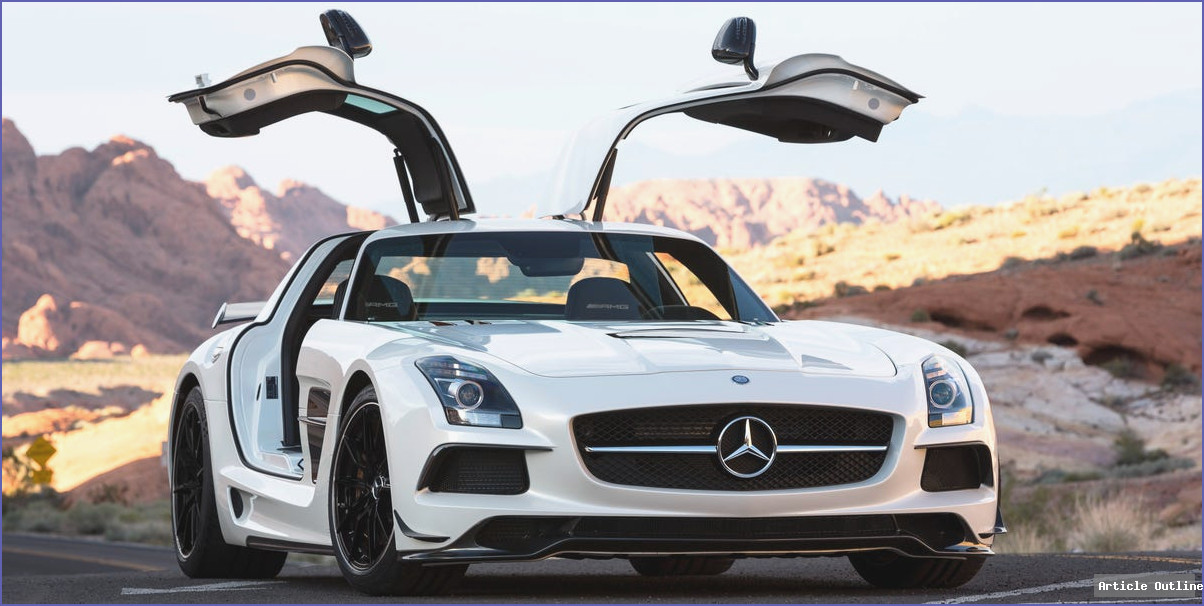
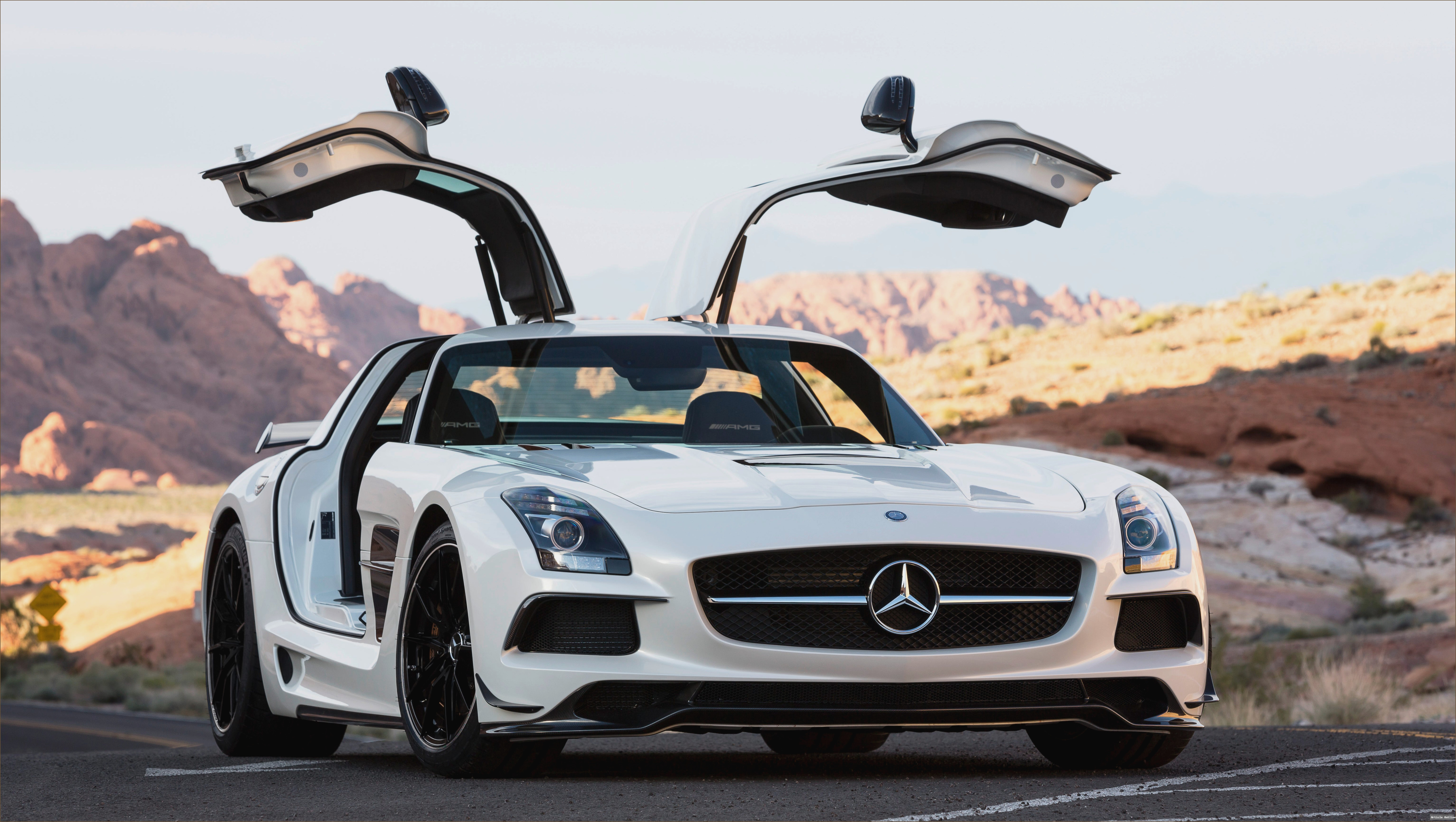
- 2014: SLS AMG Black Series (622 hp, gullwing doors, <200 US units).
- 2021: AMG GT Black Series (720 hp, lap record setter).
Pros & Cons: The Black Series Philosophy
- Pros:
- Pushes engineering to extremes
- Creates halo effect for the AMG brand
- Retains value—often appreciates
- Cons:
- Limited accessibility due to price and production
- Risk of becoming too track-focused for street use
- Potential for backlash if electrification isn’t embraced
Expert Commentary
“If you want to develop a Black Series, then it really has to convince in terms of performance. It needs to be radical. But we want to definitely carry that into the future.” — Michael Schiebe, outgoing AMG CEO
Translation? AMG isn’t just playing catch-up—they’re looking to lead the conversation about what a hardcore supercar can be in the 2020s and beyond.
The Bottom Line
The return of the AMG Black Series isn’t just for collectors and track-day heroes—it’s a bold statement that Mercedes refuses to let go of its wild side. With a new CEO incoming and electrification looming, the next Black Series could blend old-school aggression with new-age tech. If you love cars, buckle up—the AMG Black Series saga is about to get its most interesting chapter yet.
