After more than a decade of heartbreak, mystery, and conspiracy theories, the search for Malaysia Airlines Flight 370 is back on. But this time, the stakes are higher, the technology is sharper, and the world’s appetite for answers is stronger than ever.
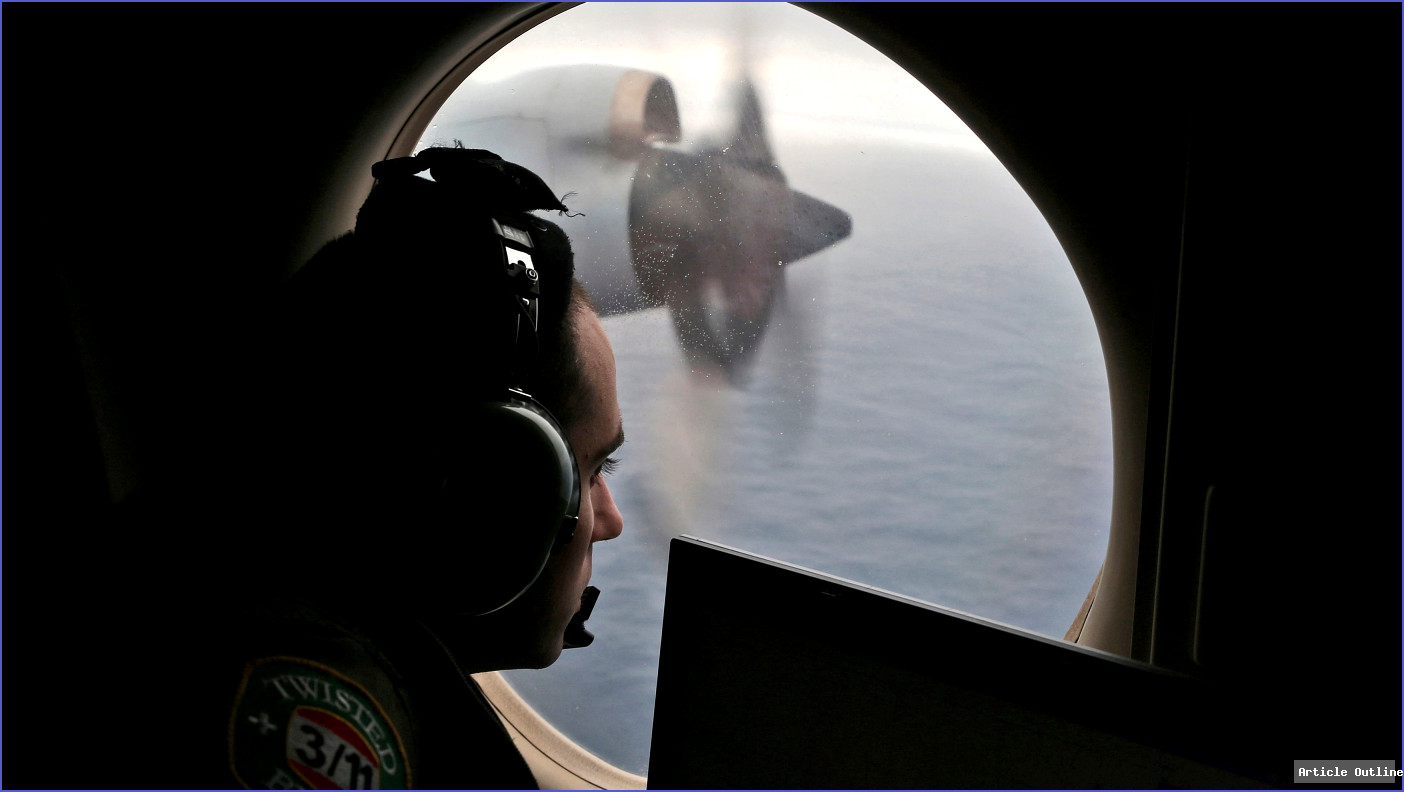
On December 30, Ocean Infinity—a leader in marine robotics—will set out on a 55-day deep-sea mission, hunting for the elusive Boeing 777 that vanished on March 8, 2014. The contract? A cool $70 million—but only if they find the wreckage. No search, no pay. That’s pressure.

Why This Matters
- Closure for Families: For the relatives of the 239 souls aboard MH370, years of uncertainty have been torture. Every new search brings hope, but also the risk of renewed disappointment.
- Aviation Safety: The world’s airlines and regulators are still haunted by MH370’s disappearance. Finding the wreckage could yield vital clues—preventing similar disasters in the future.
- Technological Leap: Ocean Infinity’s advanced autonomous underwater vehicles (AUVs) represent a leap in search technology, potentially rewriting the playbook for future deep-sea investigations.
What Most People Miss
- No-Find, No-Fee: This model aligns incentives—Ocean Infinity only gets its payday if it delivers results, pushing them to deploy their best tech and people.
- Search Area Has Shrunk: The new target zone is ‘just’ 15,000 square kilometers—a fraction of the vast Indian Ocean. That means searchers are honing in on the best leads yet, thanks to years of data analysis and drift modeling.
- Previous Attempts Weren’t in Vain: While earlier efforts (costing over $200 million) failed to find the plane, they did rule out vast tracts of ocean and proved the debris could drift thousands of kilometers.
Key Takeaways
- Timeline:
- March 8, 2014: MH370 disappears on route to Beijing.
- 2014-2017: Multinational search covers 120,000 sq km without success.
- 2018: Ocean Infinity’s first attempt—no results.
- December 30, 2025: Search resumes with new focus and technology.
- Pros:
- Ocean Infinity’s robotics can scan more efficiently and deeply than ever before.
- More precise search area thanks to improved drift analysis and satellite data.
- Potential to finally answer aviation’s greatest unsolved question.
- Cons:
- Still a needle-in-haystack challenge—there’s no guarantee of success.
- Emotional toll on families if the search fails again.
- Public skepticism after so many dashed hopes.
Expert Commentary
“This is the most focused and technologically advanced search yet for MH370. If Ocean Infinity succeeds, it will redefine what’s possible in deep-sea recovery.” — Dr. Sarah Lim, Aviation Safety Analyst
It’s worth noting that the ‘no-find, no-fee’ model is still rare in large-scale search operations. If successful, it could become the gold standard—saving public funds and accelerating results in future disasters.
The Bottom Line
The world is watching, not just for the fate of MH370, but to see if human ingenuity and technology can solve one of the most haunting mysteries in modern history. Whether this mission brings closure or more questions, it represents a new era in search and rescue—a relentless pursuit of answers, no matter how deep they’re buried.