If you’ve ever been told to wait for spring to buy your next vehicle, it’s time to challenge that advice. Winter isn’t just a good time to buy a car—it might be the best. While most people are busy coaxing their aging rides through snowy commutes, the smart shoppers are quietly landing the year’s best deals.
Let’s break down why braving the cold could save you thousands, and what industry insiders aren’t telling you.
Why This Matters
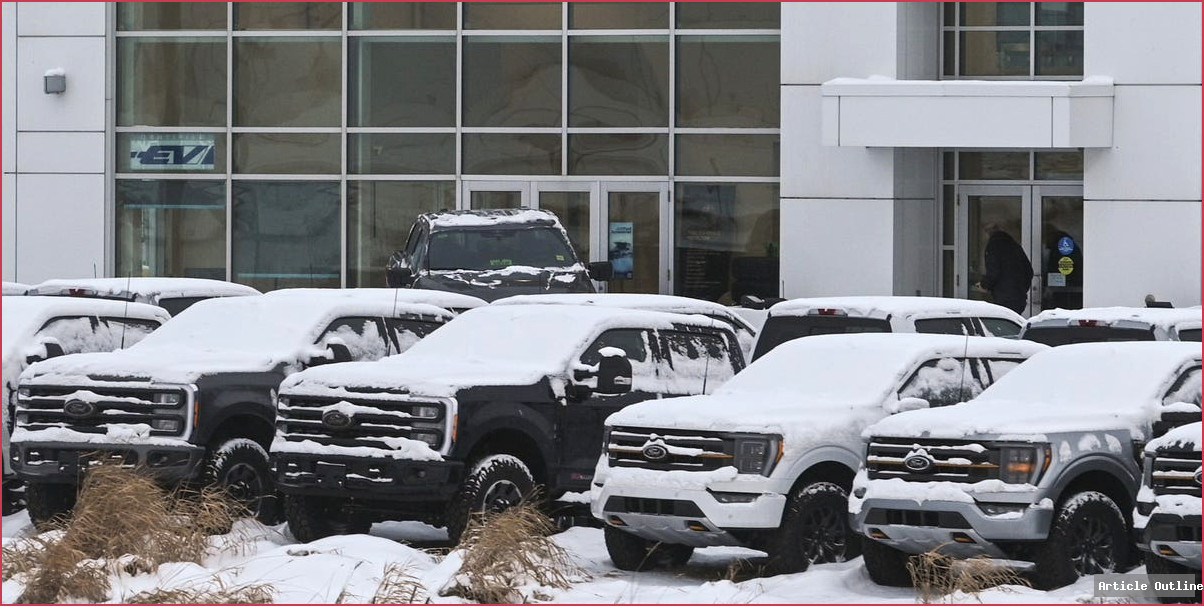
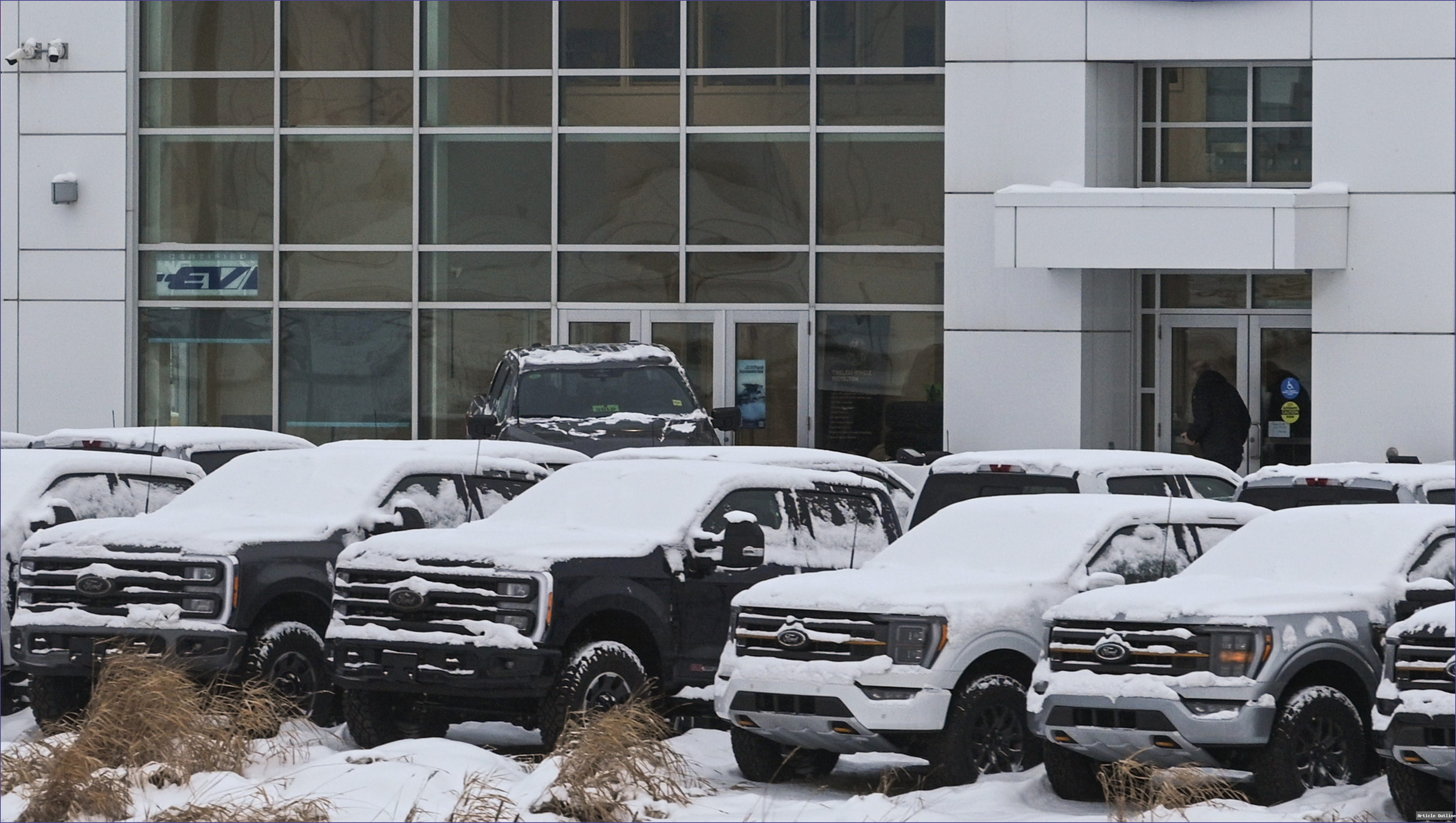
- Dealerships operate on thin margins and hate unsold inventory. Winter slows foot traffic, but their bills don’t stop—meaning they’re more motivated to negotiate.
- Automakers ramp up incentives and rebates in the winter months to keep sales steady despite frigid conditions. That means low APR financing, cash-back offers, and bonus features you might not see in peak season.
- Winter auto shows often coincide with special, local-only incentives. If you time your purchase with these events, you can snag offers unavailable the rest of the year.
What Most People Miss
- Dealers finance their own inventory. Each unsold car costs them money every month in interest. In winter, they’re extra eager to cut deals to avoid carrying that cost until spring.
- Buyers willing to brave the elements face less competition. Fewer shoppers means more attention and flexibility from sales teams.
- Trading in an older, unreliable vehicle before winter’s harshest hits can prevent you from getting stranded—and you may get a better trade-in offer as dealers pad deals to move new cars.
Key Takeaways and Data Points
- Historically, car prices dip between December and February, with some sources citing savings of up to 5% compared to peak months.
- Winter incentives are especially robust in snowbelt regions—think Chicago, Detroit, and Boston—where harsh weather keeps buyers at home and inventories high.
- Auto industry studies show dealerships are more likely to “sweeten the pot” with add-ons, better financing, or improved trade-in values during slower months.
Pros and Cons of Winter Car Shopping
- PROS:
- Lower prices and bigger incentives
- Less competition from other buyers
- Potentially better trade-in deals
- CONS:
- Limited selection as old model year stock thins out
- Test drives can be trickier in bad weather
- Snow and ice can hide cosmetic flaws on used cars
Timeline: How Winter Deals Unfold
- December: Year-end clearance incentives kick in as dealers make room for next year’s models.
- January-February: Foot traffic drops; incentives rise. Auto shows spark additional regional deals.
- Late February: Dealers get anxious to clear inventory before the spring rush—prime time for negotiation.
Expert Commentary
“Manufacturers put a little extra on to try to entice people who go to the auto show to buy a car.” – John Hennessy, River View Ford owner (Chicago)
Industry pros agree: patience and a willingness to shop in the cold can pay off big. If you’re ready to trade up, don’t let the snow keep you home—let it work for you.
Action Steps for Savvy Buyers
- Do your research on winter incentives in your region
- Contact local dealers to confirm auto show specials
- Negotiate assertively—dealers have extra motivation in winter
- Bring your trade-in for appraisal when dealers are most desperate for sales
- Inspect vehicles carefully for hidden winter damage
The Bottom Line
Winter isn’t just about scraping ice—it’s about scraping up extra savings. If you’re willing to shop smart and brave the cold, you can score serious deals that vanish come spring. Don’t just survive the winter—use it to your advantage on your next car purchase.
