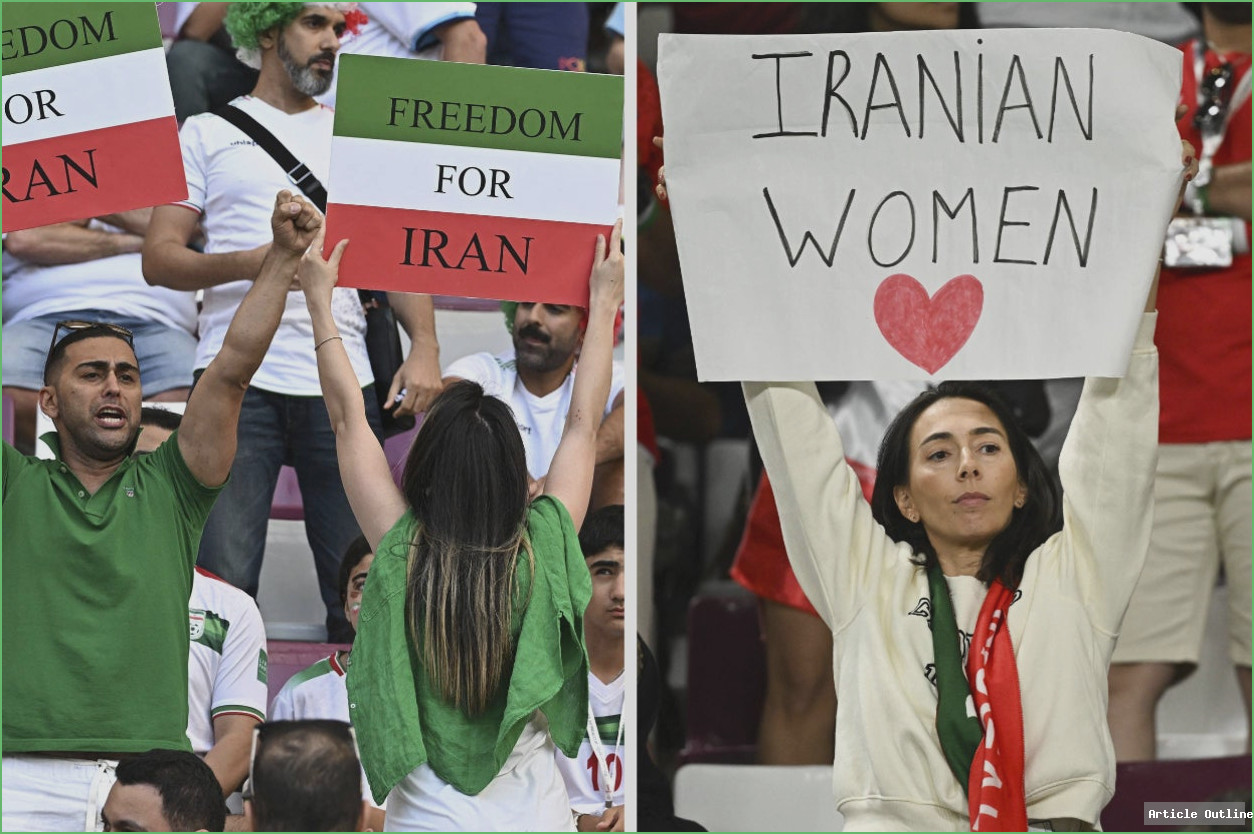
The 2022 FIFA World Cup has become a stage for more than just football—it’s a global platform spotlighting human rights and the power of protest. The Iran vs. England match, in particular, was marked by a remarkable act of defiance: the Iranian national team stayed silent during their country’s anthem. Fans in the crowd raised signs and photos of protesters killed by security forces, bringing Iran’s internal struggle for freedom to the world’s attention.
Why This Matters
Sporting events rarely exist in a vacuum—they often reflect the world’s political and social climates. The Iranian team’s silence and the fans’ demonstrations come against the backdrop of months of nationwide protests in Iran, sparked by the death of Mahsa Amini in police custody. By using the World Cup as their stage, these athletes and supporters risked severe consequences to amplify the voices of those demanding change back home.
- The World Cup is watched by over 3.5 billion people globally—making it a megaphone for protestors’ messages.
- Iranian athletes in the past have faced harsh retribution for dissent, including threats, bans, and even imprisonment.
- FIFA’s rules prohibit “political statements” on the pitch, putting athletes in a tough spot: speak out and risk career and safety, or stay silent and miss an opportunity for global advocacy.
What Most People Miss
While headlines focused on the anthem protest, the coordinated silence was only part of the story. Iranian fans held up photos of those killed in protests, and some wore shirts bearing the protest slogan “Woman, Life, Freedom.” The risks here are not hypothetical—families of athletes and fans inside Iran can face government retaliation for actions taken abroad.
Additionally, the protest happened in a World Cup already under scrutiny for FIFA’s stance on inclusion and freedom of expression. On the same day, seven European teams backed down from wearing rainbow anti-discrimination armbands after FIFA threatened player punishments. The message: FIFA’s attempts to keep politics out of football are, ironically, making the political stakes higher.
Key Takeaways
- The World Cup is now a battleground for human rights, not just a football tournament.
- Iranian players and fans are using global attention to support a movement that faces brutal suppression at home.
- FIFA’s policies on political expression are under the microscope—both for how they silence protest and how they inadvertently amplify it.
- Other teams, such as in Europe, are also constrained by FIFA’s rules, showing that sports and politics are inseparably linked on the world stage.
Comparisons & Context
Iran’s silent protest echoes other iconic sports moments:
- 1968 Olympics: Tommie Smith and John Carlos raised gloved fists in a Black Power salute during the medal ceremony, risking their careers for civil rights.
- Colin Kaepernick: His kneeling during the US national anthem sparked global conversations about racial injustice and athlete activism.
The World Cup protest is yet another example of the power of the international stage to highlight local injustice.
The Bottom Line
This World Cup proves you can’t separate sport from society. The Iranian team’s choice to stay silent, and the courage of their fans, is a reminder that athletes are more than entertainers—they are citizens, and sometimes, they are revolutionaries. As the tournament continues, expect more moments where the world’s attention is focused not just on the score, but on the cause.