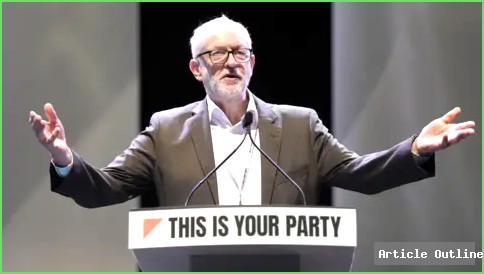
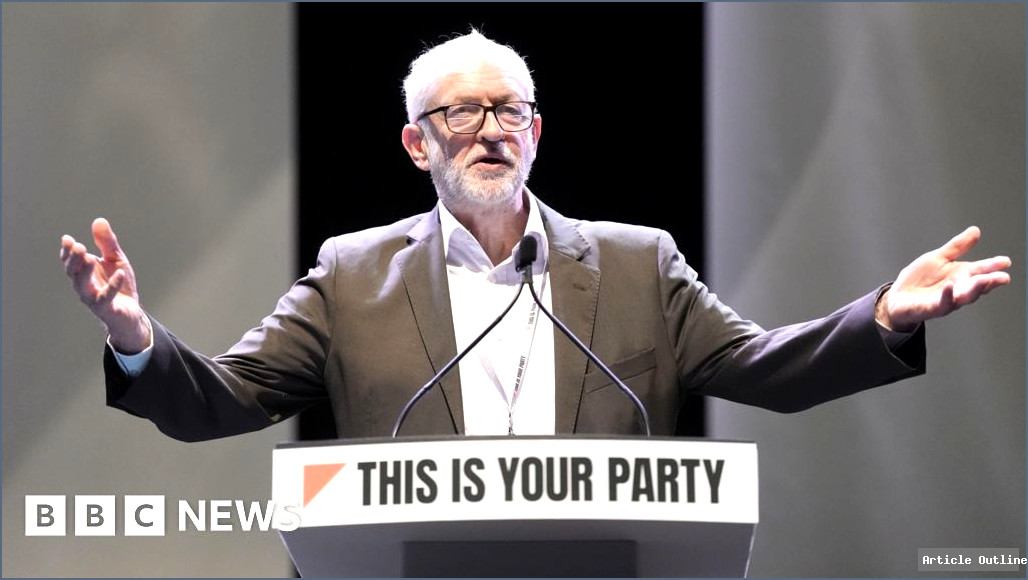
The launch of Your Party, the UK’s newest left-wing political force, has been anything but smooth. Amidst chaotic conferences, public expulsions, and high-profile boycotts, many are quick to write off this grassroots experiment as just another failed leftist splinter. But if you look closer, there’s more at stake—and more to learn—than meets the eye.
Why This Matters
- Your Party represents a real test of whether a member-led, explicitly socialist movement can succeed in today’s fractured UK political landscape.
- The Labour Party’s perceived drift to the center under Keir Starmer has left many on the left searching for a new political home.
- If Your Party can survive its teething troubles, it could shift the balance of power on the left—and pressure Labour to reclaim some of its lost radicalism.
What Most People Miss
- Internal discord is almost a rite of passage for new political parties—especially those promising bottom-up democracy. The drama, while messy, may be a sign of real debate and energy rather than dysfunction.
- Despite the headline-grabbing boycotts and expulsions, Your Party still managed to attract 2,500 delegates—and claims 55,000 paid-up members. That’s no small feat in a climate where trust in political institutions is at an all-time low.
- The party’s unique constitution—eschewing a single leader for a member-controlled structure—is a radical experiment in modern British politics. If it works, it could inspire similar movements elsewhere.
Key Takeaways
- Splits and Boycotts: High-profile figures like Zarah Sultana boycotted the opening, citing a “witch hunt” as members were expelled for dual membership with other leftist groups. Yet, party officials stood by their rules.
- Leadership Model: Your Party’s constitution hands control to ordinary members, not a charismatic leader—an attempt to avoid the pitfalls that doomed previous leftist projects.
- Mass Appeal or Fragmentation? Jeremy Corbyn talks up the chance for a “socialist party of mass appeal,” but recent polling shows only 12% of the public would consider voting for Your Party—down from 18% after months of infighting.
- Contrast with Greens: Critics from the conference floor say the Green Party “talks the talk” but lacks focus on the working class, a gap Your Party hopes to fill.
- Next Steps: Building local branches, training community organizers, and selecting candidates for upcoming local elections are all on the immediate agenda.
Timeline of Events
- Jeremy Corbyn ousted from Labour after years of infighting.
- Months of speculation about a new party—Your Party is formed, but quickly faces disputes over leadership, rules, and even its name.
- Founding conference marred by public expulsions, boycotts, and lower-than-expected turnout.
- Despite the chaos, a constitution and leadership model are agreed, with the promise of a truly member-led socialist force.
Pros and Cons Analysis
| Pros | Cons |
|---|---|
|
|
Industry Context and Related Trends
- Left-wing parties across Europe are grappling with the same tensions: grassroots democracy vs. organizational discipline, ideological purity vs. broad appeal.
- Movements like La France Insoumise in France and Podemos in Spain also began with internal strife but managed to shape their countries’ political debates.
- UK’s electoral system (first-past-the-post) makes life hard for new parties. The 2019 general election saw smaller parties struggle to make a dent, despite significant national support.
Action Steps & Practical Implications
- For activists: Engage locally—Your Party’s structure gives real power to branches and members.
- For Labour: Watch Your Party’s progress. If it gains traction, be ready to address policy gaps or risk further defections.
- For voters: Scrutinize the party’s policy development in the coming months. Will it deliver more than slogans?
“Division and disunity will not serve the interests of the people that we want to represent.” – Jeremy Corbyn, urging members to overcome infighting and focus on the bigger picture.
The Bottom Line
Your Party’s messy, noisy birth is actually a signal that British politics is still very much alive at the grassroots. Whether it can channel that energy into real change—or whether it will become just another footnote in the history of leftist fragmentation—remains to be seen. But one thing is clear: the appetite for a new kind of politics, built from the ground up, isn’t going away any time soon.

Sources:
- Source
- Expulsions and Boycotts at Your Party Conference
- Your Party’s Constitution and Name
- YouGov Poll on Your Party Support