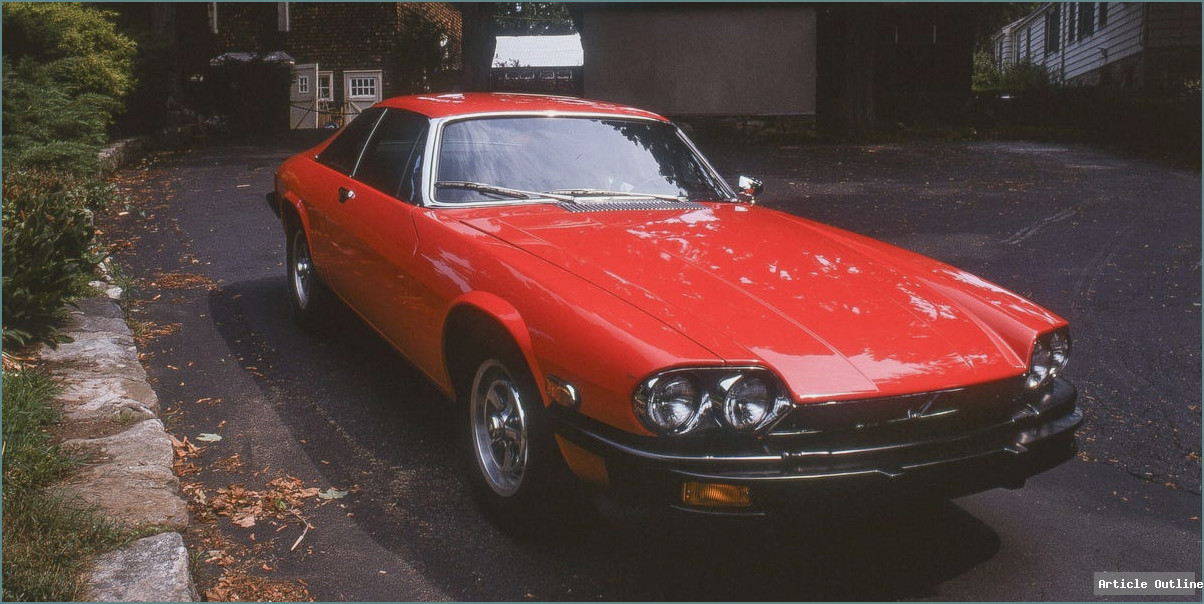
Some cars are simply transportation. Others, like the 1976 Jaguar XJ-S, are a statement—of wealth, of taste, and, perhaps most importantly, of unapologetic excess. While most people only see the XJ-S through the lens of rarity and luxury, there’s much more beneath its iconic sheet metal. Let’s peel back the layers and see why this legendary coupe is both misunderstood and underappreciated in the modern era.
Why This Matters
- The XJ-S was never just a car; it was an artifact of a world that was vanishing even as it rolled off the line. In the 1970s, performance and extravagance were being legislated out of existence. Fuel crises, emissions regs, and safety standards were tightening the noose on the kind of automotive excess Jaguar embodied.
- Only about 2,000 XJ-S units came to the U.S. per year, making it a true unicorn in the land of Cadillacs and Lincolns. You needed connections—and cash—to get one.
- At $19,000 in 1976 (over $100,000 in today’s money), the XJ-S cost more than any American car. That stratospheric price signaled not just premium engineering but also exclusivity for its own sake.
What Most People Miss
- Extravagance You Can’t Use: The XJ-S could hit 140 mph—yet U.S. speed limits were 55. The car’s best feature was, paradoxically, useless in its main market. This makes the XJ-S the poster child for automotive overqualification.
- Maintenance Nightmares (for Most): Home mechanics beware: the V12 engine is a beautifully engineered beast, but it’s buried under hoses, wires, and emissions gear. This is a car built for those who send their suits out for dry cleaning, not for tinkerers.
- A Shift in Jaguar Philosophy: The XJ-S replaced the legendary E-Type but was a very different animal—more grand tourer than sports car, built for comfort and speed rather than pure driving thrills or mechanical simplicity.
Industry Context & Comparisons
- Competitors: The Mercedes 450SLC was the XJ-S’s closest rival—similar size, weight, and capacity, but the Jag offered more performance for less money (and less reliability, let’s be honest).
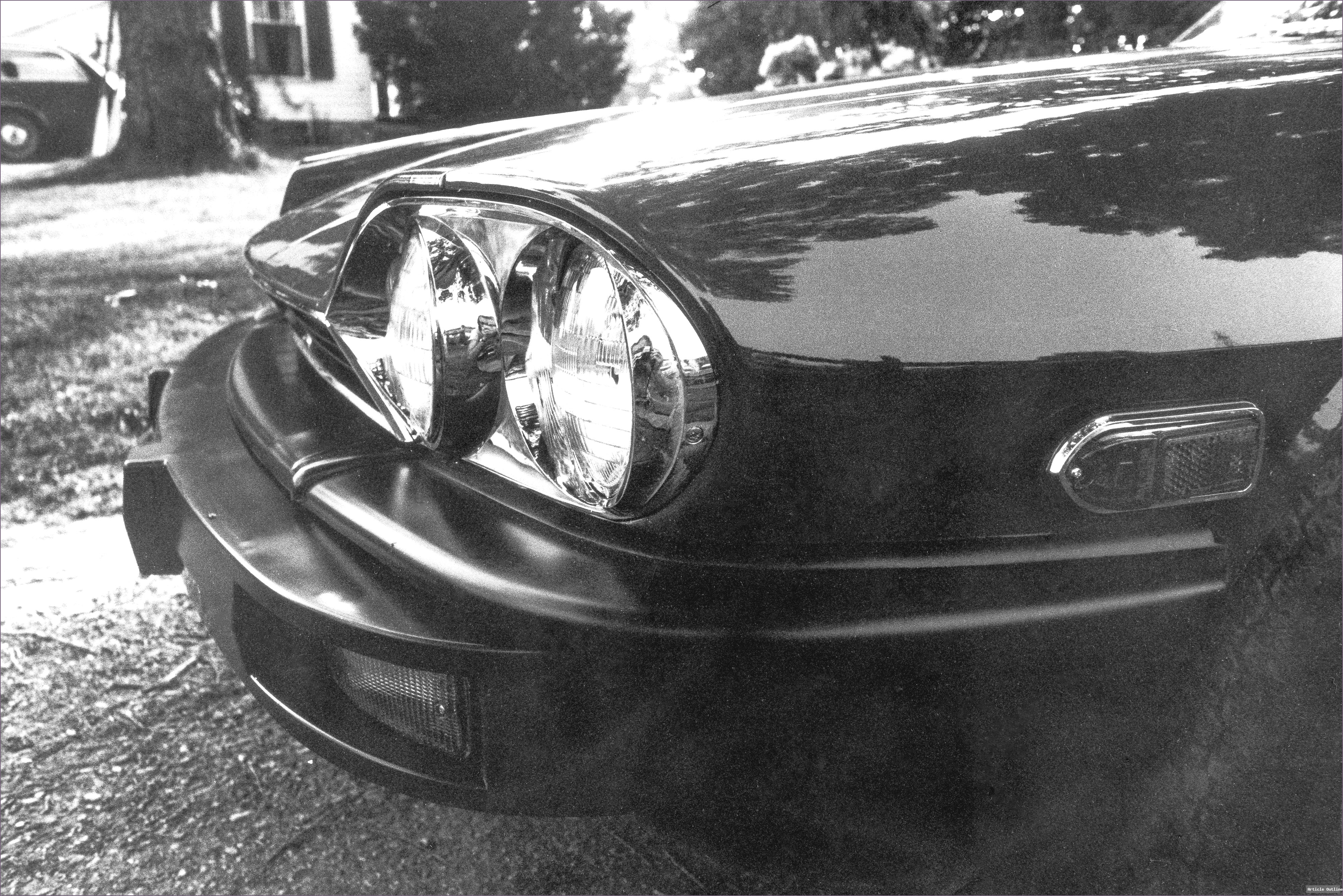
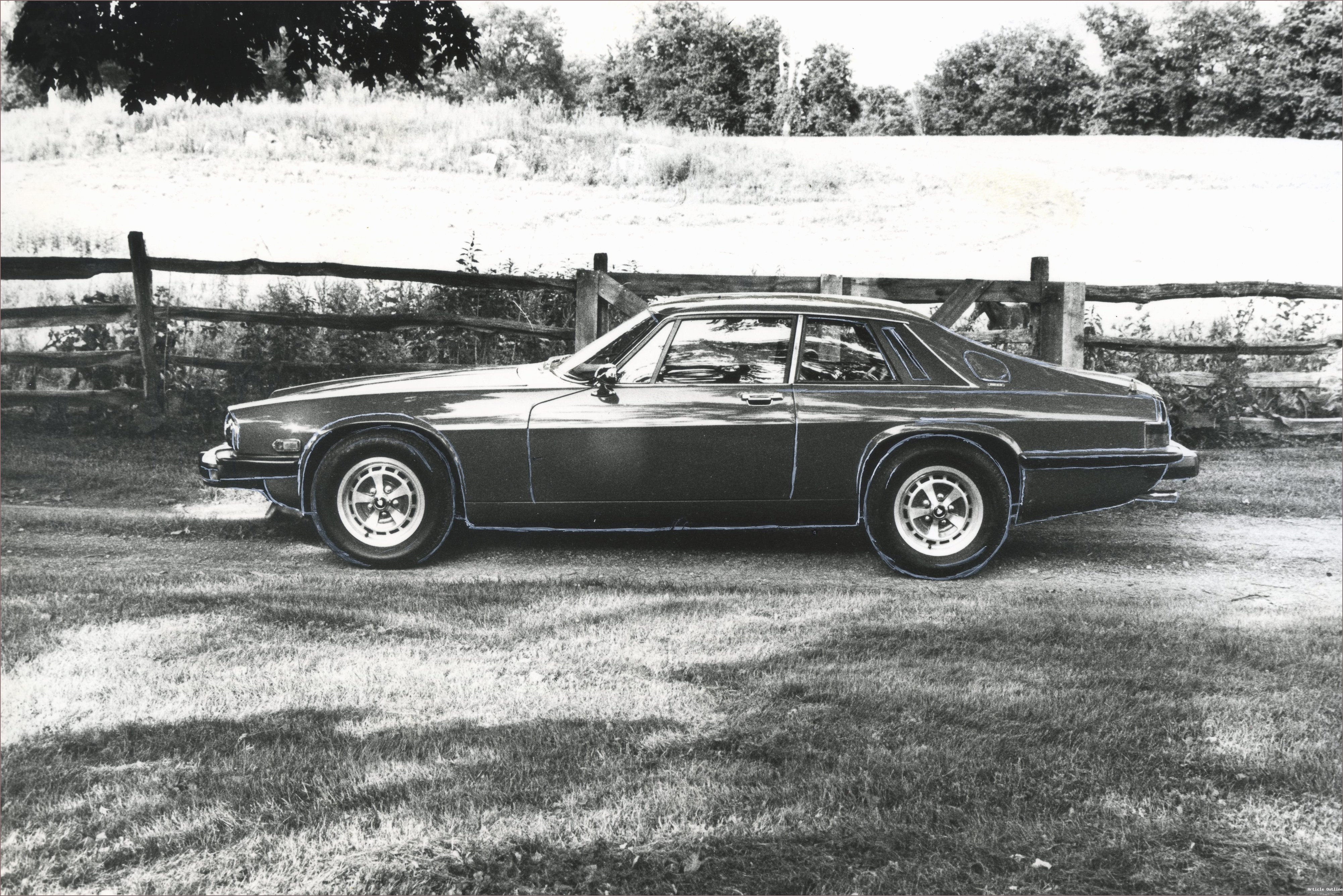
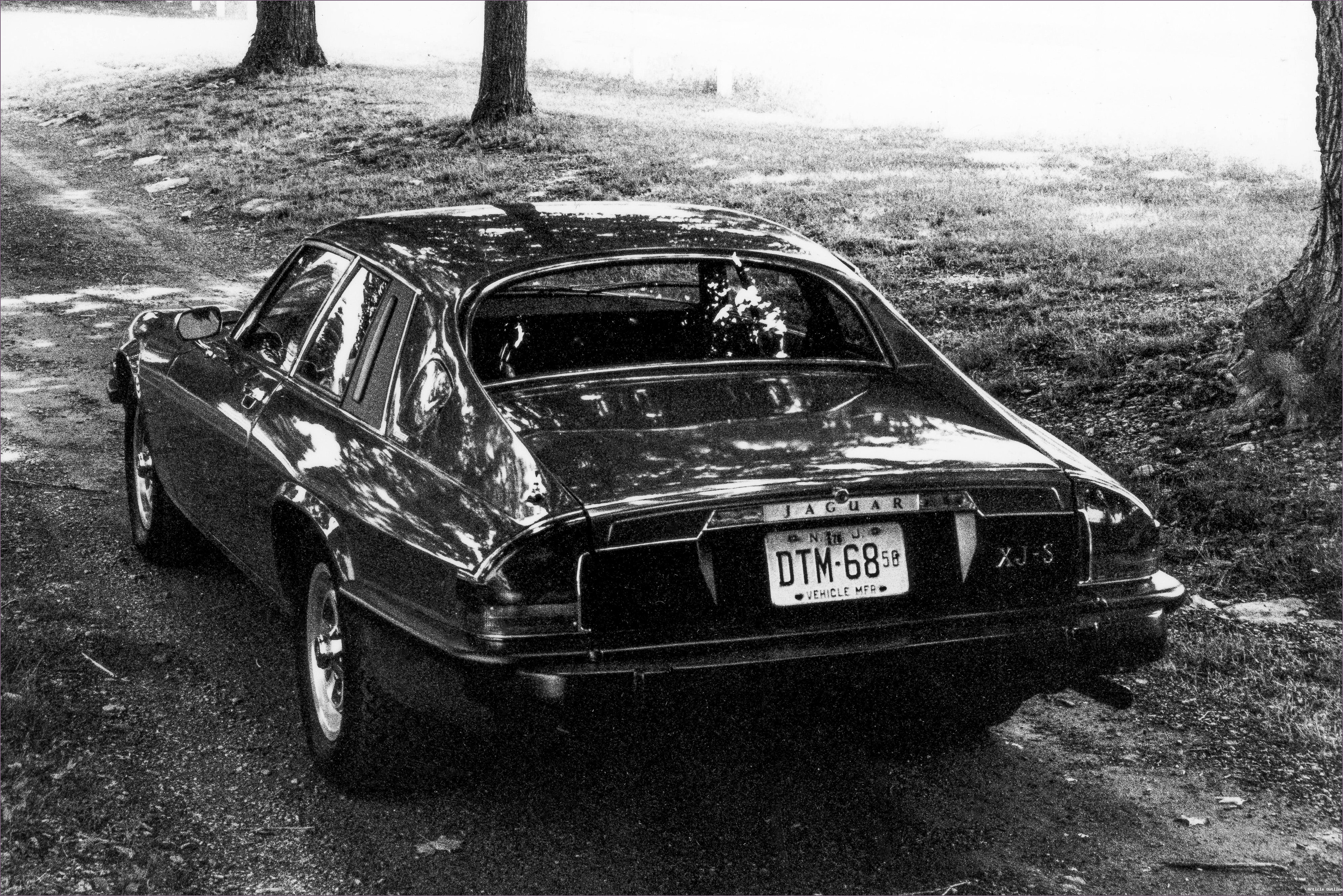
- Changing Tastes: Jaguar’s flowing lines were out of step with the blocky, angular trend of the 1970s luxury coupes. Critics called it old-fashioned, but its aerodynamics were ahead of their time, a legacy of designer Malcolm Sayer’s engineering brilliance.
- End of an Era: The XJ-S was one of the last Jaguars shaped by the legendary duo Malcolm Sayer and Sir William Lyons. After their departure, Jaguar would never again blend artistry and engineering in quite the same way.
Key Takeaways
- The XJ-S is a symbol of automotive indulgence—unnecessary, impractical, and utterly irresistible to the right buyer.
- It fused luxury, speed, and exclusivity just as the world was turning its back on all three.
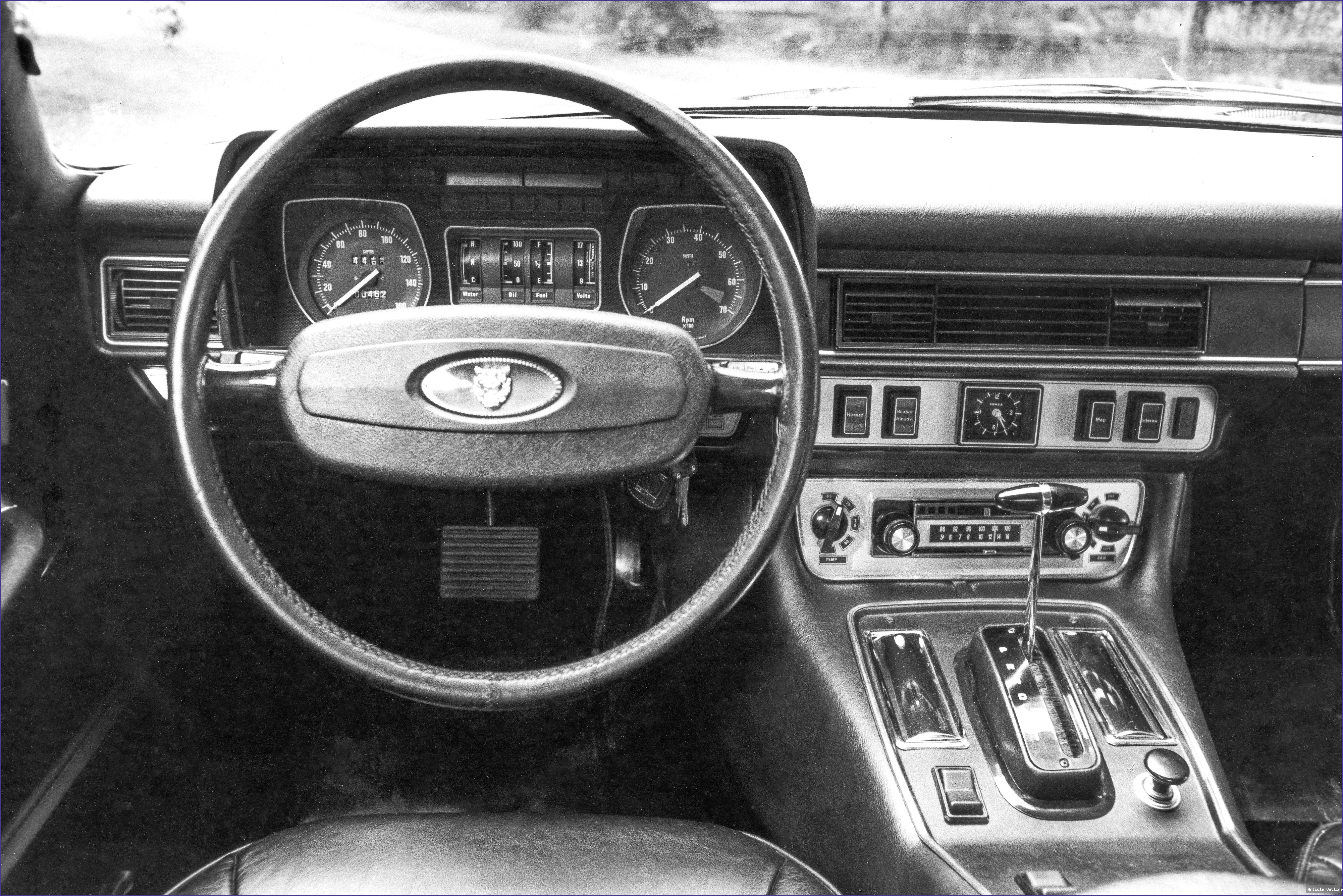
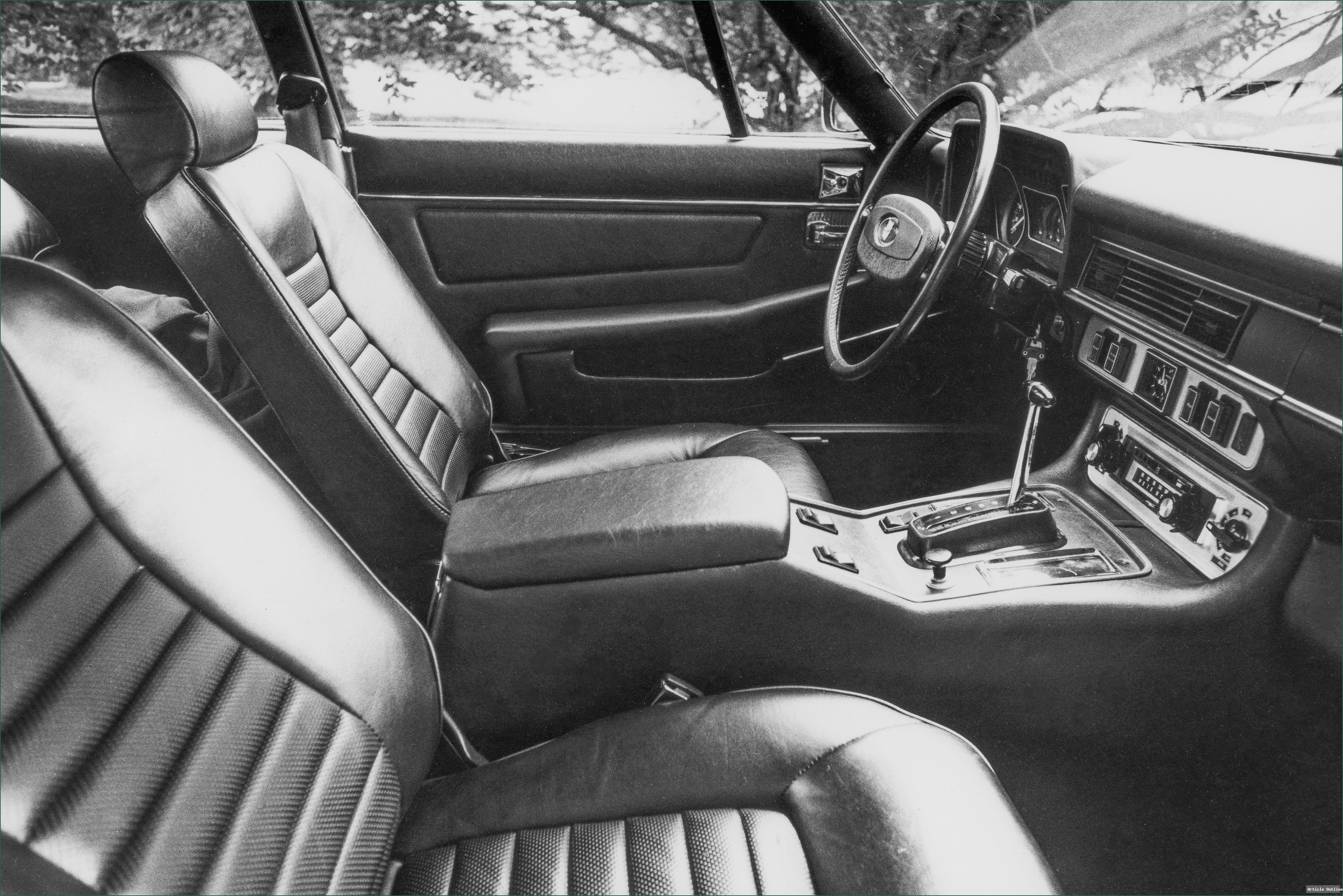
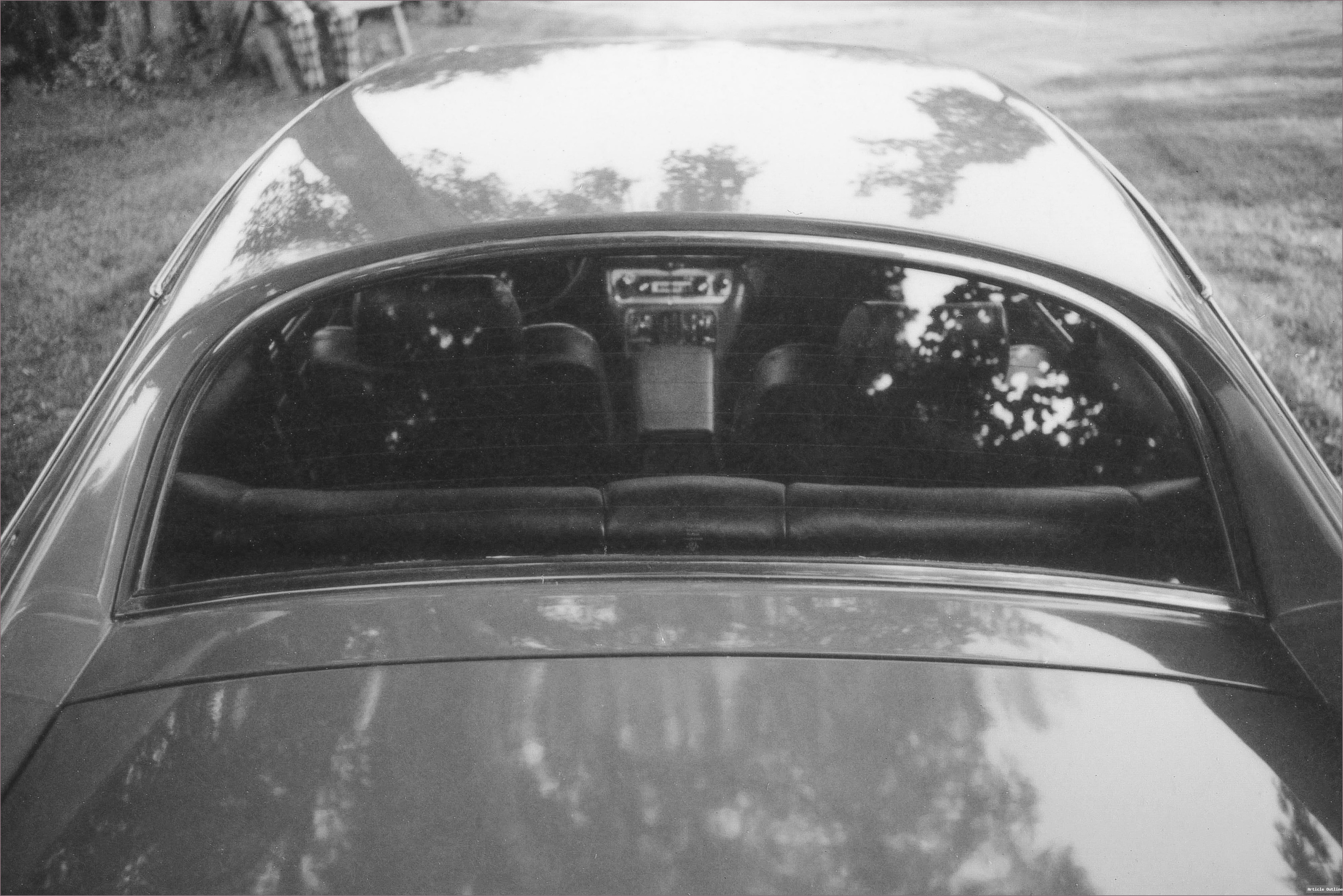
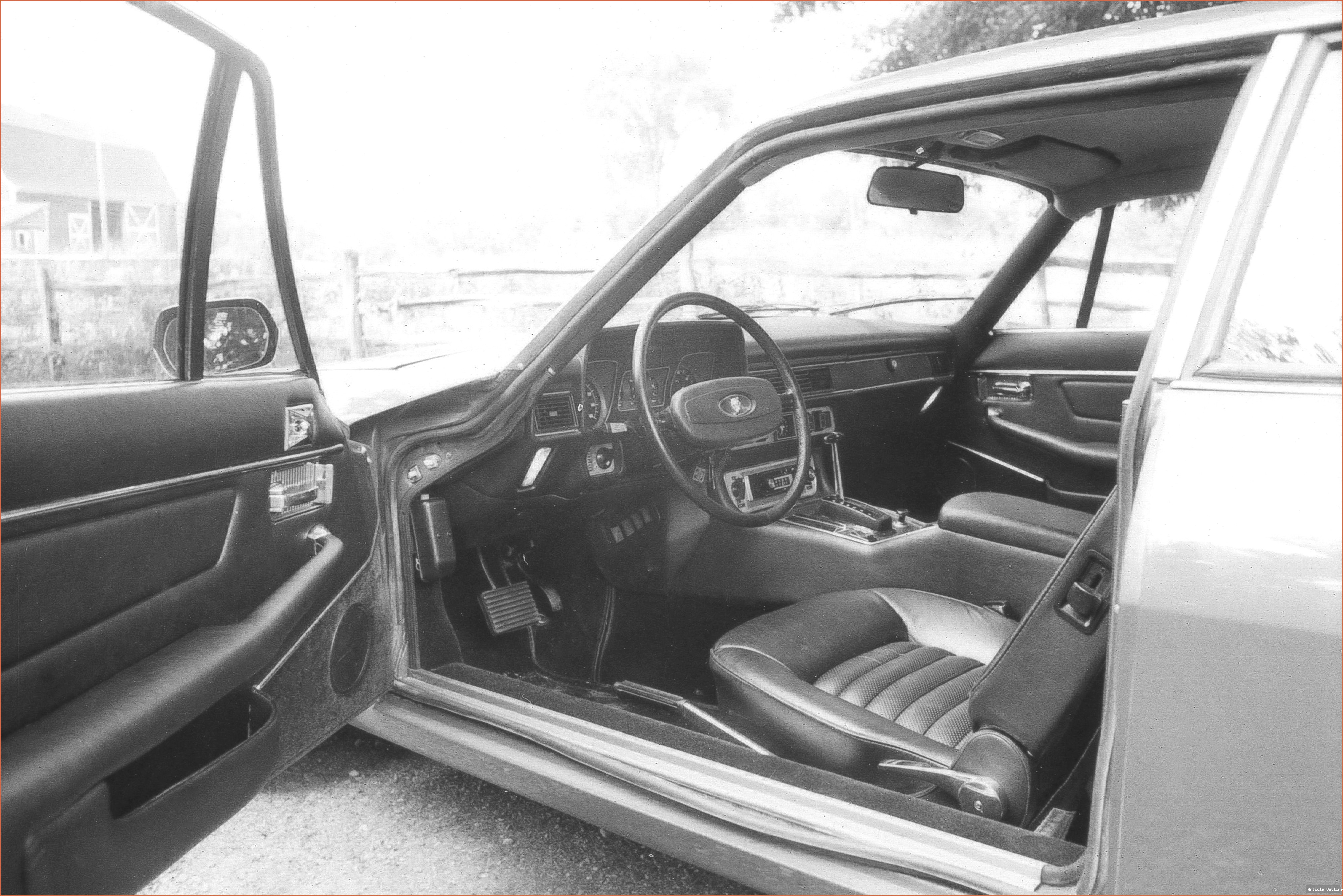
- Its performance and handling were (and remain) astonishing for a four-seat coupe, but its quirks—interior comfort compromises, awkward driving position, and daunting maintenance—make it a true connoisseur’s choice.
Specs Quick View
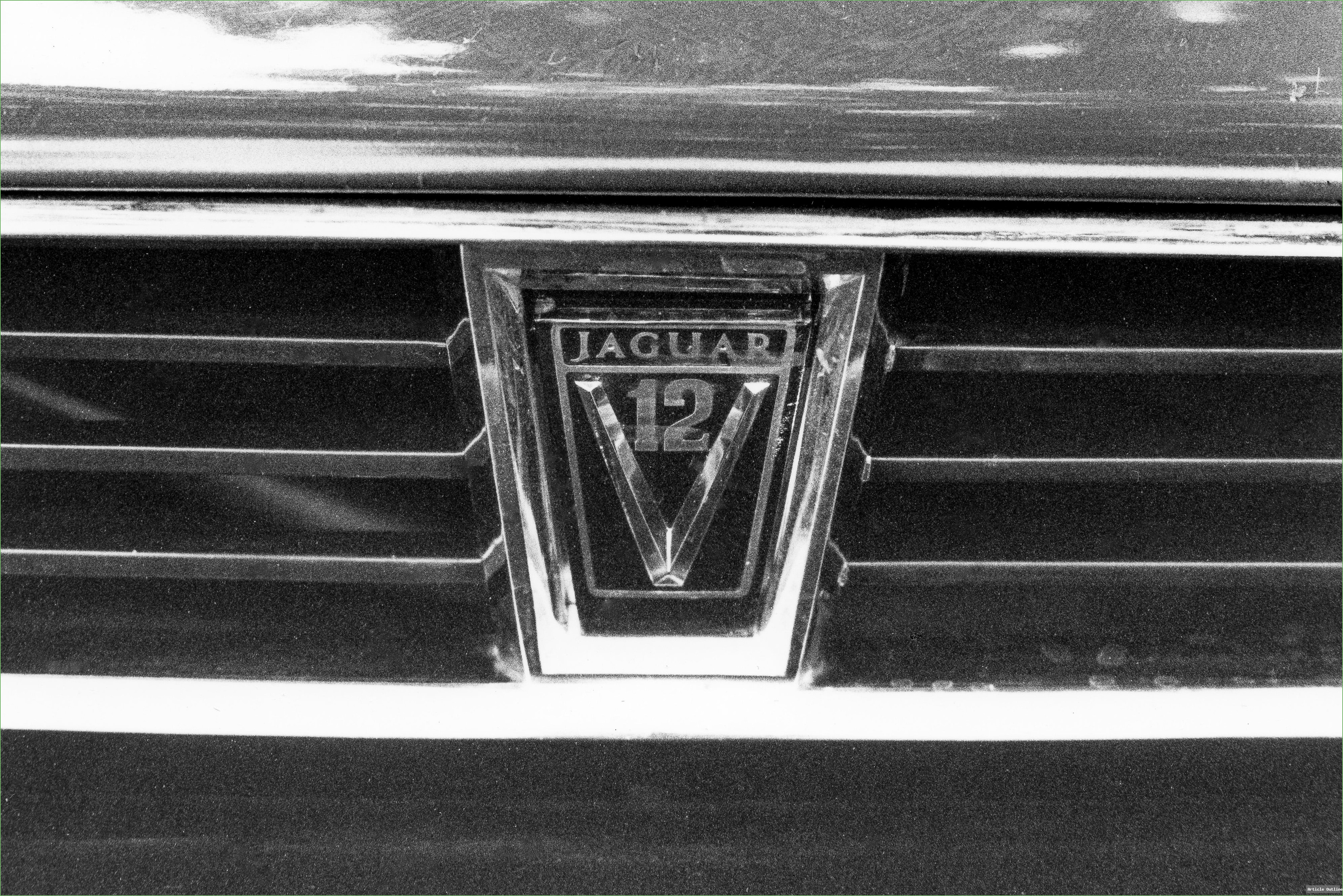
- Engine: 5.3L SOHC V12
244 hp @ 5250 rpm / 269 lb-ft @ 4500 rpm - 0-60 mph: 7.5 sec
- 1/4 mile: 16.0 sec @ 90 mph
- Top Speed: 140 mph (observed)
- Weight: 4,020 lbs
- Fuel Economy: 12 mpg (city/highway observed)
Timeline: The XJ-S in Context
- Late 1960s: Design begins, anticipating the end of convertibles due to U.S. safety laws.
- 1970: Malcolm Sayer passes away after finalizing the XJ-S design.
- 1975: XJ-S introduced, replacing the E-Type.
- 1976: First full U.S. model year; the oil crisis and emissions standards loom large.
Pros and Cons
- Pros: Peerless high-speed stability, V12 smoothness, distinctive style, exclusivity.
- Cons: Eye-watering price, thirsty engine, complex maintenance, some interior disappointments (goodbye, wood trim).
The Bottom Line
The 1976 Jaguar XJ-S is more than just a car—it’s a rolling contradiction, an anachronism, and a masterpiece all at once. It’s for those who want what nobody else can have, who crave a kind of grandeur that vanished with the fuel crisis. Today, it stands as a monument to a lost era—one where excess was virtue and exclusivity was everything. And maybe, just maybe, that makes it the ultimate classic coupe.
Sources: