It’s easy to forget how much the automotive world has changed since the late ‘90s—until you compare seven mainstream mid-size sedans head-to-head, each vying for the hearts (and wallets) of families on a $20,000 budget. Back in 1998, the likes of the Honda Accord, Toyota Camry, Nissan Altima, Dodge Stratus, Mazda 626, Ford Contour, and Oldsmobile Cutlass were battling for driveway dominance. But what can today’s car enthusiasts, buyers, and industry observers learn from this retro comparison? Spoiler: More than you might think.

Why This Matters
Looking at this 1998 comparo is a window into how consumer expectations, engineering priorities, and brand reputations have evolved. The $20,000 family sedan was once the backbone of the American road. Today, the class is almost extinct, replaced by crossovers and SUVs, but the lessons in comfort, practicality, and value-for-money are timeless.
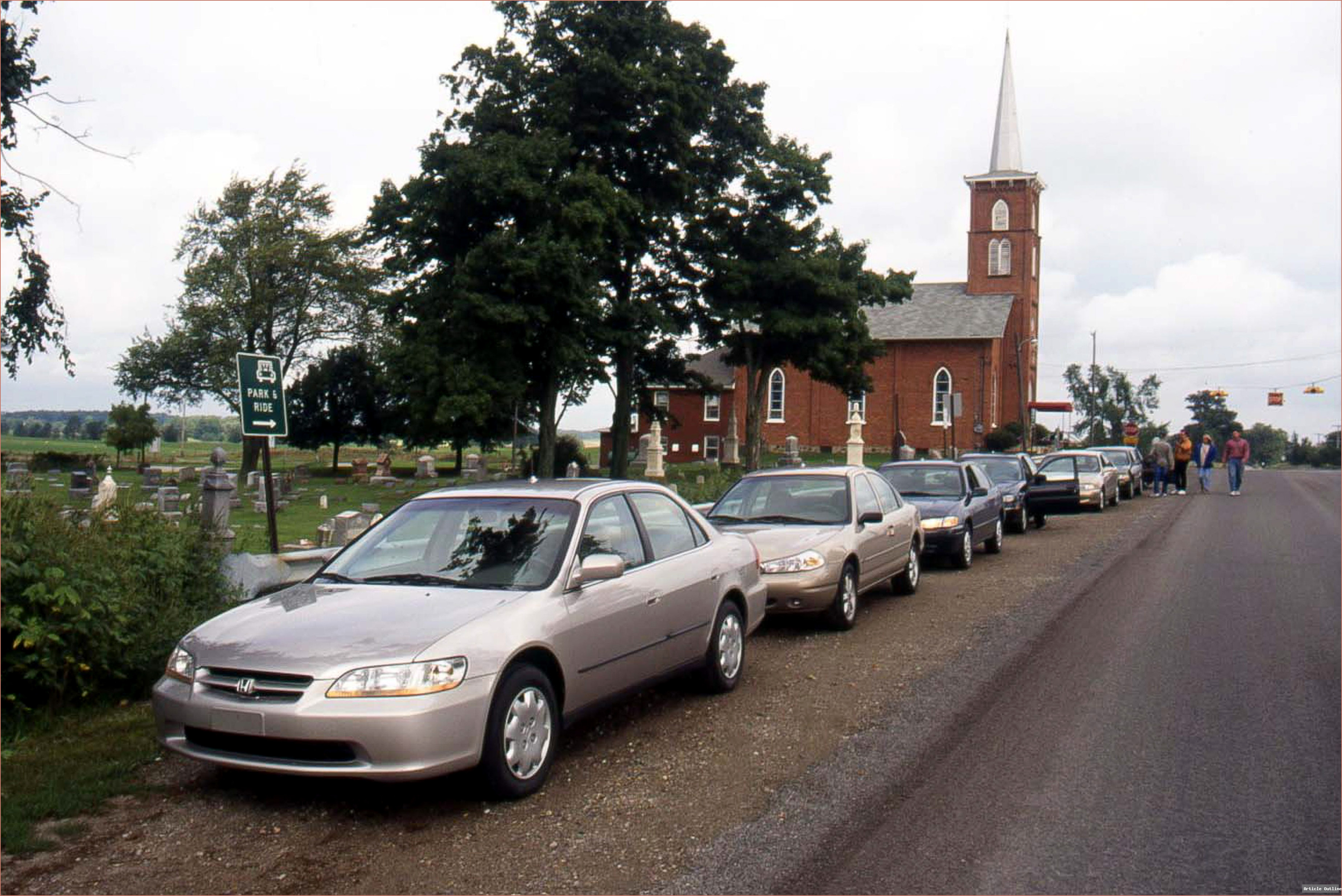
- Space and comfort were rapidly becoming battlegrounds, with Honda’s Accord suddenly out-sizing and out-comforting its rivals.
- Refinement (see Camry) was being democratized. Suddenly, “entry-Lexus” wasn’t a punchline.
- Performance and engagement (hello, Stratus and Contour) were still selling points, but only if they didn’t come at the expense of practicality.
What Most People Miss
The devil is in the details—and many buyers at the time overlooked the subtle but critical differences:
- Interior design quirks: The Contour’s “butt pincher” seats and busy dashboard were more than cosmetic complaints—they affected daily comfort.
- Real-world usability: The Accord’s clever rear seat pass-through and expansive storage foreshadowed the modern obsession with interior flexibility.
- Feature creep: Oldsmobile’s Cutlass packed luxury gear, but with a heavy price in refinement and driving dynamics.
- Handling vs. ride: The Mazda 626 chased softness, but suffered for it in athleticism and emergency stopping.
Key Takeaways
- Honda Accord’s 1998 redesign was a tipping point—blending space, efficiency (26 mpg observed!), and sharp dynamics into a winning formula. No wonder it led the segment for decades.
- Toyota Camry proved that “boring” could mean “brilliantly refined”—a trait that still defines the brand today.
- The Nissan Altima showed you can deliver rewarding driving feel even in a smaller, less spacious package.
- American entries (Stratus, Contour, Cutlass) were caught between old-school bigness and new-wave refinement, often missing the sweet spot.
Industry Context: Then vs. Now
- In 1998, nearly 30% of U.S. new vehicle sales were mid-size sedans. Today, that number is below 10% as SUVs take over.
- Tech and safety were afterthoughts. None of these cars had side airbags, stability control, or even standard ABS—a stark contrast to today’s baseline expectations.
- Price creep is real: Adjusted for inflation, a $20,000 1998 Accord LX would cost about $38,000 in 2024. Yet modern Accords offer vastly more tech, safety, and performance.
Pros & Cons Snapshot (1998 Style)
- Honda Accord LX: + Space, efficiency, handling. – A bit noisy.
- Toyota Camry LE: + Refinement, comfort. – Pricey, bland design.
- Nissan Altima GXE: + Fun to drive, well-built. – Tight rear seats.
- Dodge Stratus ES: + Sporty feel, style. – Noisy, cheap interior.
- Mazda 626LX: + Smooth ride, fuel economy. – Mushy handling.
- Oldsmobile Cutlass GLS: + Big trunk, loaded with features. – Unrefined drive.
- Ford Contour GL: + Great grip, compact size. – Cramped, harsh ride.
Timeline: The Evolution of the Family Sedan
- 1995: Ford Contour and Dodge Stratus launch with sportier ambitions.
- 1997: New Toyota Camry and Oldsmobile Cutlass bring more refinement.
- 1998: All-new Honda Accord, Mazda 626, and Nissan Altima set new standards for comfort and quality.
- 2020s: Most of these nameplates (and brands like Oldsmobile) have faded, as SUV and crossover sales surge.
The Bottom Line: What’s the Lesson for 2024?
The best cars are those that evolve with their buyers’ needs. The 1998 Accord won because it anticipated the next decade’s consumer priorities—and Honda’s dominance in the segment proved it. Today, the battlefront has shifted to crossovers, but the core idea remains: blend practicality, comfort, and a dash of fun, and you’ll have a winner.

If you’re shopping for a used classic, or just want to see how far we’ve come, crack open a 1998 mid-size sedan—and marvel at just how much, and how little, has changed.