The debut of the 2001 Lexus IS300 marked a bold move by Lexus, stepping into the fiercely competitive arena dominated by the BMW 3-Series. While some dismissed it as a mere copycat, those who looked closer found a car that wasn’t just an imitation—it was a fresh take on what a compact sport-luxury sedan could be.
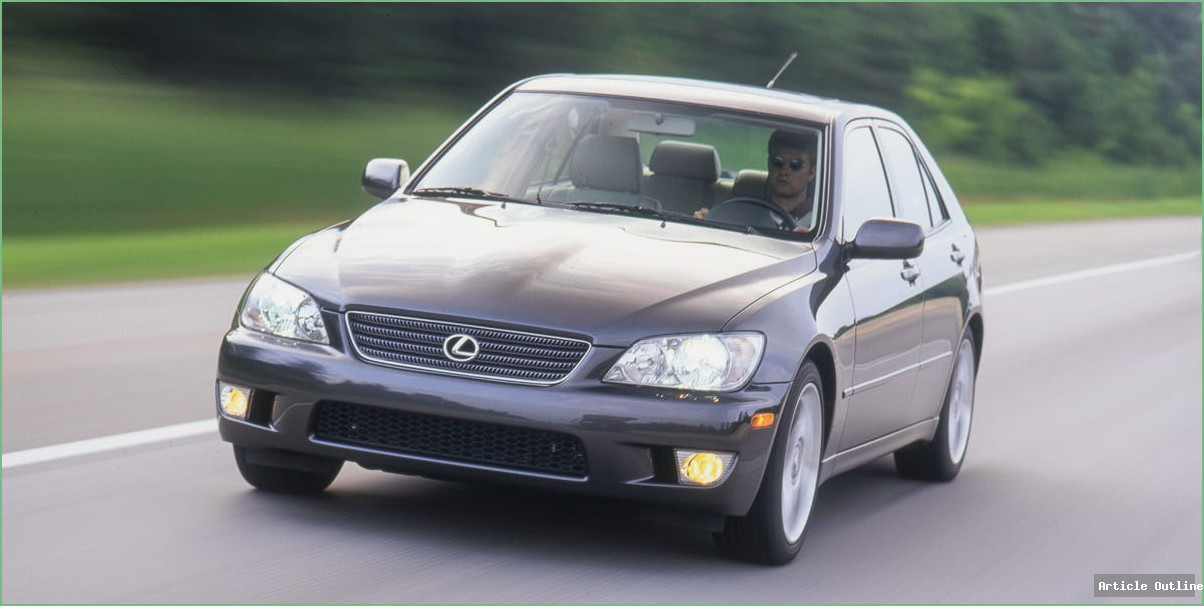
Let’s break down why the IS300 mattered then—and why it’s still an icon for enthusiasts who crave something different.

Why This Matters
- Lexus didn’t try to out-BMW BMW—they redefined the segment. Instead of carbon-copying the 3-Series formula, Lexus injected the IS300 with its own DNA: unique design, a robust 3.0L inline-six engine, and an emphasis on reliability and affordability.
- It signaled Lexus’ intent to compete seriously in the sport-sedan market. Up until this point, Lexus was known for plush, quiet cruisers—not agile, athletic sedans. The IS300 challenged perceptions and set the stage for future Lexus performance cars.
- For buyers in the early 2000s, the IS300 offered a compelling alternative for those unconvinced by German prestige or wary of maintenance costs.
What Most People Miss
- The IS300’s distinct personality. Many reviews focus on the numbers or direct comparisons to the 3-Series, but the IS300’s quirky interior (think wristwatch-inspired gauges and chrome shift knob) made it stand out in a sea of conservative cabins.
- The ‘Jekyll and Hyde’ ride quality. Smooth and composed on highways, yet taut and sporty on back roads. This dual nature was both a strength and a criticism, but it made the IS300 uniquely versatile.
- Early adoption of features now common in the segment. Steering-wheel-mounted shift buttons and a manumatic transmission were rare at the time, foreshadowing today’s tech-laden sport sedans.
Key Takeaways
- Performance: 215 hp, 218 lb-ft torque, 0-60 mph in 7.6 seconds (a bit slower than expected, but still lively for the era).
- Handling: Precise steering and nimble chassis, albeit with some understeer and a ride that could get clunky over rough pavement.
- Braking: Strong with 11.6-inch vented front discs, 171-foot stop from 70 mph.
- Price: Base $30,995, fully loaded just over $35,000—thousands less than a comparable BMW 328i.
- Fuel Economy: 18/23 mpg (city/highway), not stellar, but in line with rivals at the time.
- Interior: Distinctive, stylish, and definitely not a ‘Teutonic coal bin’—but comfort and space lagged behind the Germans.
Industry Context & Comparisons
- The IS300 was an outlier in 2001, but it foreshadowed the modern sport sedan arms race. Today’s market is full of Japanese, Korean, and American contenders vying to dethrone the 3-Series.
- It set a blueprint for future Lexus models. The IS lineage has since evolved, with newer generations offering turbo engines, hybrids, and even V8-powered F models—all tracing their roots to the IS300’s rebellious spirit.
- The IS300’s cult following has grown. Due to its reliability, engaging dynamics, and mod-friendly 2JZ engine, it’s now beloved by enthusiasts and collectors alike.
Pros and Cons
- Pros:
- Robust, smooth inline-six engine
- Sharp, accurate steering
- Distinctive design inside and out
- Lexus reliability and lower ownership costs
- Accessible pricing compared to German luxury rivals
- Cons:
- No manual transmission at launch (though it arrived later)
- Ride could be harsh on poor roads
- Interior space and comfort below class leaders
- Not as refined as a BMW 3-Series or Audi A4
Timeline: The IS300’s Place in History
- Late 1990s: Lexus develops the IS200 for global markets, but U.S. buyers demand more power.
- 2001: IS300 debuts with a 3.0L engine and automatic transmission in America.
- Early 2000s: Manual transmission option arrives, boosting enthusiast appeal.
- 2020s: The IS300 is celebrated as a classic sport sedan, with values on the rise for clean examples.
Expert Commentary
“The 2001 Lexus IS300 was never just a ‘Japanese BMW.’ It was a declaration that Lexus could inject fun, personality, and lasting quality into a segment obsessed with badges.”
The IS300 proved you didn’t have to follow the German playbook to make a great sport sedan. Its legacy? Inspiring drivers to choose character and reliability over conformity.
The Bottom Line
- The IS300 wasn’t perfect, but it dared to be different. It’s the car for those who zig when others zag.
- Today, it stands as a reminder that sometimes, the most interesting cars are the ones that refuse to blend in.