The 2003 Honda Element EX is more than just a quirky, box-shaped experiment from Honda’s early-2000s design lab. It’s a vehicle that dared to blend the utility of a cargo van, the soul of a sports compact, and the vibe of a college dorm room—aimed squarely at a generation that didn’t even know it needed one. But why does this oddball matter so much in today’s automotive landscape?
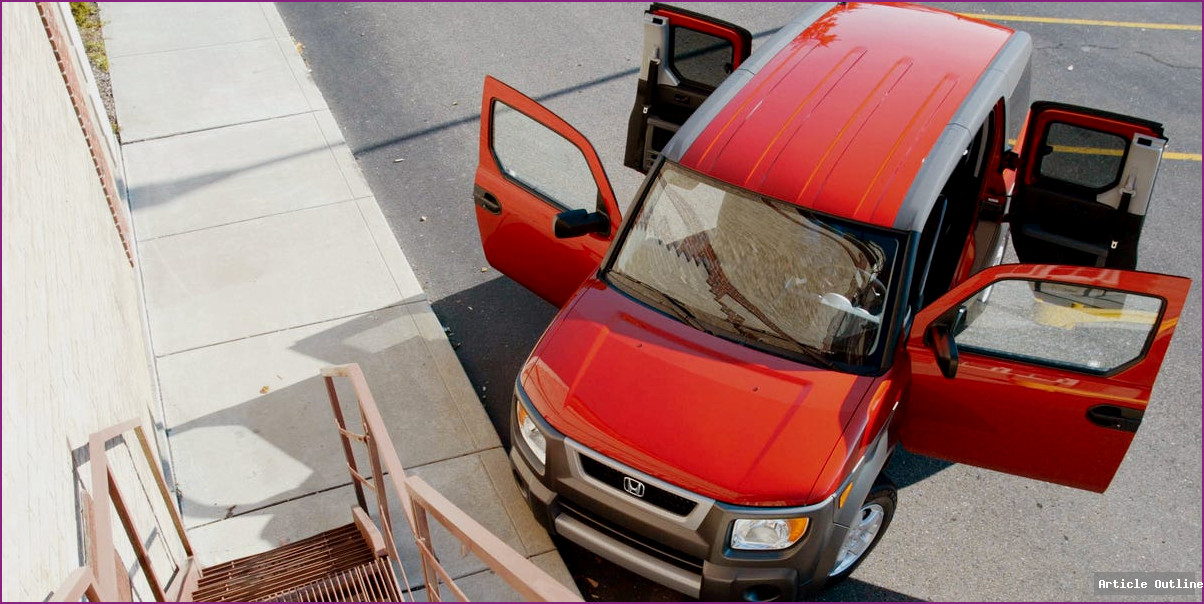
Let’s peel back the layers on what made the Element a cult classic, why its influence still echoes across the crossover segment, and what car enthusiasts and practical-minded drivers alike can learn from it.

Why This Matters
- Ahead of Its Time: When the Element launched, crossovers were barely a blip on the automotive radar. Honda’s willingness to target the young, adventurous, and not-yet-established crowd foreshadowed a sea change in car marketing.
- Redefining Versatility: The Element’s pillarless, wide-opening doors, waterproof seats, and flat, modular interior set a new bar for what “utility” meant in a non-commercial vehicle. It wasn’t just about hauling—it was about living, sleeping, and partying on four wheels.
- Design That Dared to Be Different: Love it or hate it, the Element’s cartoonish, refrigerator-inspired looks and color-blocked panels made it impossible to ignore. It challenged the sameness of early 2000s SUVs and crossovers.
What Most People Miss
- Engineering Hidden Under Funky Styling: The Element wasn’t just a CR-V in a boxy shell. Honda reinforced the chassis to compensate for the lack of B-pillars, ensuring safety and rigidity. It actually outperformed some competitors in side-impact ratings.
- Performance Surprises: With a 2.4-liter i-VTEC engine, the Element EX posted a 0–60 time of 8.7 seconds and pulled 0.78g on the skidpad—numbers that beat or matched sportier cars like the BMW 330i of its era. Most people expected a slug; they got a sleeper.
- Practicality Over Prestige: The Element’s wipe-clean floors and waterproof seats weren’t just for show. They made it the ultimate “life happens” vehicle, perfect for surfers, campers, dog owners, and anyone who views spilled coffee as a weekly event.
Key Takeaways
- Utility with Personality: The Element proved that a vehicle could be practical and fun—not just in the way it drives, but in the way it fits into your life.
- Affordable Innovation: Starting at $16,560 for the base DX and topping out near $19,110 for the loaded EX, the Element made high-utility features accessible without luxury price tags.
- Market Influence: Today’s adventure-focused small crossovers (think Kia Soul, Jeep Renegade, or even the Ford Bronco Sport) owe a debt to the Element’s “live-in-it” spirit and modular thinking.
Comparisons & Context
- Against the CR-V: Shorter, boxier, but with more cargo flexibility and a stronger, reinforced chassis.
- Versus Modern Rivals: While the Kia Soul and Nissan Cube later copied the “funky box” formula, few matched the Element’s blend of durability, space, and drivability.
- Industry Trend: The Element’s launch predated the “vanlife” social movement by more than a decade, showing that Honda understood emerging lifestyle trends before they even existed.
Pros and Cons (2003 Honda Element EX)
- Pros: Cargo-van flexibility, SUV convenience, sports-compact handling, waterproof/wipe-clean interior, affordable pricing.
- Cons: Polarizing styling, some cheap materials, awkward side doors for family use, not intended for serious off-roading.
Action Steps & Practical Implications
- If you’re considering a used Element, you’re tapping into a vehicle with a cult following and proven reliability—but be prepared for stares and the occasional “nice toaster” joke.
- For automakers: The Element proves there’s a market for vehicles that don’t fit the norm, as long as they offer genuine utility and character.
- For drivers tired of cookie-cutter crossovers: The Element remains one of the few truly unique ways to stand out and actually use your car as a living space.
The Bottom Line
The Honda Element EX was a rolling experiment in lifestyle-focused design—and it worked. Its legacy is visible in every adventure-ready crossover on the road today. While its styling may have split opinions, its functionality—and fun-to-drive factor—made it a standout. If you want a car that’s still unlike anything else, the Element’s boxy charm and dorm-room practicality might just win you over.