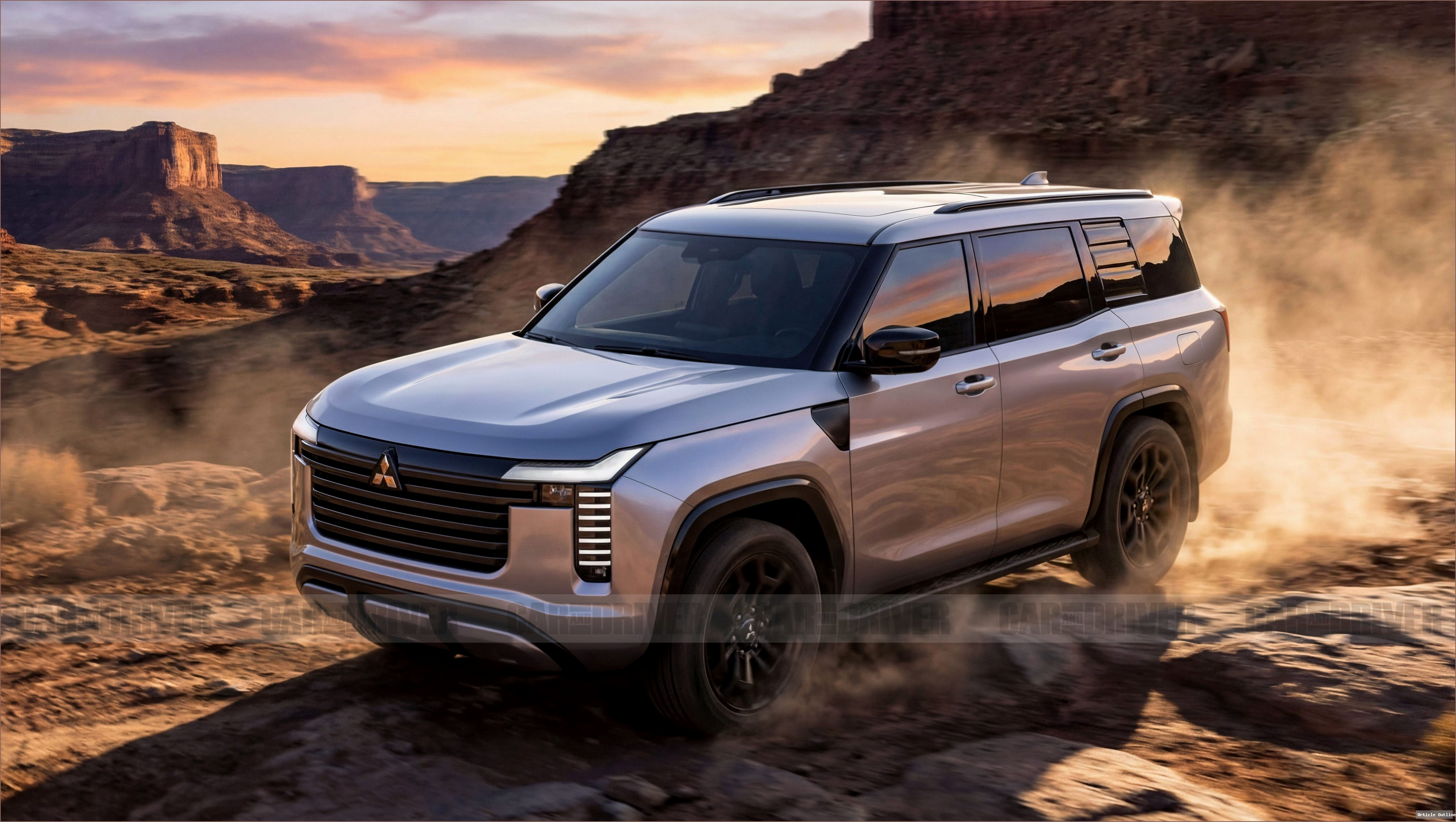
The Mitsubishi Montero is making its long-awaited return to North America—but not until 2030. While that may seem like a distant future, the news signals much more than a simple model relaunch. The Montero’s anticipated comeback is a microcosm of how legacy automakers are fighting to remain relevant, and why the SUV wars of the next decade might look very different from today.
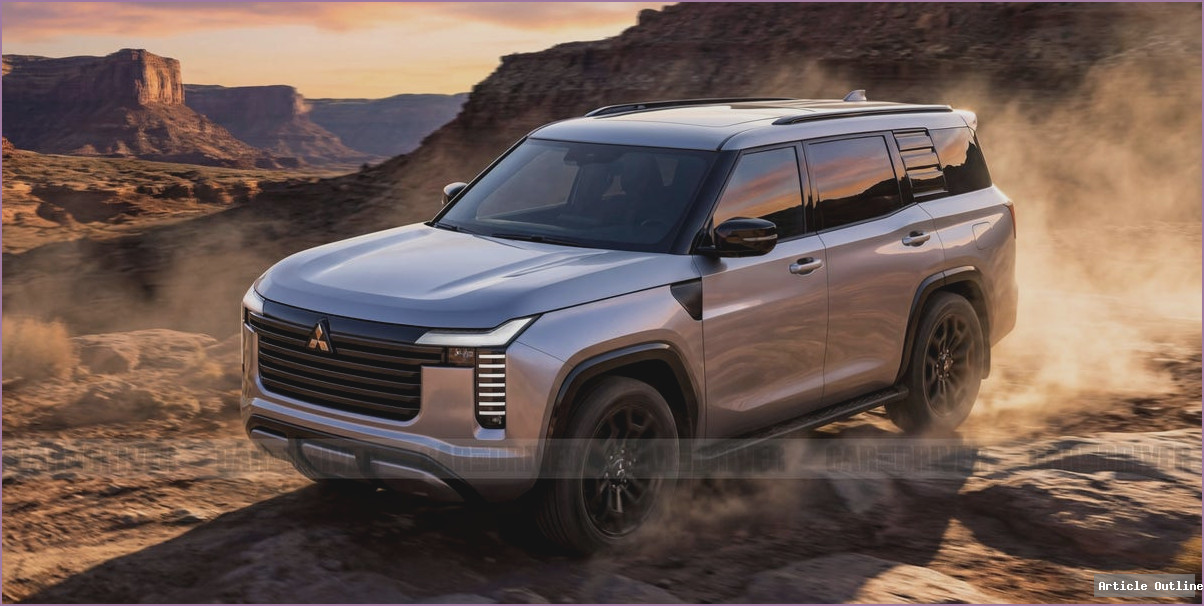
Mitsubishi’s June 5 dealer meeting wasn’t just a flex of new metal. It was the public unveiling of the company’s Momentum 2030 strategy: a commitment to launch a new or heavily updated model every year until March 2031. The centerpiece? The rebirth of the Montero (known globally as Pajero), an off-road icon that once stood shoulder-to-shoulder with the likes of the Toyota Land Cruiser and Nissan Patrol.
Why This Matters
- The Montero’s return is Mitsubishi’s boldest move in decades. After years of being overshadowed in North America, Mitsubishi is signaling it wants a seat at the table with the big names in the off-road SUV game.
- It’s not just nostalgia—it’s strategic timing. The Montero is being reimagined for a new generation of SUV buyers who crave rugged adventure, advanced tech, and three-row practicality. By 2030, the North American SUV segment will be even more competitive, and pent-up demand for true off-roaders is growing, as seen by the revival of the Ford Bronco and Land Cruiser.
- Mitsubishi’s alliance with Nissan is crucial. The planned mid-size pickup, sharing DNA with the Nissan Frontier and Triton, hints at deeper platform and tech sharing—key for survival in a market where development costs are soaring.
What Most People Miss
- The new Montero will likely ride on a body-on-frame platform (like the Asian-market Pajero and Triton), not a car-based crossover chassis. This is a big deal for purists who want real off-road capability.
- The shift to a traditional rear hatch (instead of the classic swinging door) suggests Mitsubishi is balancing ruggedness with mainstream appeal to broaden its customer base.
- Platform sharing can turbocharge Mitsubishi’s comeback, but it risks brand dilution if not handled well. The challenge: make it feel like a Montero, not just a rebadged Nissan.
Key Takeaways
- Momentum 2030 means at least one new or revamped Mitsubishi model per year—a pace rarely seen from the brand in recent memory.
- Off-roaders are in vogue: Ford Bronco, Toyota Land Cruiser, Jeep Grand Cherokee, and now Montero are all fighting for the same adventure-hungry buyers.
- Electric and hybrid tech will likely play a role, especially since the first new model is the Eclipse Sportback EV in 2026.
Industry Context & Timeline
- 2026: Eclipse Sportback small electric SUV arrives
- 2027: Outlander Trail Edition gets a rugged refresh
- 2028: Outlander and Outlander Sport overhaul, both moving to new platforms
- 2029: New mid-size pickup (Nissan Frontier platform) debuts
- 2030: Montero returns to North America
Pros & Cons: Mitsubishi’s Montero Revival
- Pros:
- Leverages nostalgia for a legendary nameplate
- Capitalizes on growing off-road and adventure SUV trend
- Potential for advanced features and platform synergies
- Cons:
- 2030 is a long wait—risk of market shifts or new competitors
- Platform sharing may dilute unique Montero character
- Success hinges on execution, not just a famous badge
The Bottom Line
The Montero’s return isn’t just another SUV launch—it’s a high-stakes bet by Mitsubishi in an industry that’s rapidly shifting. If they can deliver true off-road cred, modern amenities, and keep the Montero’s spirit alive, they’ll earn more than just headlines—they could win back the hearts (and wallets) of North American drivers.