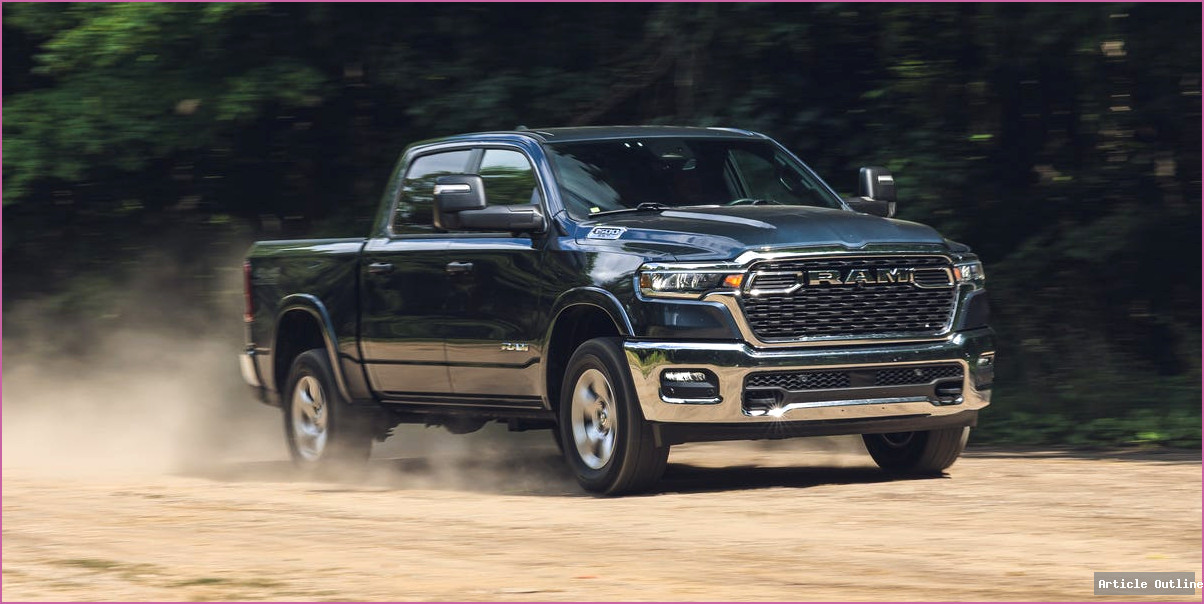
The 2025 Ram 1500 Big Horn’s long-term, 40,000-mile road test is more than just a tale of specs and road trips—it’s a full-blown reality check on what happens when a beloved V-8 gets swapped for a twin-turbo six, all wrapped in a truck that’s supposed to haul, tow, and coddle with equal prowess. So, does Ram’s bold mechanical gamble pay off? Let’s break down the real-world lessons, overlooked quirks, and what this means for truck buyers and the industry at large.
Why This Matters
- The 2025 Ram 1500 Big Horn is a litmus test for the future of full-size trucks. As more manufacturers retire their V-8s for smaller, turbocharged engines, Ram’s Hurricane inline-six is a high-profile experiment in balancing power, efficiency, and tradition.
- Truck buyers are fiercely brand- and engine-loyal. Swapping out the Hemi V-8—a legend in the pickup world—for a turbo six risks alienating a core customer base. How the Ram 1500 fares in sales and reputation will ripple across the entire industry.
- Long-term reliability and real-world usability trump brochure specs. The Ram’s service visits, towing quirks, and cabin experience reveal what really matters after the honeymoon phase ends.
What Most People Miss
- The Hurricane six is quick, but not dramatically more efficient. Over 40,000 miles, the observed fuel economy was just 1 mpg better than the outgoing V-8—averaging 15 mpg versus 14 mpg. For context, the EPA rates both at 19 mpg combined. That’s a sobering stat for anyone expecting a turbocharged revolution at the pump.
- Ride quality and interior comfort are still class-leading, even in mid-trim Big Horn spec. The coil-spring suspension and available air springs make the Ram uniquely calm on the road—even compared to rivals like the Ford F-150 and Chevy Silverado, which stick with traditional leaf springs.
- Little annoyances add up—especially at this price point. Manual tow mirrors and the lack of passive entry on a $68,000+ truck feel like relics from a decade ago. And the dealership experience? Let’s just say you’ll want to bring your own cabin air filter.
Key Takeaways
- Performance is stellar for a pickup: 0-60 mph in 4.8 seconds is sports sedan quick, beating the last-gen V-8 by over a second. Yet, real-world acceleration and towing prowess come with only modest fuel savings.
- Towing tech is a double-edged sword: The trailer mirrors are brilliant—when towing. The rest of the time, they create massive blind spots and parking-lot headaches. The Trailer Reverse Steering Control system? Most drivers would rather just steer the old-fashioned way.
- Reliability is still a question mark: Five unscheduled service visits in 40,000 miles—mostly for electronic gremlins and a turbo wastegate actuator—raise eyebrows about long-term durability once the warranty is up.
- You can’t put a price on ride quality and cabin comfort: Even with its quirks, the Ram 1500 remains the road-trip king, with a cabin that makes even work-truck cloth seats feel upscale.
Timeline: Major Events in 40,000 Miles
- 1,000 miles: Early impressions praise the ride and quiet cabin.
- 13,650 miles: First dealer service brings sticker shock (and surprise add-ons).
- 18,000 miles: Forward-collision warning fails; module replaced under warranty.
- 30,000 miles: Turbo wastegate actuator fails, causing power loss. Fixed by dealer.
- 40,000 miles: Truck finishes test with no catastrophic failures, but a long list of minor annoyances and five unscheduled service visits.
Pros and Cons
- Pros:
- Class-leading ride quality and cabin comfort
- Strong, smooth acceleration
- Massive towing capacity and clever tech
- Impressive range with 33-gallon tank
- Cons:
- Slight real-world fuel economy gain over V-8
- Manual mirrors and lack of passive entry feel outdated
- Above-average service visits for electronics and minor parts
- Pricey replacement parts and dealer upsells
Expert Commentary & Perspective
“The peaceful ride of a luxury car, the acceleration of a sports car, and the cornering ability of, well, a pickup.” — Tony Quiroga, Car and Driver
“This may be the perfect road-trip vehicle. The air suspension is great for levelling out the load, and somehow it knows the trailer is 20 feet long and the blind-spot-monitoring system adjusts accordingly.” — Dave VanderWerp
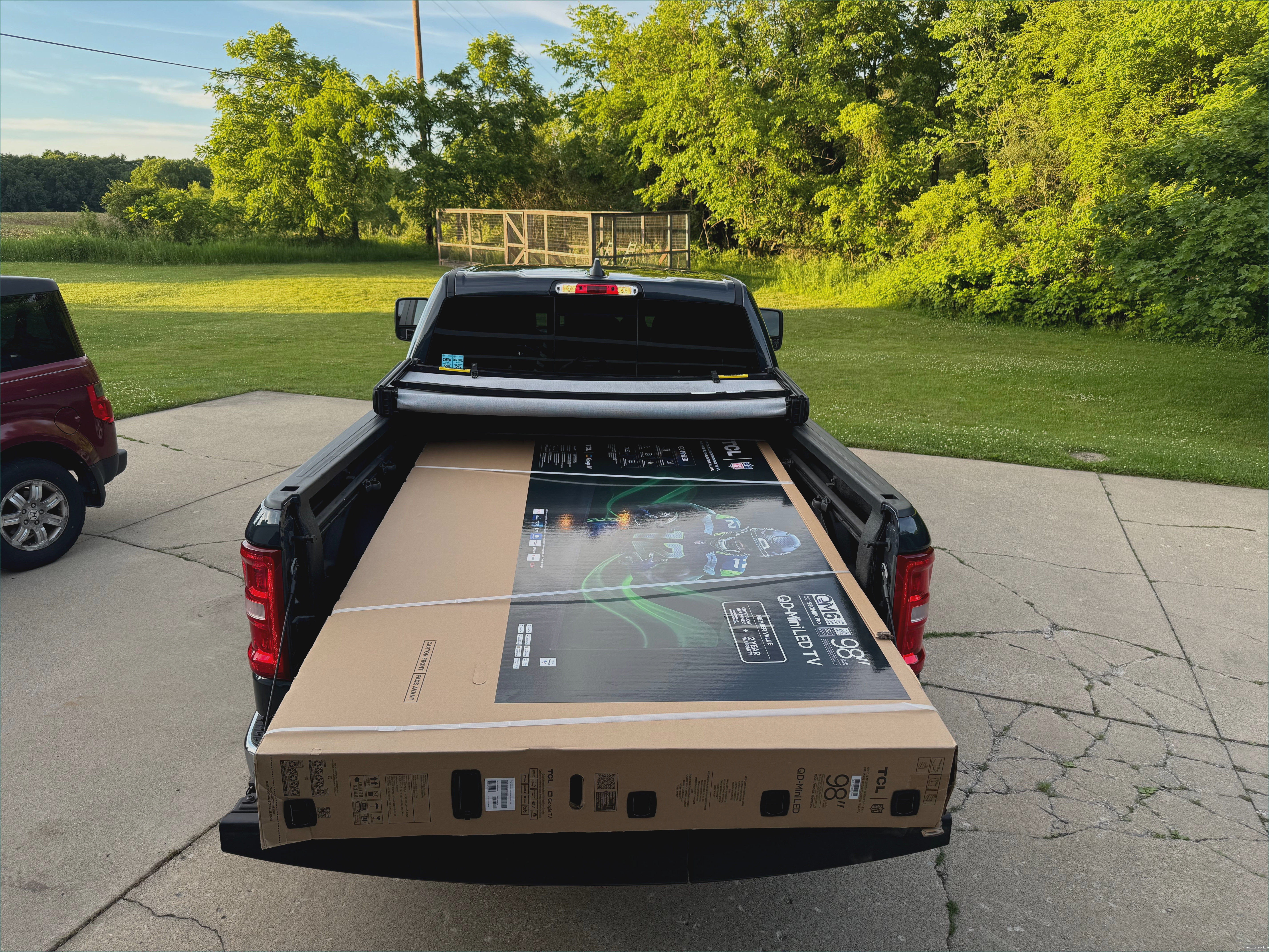
As someone who’s tested dozens of trucks, I’ll say this: The Ram 1500 Big Horn is still the segment’s comfort benchmark—and the Hurricane six proves turbo tech can deliver real power in a big truck. But buyers obsessed with fuel savings or old-school simplicity may still pine for the days of the Hemi. And, let’s face it, who really wants to pay $2200 for a replacement tonneau cover?
The Bottom Line
Ram’s 2025 Big Horn proves you can build a turbocharged pickup that’s fast, refined, and genuinely enjoyable to live with. But it also shows that progress is slow—and sometimes, circular—when it comes to the things truck owners care about most: reliability, real-world fuel savings, and everyday usability. The Hurricane six is a technical marvel but not a game-changer for efficiency. Still, for those who value ride comfort and don’t mind a few quirks, the Ram 1500 remains a top pick—just keep an eye on those mirrors (and your service advisor).