Bentley’s new 2026 Continental GT S isn’t just another trim—it’s a strategic move in the ultra-luxury chess game. But is this new ‘S’ badge a masterstroke or just another way to split hairs (and wallets) for the world’s most discerning drivers?
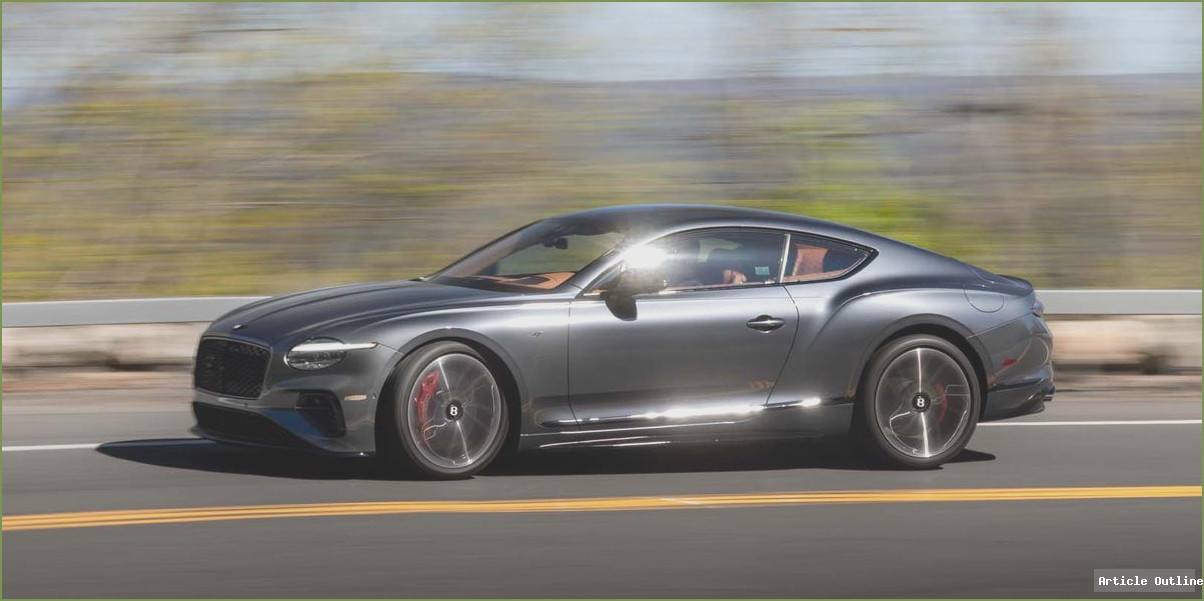
The Continental lineup keeps growing, and with the S model, Bentley’s following the Porsche 911 playbook: offer endless variants to serve every flavor of enthusiast. But instead of chasing sheer horsepower, the GT S takes a nuanced approach—blending the chassis magic of the Speed with a slightly less potent (but still formidable) hybrid V8. Confused? You’re not alone. Let’s dig into what makes the GT S tick, why it matters, and what most folks are missing beneath the polished surface.
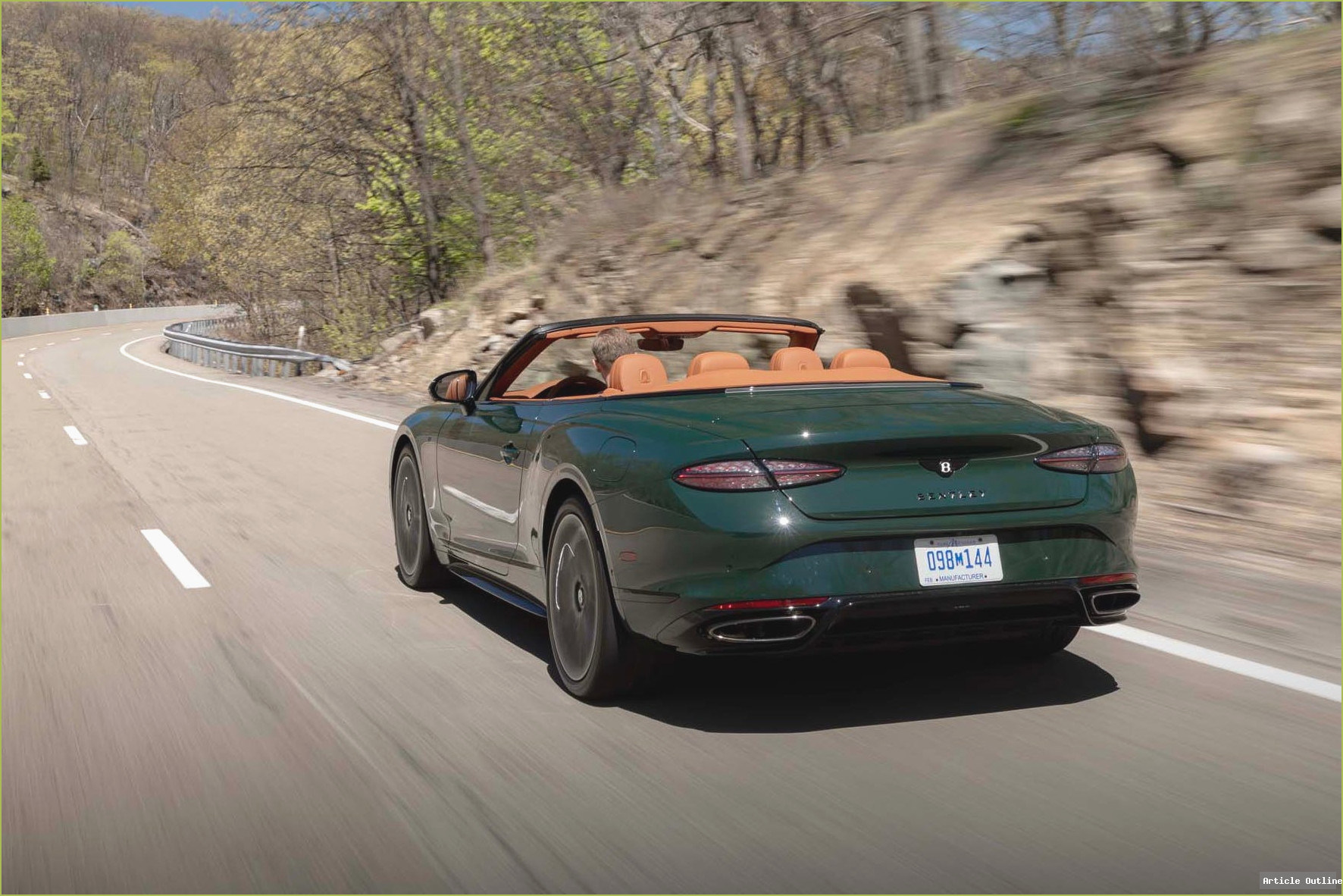
Why This Matters
- The GT S showcases Bentley’s response to the modern luxury buyer’s paradox: wanting both performance and eco-consciousness, without sacrificing comfort.
- Its 671-hp plug-in-hybrid V8 is a nod to electrification—boasting up to 49 miles of electric-only range in real-world use. That’s a big deal for an ultra-luxury coupe.
- Bentley is blurring the lines between performance models and luxury cruisers, making it harder (and more interesting) for buyers to choose.
What Most People Miss
- The GT S’s powertrain is mechanically identical to pricier trims—only software tweaks separate it from the top-dog Speed. The extra cost for the Speed buys you more bragging rights, not more hardware.
- Despite the ‘S’ badge, there’s no weight savings; in fact, the GT S is heavier than the Speed due to options and luxury kit. At 5,530 lbs, it’s no featherweight sports car.
- The ‘S’ focuses on dynamic chassis tuning: shared with the Speed, it offers firmer settings, lower ride height, and sharper rear-wheel steering in Sport mode. But in Comfort, it’s pure Bentley plushness.
- Bentley’s real play here is emotional: offering a sense of exclusivity and fine-tuned character for those who want ‘just right’—not ‘too much’.
Key Takeaways
- 0-60 mph in 3.0 seconds is just 0.2s behind the Speed—impressive for a ‘lesser’ trim.
- Driving range matters: the hybrid’s 49-mile EV capability makes short, silent commutes possible—luxury owners value this new form of discretion.
- The GT S costs just under $300,000 base (but test models easily top $350k with options). Visual tweaks—like unique 22-inch wheels and dark chrome—help owners stand out without shouting.
- Industry trend: Ultra-luxury brands are slicing their lineups ever thinner, mirroring the ‘variant explosion’ seen in sports cars (think 911 GTS, Turbo S, etc.).
How Does It Stack Up? (Comparison Table)
| Model | Power (hp) | 0-60 mph | EV Range | Base Price |
|---|---|---|---|---|
| GT S | 671 | 3.0s | ~49 mi (real) | $296,150 |
| GT Speed | 771 | 2.8s | Similar | $~325,000 |
| Continental GT Azure | 671 | 3.2s | Similar | $~275,000 |
| Porsche 911 Turbo S | 640 | 2.6s | n/a | $230,400 |
Pros & Cons
- Pros:
- Superb ride/handling balance—relaxed or razor-sharp at will
- Sumptuous, customizable interior
- Impressive electric-only range for the class
- Distinctive visuals and exclusivity
- Cons:
- Still very heavy—don’t expect 911 agility
- Doesn’t deliver unique hardware over lower trims
- Pricey, and options add up fast
- Bragging rights less than Speed, despite near-identical performance
Timeline: Evolution of the Continental GT
- 2003: Original GT debuts—Bentley’s modern revival
- 2018: Third-gen GT launches, sharper and more tech-forward
- 2024: Hybridization arrives, blending power with efficiency
- 2026: GT S introduced, splitting the gap between luxury and performance trims
Expert Commentary
“The newest trim level for the Continental GT is of no major import, but the car remains fabulous no matter the variant.”
— Car and Driver, 2026
The Bottom Line: The 2026 Bentley Continental GT S isn’t about raw numbers—it’s about nuance: performance with restraint, luxury without overindulgence, and the pride of having a Bentley that feels ‘just right’. For buyers seeking that sweet spot between the extremes, this new S might be the most Bentley move of all.