The 2026 Cadillac Optiq RWD is more than just a new electric crossover—it’s Cadillac’s next statement on how luxury and technology can, and should, blend in the EV era. While the Optiq is loaded with visible tech and comfort upgrades, there’s a deeper story beneath the surface about where Cadillac, and luxury interiors in general, are heading.
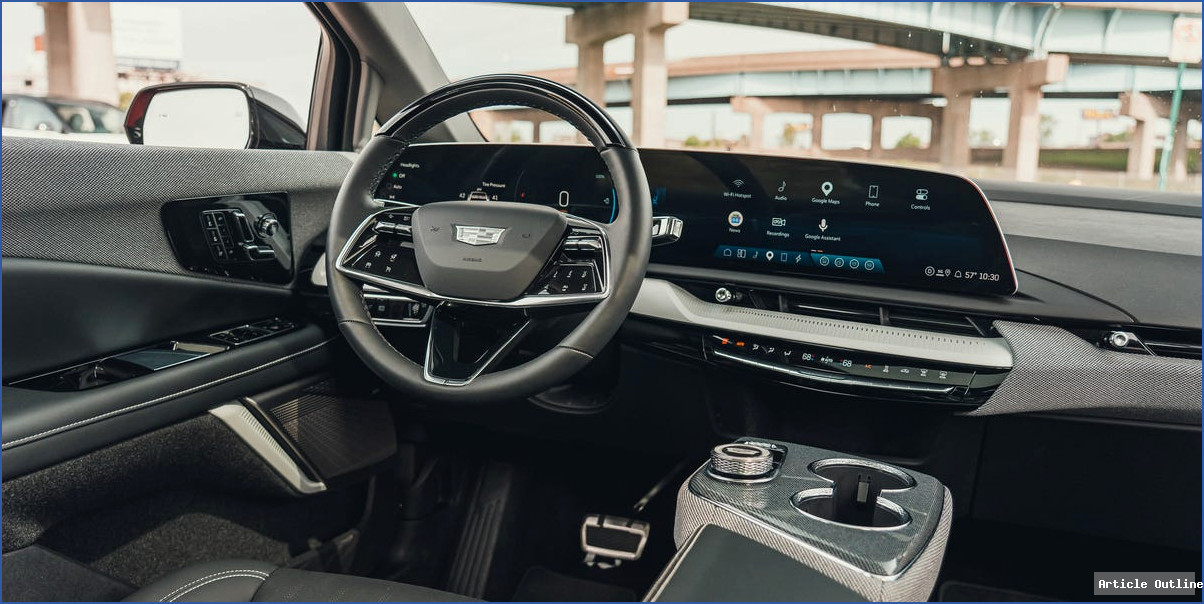
Let’s move past the pretty pictures and get into why the Optiq’s interior matters, what most people are missing, and what it says about the future of premium EVs.
Why This Matters
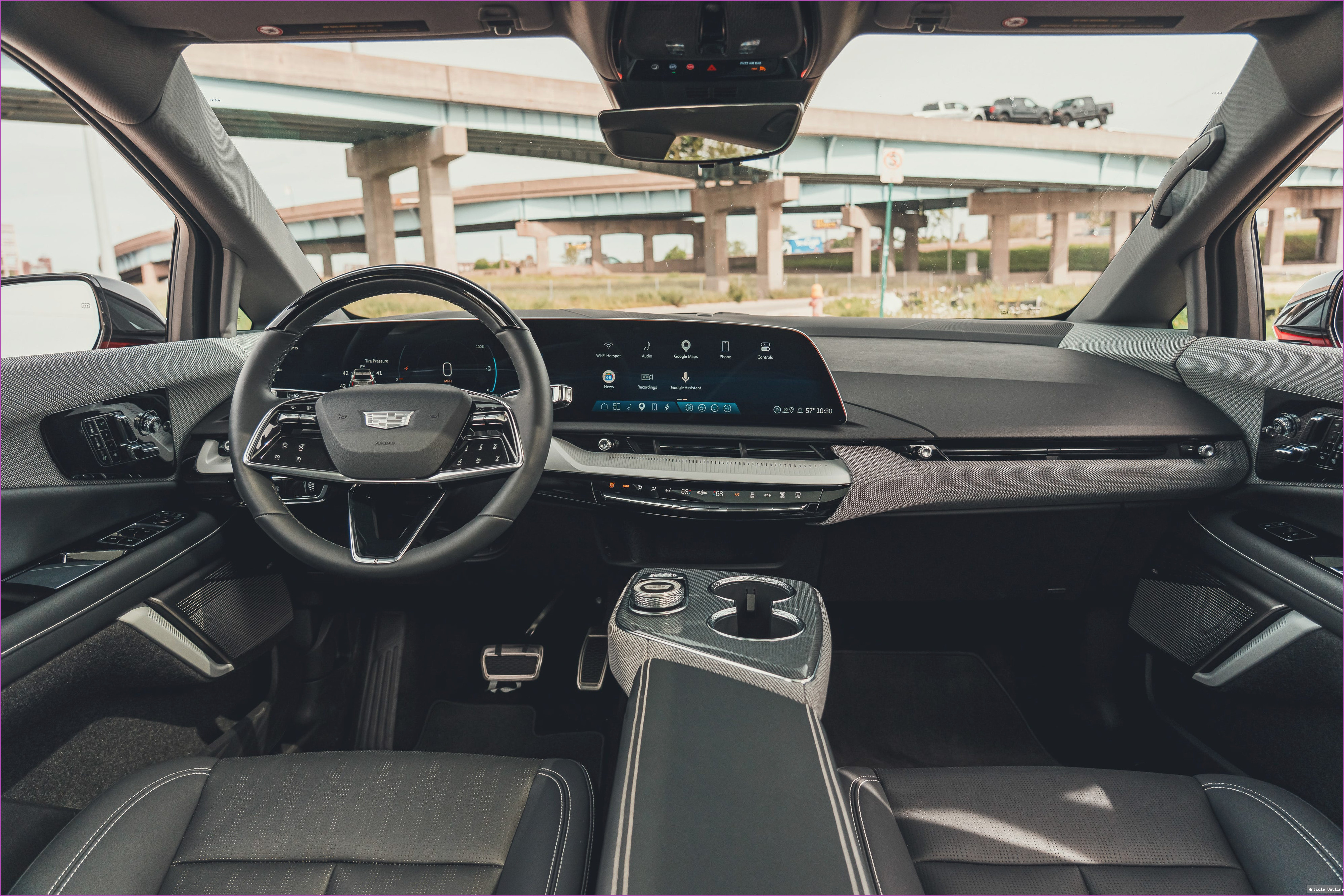
- Cadillac is reimagining luxury beyond leather. The use of “Inteluxe” upholstery is a signpost: premium doesn’t have to mean animal-based, and opting for high-quality synthetics is now a badge of modernity, not cost-cutting.
- Physical controls aren’t dead. Despite the industry’s touchscreen obsession, Cadillac doubles down with a rotary controller and real buttons, keeping usability and safety at the center.
- Super Cruise integration is baked into the design. The glossy band at the top of the steering wheel isn’t just for show—it’s the Super Cruise indicator, signaling the car’s advanced driver-assist capabilities.
- Storage solutions are evolving. The two-tier center console, slots, and open bays show attention to the daily realities of EV life—tech-savvy buyers want their gadgets (and coffees) within easy reach.
What Most People Miss
- Material innovation is about sustainability as much as style. Cadillac’s “nubby gray cloth” on the door tops and the use of Inteluxe hint at broader environmental goals—without shouting “eco” at the expense of luxury feel.
- Configurable displays are more than a tech flex. The driver’s display can show different information, but the real value is how this shift supports personalization and future over-the-air updates.
- Cadillac’s approach is a quiet rebuke to the ‘all-digital, all-the-time’ trend. By blending tactile controls with screens, the Optiq offers a more accessible luxury experience for buyers who aren’t ready to give up buttons.
Key Takeaways
- Luxury Is Evolving: Expect more premium brands to move away from traditional leathers and towards advanced synthetics that feel upscale but are kinder to the planet.
- Usability Still Wins: The rotary controller and physical buttons set the Optiq apart from rivals like the Tesla Model Y and Ford Mustang Mach-E, which rely almost exclusively on touch interfaces.
- Super Cruise Is the Real Luxury Feature: Cadillac’s semi-autonomous driving tech, visually signaled by the steering wheel, is a big differentiator in the EV crossover segment.
How It Compares: Industry Context
- Tesla Model Y: Known for its minimalist, all-touch interior—some find it futuristic, others find it frustrating.
- BMW iX: Mixes bold design with a blend of digital and physical controls, but at a much higher price point.
- Genesis GV60: Emphasizes design flair and tech, but lacks Cadillac’s storied luxury heritage.
- Cadillac Optiq: Sits at the intersection of tradition and tech, bringing tactile luxury to the EV mainstream.
Pros and Cons
- Pros:
- Premium, sustainable materials
- Driver-focused controls (rotary + buttons)
- Super Cruise semi-autonomous tech
- Smart, flexible storage
- Cons:
- No traditional leather—some buyers may miss it
- Potentially polarizing design touches (e.g., nubby cloth)
- Physical buttons may seem old-school to some tech purists
The Bottom Line
The 2026 Cadillac Optiq RWD interior is a blueprint for luxury EVs that care about comfort, usability, and eco-consciousness. It’s not just about looking good—it’s about feeling good, being smart, and keeping drivers in control. Cadillac’s approach is quietly radical, and it’s likely to influence the next wave of premium EV interiors.