The automotive world has been preaching the electric gospel, but here comes Dodge, roaring down the aisle with a choir of Hemi V8s in tow. The 2026 Dodge Durango R/T marks a stunning about-face: after swan songs, ‘Final Editions,’ and countless corporate declarations about the end of big, thirsty engines, the 6.4-liter V8 is back—at a price that will make muscle fans do a double-take.
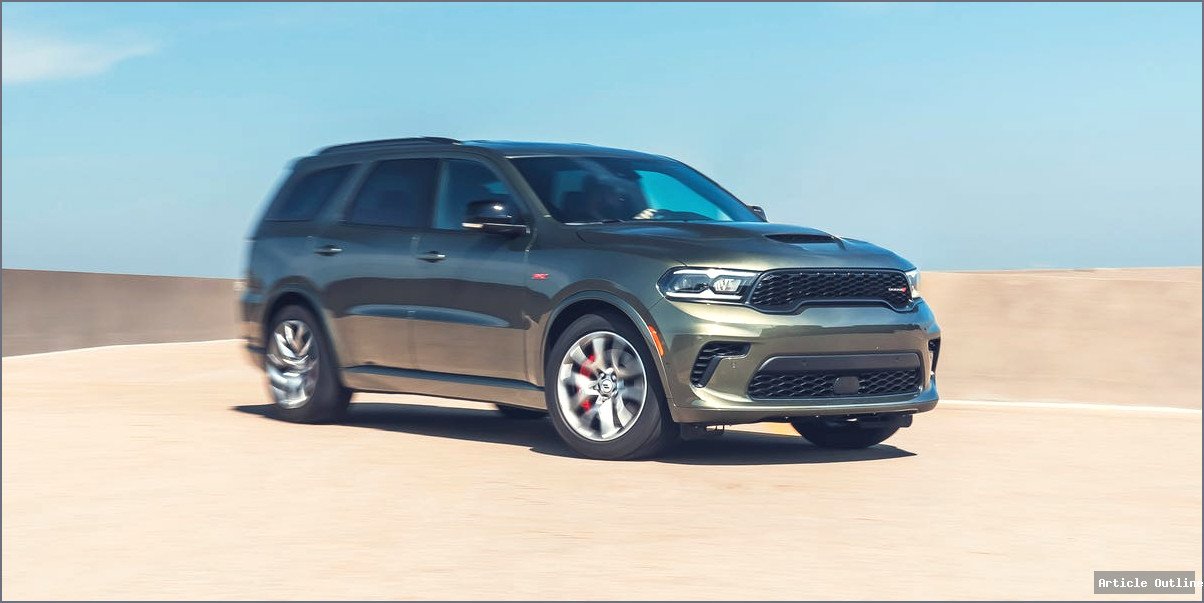
Let’s dive into why this unexpected move is more than just nostalgia, what everyone’s overlooking, and what this means for the future of family-sized performance SUVs.

Why This Matters
- The Durango R/T’s comeback signals a real market demand for old-school performance—even as the industry pivots hard toward electrification and efficiency.
- Dodge’s aggressive pricing—$51,990 for a 475-hp V8 SUV—throws down the gauntlet to both rivals and regulators.
- This move challenges assumptions about the “death” of the V8, showing that for some buyers, visceral power still trumps green credentials.
What Most People Miss
- It’s not just a re-badged old model. The 2026 Durango R/T comes with a massive price cut—over $24,000 less than the previous SRT 392—while keeping nearly all the premium features.
- Despite its age (the platform dates to 2011!), the Durango’s analog feel—mechanical shifter, physical buttons, and a naturally aspirated engine—gives it an appeal lost in most modern SUVs.
- Dodge isn’t alone in this V8 relapse. Jeep and Ram have both “retired” then quickly revived their big V8s, suggesting that the “end” of this era is more marketing than reality.
Key Takeaways
- Performance for the Price: 0-60 mph in 4.5 seconds, quarter-mile in 13.2s, and an 8700-lb tow rating—all for the price of a loaded minivan.
- Features Galore: Adaptive suspension, Brembo brakes, AWD, leather/suede seats, heated everything—the R/T doesn’t skimp.
- Tradeoffs: Fuel economy is, predictably, abysmal (16 mpg observed), and the platform is showing its age in tech and ride comfort.
- Comparisons: The Ford Explorer ST comes closest (400 hp, 4.9s 0-60), but can’t match the Durango’s old-school muscle.
Industry Context: Why Dodge’s “Relapse” Is a Big Deal
- The auto industry has been shifting rapidly toward electrification—sales of EVs in the US hit 1.2 million in 2023, and even performance brands like Porsche and BMW are electrifying their lineups.
- Yet, US V8-powered SUV and truck sales remain strong: over 700,000 full-size SUVs with V8s sold in 2023 alone.
- This “relapse” isn’t just nostalgia—it’s a calculated risk to capture loyalists as rivals go green and turbocharged small-displacement engines dominate.
Pros & Cons
- Pros:
- Unmatched muscle-car attitude (and sound)
- Major price drop from previous V8 models
- Real-world practicality (6 passengers, huge towing)
- Old-school analog feel in a digital world
- Cons:
- Terrible fuel economy (EPA: 15 mpg combined)
- Technology is behind the curve (grainy backup camera, dated infotainment)
- Platform is ancient by industry standards
Action Steps & Practical Implications
- If you’ve been craving V8 power in a 3-row SUV, this may be your last, best chance before regulations—and reality—finally close the door.
- For buyers who value analog driving and aural drama over the latest tech, the Durango R/T is in a class of its own.
- If fuel savings and environmental impact are priorities, look elsewhere—this beast makes no apologies.
Important Quotes with Context
Highs: Big power, big personality, big price cut.
Lows: Hearty thirst for unleaded, ride can be stiff-legged, perhaps overly familiar.
The Bottom Line
The 2026 Dodge Durango R/T isn’t just a throwback—it’s a defiant, full-throttle statement that there’s still a market for analogue fun in an increasingly sanitized and electrified world. For those who crave the rumble of a V8 and the feel of a “real” SUV, this might be the last dance. Dodge’s relapse into big-displacement power is less a misstep and more a victory lap—one that savvy buyers won’t want to miss.