The 2026 Jaecoo 7 isn’t just another new face in the crowded SUV market. With its blend of practical design, value-driven pricing, and targeted powertrain options, this Chinese import is quietly shaking up the status quo—especially in the UK and European markets.
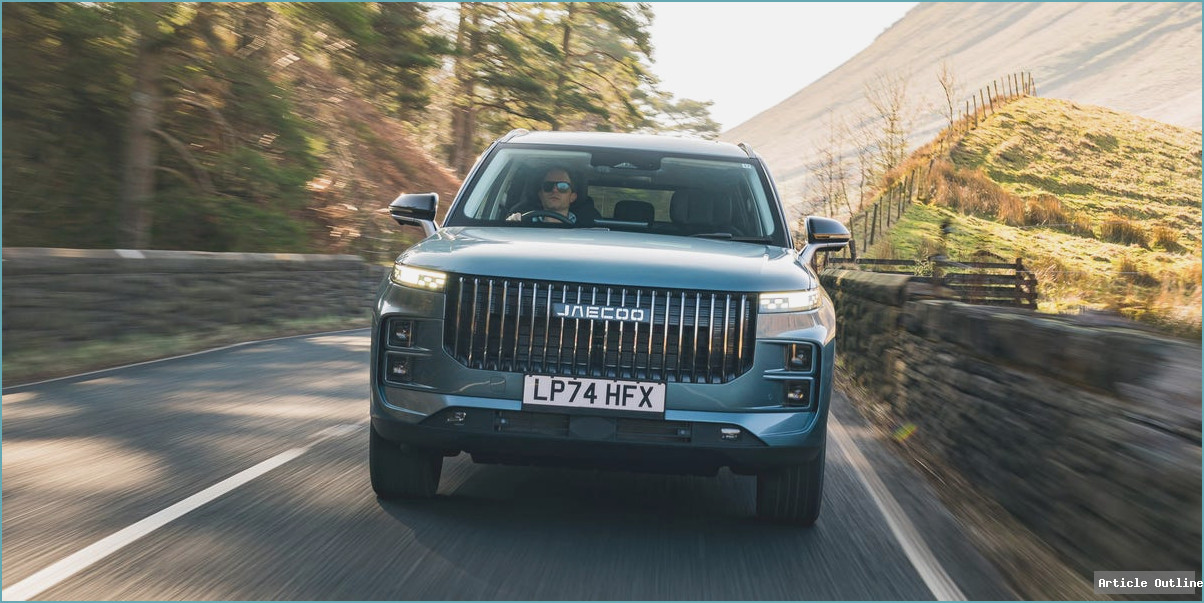
Let’s dig into what makes the Jaecoo 7 such a compelling—and potentially disruptive—entry, and why its arrival signals bigger changes in the global auto industry.
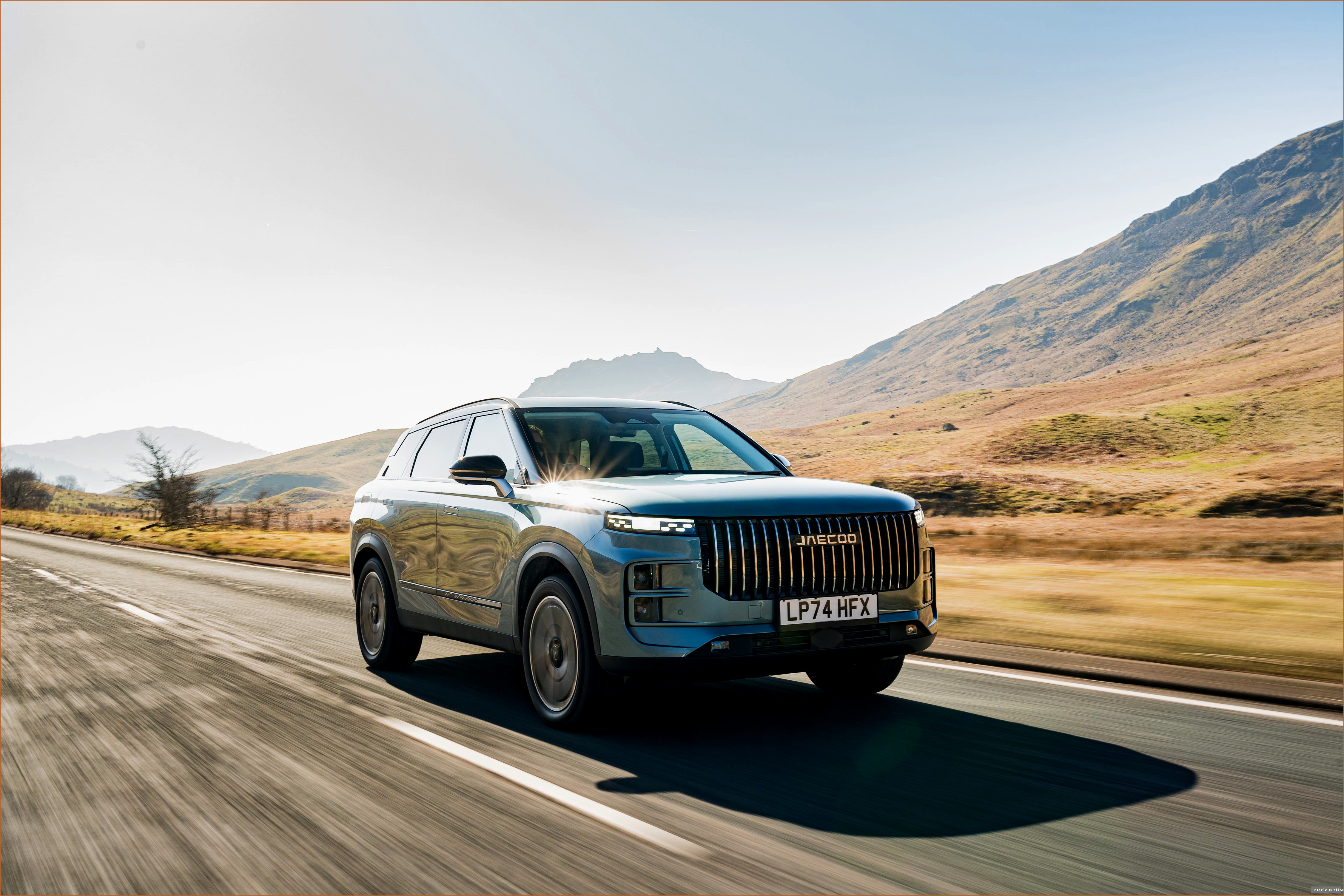
Why This Matters
- Affordable Electrification Without Going Full EV: While most automakers rush headlong into fully electric models, Jaecoo takes a nuanced approach. The 7 skips a pure EV variant, instead offering gas, hybrid, and plug-in hybrid (PHEV) powertrains. The PHEV’s electric-only range of about 50 miles is more than enough for most daily commutes, making it a practical bridge for buyers not ready for all-electric life.
- Chinese Automakers Are No Longer Underdogs: Jaecoo’s traction in the UK is fueled by competitive pricing (leasing for less than $400/month), larger size compared to rivals like the Ford Puma, and a design that’s “generically handsome”—think familiar premium cues without the premium badge.
- Tariffs Make a Difference: The UK’s relatively low 10% tariff on Chinese cars helps brands like Jaecoo undercut established players. If you’re wondering why you’re seeing more Chinese cars in Europe, there’s your answer.
What Most People Miss
- Design Inspirations: The Jaecoo 7’s D-pillar might look oddly familiar—it borrows heavily from the design language of certain British luxury SUVs. This isn’t just coincidence; it’s a calculated move to win over style-conscious buyers without the Range Rover price tag.
- Performance Priorities: With a combined output of 201 hp (in the PHEV), the Jaecoo 7 isn’t chasing speed demons. Instead, it’s targeting buyers who value space, efficiency, and affordability—arguably the sweet spot in the mainstream SUV market right now.
- Strategic Market Entry: By focusing on value and practical features rather than cutting-edge tech or luxury, Jaecoo positions itself as a smart alternative to legacy brands facing upward price creep.
Key Takeaways
- The Jaecoo 7 exemplifies the new breed of Chinese cars—well-built, competitively priced, and styled to appeal to Western tastes.
- Plug-in hybrids remain a major stepping stone for buyers and automakers alike, especially as pure EV adoption faces hurdles like charging infrastructure and cost.
- The impact of tariffs and trade policy on consumer choice is real and immediate, reshaping what’s available—and affordable—on the showroom floor.
Comparison: Jaecoo 7 vs. Ford Puma
- Price: Similar monthly cost to lease, but Jaecoo 7 offers more space and features.
- Size: Jaecoo 7 is notably larger, making it a better fit for families.
- Powertrain Choices: Puma lacks a PHEV option in many markets, while Jaecoo offers it out of the gate.
Pros & Cons
- Pros:
- Competitive pricing
- Versatile powertrain lineup
- Spacious and stylish design
- Cons:
- No full EV option (yet)
- Brand recognition still growing in Europe
The Bottom Line
The Jaecoo 7 is not just a sign of things to come—it’s the proof. Chinese automakers are leveling up fast, and Western consumers, whether they realize it or not, are about to have a lot more choice. If you’re shopping for a practical, affordable SUV that doesn’t look out of place in a premium car park, the Jaecoo 7 deserves a serious look. As for traditional brands? They’re officially on notice.