The 2026 Lexus ES EV isn’t just a new electric sedan—it’s a radical pivot for the brand, stepping into the void left by the departing LS flagship. With the sedan market shrinking and electrification surging, Lexus is betting big by making the ES not only its volume seller but also its standard-bearer for luxury and innovation. But can it really wear both hats?
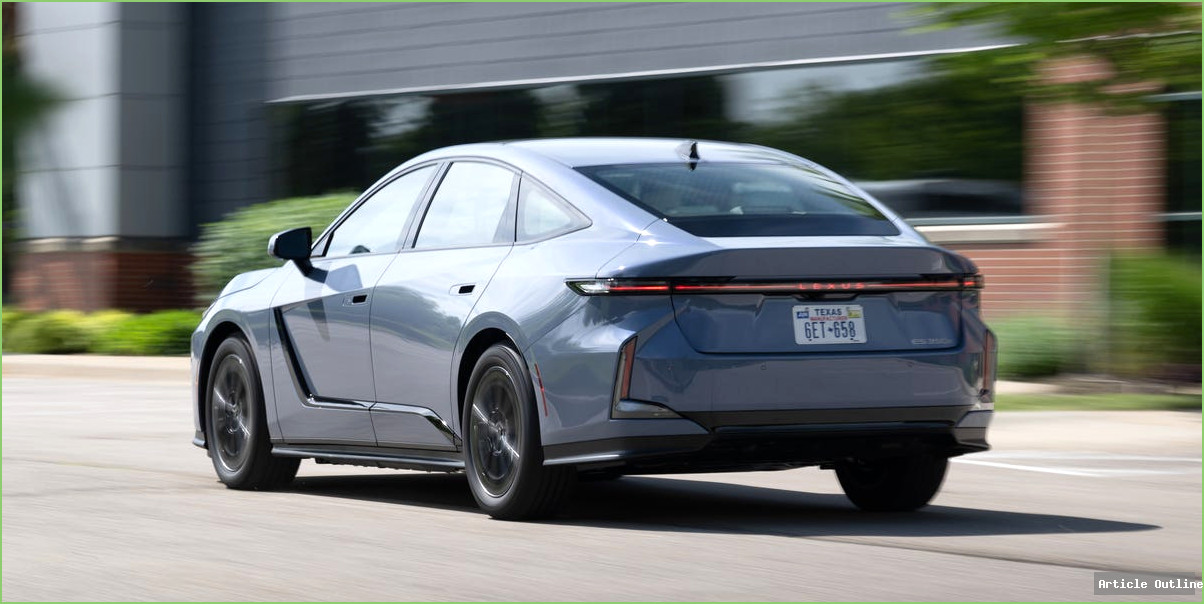
Let’s break down why this is a seismic shift in Lexus strategy, what the 2026 ES EV gets right (and wrong), and why the industry should pay close attention—even if you’re not a Lexus loyalist.

Why This Matters
- Flagship Farewell: With the iconic LS bowing out, the ES must bridge the gap between mass-market sedan and luxury leader—a rare feat in the automotive world.
- Electrification with a Value Focus: Priced aggressively under $50,000 (base), the ES350e undercuts most luxury EV rivals, including the Tesla Model 3, while offering genuine luxury space and comfort.
- Industry Benchmark Shift: Lexus’s move may signal a new norm: luxury brands consolidating lineups and using mid-size platforms for their highest-tech, most aspirational offerings.
What Most People Miss
- EV Flagship Isn’t Just About Acceleration: The ES EV doesn’t chase Tesla-style 0-60 bragging rights. Instead, it leans into Lexus’s core strengths—quietness, ride comfort, and plush interiors.
- Back Seat Luxury Returns: The available Executive rear-seat package (think ottoman, power adjustment, heated/ventilated seats) is a direct nod to classic LS buyers and chauffeur-driven sensibilities—rare at this price point.
- Charging and Range Reality: The 67-kWh battery and 150-kW DC fast charging are behind class leaders. Real-world range (230–250 miles) is decent but not groundbreaking. However, the standard NACS port means direct access to Tesla Superchargers—a key advantage in the U.S. infrastructure race.
Key Takeaways and Analysis
- Value vs. Performance: The ES EV is not a performance EV (0–60 in 4.9–6.6 seconds), but it delivers flagship-level space and refinement for thousands less than German rivals.
- Luxury That’s Still Accessible: Even loaded, the ES500e’s $63,000 price tag is a steal when you consider the size, quality, and tech—especially for buyers who prioritize serenity over speed.
- Toyota/Lexus EV Tech Lag: Compared to the BMW i5 or Mercedes EQE, Lexus’s battery, range, and charging speeds are a generation behind. But reliability and comfort may win over a different crowd.
- Practical Electrification: The ES EV is quieter (66 dB at 70 mph), roomier (53/48 ft³ front/rear), and more comfortable than almost any rival at this price.
Specs & Stats Visual Summary
- Base Price: $48,895 (ES350e) / $60,295 (ES500e)
- Range: 230–250 miles real-world (up to 307 miles EPA est. for ES350e)
- Charging: 150 kW DC fast charging (10–90% in 32 minutes)
- Curb Weight: 4,632–4,943 lbs
- 0–60 mph: 6.6 sec (ES350e) / 4.9 sec (ES500e)
- Noise Level: 66–67 dB at 70 mph
Comparison Snapshot: 2026 Lexus ES EV vs. Rivals
| Model | Base Price | EPA Range | 0–60 mph | Luxury Features |
|---|---|---|---|---|
| Lexus ES350e EV | $48,895 | 307 mi | 6.6 sec | Exec rear seat, wood trim |
| Tesla Model 3 LR | $47,740 | 341 mi | 4.2 sec | Minimalist, high tech |
| BMW i5 eDrive40 | $67,795 | 295 mi | 5.7 sec | Sporty, premium cabin |
| Mercedes EQE 350+ | $74,900 | 305 mi | 6.2 sec | Avant-garde, plush |
Pros & Cons
- Pros:
- Superb ride and silence
- Flagship rear-seat options
- Unbeatable value for size/luxury
- Direct Tesla Supercharger access
- Cons:
- Range and charging tech lag rivals
- Less sporty than premium German EVs
- Somewhat awkward proportions
- No true one-pedal driving mode
The Bottom Line
The 2026 Lexus ES EV may not win over Tesla diehards or performance enthusiasts, but it redefines what a mainstream luxury flagship can be in the electric era. If you want serene comfort, a plush cabin, and flagship-level rear-seat features—without spending $80,000+—this is the sleeper EV to watch. Lexus’s conservative approach to EV tech is both its strength (reliability, polish) and its Achilles heel (charging/range), but as the only luxury EV in its class with this blend of value and refinement, the ES EV is in a league of its own.
Action Steps for Potential Buyers
- Prioritize what matters: Range and charging speed, or comfort and value?
- Test drive both single-motor and dual-motor variants to feel the difference in ride and acceleration.
- Compare rear-seat options—this is where the ES EV really shines for those who regularly have adult passengers.
- Factor in charging infrastructure (NACS port = Tesla Supercharger access).