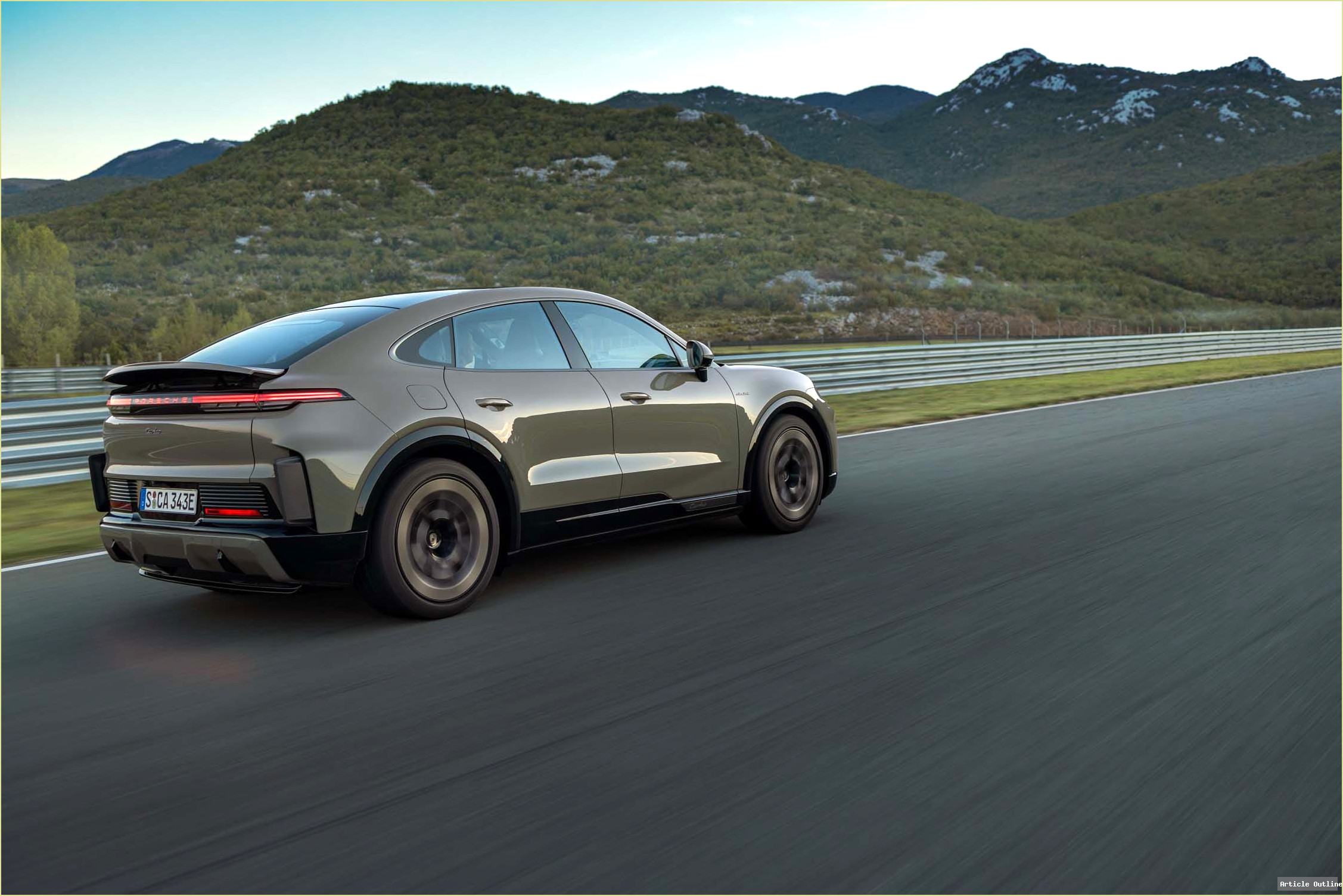
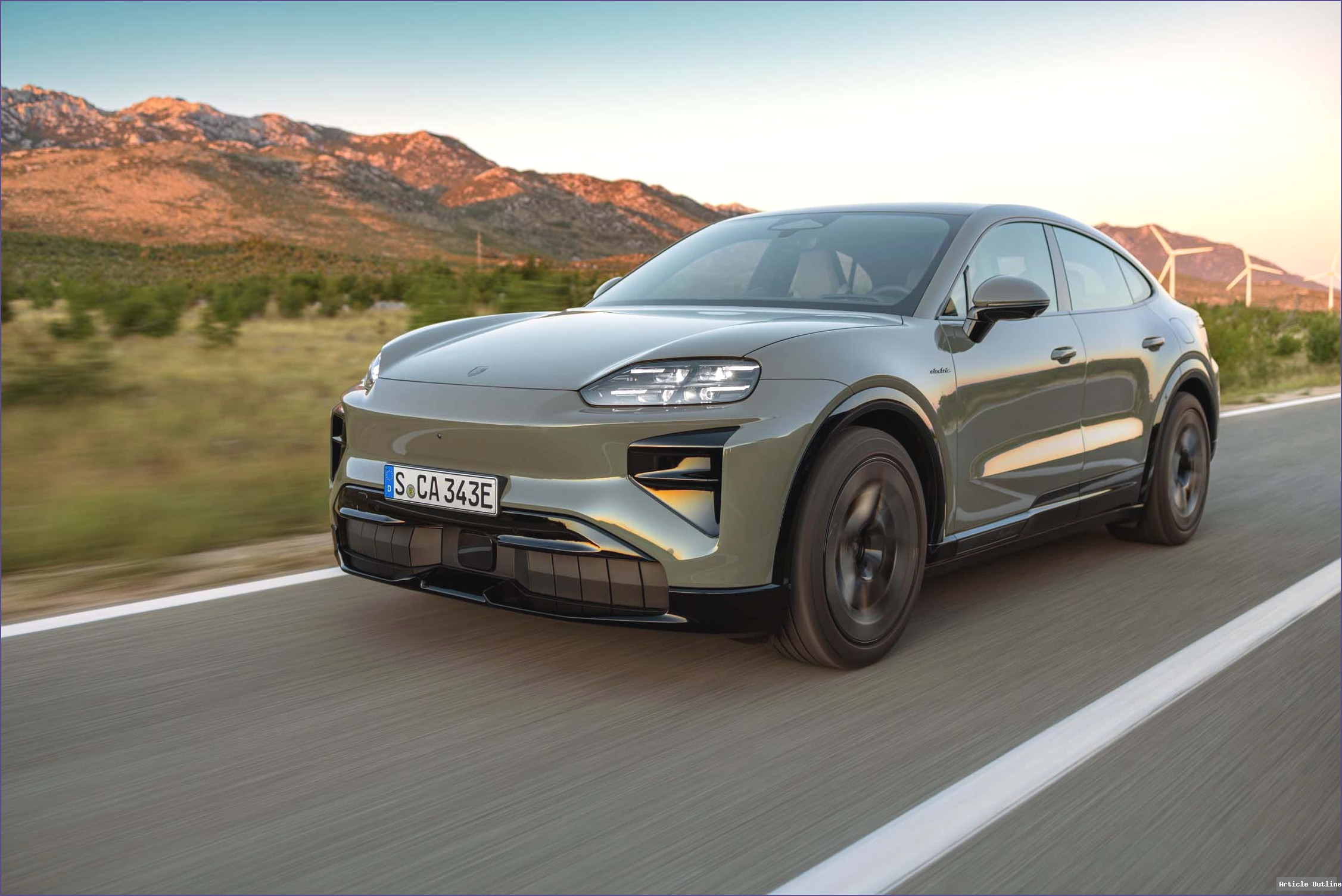
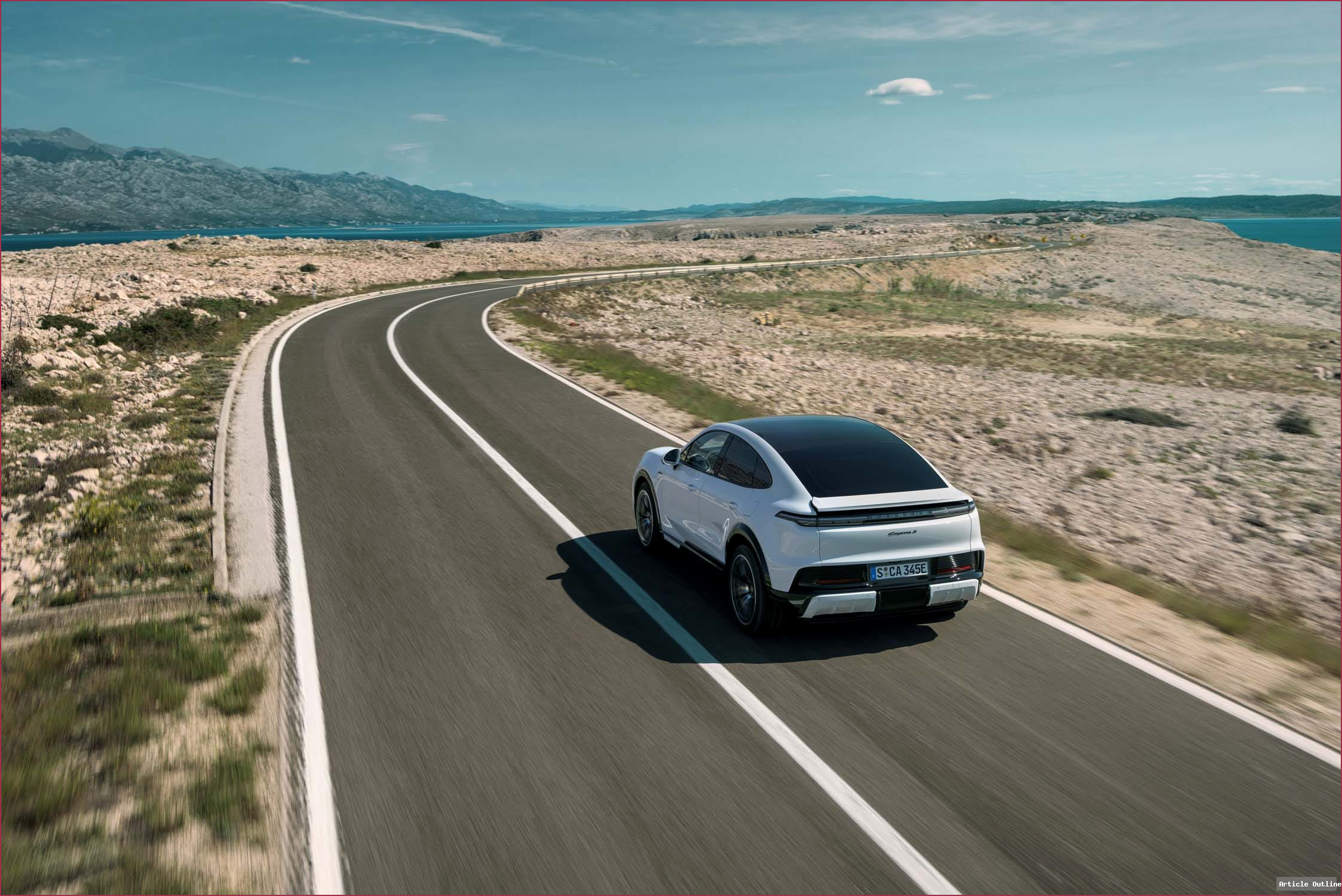
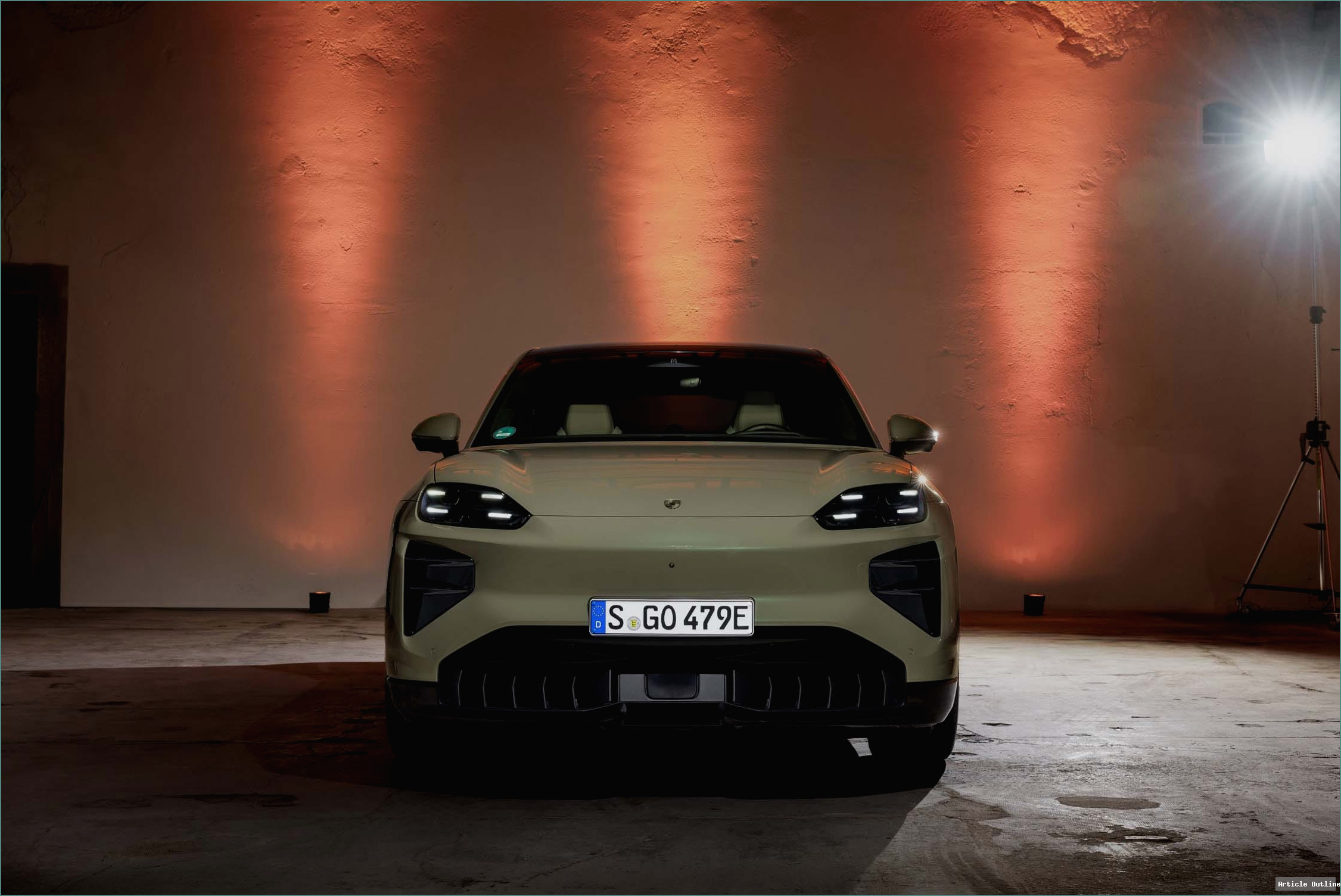
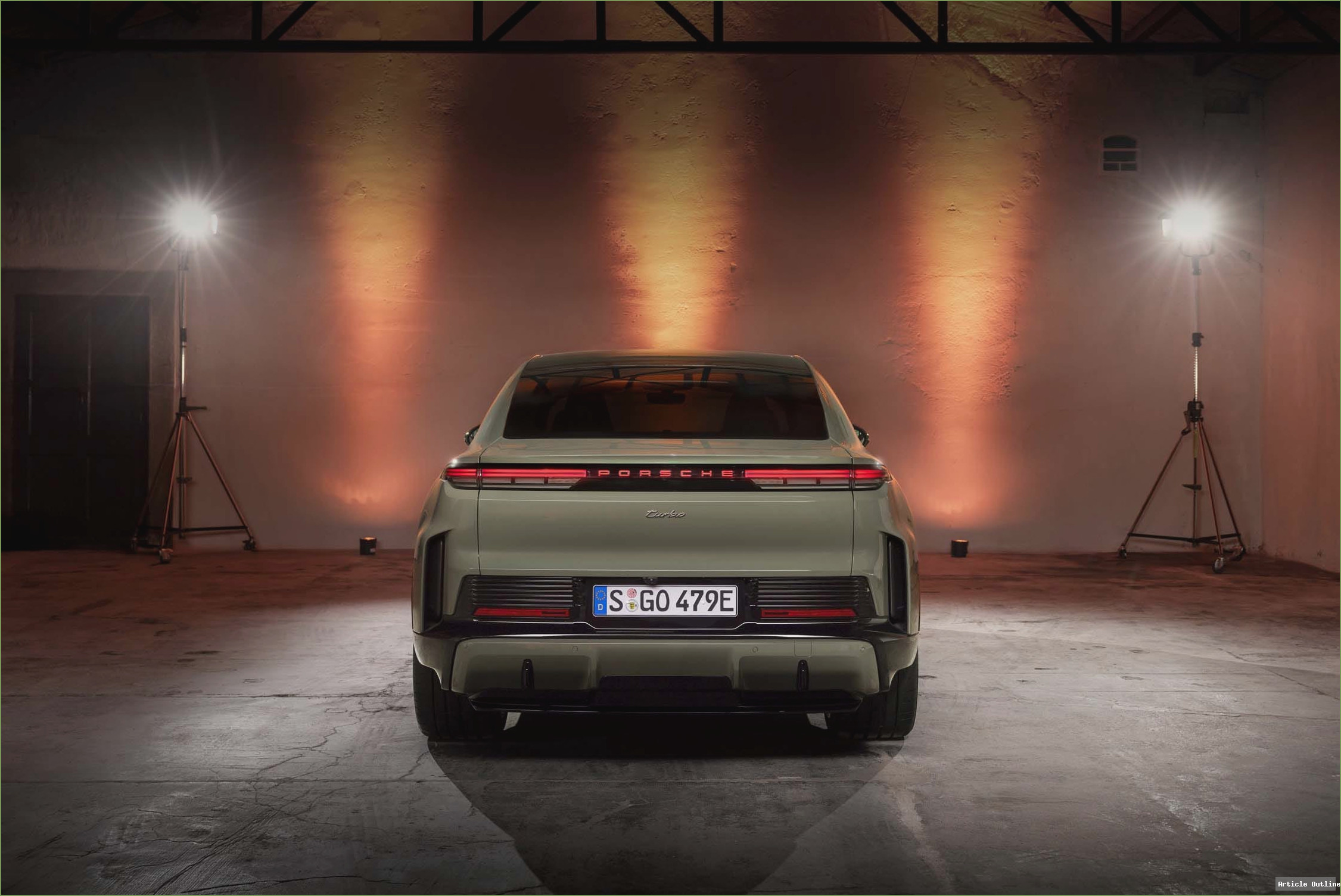
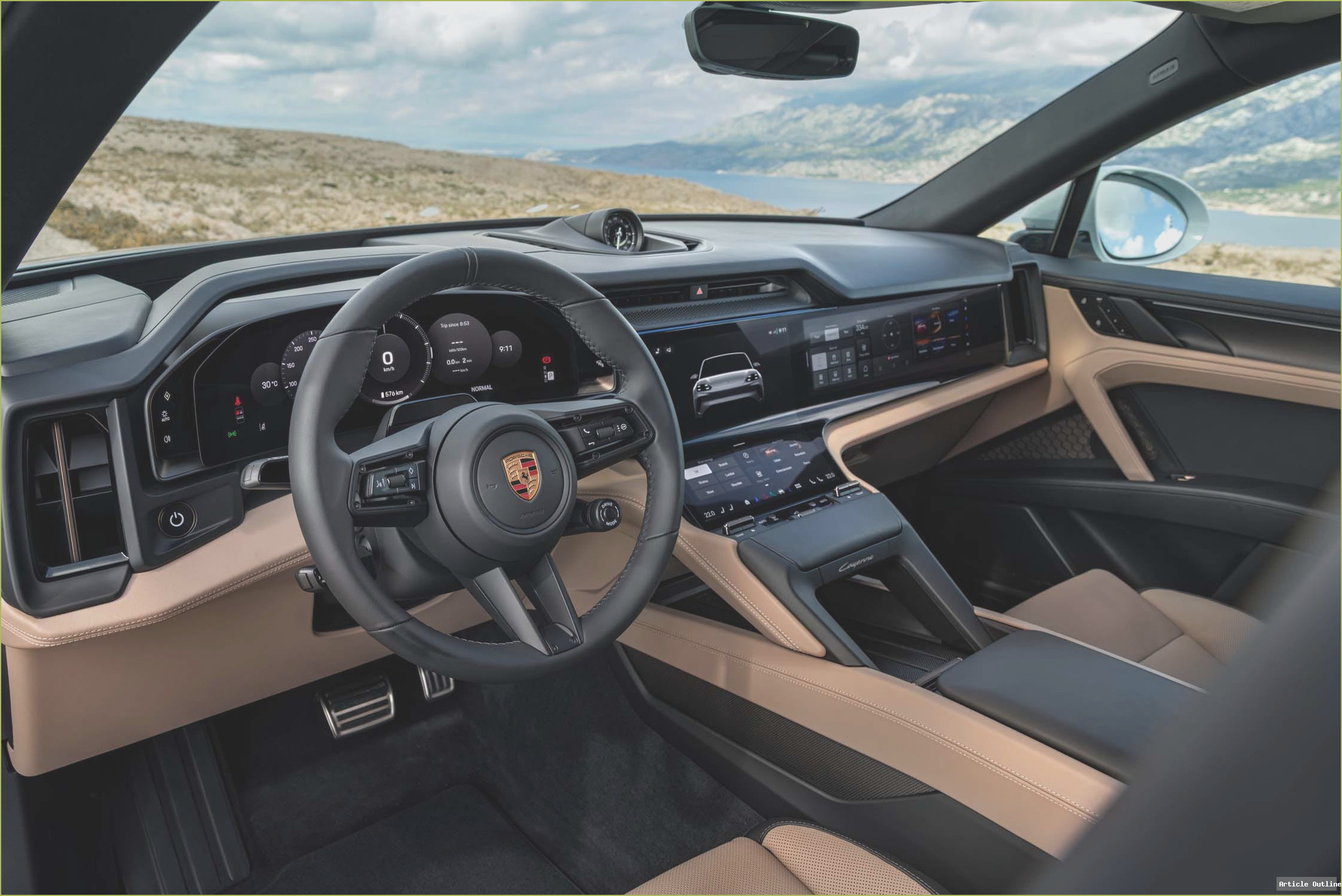
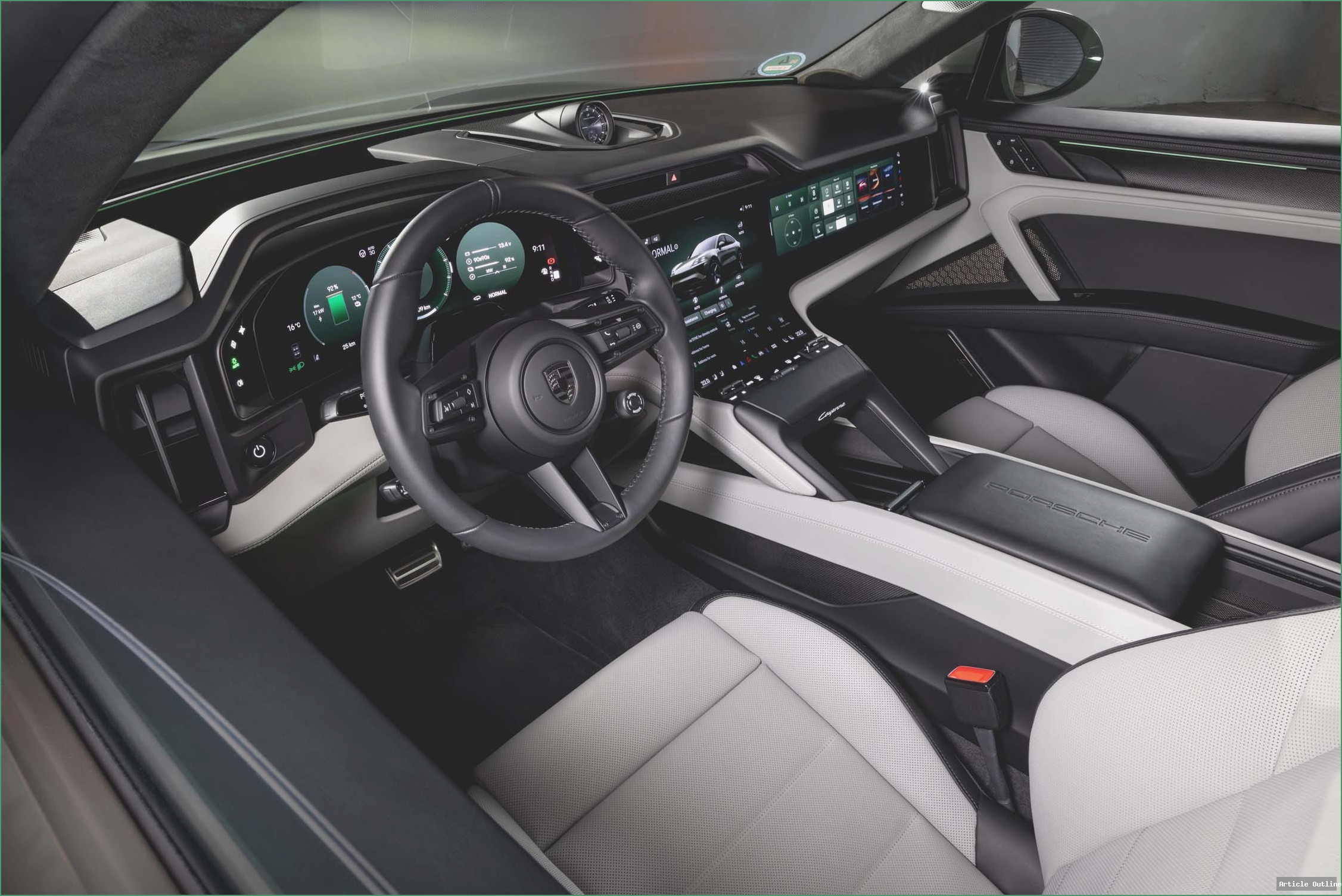
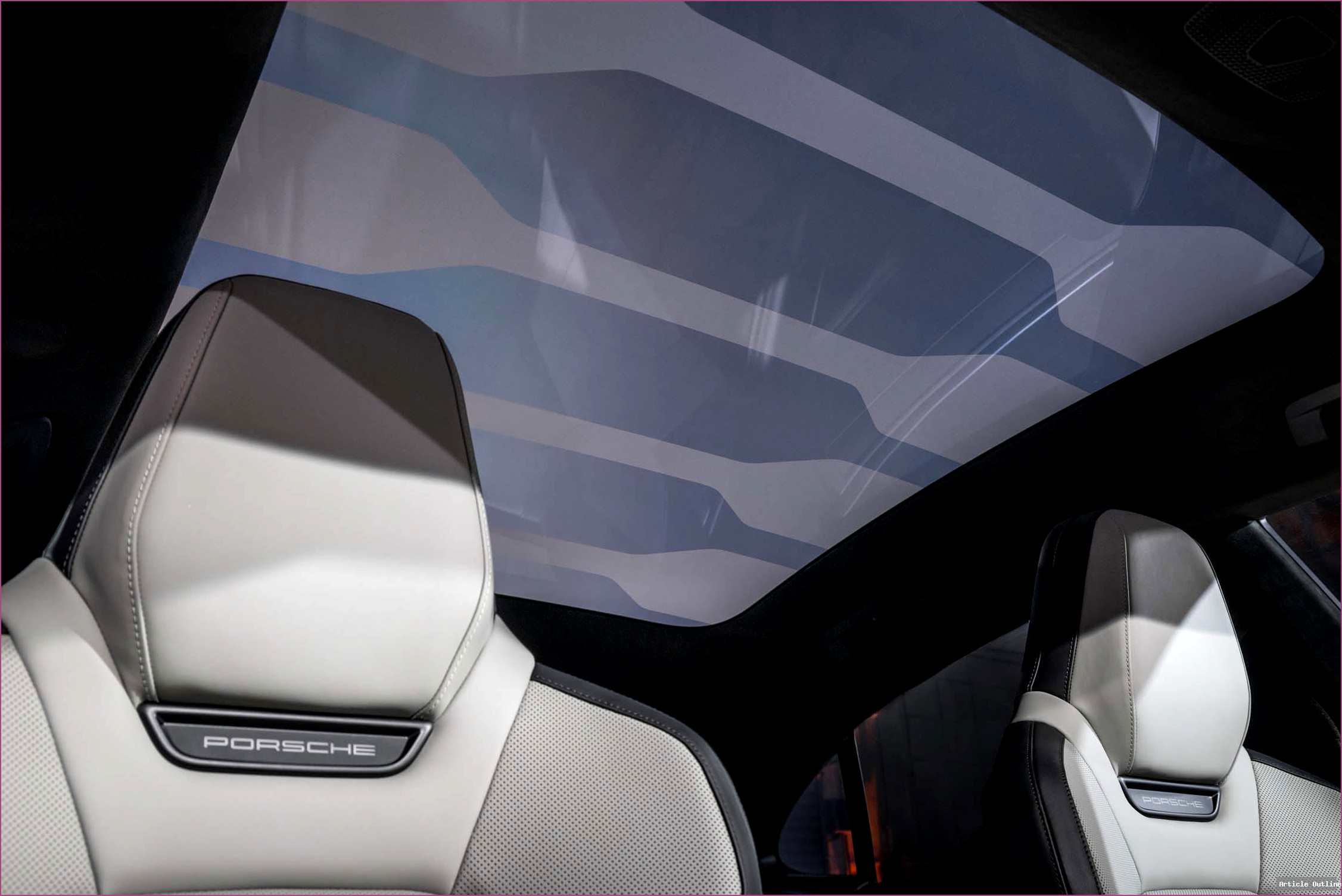
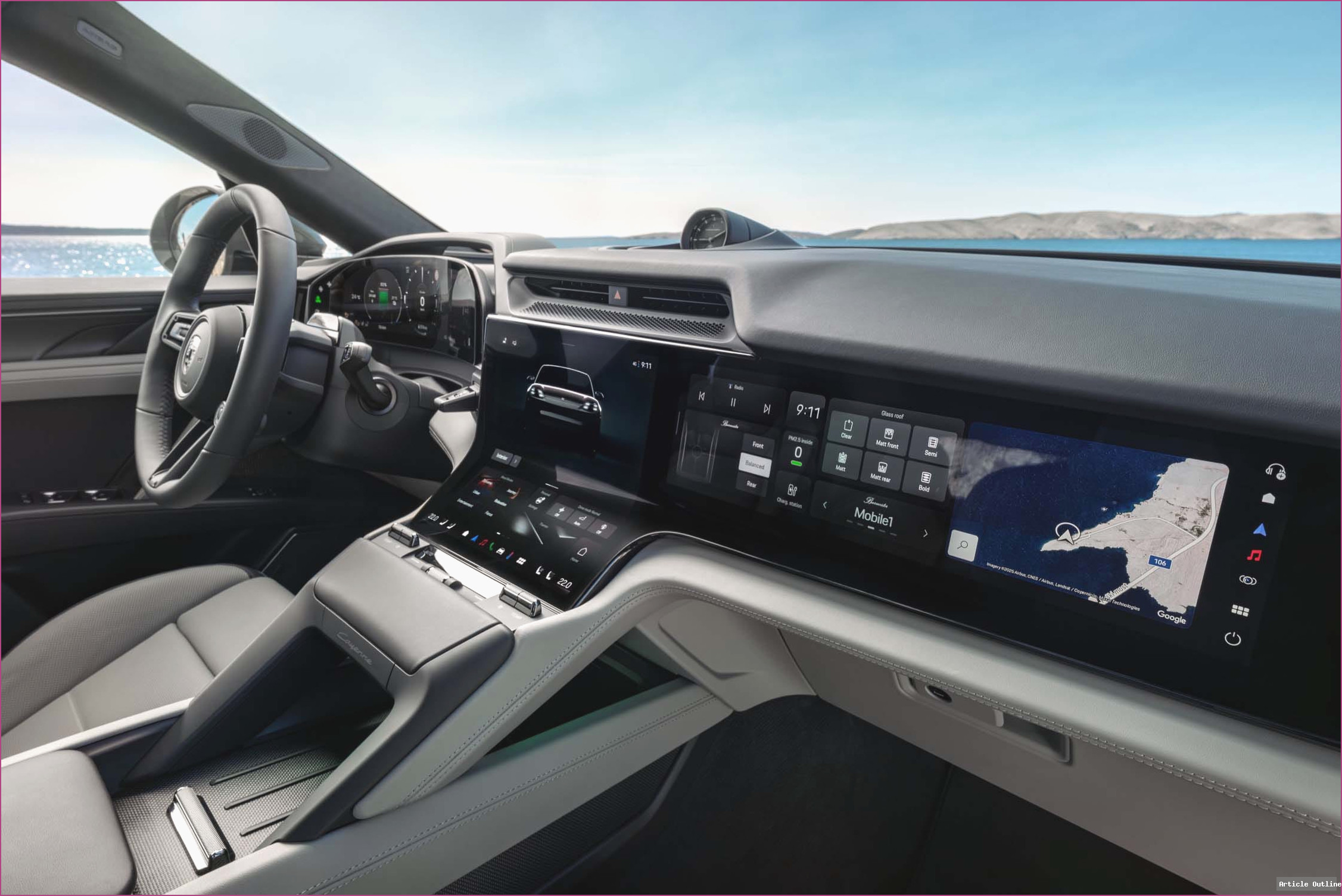
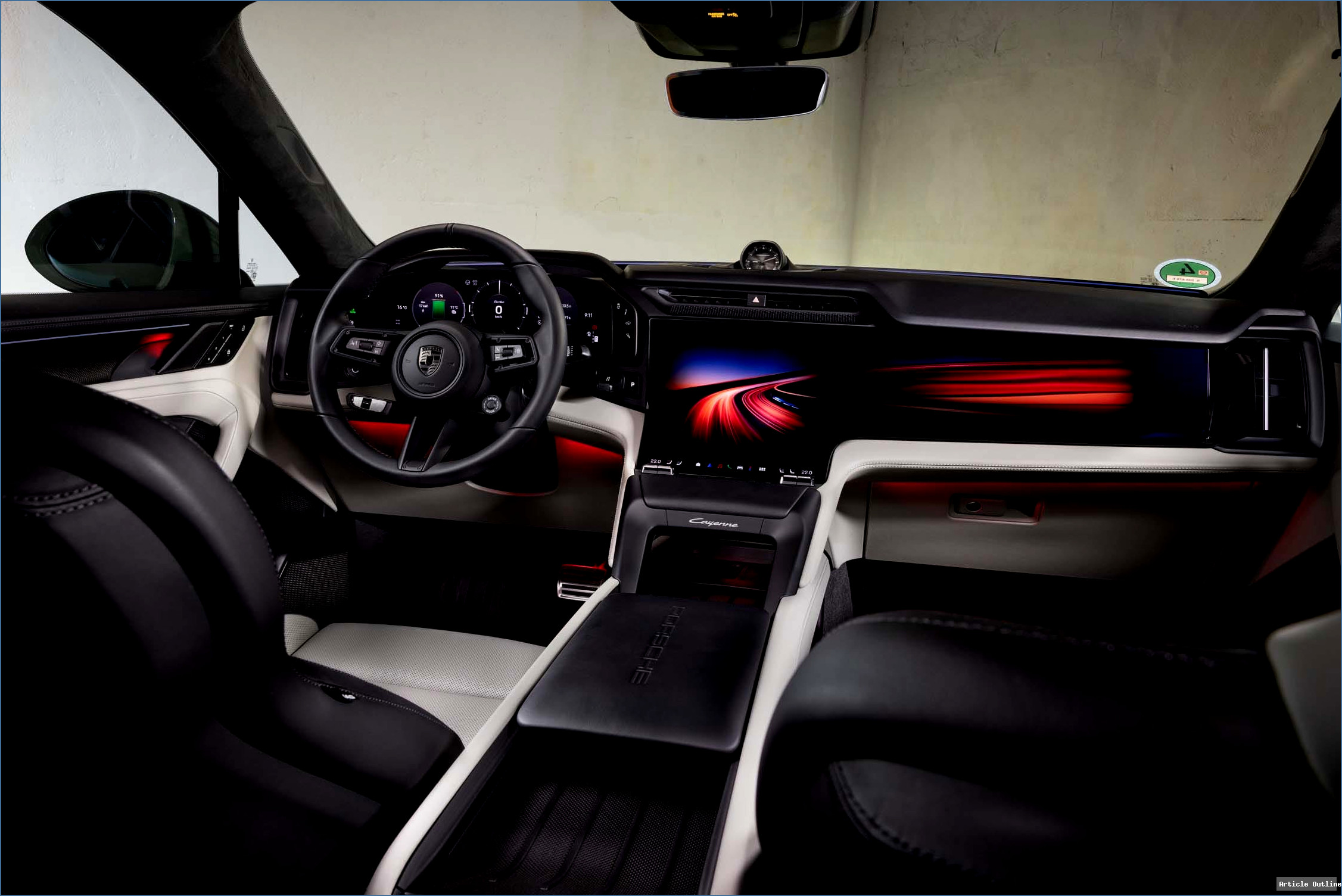
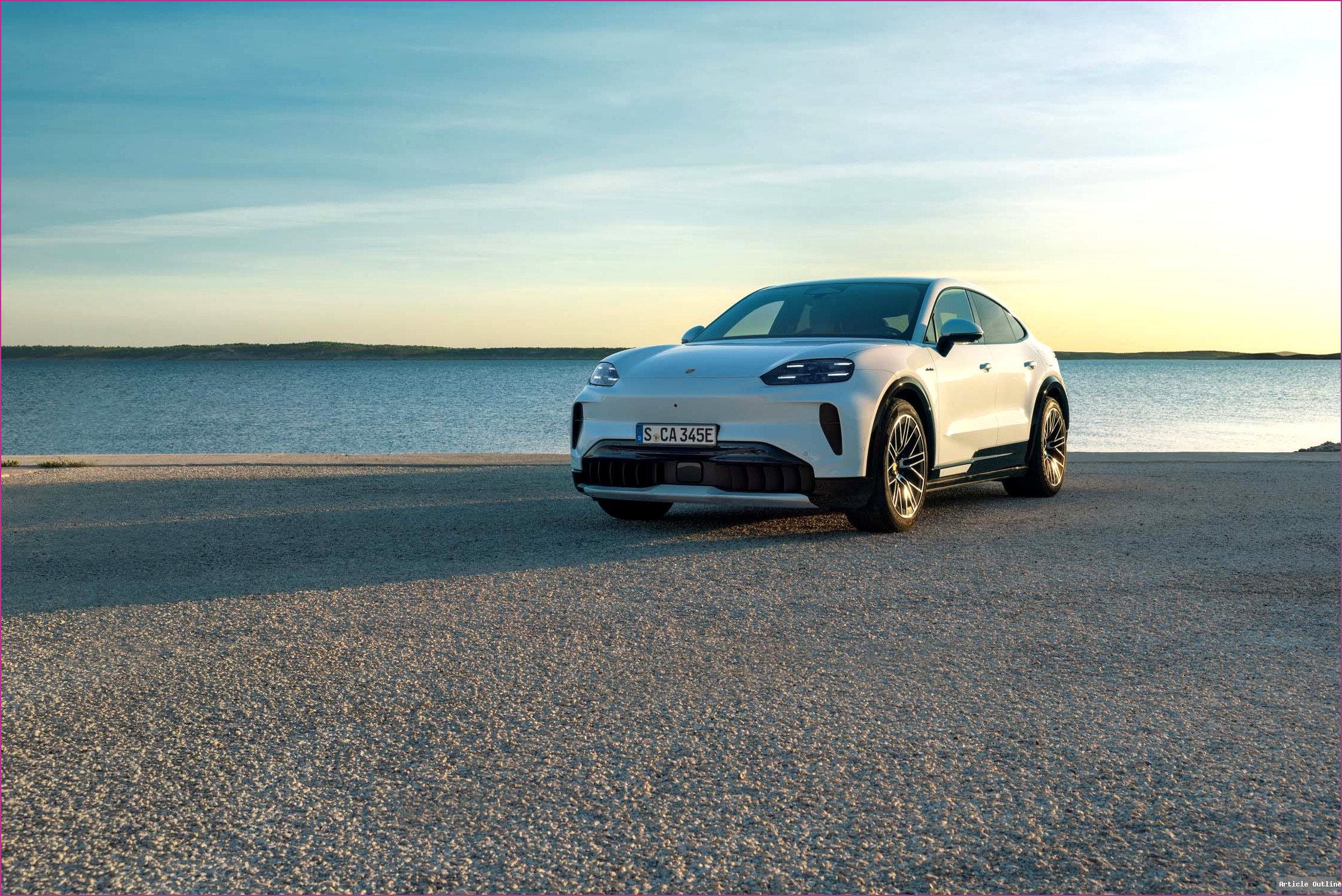
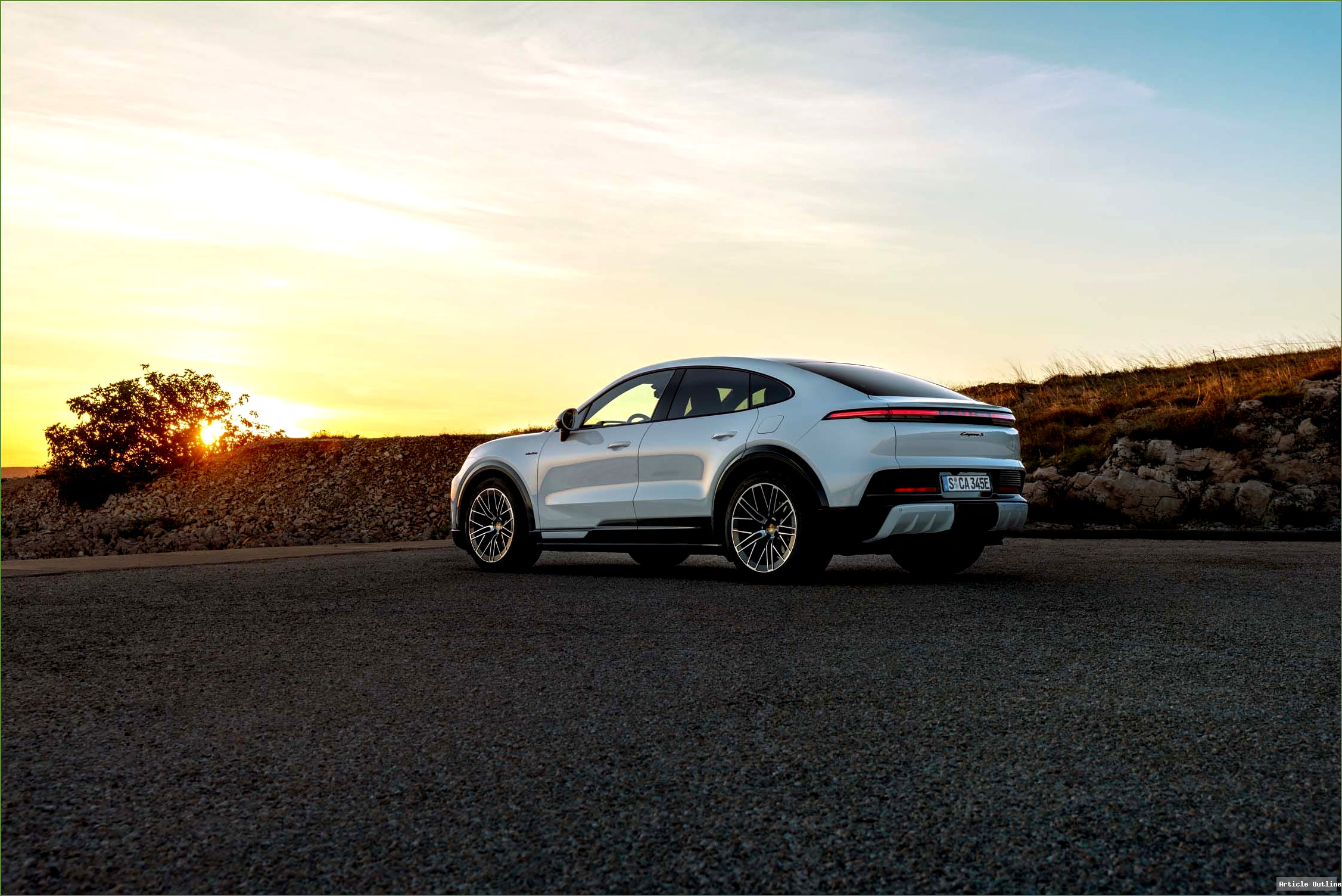
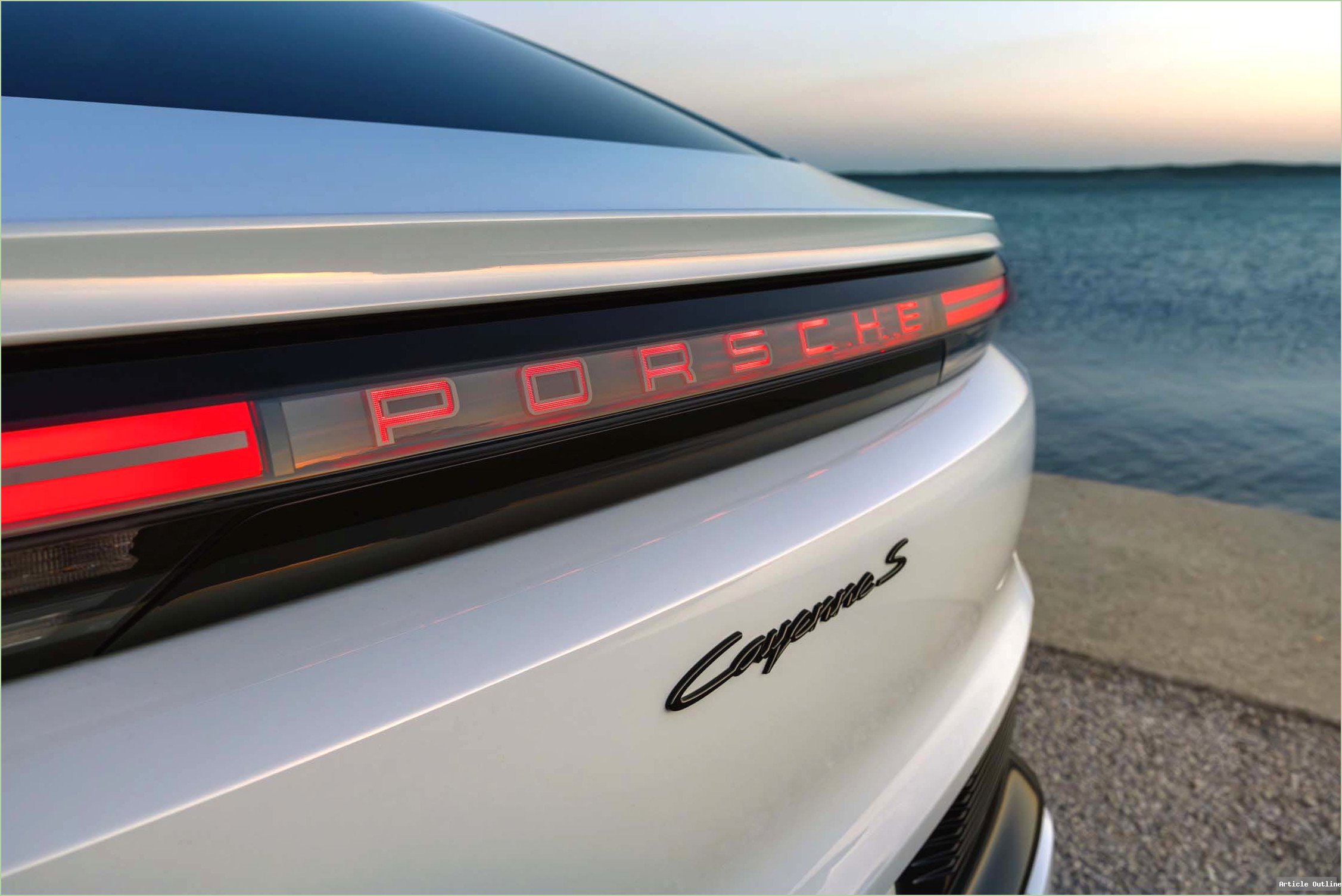
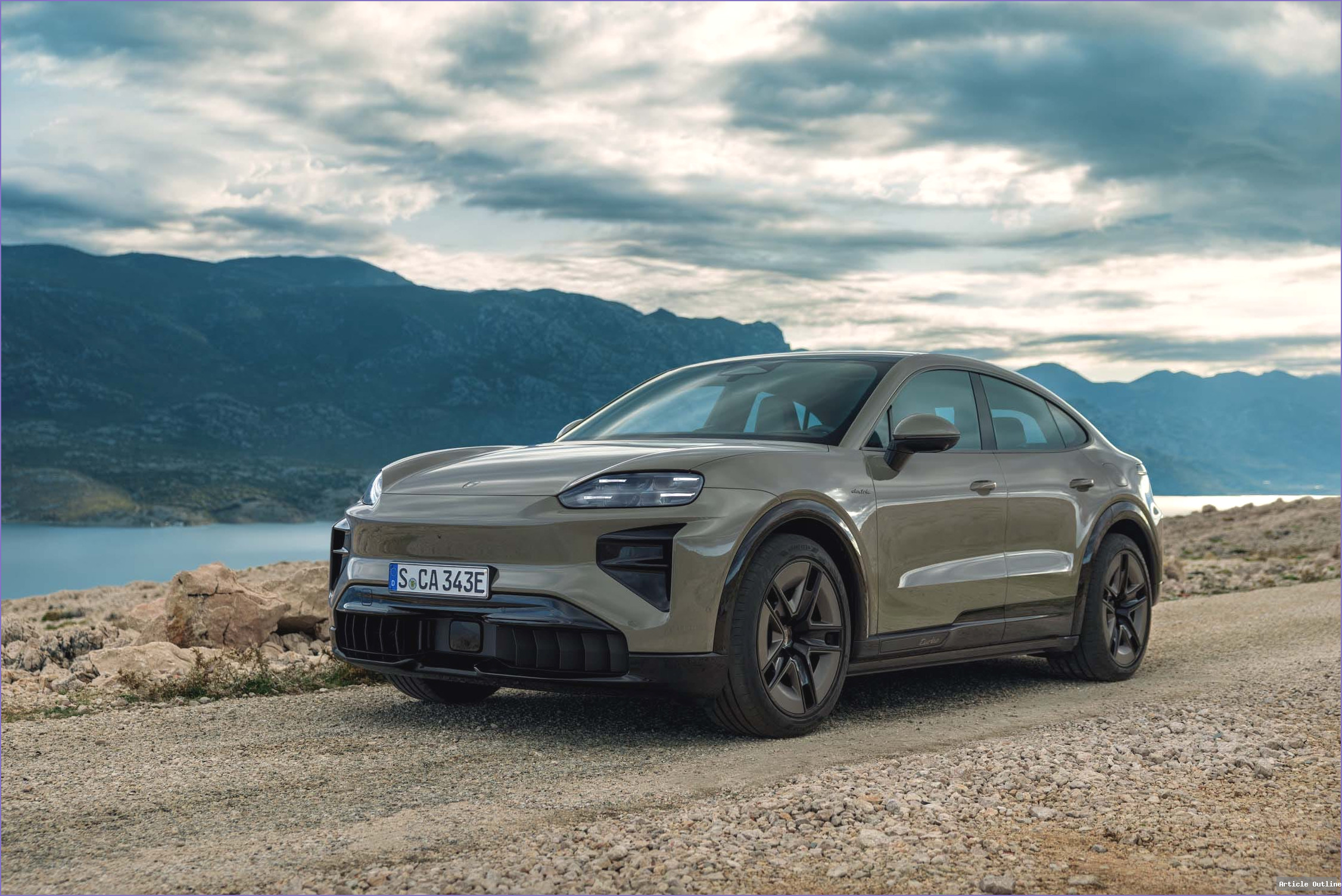
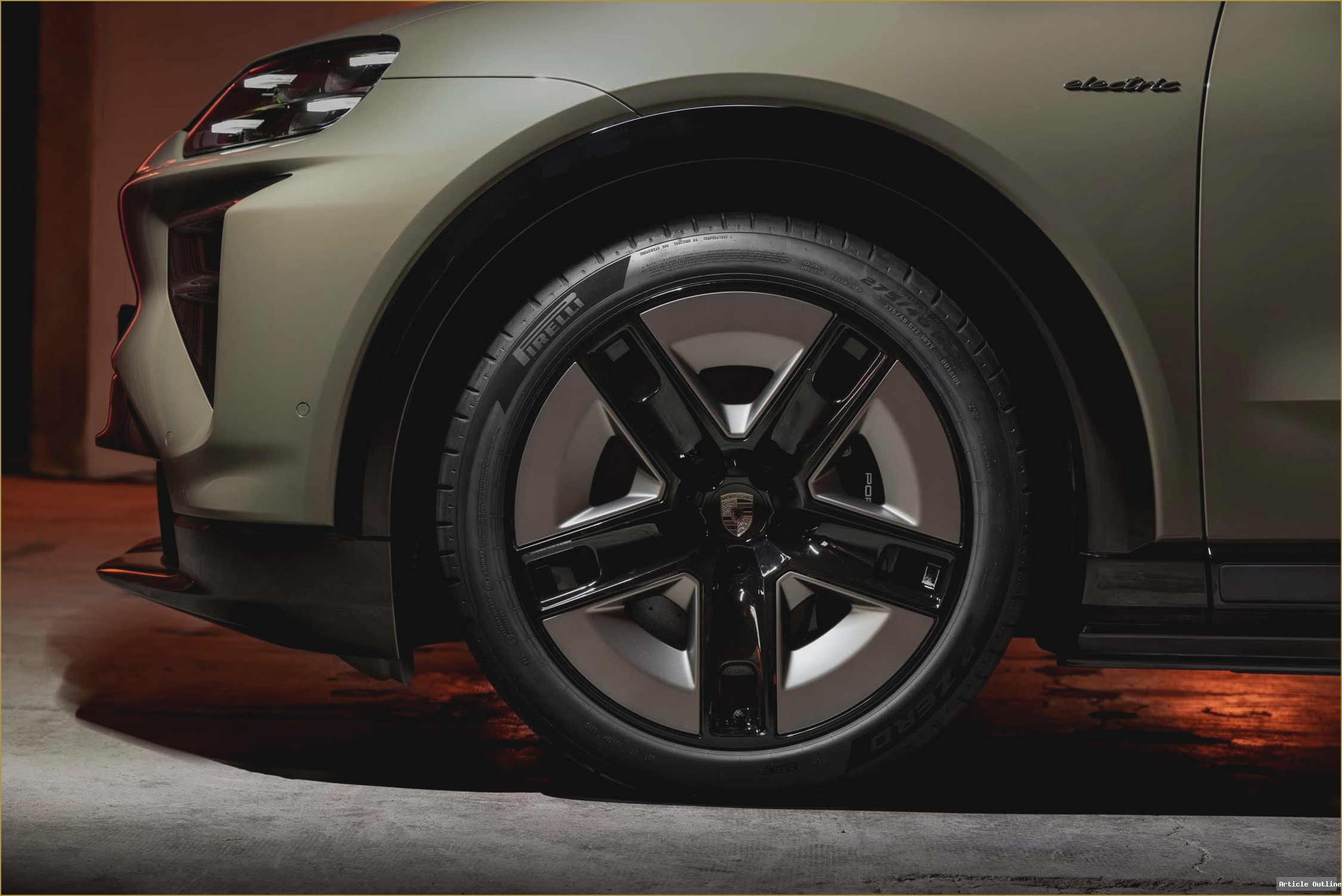
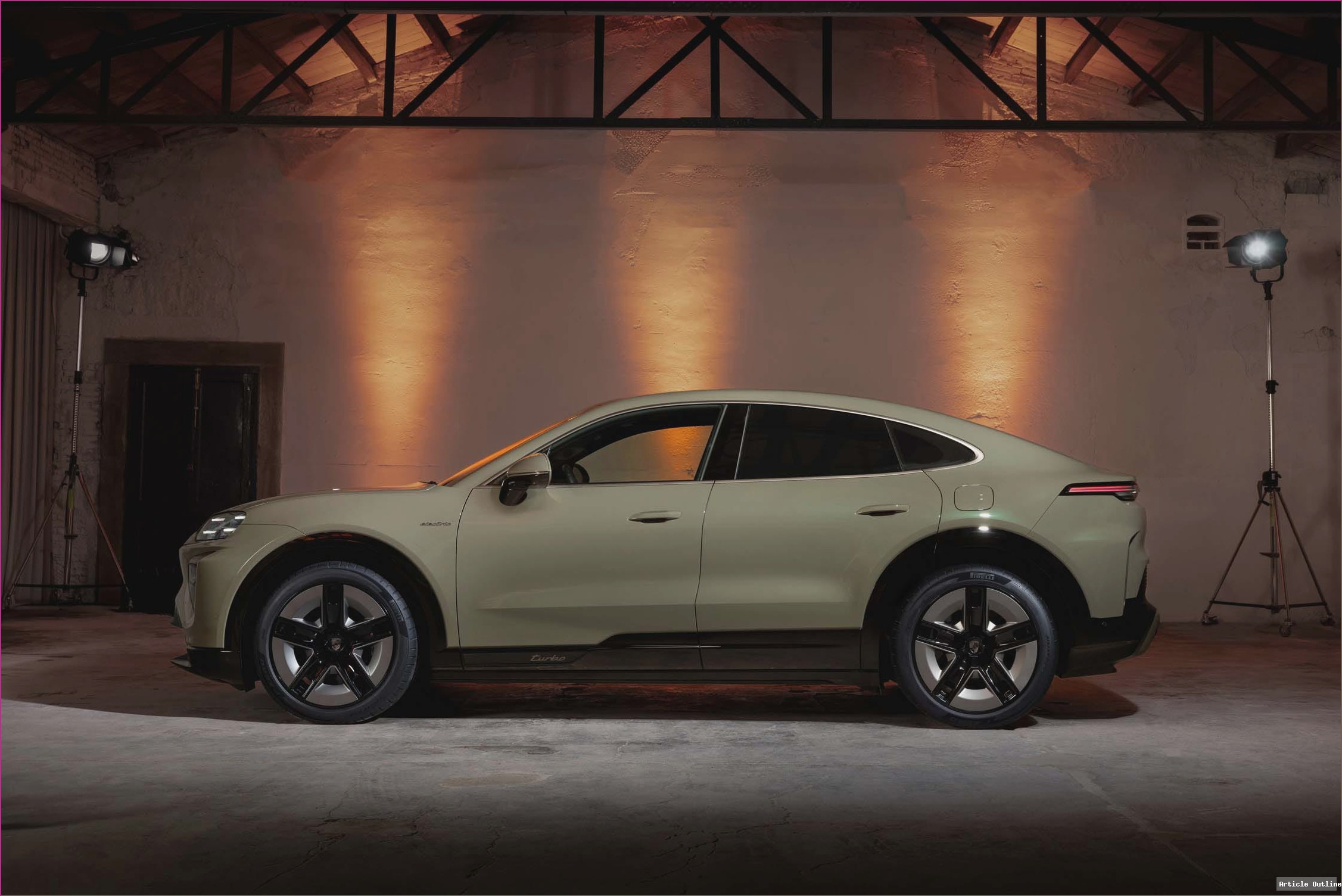
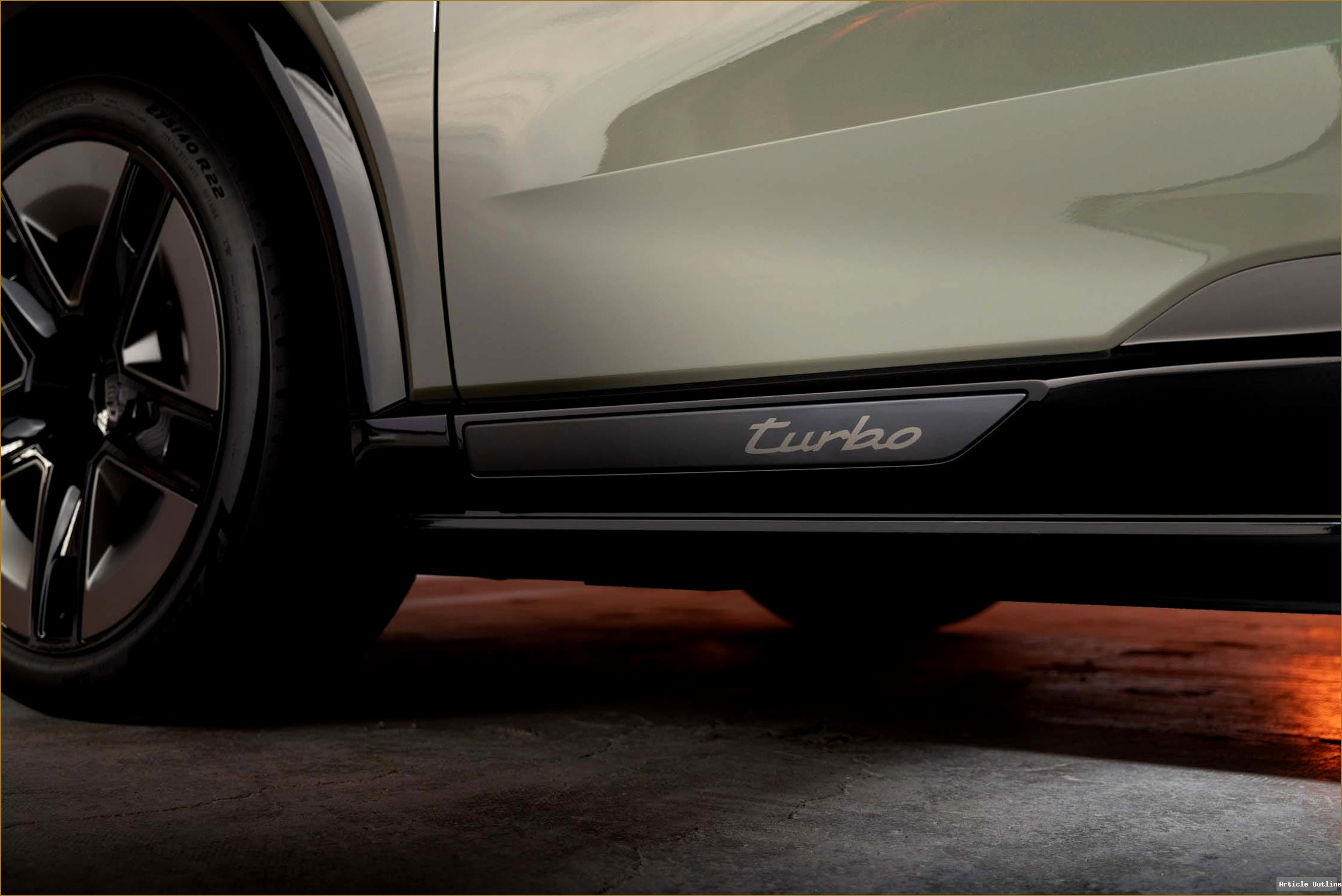
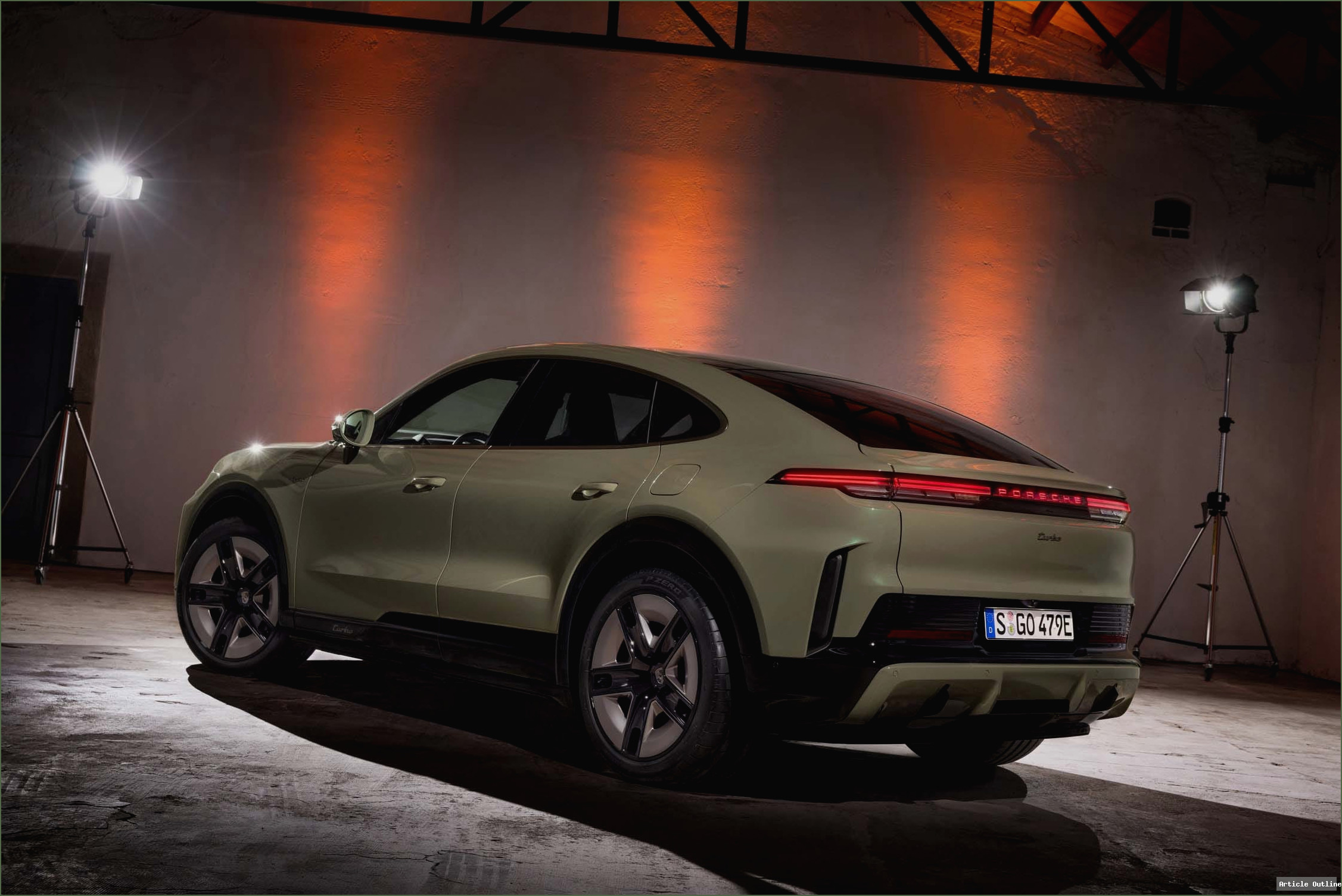
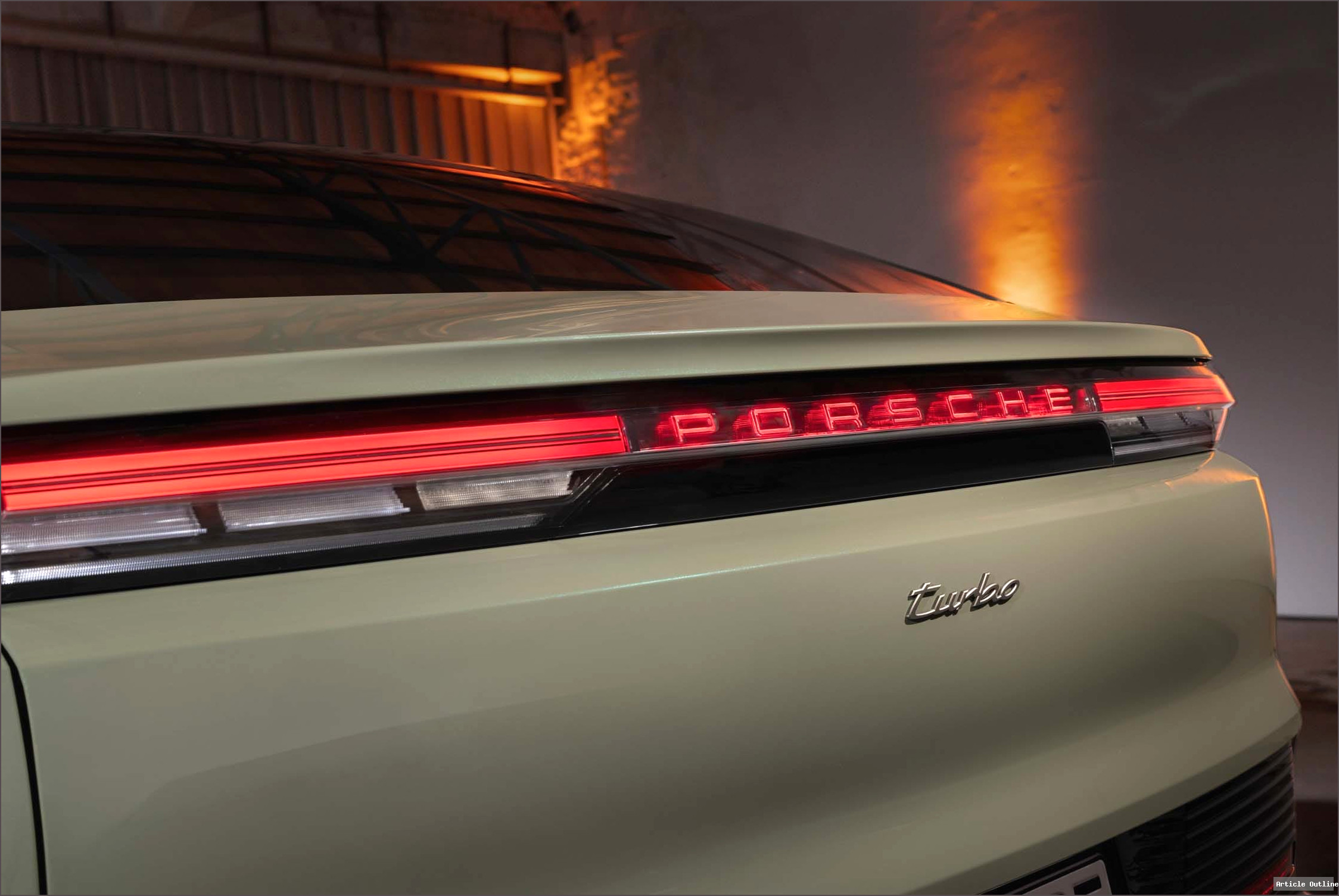
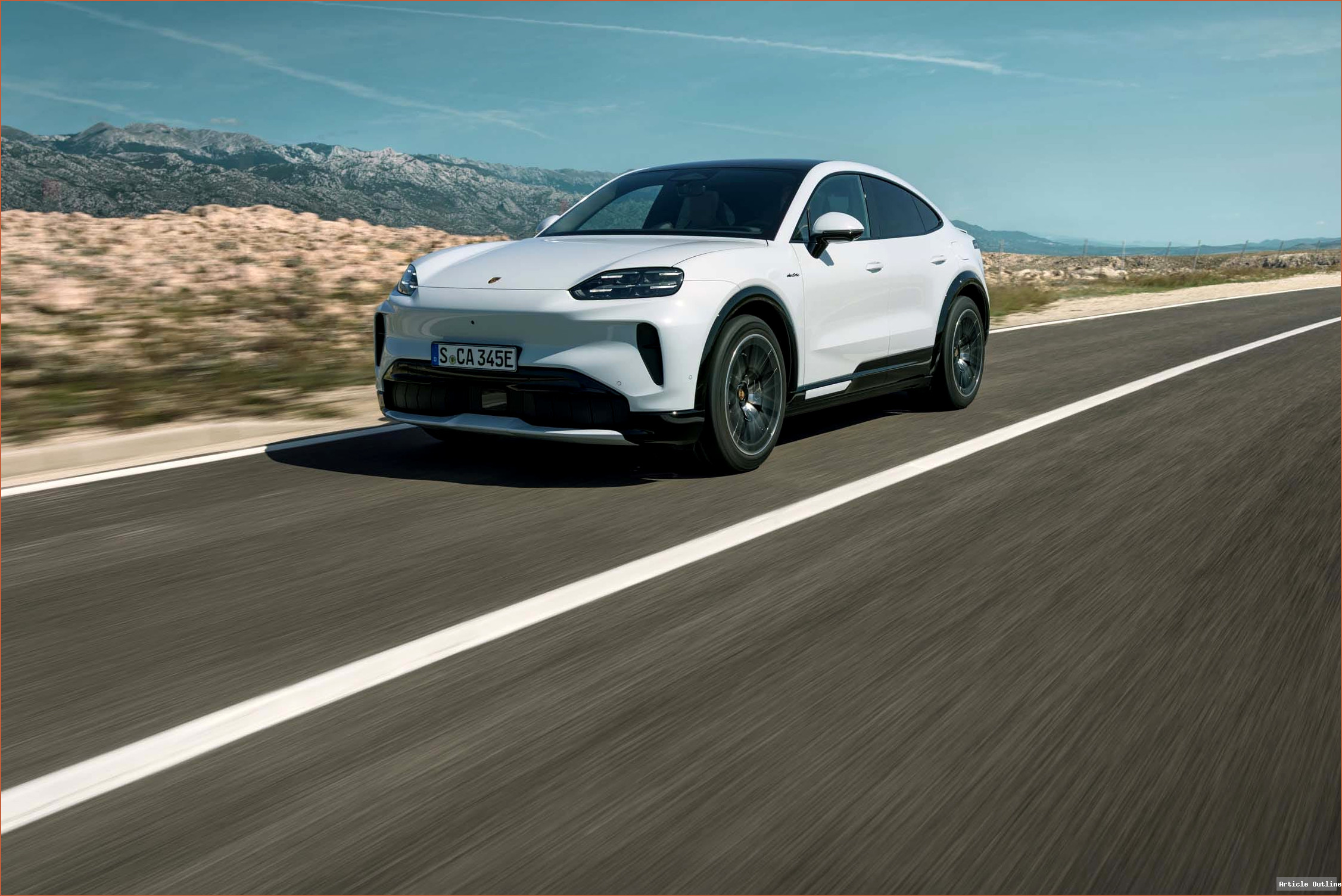
The 2026 Porsche Cayenne Coupe Electric isn’t just another luxury SUV—it’s a critical marker in the evolution of high-performance electric vehicles (EVs). Porsche is blending aggressive coupe styling, blistering acceleration, and technical innovation to push the envelope for what an electric SUV can be. Let’s dig into why this new Cayenne Coupe Electric actually matters, what’s lurking beneath the surface, and what you need to know before this EV hits the streets.
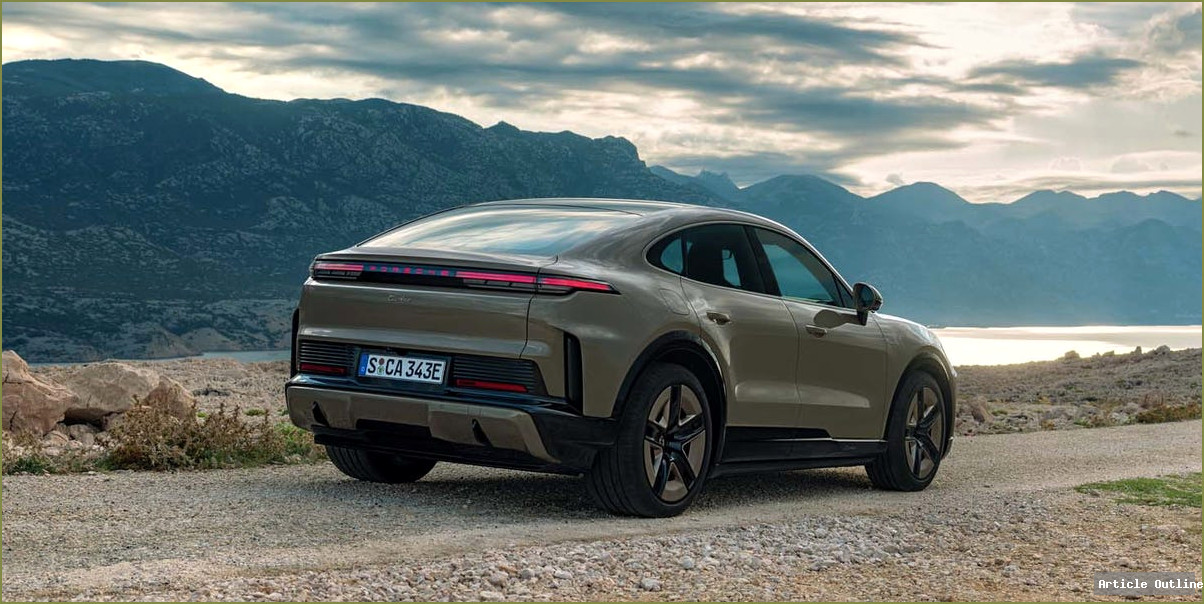
Why This Matters
- Porsche is redefining luxury electric SUVs by merging the brand’s iconic driving experience with zero-emissions technology.
- The Cayenne Coupe Electric isn’t just a copy-paste of the regular Cayenne EV—it’s a more aerodynamic, stylish, and, frankly, more daring take on what an electric Porsche can be.
- With a 0-60 mph time as quick as 2.4 seconds in Turbo trim, this SUV is poised to give even dedicated sports cars a run for their money.
- 800-volt architecture and 400kW charging signal Porsche’s commitment to both performance and practicality, tackling one of the biggest pain points of EV adoption: charging speed.
What Most People Miss
- Aerodynamics isn’t just about looks: The Coupe’s roofline drops an inch versus the standard Cayenne Electric, giving it a drag coefficient of 0.23 (compared to 0.25). That’s a big deal for range and efficiency at Autobahn speeds.
- Practicality is still top-notch: Despite the coupe styling, towing capacity remains a solid 7,716 pounds. The Cayenne Coupe Electric isn’t sacrificing utility for style.
- Tech isn’t reserved for the top models: Rear-wheel steering and air suspension come standard, while advanced systems like Active Ride and Torque Vectoring Plus are available on S and Turbo trims, keeping Porsche’s legendary handling alive—even in a family hauler.
Key Takeaways & Expert Analysis
- Performance Spectrum: From 435 hp (base) to a wild 1,139 hp (Turbo), with 0-60 mph in 4.5 to 2.4 seconds—this lineup covers everyone from daily drivers to track-day enthusiasts.
- Price Tag: Starting at $116,150 for base, $133,550 for S, and $170,350 for Turbo, the Coupe commands a $4,800 premium over the regular Cayenne Electric. That’s not pocket change—but for Porsche buyers, exclusivity and style matter.
- Charging Revolution: The 800V system and 400kW DC charging are industry-leading, outpacing rivals like the BMW iX and Mercedes EQE SUV, which typically max out well below 300kW.
- Market Positioning: Porsche is targeting drivers who want the latest in EV tech but refuse to compromise on driving thrills or brand cachet. It’s a direct shot at Tesla Model X Plaid buyers, but with a distinctly European flavor.
How the Cayenne Coupe Electric Compares
- Tesla Model X Plaid: 1,020 hp, 2.5s 0-60 mph, $94,990 base—but lacks Porsche’s premium build and dynamics.
- BMW iX M60: 610 hp, 3.6s 0-60 mph, $111,500—less power, slower, and less exclusive than the Turbo trim.
- Mercedes EQE SUV: Tops out at 677 hp, 3.4s 0-60 mph, $110,000+—but doesn’t touch Porsche’s performance highs or charging speed.
Timeline to Watch
- 2024: Reveal and order books open
- 2025: Production begins
- 2026: Deliveries and first customer impressions roll in
The Bottom Line
The 2026 Porsche Cayenne Coupe Electric isn’t just a new shape on an old formula. It’s a statement that Porsche sees the future of high-performance SUVs as electric—and is willing to charge ahead (pun intended) with tech and style that push the segment forward. If you want an EV that turns heads, hauls the family, and outguns most sports cars, this might be the benchmark to watch.
Sources: