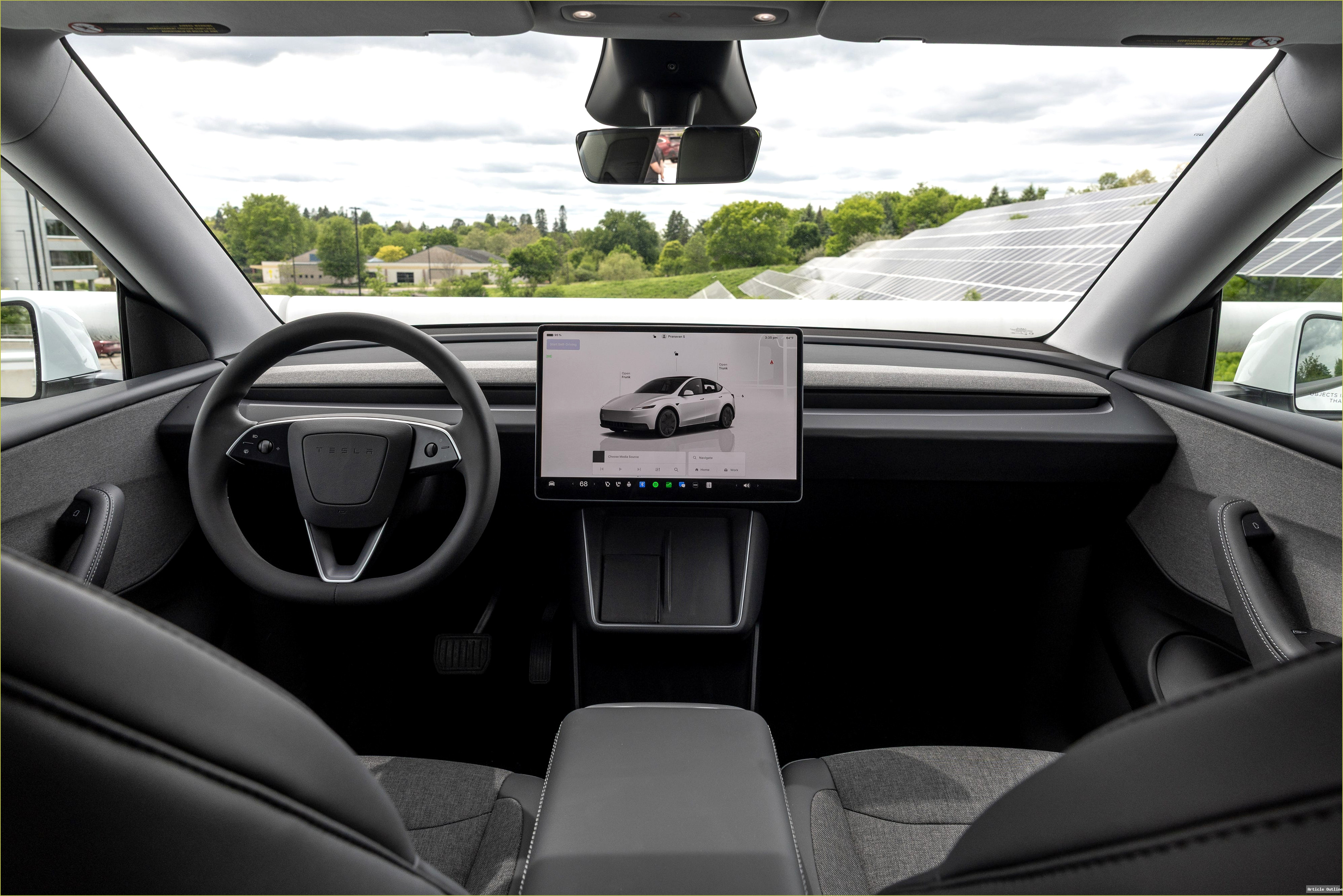
The 2026 Tesla Model Y interior is here, and it’s unmistakably Tesla: featureless dash, massive touchscreen, radical simplicity. But beneath the clean lines, there’s a story about where automotive design is heading—and why Tesla keeps doubling down on its contrarian approach.
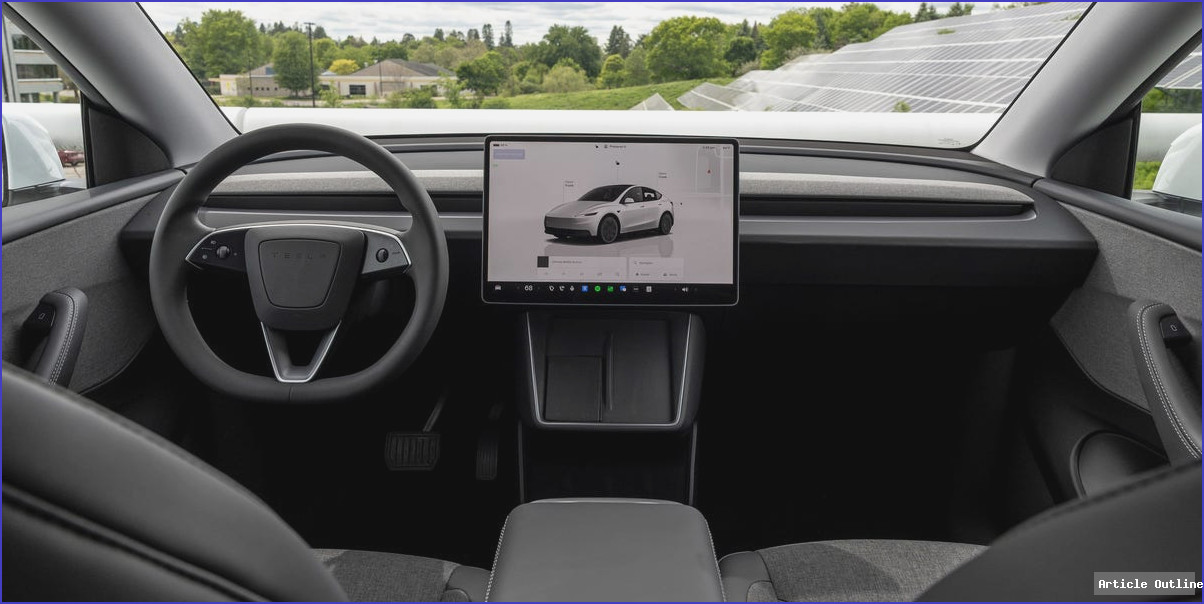
Let’s break down what makes the new Model Y’s cabin so unique, and why it matters for drivers, the car industry, and the future of user experience in vehicles.
Why This Matters
- Tesla isn’t just selling electric cars—they’re selling a new way of interacting with vehicles. The Model Y’s “featureless dash” and single, giant touchscreen signal a shift away from physical buttons and dials, which most automakers still cling to.
- This approach streamlines manufacturing and reduces parts complexity. Fewer moving parts mean fewer things to break—and fewer suppliers to wrangle.
- It’s also a gamble: not everyone wants a car that feels like a smartphone on wheels. Older buyers and those craving tactile controls may find this approach alienating.
What Most People Miss
- The seats are now a blend of faux leather and cloth—a subtle nod to sustainability and comfort. Many luxury competitors still opt for full leather, but Tesla is quietly building eco-friendly credibility.
- Column stalks are out, thumbwheels are in. Tesla’s move to steering wheel thumbwheels for essential functions (like shifting gears or activating wipers) is more than quirky. It’s a push toward preparing drivers for the possibility of full self-driving, where manual controls might become obsolete.
- The interior photos also hint at improved fit and finish—a pain point for Tesla since the early Model 3 days. If this trend holds, it could help Tesla shake its “sloppy build quality” reputation.
Key Takeaways
- Minimalism is Tesla’s calling card. The Model Y’s cabin is even more pared-down than before, offering a glimpse of what future EV interiors might look like as screens replace switches.
- Tech-first approach: The massive touchscreen is command central. Love it or hate it, it’s a sign of how much software now drives the modern car experience.
- Risk and reward: Tesla’s boldness is both its superpower and its Achilles’ heel. The lack of conventional controls could frustrate some buyers—but it’s also what sets the brand apart.
Industry Context & Comparisons
- Contrast this with rivals like the Hyundai Ioniq 5 or Ford Mustang Mach-E, which blend digital displays with familiar buttons and knobs. Tesla is going further than anyone in betting on screens and software.
- According to J.D. Power, user satisfaction with in-car tech is mixed: younger drivers love it, but older buyers often complain about confusing interfaces. Tesla’s bet? The future belongs to the digital-native crowd.
Pros and Cons of the 2026 Model Y Interior
- Pros: Sleek design, fewer distractions, eco-friendly materials, potential for constant software updates.
- Cons: Learning curve for new users, less tactile feedback, possible accessibility challenges for some drivers.
The Bottom Line
The 2026 Tesla Model Y interior is a bold statement about the future of cars: less is more, and software is king. Whether you see it as revolutionary or risky, there’s no denying Tesla’s influence—other automakers will have to decide whether to follow, adapt, or double down on tradition.