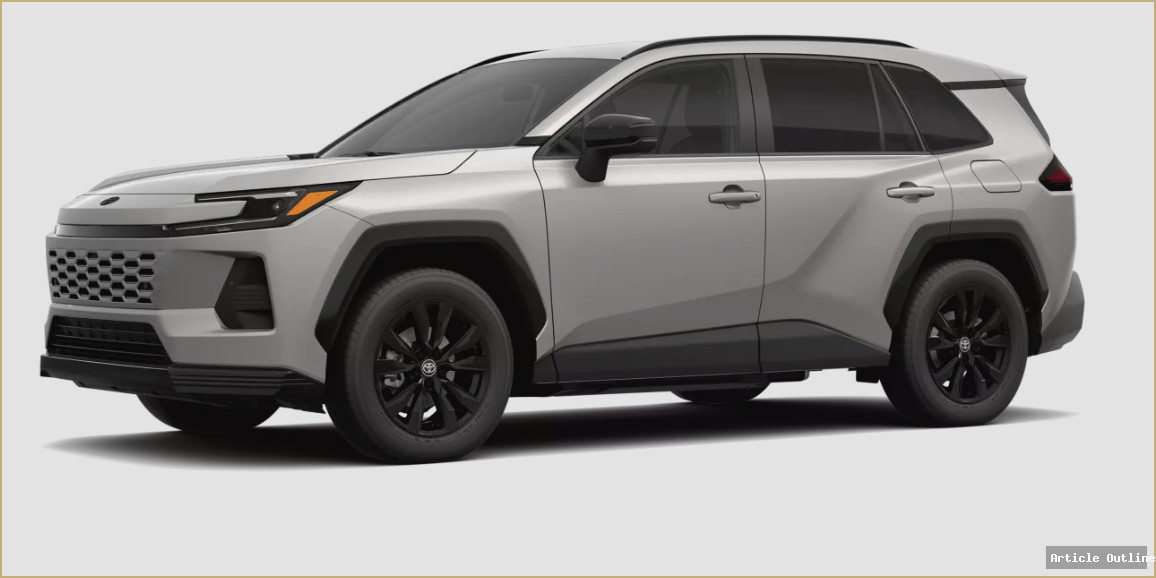
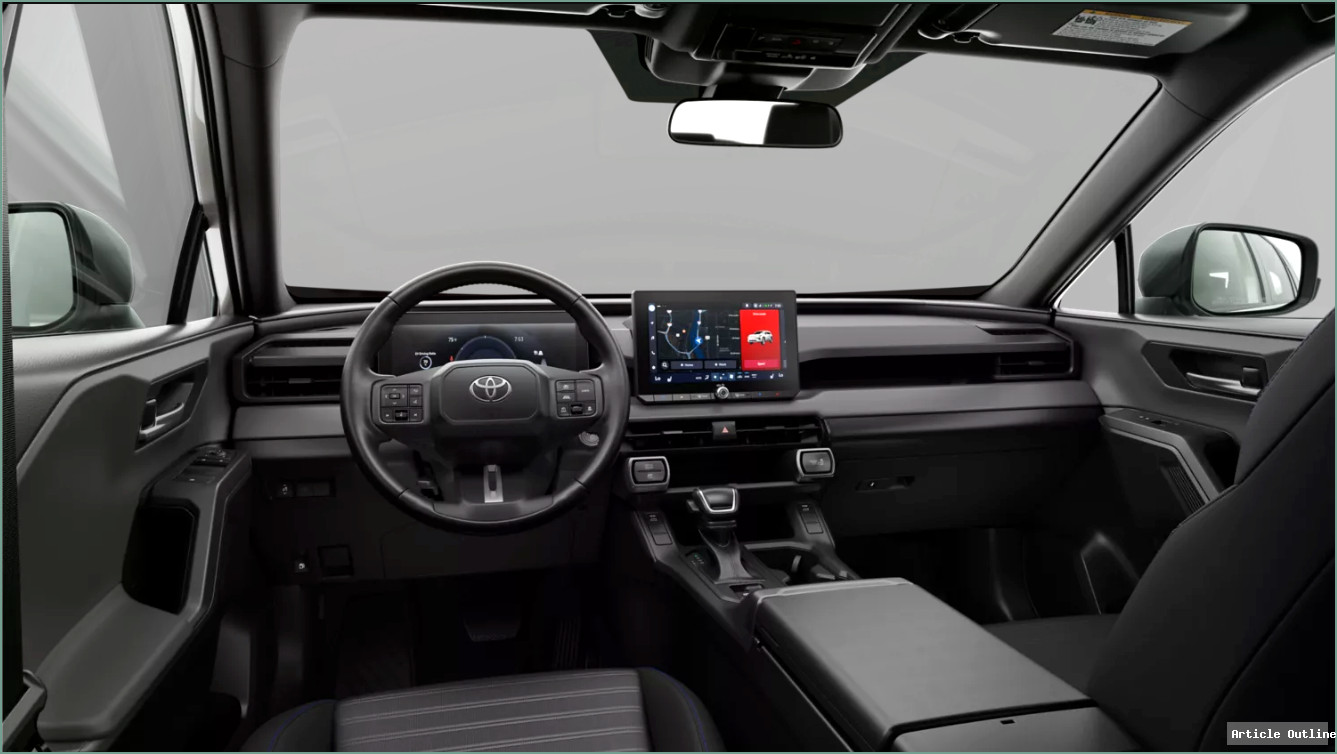
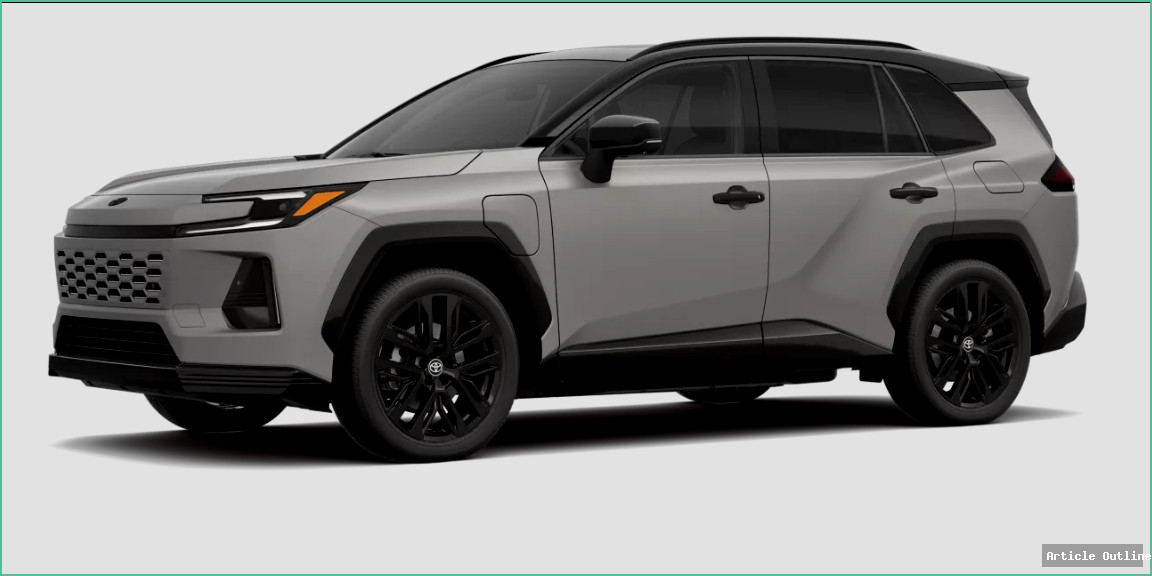
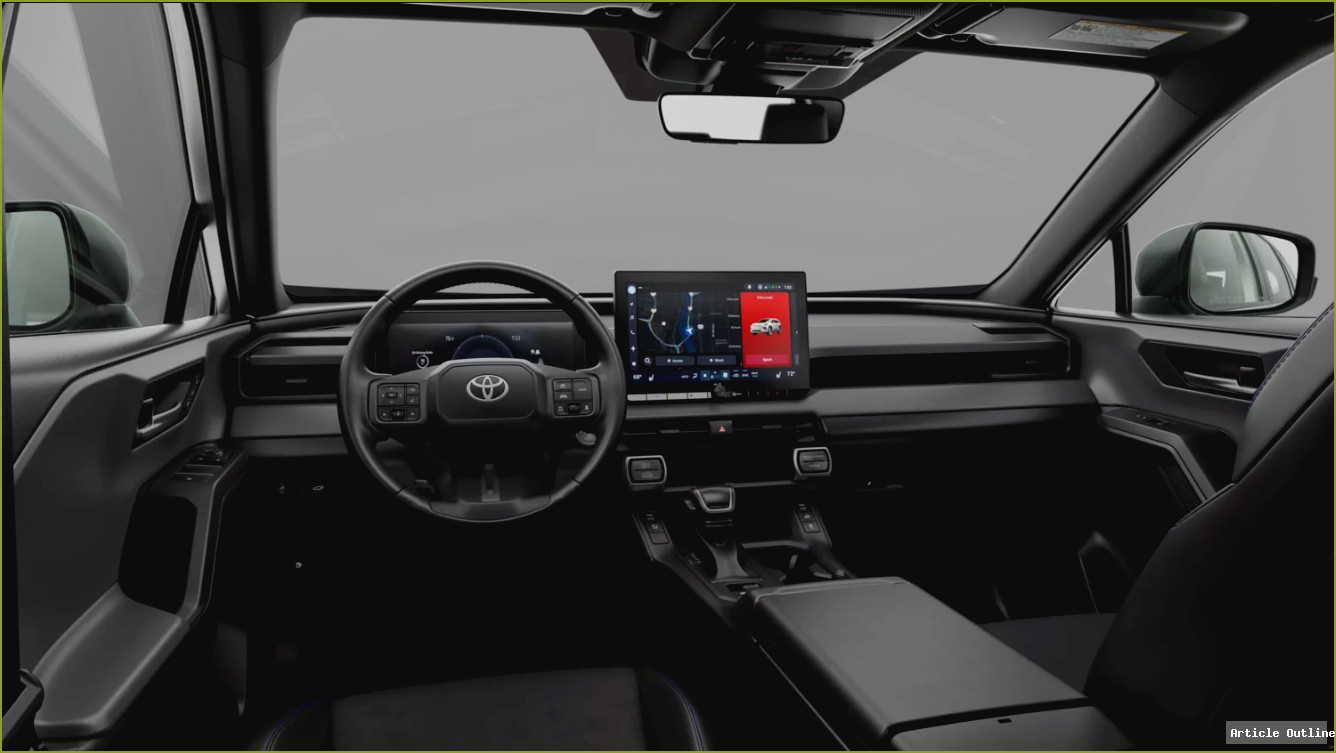
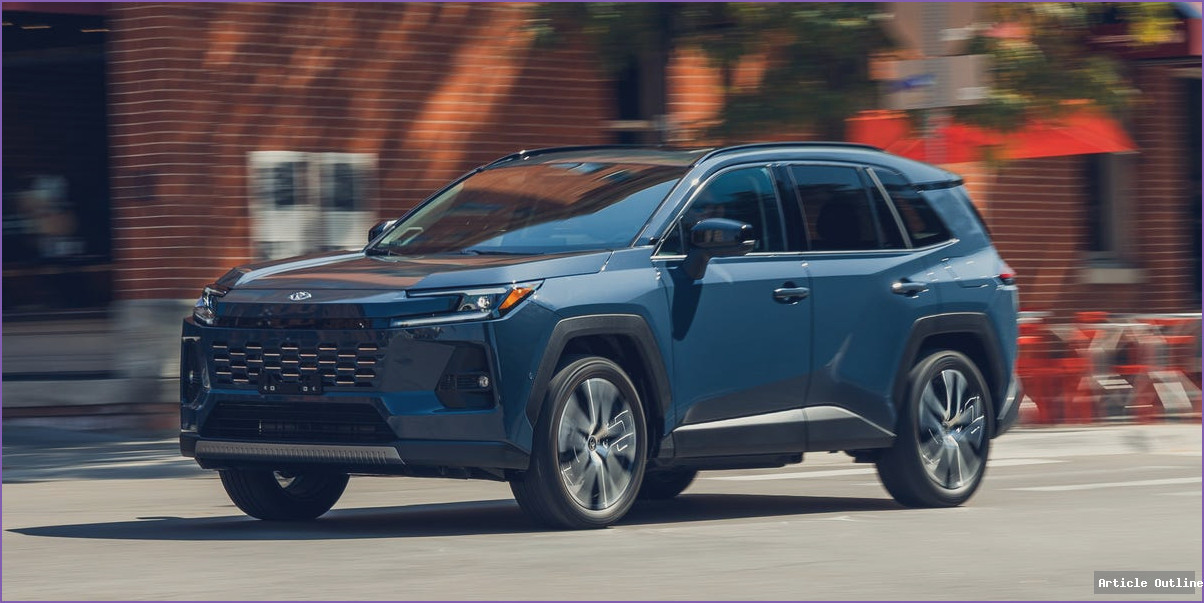
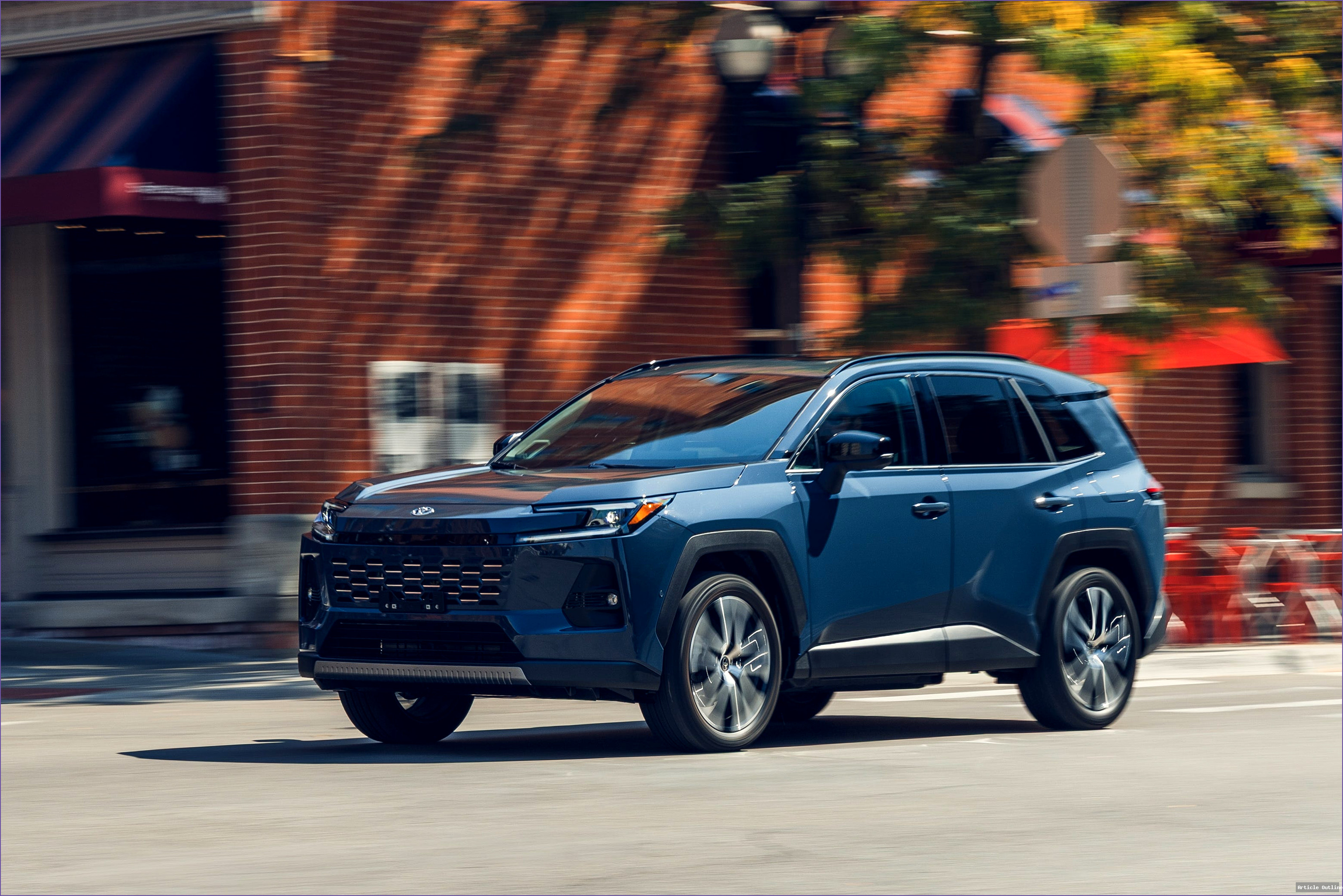
The 2026 Toyota RAV4 is a masterclass in variety—ten trims, two types of hybrid powertrains, and a pricing ladder that can make your head spin. If you feel overwhelmed, you’re not alone. But the big question is: Which RAV4 trim level actually delivers the best value for real-world buyers? Let’s break through the marketing jargon and get to the heart of the matter.
Why This Matters
- The RAV4 is America’s best-selling non-pickup vehicle—meaning your next family hauler (or daily commuter) might be one.
- Hybrids are now standard across all RAV4 trims for 2026, reflecting Toyota’s aggressive move towards a greener, more efficient lineup.
- Choosing the right trim can save you thousands—not only at purchase, but over years of ownership through features, efficiency, and resale value.
What Most People Miss
- Not all hybrids are created equal. The RAV4 comes in both a standard hybrid and a plug-in hybrid (PHEV), each serving very different lifestyles. The PHEV’s DC fast-charging is a game-changer—if you know which trims offer it.
- The mid-level SE hybrid trim delivers 90% of the features most people crave at a price that stays firmly in the “smart buy” zone. The jump to premium trims can push you into luxury-brand territory—often without the badge (or long-term cachet) to match.
- Options bundling can be sneaky. Want a power liftgate on the SE? You’ll need to add the Weather package too. It’s a smart upsell for cold-weather drivers, but an extra for those in milder climates.
Key Takeaways (with Expert Analysis)
- Best Value Hybrid: SE Trim—Heated seats, blind-spot monitoring, and parking sensors for under $37K (FWD). Add AWD and winter packages if you live in snow country.
- Best Value Plug-in Hybrid (PHEV): XSE Trim—It’s the only PHEV trim (alongside Woodland) that offers DC fast-charging. The XSE wins on range (52 miles electric vs. 49) and efficiency. At $48,795, it’s not cheap—but you get true EV-like flexibility.
- Luxury Trims: XSE/Limited (Hybrid) and GR Sport (PHEV) add big screens, hands-free tech, and fancy wheels, but the price climbs into luxury-brand territory (think Lexus NX350h). Unless you want every bell and whistle, most buyers will get better value by sticking to SE or XSE.
Industry Context & Comparisons
- Toyota’s hybrid dominance is unmatched—the RAV4 Hybrid outsells some entire brands’ hybrid lineups.
- Competitors like the Honda CR-V Hybrid and Hyundai Tucson Hybrid are closing the gap, but few offer as many trims or the plug-in flexibility of the RAV4.
- The RAV4 PHEV’s 52-mile electric range (XSE) is best-in-class, beating rivals like the Ford Escape PHEV (37 miles) and Hyundai Tucson PHEV (33 miles).
Pros and Cons Analysis
- Pros:
- Exceptional fuel economy (up to 41 mpg hybrid, 52-mile EV range on PHEV).
- Legendary Toyota reliability and resale value.
- Broad range of features without mandatory upcharges (if you pick smartly).
- Standard safety tech across all trims.
- Cons:
- PHEV pricing approaches luxury territory.
- Bundled options can force you into added costs.
- Premium trims may not deliver commensurate “luxury” experience.
Practical Recommendations
- If budget is top priority, choose the SE Hybrid and add packages as needed. It’s the sweet spot.
- If you want the best green tech and commute is short, go XSE PHEV for fast charging and true EV-style driving.
- If you’re already spending $45K+, cross-shop the Lexus NX350h or even pure EVs for added luxury or incentives.
The Bottom Line
Toyota’s 2026 RAV4 lineup is engineered for everyone—but priced for the savvy. The SE Hybrid and XSE PHEV trims hit the sweet spot for value, features, and long-term satisfaction. Don’t be dazzled by the big screens and luxury badges unless you’re ready to pay for them—sometimes, smart is better than fancy.
Sources:
- Source
- Toyota RAV4 Model Overview
- Lexus NX350h Hybrid
- 2026 RAV4 Hybrid Test
- 2026 RAV4 PHEV Drive
- 2026 RAV4 GR Sport