Remember Irv Gordon and his 3.2-million-mile Volvo 1800S? That’s the kind of legendary grit Volvo drivers dream about—back when “Volvo reliability” meant near-mythic longevity. Fast-forward to today, and the story is a little more complicated. With the 2026 Volvo XC90 B6 Ultra in for a 40,000-mile long-term test, the real question is: Can a modern, non-hybrid XC90 live up to Volvo’s ironclad legacy—or is that just a relic of the past?
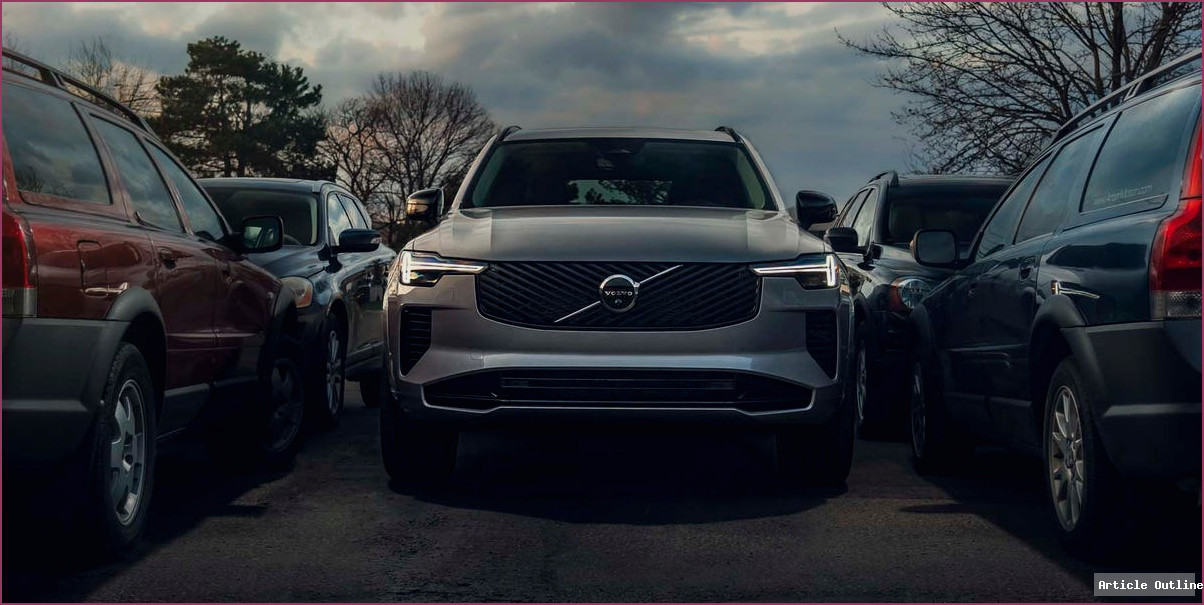
Let’s dig into why this matters, what most people miss, and what this test might reveal about the future of the brand.
Why This Matters
- Volvo’s reputation is on the line. The XC90 is the brand’s bestseller and flagship family SUV. If it can’t prove itself over the long haul, what does that say for Volvo’s future—especially as the company pivots to more electrified models?
- Consumers are wary of modern tech headaches. Touchscreen-only controls, over-the-air updates, and complex hybrid systems have created a new breed of reliability headaches (not just for Volvo). The B6 Ultra, with its simpler powertrain, could be an antidote.
- It’s a bellwether for the whole segment. The XC90’s performance here isn’t just about one SUV—it’s a signal for all luxury three-row SUVs battling for family trust and resale value.
Key Takeaways & Analysis
- Volvo’s dependability rankings have dipped. In J.D. Power’s 2026 Vehicle Dependability Study, Volvo scored near the bottom, ahead of only Jeep and Land Rover—a far cry from the brand’s glory days.
- The B6 Ultra brings a 2.0-liter turbo/supercharged four-cylinder with 295 hp and 310 lb-ft of torque—enough to hit 60 mph in 6.7 seconds. Respectable, but not earth-shattering.
- At $74,745, this is a top-trim, non-plug-in model—about $10,000 less than the T8 plug-in hybrid (PHEV) version. Is less complexity the secret to more reliability?
- Early logbook entries are quiet—usually a good sign. But only time (and 40,000 miles) will tell.
- Fuel economy sits at an observed 20 mpg (EPA combined: 23 mpg). Not stellar, but typical for a luxury three-row SUV.
What Most People Miss
- Old-school Volvo durability isn’t just nostalgia—there are still Volvos with 300,000+ miles running as loaners at specialty shops. But those glory days were built on simpler, less electronic cars.
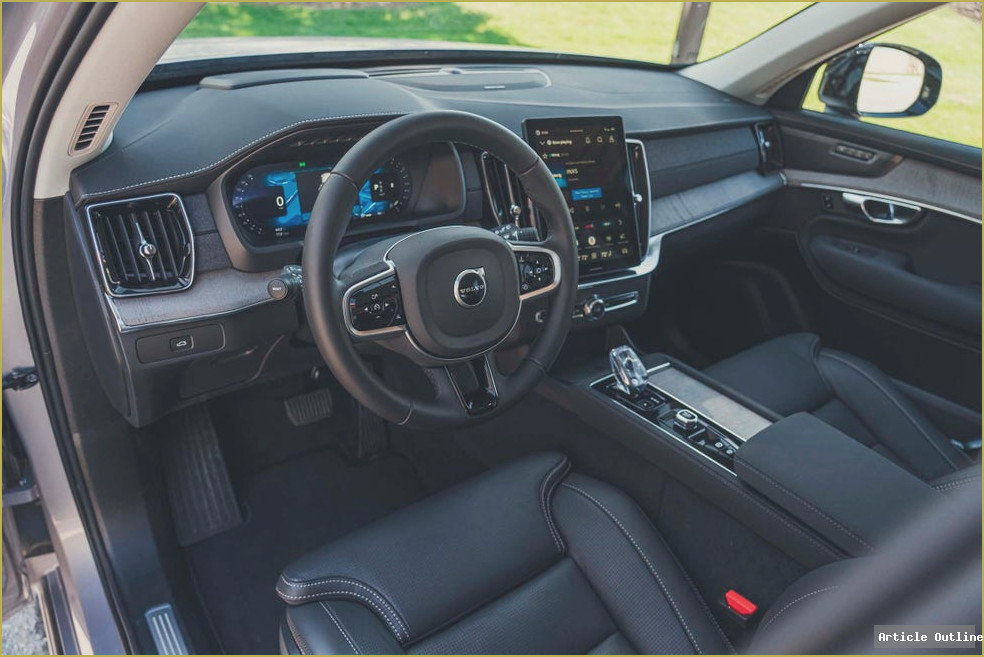
- The XC90’s new tech—like an 11.2-inch touchscreen that still requires a wired connection for Apple CarPlay and Android Auto—shows that even the latest models can stumble on basics that matter to real drivers.
- No Sport mode, non-defeatable start/stop, and always-on stability controls. These quirks might frustrate enthusiasts, but they’re standard fare in today’s safety-first SUVs.
Industry Context & Timeline
- 2015: XC90’s second generation debuts, setting a new direction for Volvo’s design and tech.
- 2024: Electrified models flood the market, but reliability issues—from all brands—crop up around software and hybrid components.
- 2026: This long-term test aims to see if a non-hybrid, gas-powered XC90 can recapture the magic and real-world durability of Volvos from the analog era.
Pros and Cons Analysis
- Pros:
- Spacious, well-trimmed interior
- Classic Volvo safety and style
- Simpler powertrain may mean fewer headaches
- Cons:
- Tech quirks (wired CarPlay, limited drive modes)
- Non-defeatable start/stop can be annoying
- Mediocre real-world fuel economy for the price
The Bottom Line
The 2026 Volvo XC90 B6 Ultra is more than just a family hauler—it’s a test of whether Volvo’s legendary durability can survive in a world of touchscreens, turbos, and tech overload. Will this SUV go the distance, or will it join the ranks of modern vehicles that just can’t hack the long haul? Stay tuned for real, long-term answers—because reputation isn’t built in a day (or a thousand miles).