The home EV charging landscape in 2026 is more dynamic—and more confusing—than ever. With dozens of options, new connector standards, and smart features galore, choosing the right charger for your electric car isn’t just about wattage or price tags anymore.
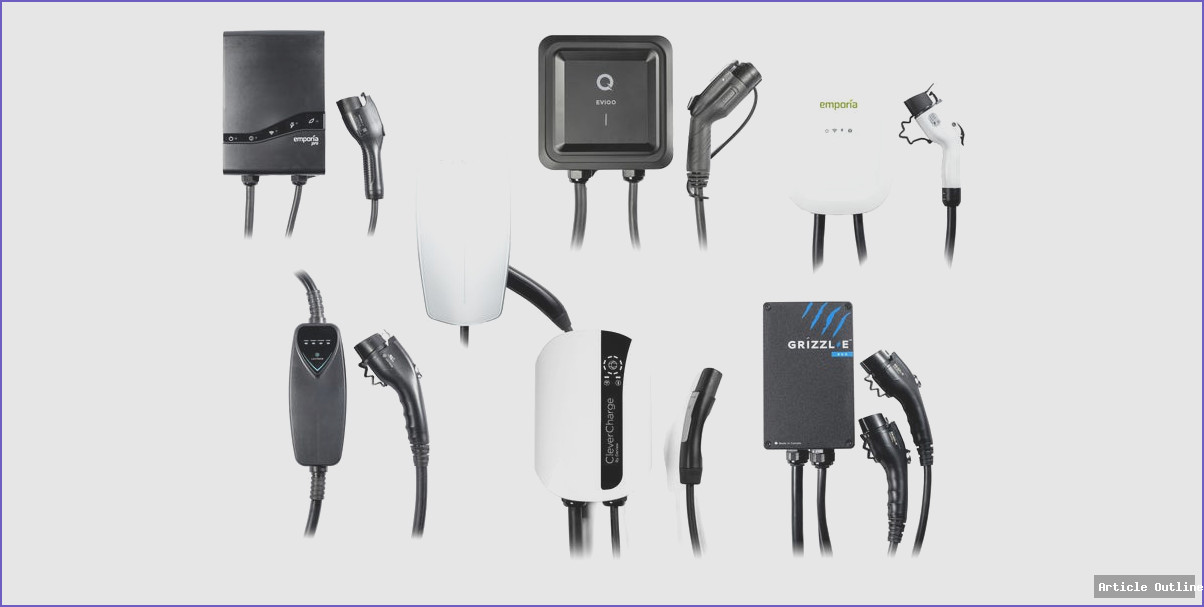
Let’s cut through the jargon and marketing hype to uncover what actually matters when picking a home EV charger. Here’s a deep dive into the latest contenders, expert analysis on overlooked features, and actionable advice for future-proofing your charging setup.

Why This Matters
- EV charging at home is the foundation of affordable, convenient electric car ownership. Public fast-charging is still 3x more expensive and often less reliable.
- The next 2 years will see an industry-wide connector shakeup as automakers shift from J1772 to Tesla’s NACS standard. Buying the wrong charger now could mean headaches (and adapters) later.
- Smart features like load balancing, detailed cost tracking, and integration with home energy management are no longer gimmicks—they can save you hundreds (even thousands) in installation and energy costs over time.
What Most People Miss
- Load Management is a Game Changer: Units like the Emporia Pro use real-time energy monitoring to avoid expensive electrical panel upgrades. If your home’s power supply is already stretched, this can be the difference between a $500 install and a $3,000+ electrician bill.
- Connector Flexibility is Vital: Chargers that support both J1772 and NACS (like Tesla’s Universal Wall Connector) are the safest bets as more non-Tesla EVs adopt the NACS standard in 2025-2026. Don’t get locked into yesterday’s plug.
- App Experience Can Make or Break It: Some apps are packed with features but overwhelming (Emporia), while others are user-friendly but less customizable (ChargePoint, Tesla). Consider who will actually use the app at home—complexity isn’t always a plus.
- Tax Credits are Expiring: The 30% federal tax break on home EV charger installs (up to $1,000) ends June 30, 2026. If you’re even considering a switch, act before then for serious savings.
Key Takeaways: 2026’s Best Home EV Chargers (Expert Analysis)
- Best for Future-Proofing: Tesla Universal Wall Connector—Seamlessly switches between J1772 and NACS, integrates with Tesla’s app, and features an electronic lock for adapters. Perfect for multi-brand EV households or those thinking ahead.
- Best for App Power-Users/Energy Nerds: Emporia Pro—Industry-leading load balancing, energy monitoring, and app features. Installation is more complex, but it can save you on major electrical upgrades.
- Best Value: Eviqo and Lectron—Affordable, reliable, but with less-polished apps and support. Solid picks if you just want basic charging and don’t care about bells and whistles.
- Best for Dual-EV Households: Grizzl-E Duo—No Wi-Fi or smart features, but charges two cars from a single outlet, saving on installation and panel space. Simplicity wins.
- Best for Smart Home Integration: ChargePoint Home Flex—Top-tier app, nuanced cost tracking (down to your utility’s rate plan), and robust scheduling. Premium price, but you get what you pay for.
Pros & Cons Cheat Sheet
| Charger | Pros | Cons |
|---|---|---|
| Emporia Pro | Advanced energy management, future-proof, slim design | Complex install, app can overwhelm |
| Tesla Universal Wall Connector | Future-proof connector, app integration | Limited non-Tesla data, pricier |
| ChargePoint Home Flex | Powerful app, detailed cost tracking | Expensive, lower outdoor rating |
| Lectron/Eviqo | Affordable, portable, all essentials covered | Basic features, app quirks, support issues |
| Grizzl-E Duo | Dual charging, rugged build | No smart features, thick cables |
Timeline: The 2025-2026 Connector Transition
- 2025: Most U.S. automakers announce shift to NACS (Tesla) plug for new models.
- 2026: Public charging networks begin supporting both standards; adapters become common.
- Mid-2026: Federal tax credit for home installs set to expire—expect a rush of last-minute buyers.
Practical Advice: What Should You Do?
- If you’re buying a charger now, pick one with both J1772 and NACS compatibility (or easy adapter support).
- Seriously consider load management features if your electrical panel is near capacity.
- Take advantage of federal and local tax credits before they disappear in June 2026.
- Check your utility’s off-peak rates and schedule charging accordingly—most smart chargers allow this in-app.
- Plan for more than one EV: If your household might add a second electric car, invest in dual-output or power-sharing units now.
The Bottom Line
Home charging is the single biggest upgrade you can make to your EV experience—and your home’s value. But as standards shift and smart features become the norm, it pays to look beyond price tags and ask: Will this charger still meet my needs in two years? Choose wisely, install before tax credits expire, and you’ll be ready for the EV future—no matter what it looks like.