The 2027 BMW i3 prototype is more than just another step in BMW’s electric journey—it’s a bold leap in the evolution of performance EV sedans. While the original i3 was a quirky city car with a focus on sustainability, the new i3 50 xDrive is an ambitious, dual-motor, all-wheel-drive machine poised to shake up the premium EV segment.
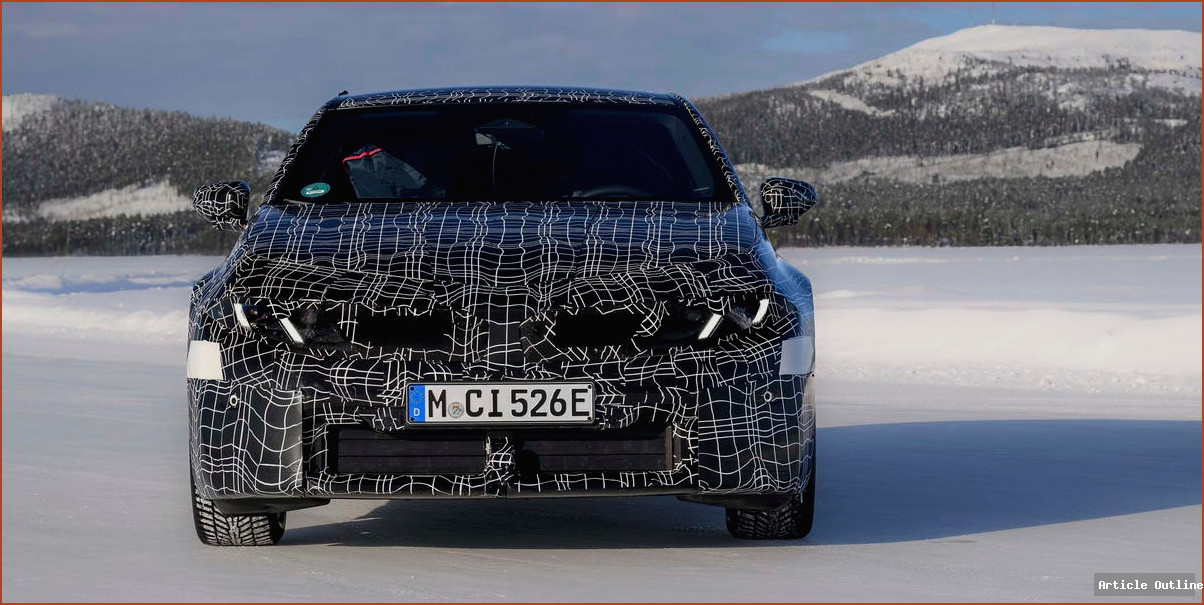
Let’s dig beneath the surface of the latest prototype, uncovering what really matters, which details enthusiasts and skeptics alike might miss, and how the i3’s return signals a dramatic shift in BMW’s electrification strategy.
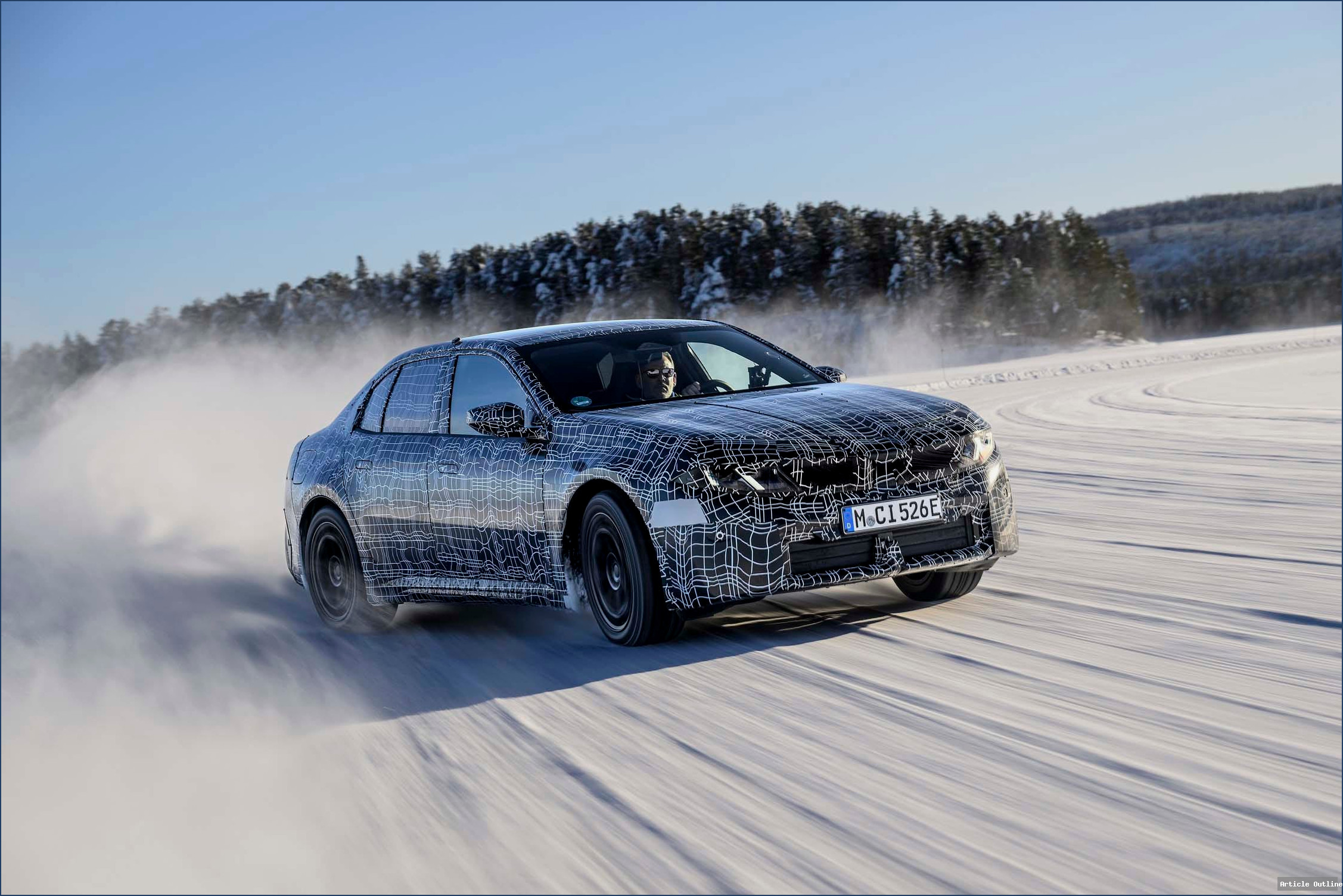
Why This Matters
- BMW is repositioning the i3 as a mainstream EV sedan, moving away from the city-focused, compact hatchback of the past.
- With an expected 463 horsepower and dual-motor AWD layout, the i3 50 xDrive will directly challenge the likes of the Tesla Model 3 Performance, Hyundai Ioniq 6 N, and Polestar 2.
- BMW’s move to launch the i3 as a sedan aligns with global demand for sporty, practical electric sedans—a segment experiencing rapid growth, especially in Europe and China.
What Most People Miss
- This i3 is not just about electrification—it’s about reclaiming BMW’s “Ultimate Driving Machine” ethos in the EV era. The dual-motor setup hints at serious driving dynamics, not just straight-line speed.
- The choice of northern Sweden for prototype testing signals BMW’s focus on cold-weather performance and battery durability, addressing a common concern for EV owners in colder climates.
- The “50 xDrive” badge marks a shift in BMW’s naming convention for EVs, aligning them closer to their traditional M Performance branding—expect more powerful variants down the line.
Key Takeaways
- Performance: The prototype’s 463 horsepower output puts it at the top end of the midsize EV sedan power scale, promising sub-4.5-second 0-60 mph acceleration—on par with the Tesla Model 3 Performance.
- Market Positioning: Unlike the original i3, which targeted eco-conscious urbanites, the 2027 i3 sedan aims for driving enthusiasts and premium buyers seeking a “green” sports sedan with real-world usability.
- Timing: Launching in late 2027, BMW is betting that the EV sedan segment will be fiercely competitive—and lucrative—by then. Recent IEA data shows global EV sales growing 35% year-over-year, with sedans leading the charge in established markets.
Comparison: BMW i3 2027 vs. Key Rivals
| BMW i3 50 xDrive (Est.) | Tesla Model 3 Performance | Hyundai Ioniq 6 N | |
|---|---|---|---|
| Power | 463 hp | 510 hp | 650 hp |
| AWD | Yes | Yes | Yes |
| 0-60 mph | <4.5s (est.) | 2.9s | 3.2s |
| Expected Price | $60k+ | $54,000 | $70,000+ |
Pros and Cons
- Pros:
- High power output for the segment
- All-wheel-drive confidence
- BMW performance pedigree
- New design direction, distancing from the quirky original i3
- Cons:
- Unproven real-world range and charging performance
- Likely to carry a premium price tag
- Faces fierce competition from established EV players
Action Steps for EV Shoppers
- Monitor official BMW announcements for range, tech, and pricing details in late 2026.
- Compare upcoming i3 sedan specs with Tesla, Hyundai, and Polestar offerings as launch nears.
- Watch for test drive opportunities—BMW is likely to offer early access to current BMW owners and EV loyalists.
“The new i3 isn’t just a comeback—it’s a reset button for BMW’s electric ambitions. If they deliver on performance and range, this could be the sedan that redefines the brand for a new generation.”
The Bottom Line
The 2027 BMW i3 prototype isn’t just another electric car—it’s BMW’s signal that they’re ready to compete, not just participate, in the performance EV game. With bold power, all-wheel-drive grip, and a more universally appealing sedan shape, the new i3 could be a watershed moment for the brand and the segment. Stay tuned—this is one EV you won’t want to overlook.