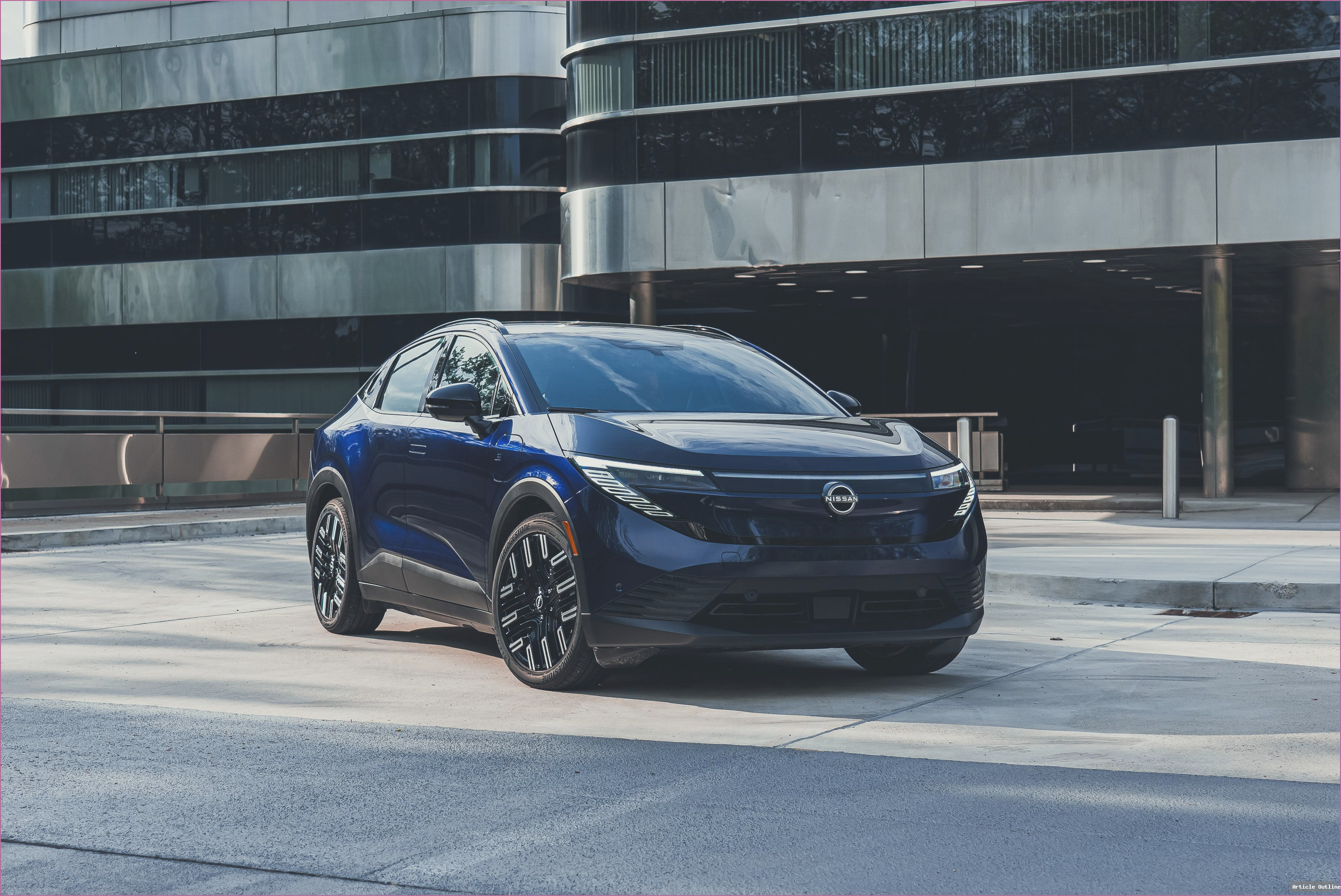
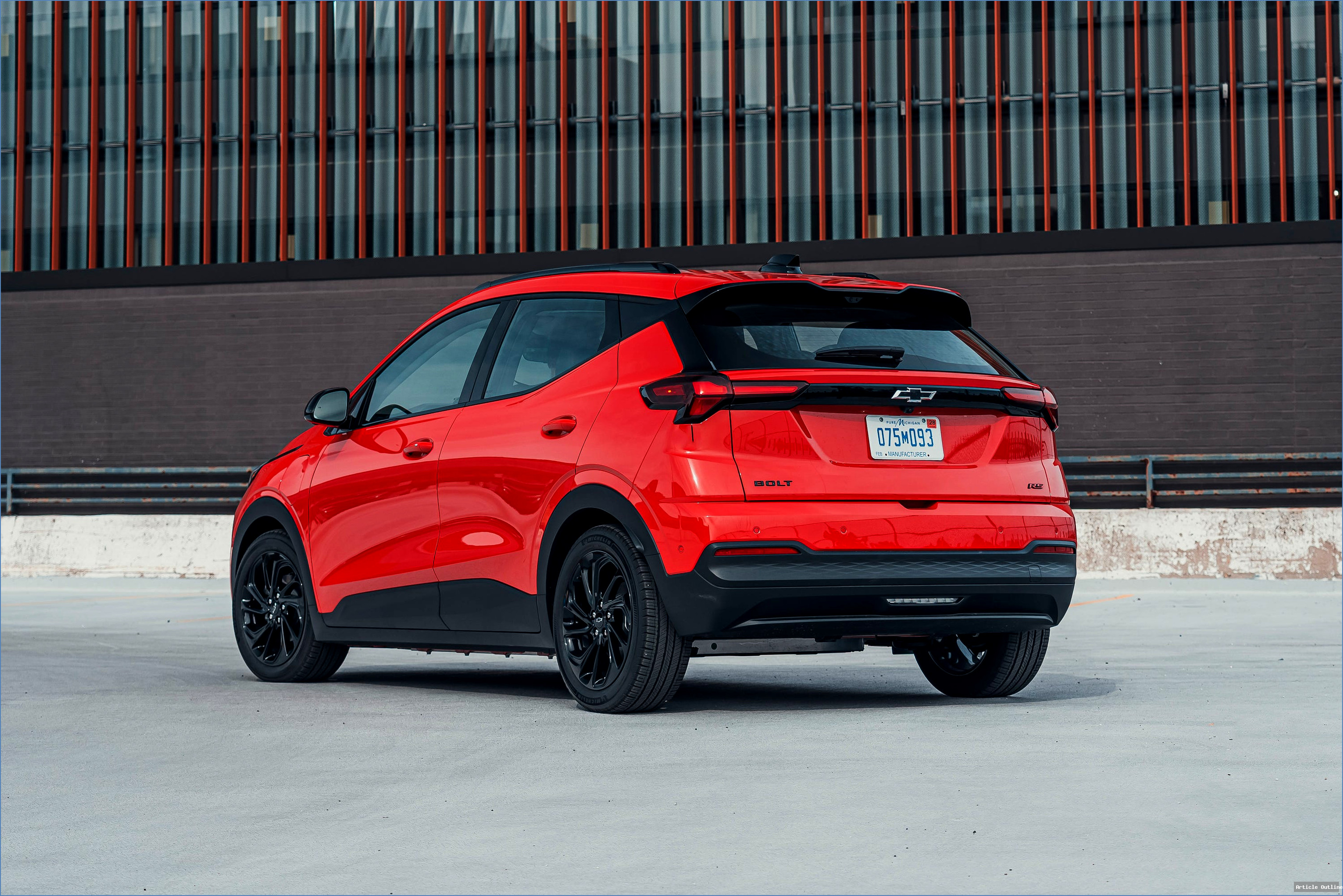
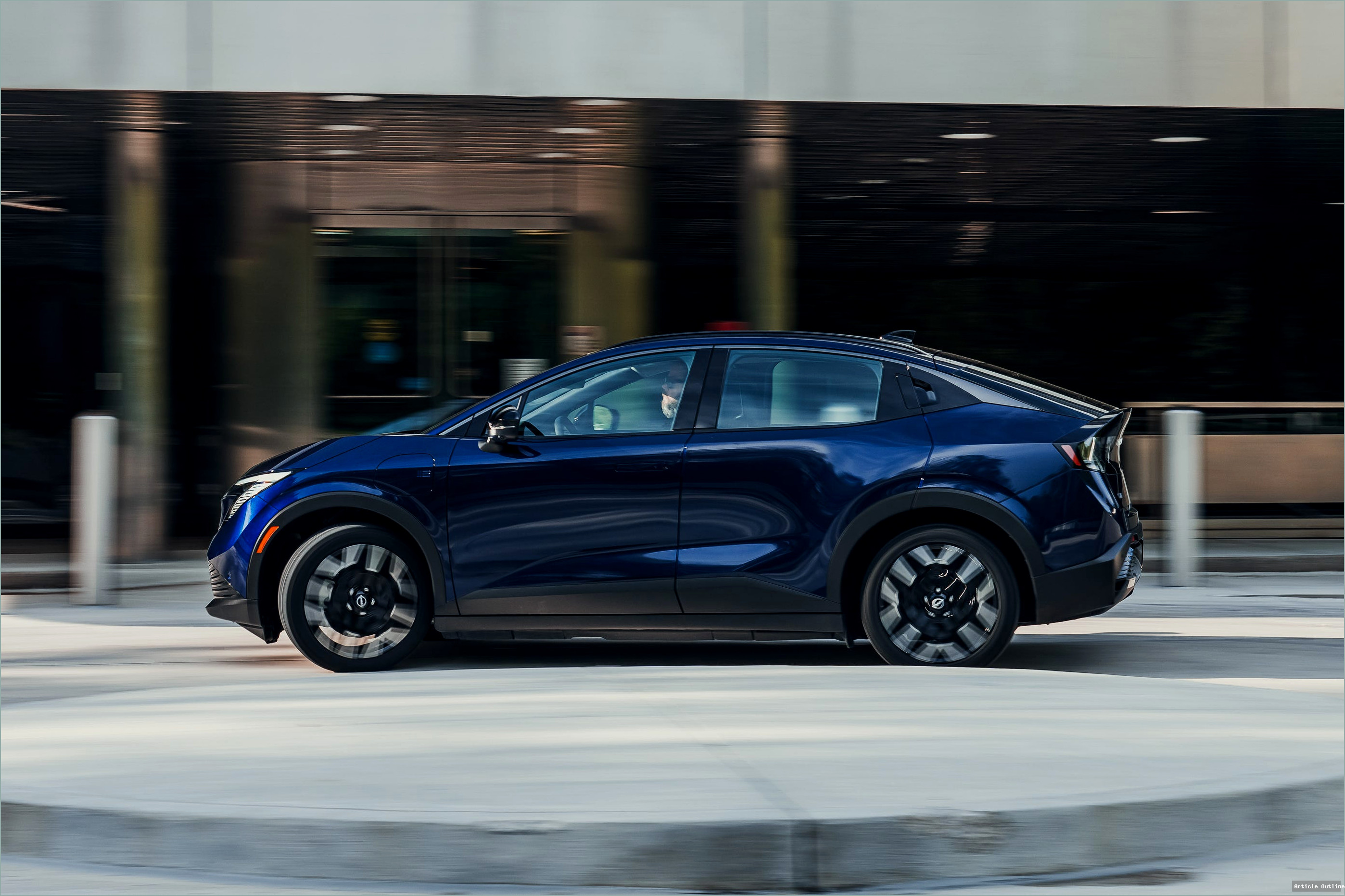
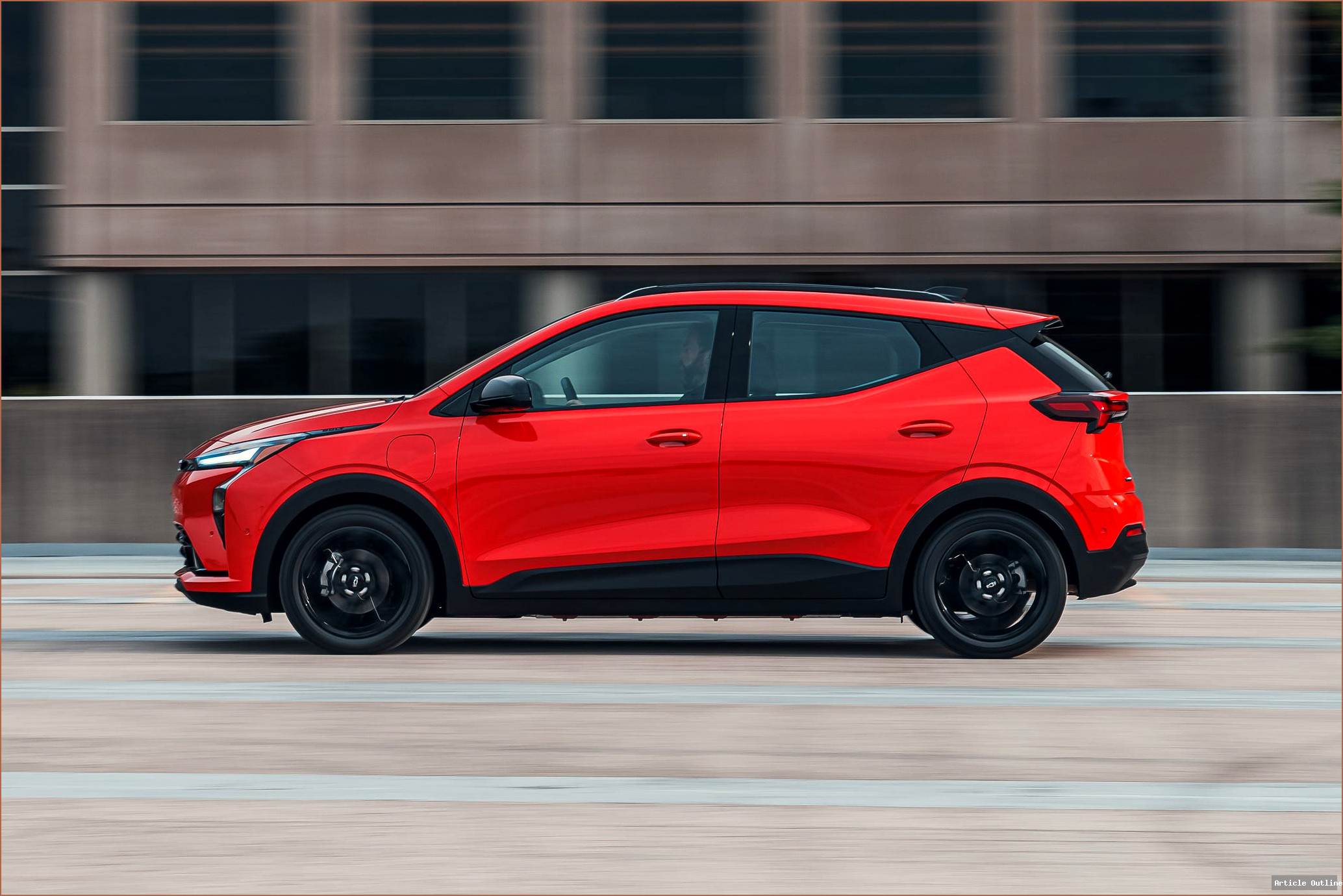
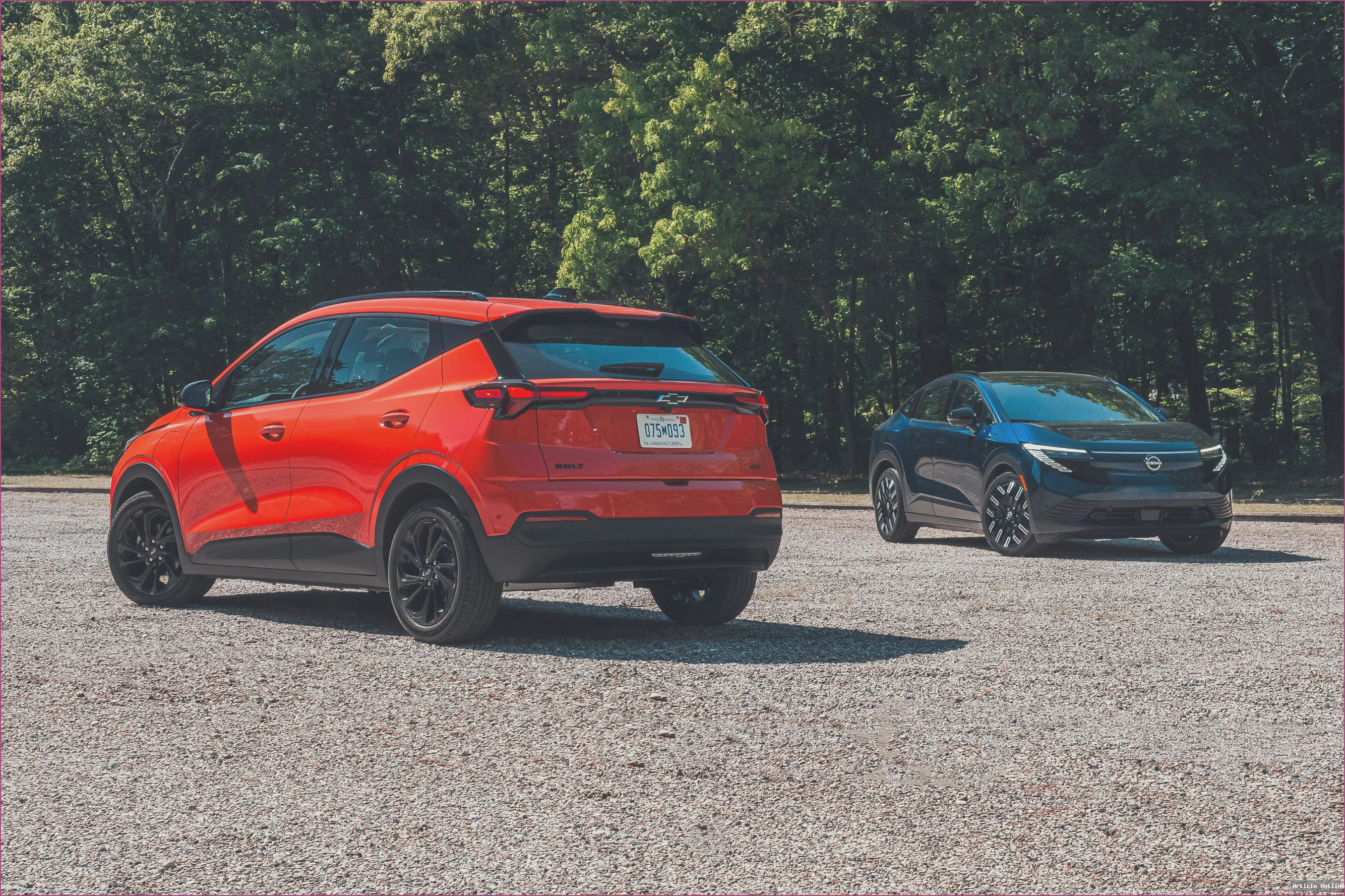
In a world where most new electric vehicles (EVs) seem determined to outdo Teslas in both features and sticker shock, the 2027 Chevrolet Bolt and 2026 Nissan Leaf stand out as rare, budget-friendly options. But which one truly delivers for the real-world driver—not just on paper, but in everyday life? This isn’t just about specs. It’s about value, usability, and the hidden trade-offs that matter most to buyers who care about their wallets as much as the planet.
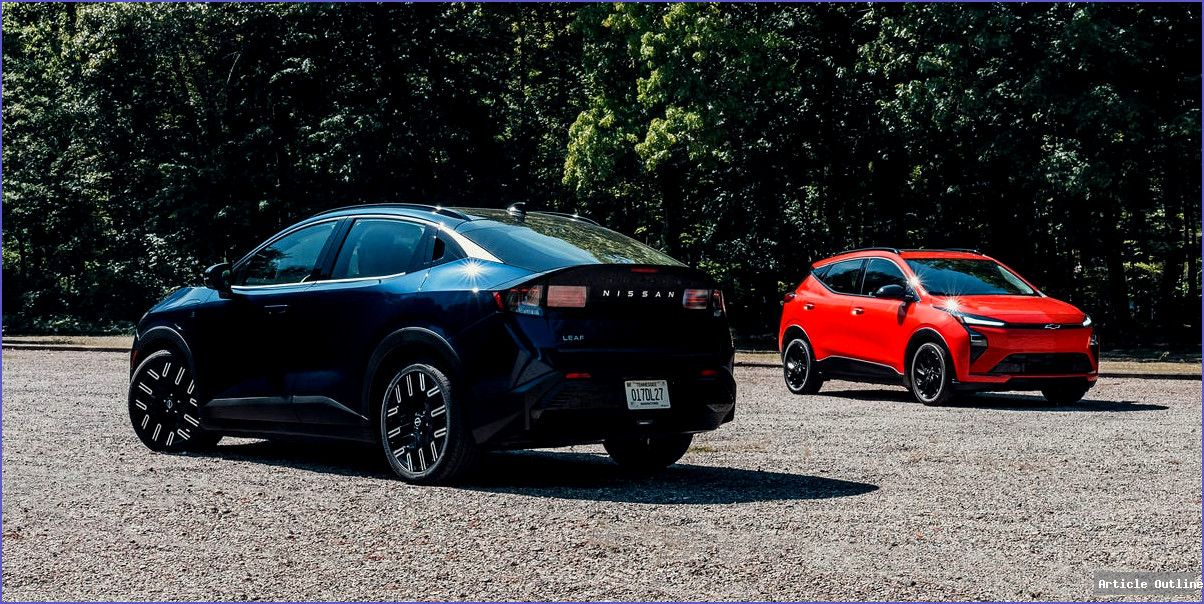
Why This Matters
- EV Affordability is in Crisis: The average new car transaction price hit $50,000+ in 2024. Affordable EVs are vanishing, leaving most buyers priced out. The Bolt and Leaf are two of the last standing below $40K.
- Choice Now, Gone Tomorrow: GM’s history of short production runs and Nissan’s uncertain future for the Leaf means buyers have a narrow window before these options may disappear or change fundamentally.
- Practicality Over Hype: For families, commuters, and those looking to break up with gas stations, these hatchbacks could make or break the case for mainstream EV adoption.
What Most People Miss
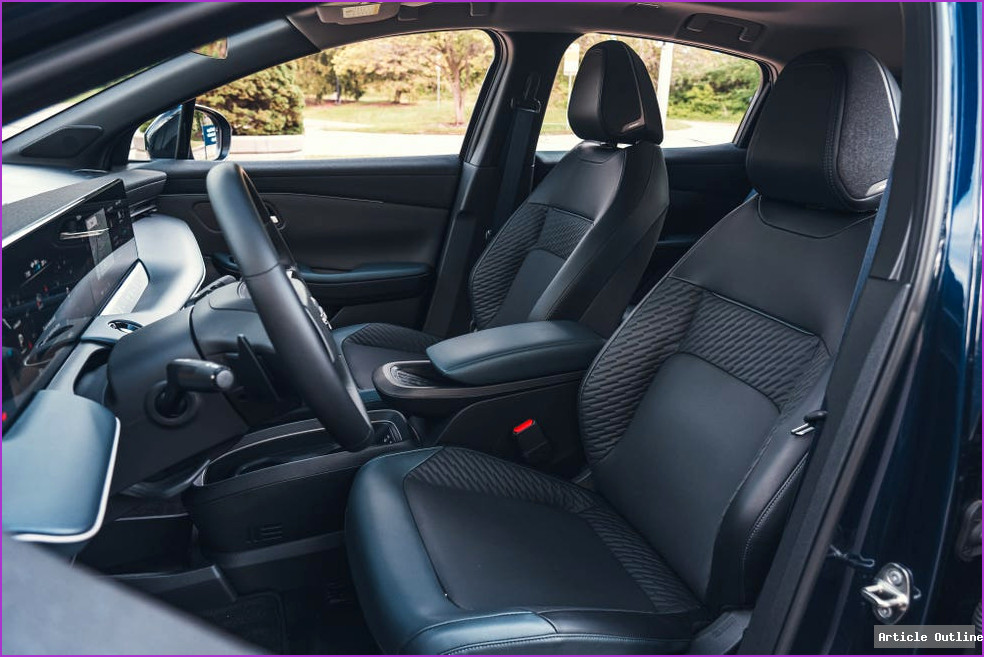
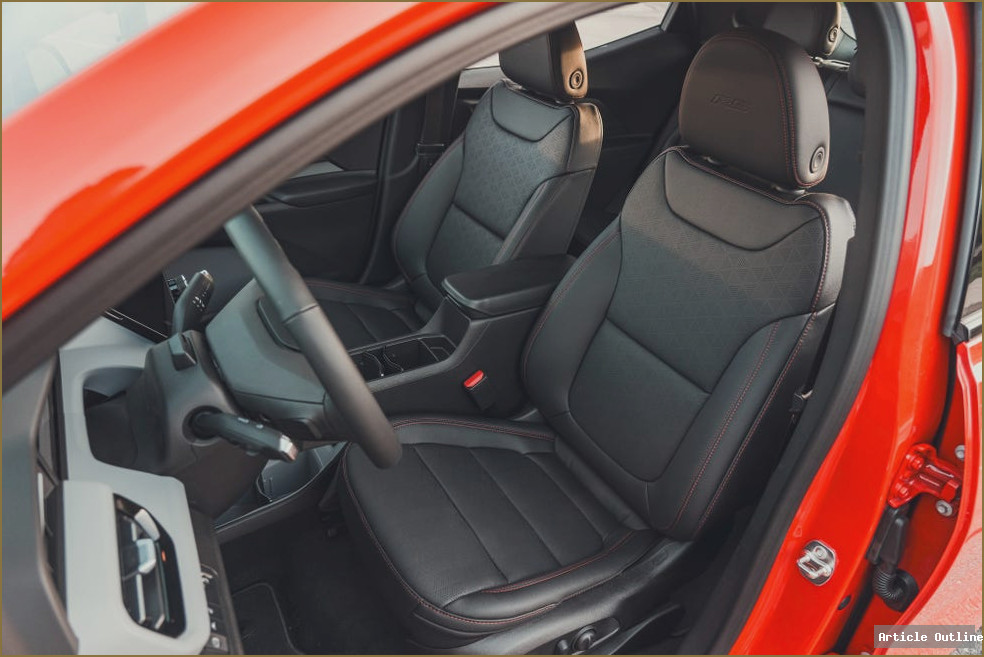
- Space vs. Comfort: The Bolt maximizes passenger room, boasting 7.3 inches more rear legroom, but Nissan’s seats are far more comfortable—critical for daily drivers or rideshare use.
- Range and Real-World Efficiency: Despite its smaller battery, the Bolt’s lighter weight nearly matches the Leaf’s range (230 vs. 250 miles at 75 mph), a testament to smart engineering.
- Fast-Charging Bottleneck: Both cap out at 150 kW—decidedly average in a world where Hyundai and Tesla push 250-350 kW. If you road trip, plan for longer stops.
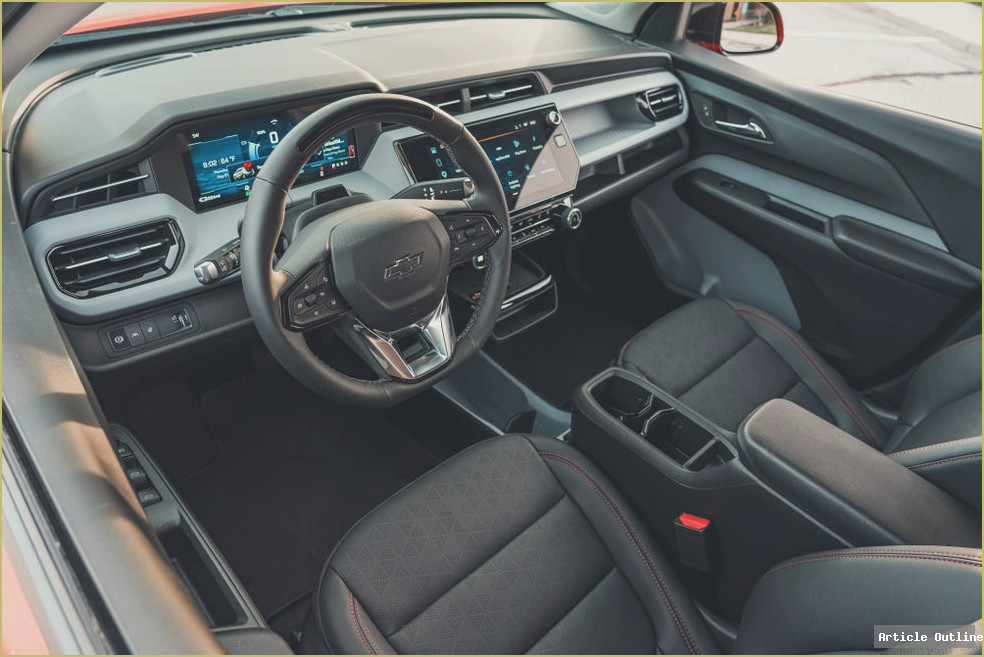
- Tech and Data Trade-offs: The Bolt skips smartphone mirroring to “own your data”—a move that could frustrate tech-savvy buyers. Nissan offers a more familiar digital experience.
- Short Shelf Life: The Bolt’s return is brief (again), and Nissan’s future plans for the Leaf remain unclear. Early adopters take note: Resale value and support could be in flux.
Key Takeaways
- Driving Dynamics: The Bolt is simply more fun and composed on real roads. It even stops shorter (179 ft from 70 mph vs. 184 ft for the Leaf), and its handling inspires confidence where the Leaf feels softer.
- Interior and Storage: Leaf wins on premium feel and cargo space with seats up (20 vs. 16 cubic feet), but the Bolt’s clever storage cubbies and tray are everyday wins.
- Price and Value: The Bolt’s as-tested price ($38,940) undercuts the Leaf ($41,980) even when both are well-equipped—and bolts in some of the best hands-free driving tech (GM’s Super Cruise).
- Range/Charging: Leaf edges out the Bolt (250 vs. 230 mi at 75 mph), but both are evenly matched for most commutes and regional trips. Neither is a charging speed king.
- Practical Tech: GM’s Super Cruise is available on the Bolt—unheard of in this price bracket. Nissan’s ProPilot Assist is decent but less advanced.
Pros and Cons: Quick Chart
| 2027 Chevy Bolt | 2026 Nissan Leaf | |
|---|---|---|
| Base Price | $32,995 | $40,535 |
| Range (75 mph test) | 230 mi | 250 mi |
| 0-60 mph | 6.7 sec | 6.9 sec |
| Cargo (seats up/folded) | 16/56 cu ft | 20/56 cu ft |
| DC Fast Charge | 150 kW | 150 kW |
| Driver Assist | Super Cruise (optional) | ProPilot Assist |
| Interior Quality | Plasticky but practical | Premium, comfortable |
Industry Context & Comparison
- The Kia Niro EV and Hyundai Kona Electric are creeping north of $40K and don’t match the Bolt’s tech or driving feel.
- Used EV prices have fallen in 2024, but most are luxury or first-gen models with outdated tech and battery concerns.
- Incentives for affordable EVs are shrinking, so these models’ window of value may close fast.
The Bottom Line
If you want an affordable, practical, and even fun EV before the segment is swamped by ever-pricier crossovers, the 2027 Chevy Bolt is the clear winner—while it lasts.
But don’t count the Leaf out: It’s the comfort king, and its extra range could sway road warriors.
The real lesson? Don’t wait if you see a deal. Both models are endangered species in today’s car market—grab one before they’re gone, or face a future of $50K+ EVs as your only choice.

Sources: