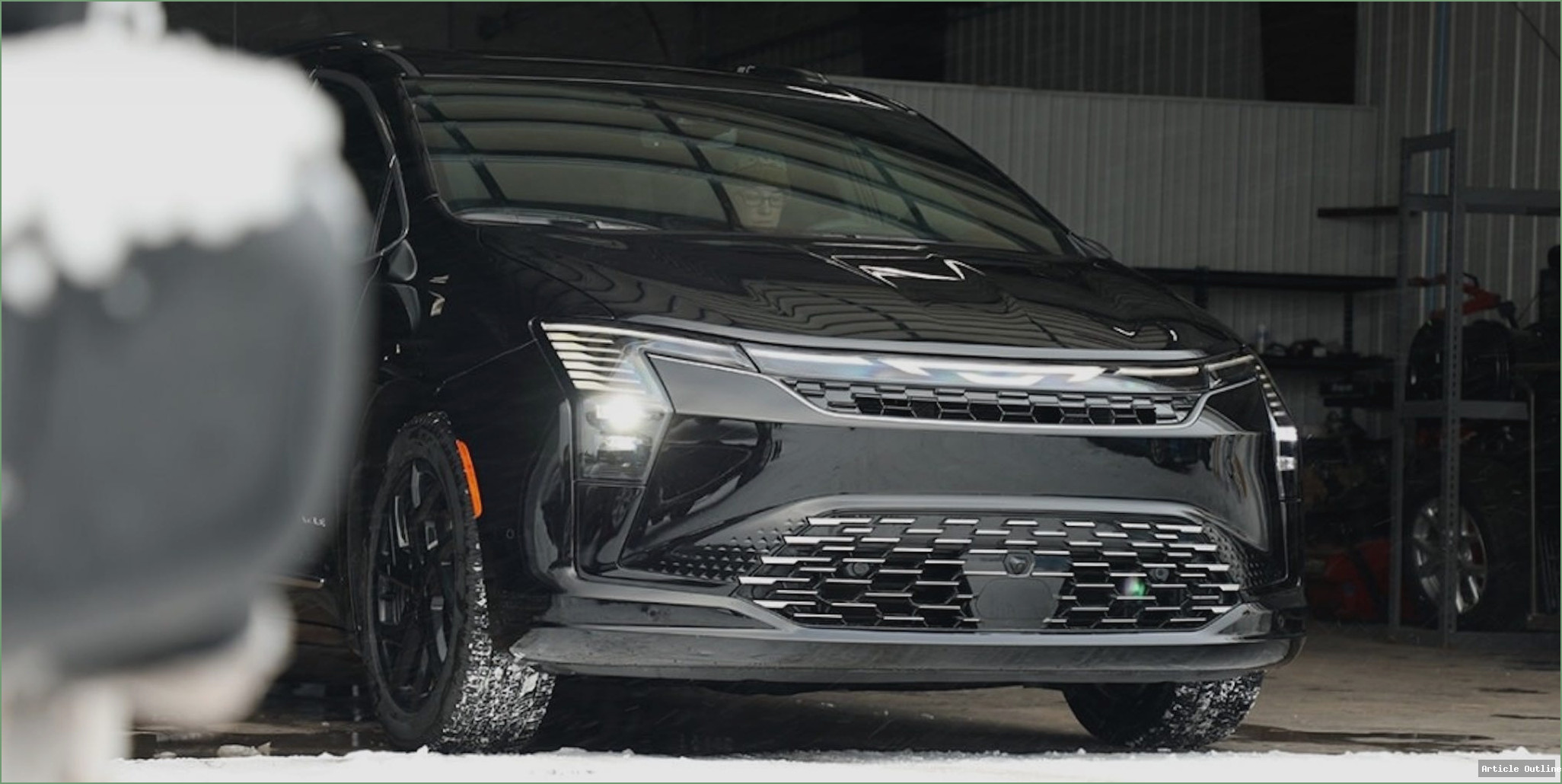
The 2027 Chrysler Pacifica has arrived with a fresh face, but it’s stepping into a minivan landscape that’s more competitive—and electrified—than ever. Chrysler’s last remaining model gets a bold new look, but does a facelift alone keep it in the running against rivals that are embracing hybrid and tech-forward innovation?
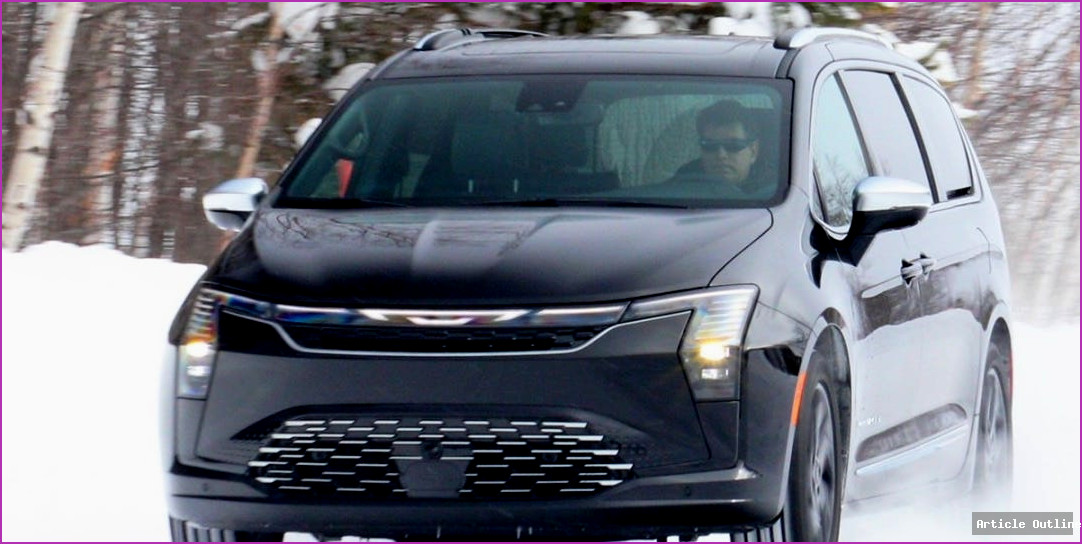
Let’s break down what’s new, what’s missing, and why this update may be more pivotal for Chrysler than it appears on the surface.

Why This Matters
- Chrysler’s Future Hangs in the Balance: The Pacifica is now Chrysler’s only remaining model. Its success—or failure—could determine the future of the entire brand.
- Minivan Market is Quietly Fierce: While SUVs grab headlines, minivans remain the unsung heroes for families, and competition from Toyota (Sienna), Honda (Odyssey), and Kia (Carnival) is intense.
- Electrification Is the New Standard: With Stellantis discontinuing plug-in hybrids by 2026, the Pacifica may lose its unique eco-friendly edge unless a significant powertrain update is announced soon.
What Most People Miss
- Surface-Level Updates May Not Be Enough: A new grille and headlights are eye-catching, but under-the-hood changes (or lack thereof) will ultimately decide the Pacifica’s relevance.
- Stow ‘n Go Seating Remains a Secret Weapon: Chrysler’s patented fold-flat seats still offer unmatched interior flexibility, a feature competitors continue to chase.
- The Hybrid Gap: If the Pacifica drops its hybrid variant, it leaves a void for efficiency-minded buyers—an opening for rivals to exploit.
Key Takeaways & Expert Commentary
- Design Refresh: The new front fascia, with angular headlights and a light bar, modernizes the Pacifica’s look—but doesn’t address mechanical or tech upgrades (yet).
- Powertrain Uncertainty: Expect the trusty 3.6L V6 to continue, but Chrysler could surprise us by adopting the 324-hp turbocharged 2.0L from the Jeep Grand Cherokee. No EV or hybrid details yet—raising questions for eco-conscious buyers.
- Trim Strategy: If Chrysler maintains last year’s Select trim features (heated steering wheel, synthetic leather, 8 seats), it will remain competitive on value.
- Market Context: In 2023, minivan sales in the US climbed 10% (source: industry analysts), showing steady demand despite the segment’s shrinking overall volume.
“Families need more than just a pretty face—they want efficiency, tech, and flexibility. The 2027 Pacifica’s success will hinge on whether Chrysler delivers beneath the surface.”
Comparisons & Industry Context
- Toyota Sienna: Hybrid-only powertrain; class-leading fuel economy.
- Kia Carnival: Conventional V6, but hybrid variant incoming and strong tech suite.
- Honda Odyssey: Reliable, family-focused, with a strong resale value.
The Pacifica’s continued reliance on a traditional V6 might feel dated next to these rivals, unless Chrysler has surprises in store.
Pros & Cons
- Pros: Modernized exterior; known for flexible seating; likely strong value.
- Cons: Lack of hybrid/EV options (so far); minimal known changes to interior or tech; uncertain long-term support if Chrysler’s lineup shrinks further.
The Bottom Line
The 2027 Chrysler Pacifica’s facelift is a necessary step, but the real test will be what lies beneath the surface. In today’s minivan market, families expect not just style, but substance—especially in the form of efficiency and advanced tech. Without a compelling hybrid or electric option, the Pacifica risks falling behind. Chrysler has one shot to get this right. Will they go bold, or play it safe? The answer may decide not just the fate of the Pacifica, but of Chrysler itself.