The Chevrolet Corvette has always been a benchmark for affordable supercar performance, but the 2027 Stingray’s new LS6 6.7-liter V-8 takes things further. Beyond the headline-grabbing horsepower jump, the subtle shifts in performance and character reveal a lot about where Chevy, and perhaps the industry, is heading.
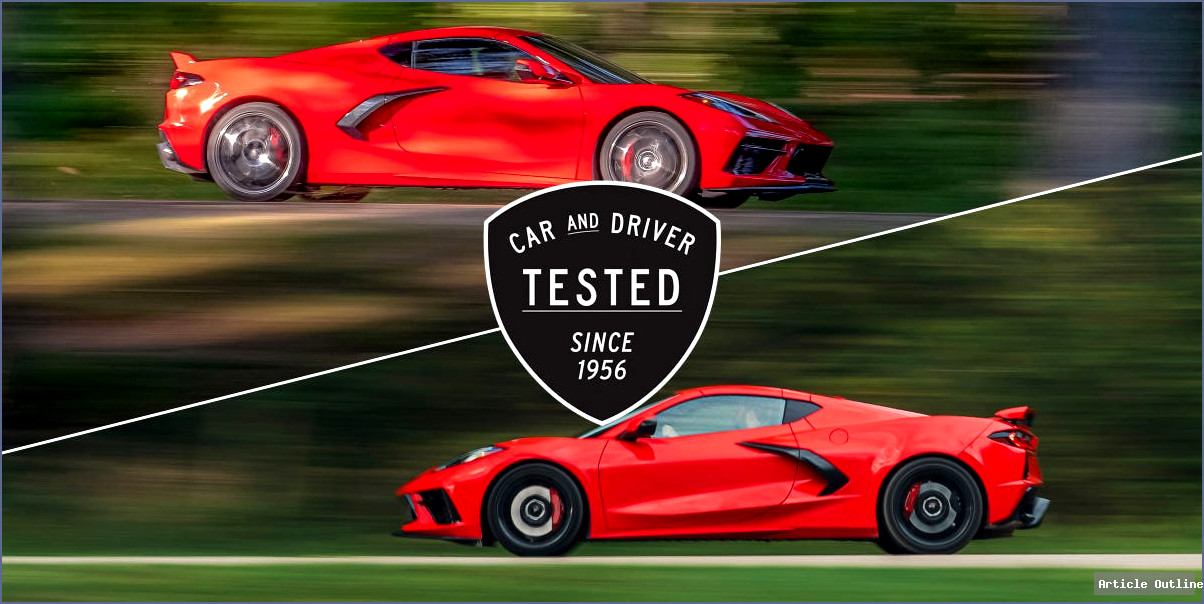
Why This Matters
- America’s most iconic sports car just raised the bar again—at a price still under $75,000. That’s a shot across the bow for European rivals costing twice as much.
- Chevy’s move to a larger, more powerful engine in a time of electrification and downsizing is bold. It signals that the V-8 era isn’t over just yet—for those who still crave the sound and feel of classic muscle.
- This update is about more than numbers: it’s about keeping the soul of the Corvette alive, even as regulations and technology push the industry in new directions.
What Most People Miss
- The 2027’s 60 mph sprint is just 0.1 seconds quicker than the 2020 model—but the real gains show at higher speeds and in quarter-mile times. This means Chevy’s tuning is focused on sustained acceleration and track prowess, not just stoplight bragging rights.
- Top speed with the Z51 package drops by 1 mph compared to the 2020 Z51—thanks to aerodynamic tweaks and a racier final drive ratio. This is a tradeoff: better cooling and grip for the track, at the expense of raw top-end numbers. Most buyers won’t see 180 mph, but they’ll notice sharper handling and braking.
- Despite a bigger engine, the new Stingray is only marginally less fuel-efficient—and quieter at cruising speeds, while being much louder at idle and full throttle. It’s a clever balance of drama when you want it, comfort when you don’t.
Key Takeaways
- Power bump: 535 hp and 520 lb-ft torque (+40 hp, +50 lb-ft over 2020)
- Performance: 0-60 mph in 2.7 seconds, quarter-mile in 11.0 sec @ 124 mph
- Braking: 70-0 mph in 149 feet; nearly identical to previous gen
- Handling: Skidpad grip virtually unchanged (1.02g vs 1.03g)
- Weight: 55 lbs heavier than the 2020 car
- Sound: Louder idle and full-throttle, but quieter cruising
- Price: Still starts under $75,000—but easily sails past $100k with options
Expert Commentary & Industry Context
Chevrolet’s strategy here is fascinating. In a world where turbocharged and hybrid V-6s are becoming the norm (see: Nissan Z, Toyota Supra, even Ferrari’s 296 GTB), Chevy is doubling down on the naturally aspirated V-8. Why? Because the market for emotional, visceral cars is still strong—just look at how Ford’s Mustang Dark Horse and Dodge’s “Last Call” V-8s are selling.
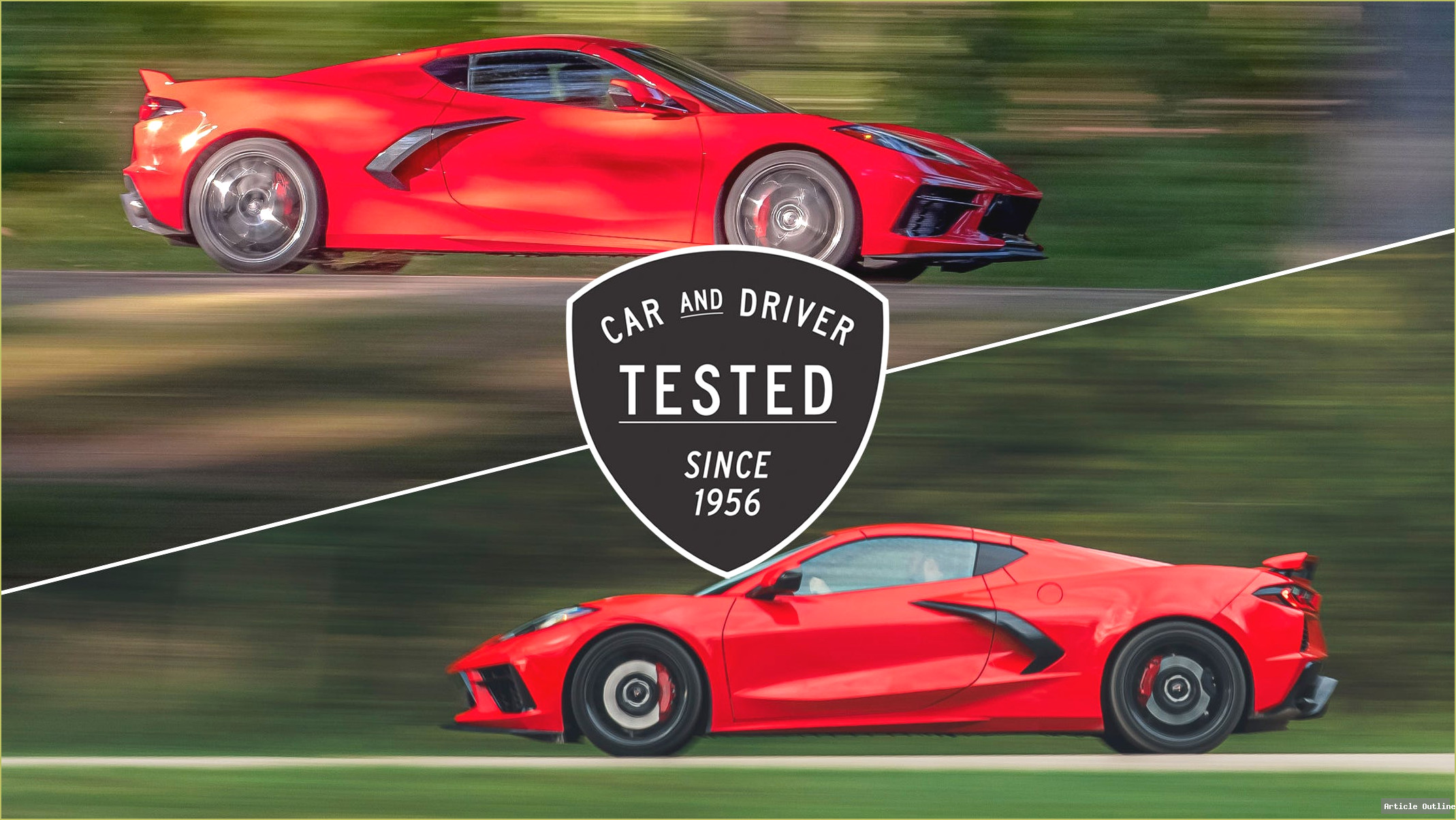
The 2027 Stingray’s improvements may seem incremental in raw numbers, but the refined driving experience—more sound, more presence, and even more accessible track performance—matter more to real drivers than spec-sheet wars. Chevy has also managed to keep the Corvette relevant against a backdrop of tightening emissions and noise regulations, without neutering its character.
Timeline: Corvette Performance Evolution
- 2020: C8 Corvette debuts mid-engine layout, 495 hp LT2 V-8, 0-60 in 2.8 sec
- 2023: Z06 variant launches, pushing naturally aspirated performance envelope
- 2027: Stingray gets 6.7L LS6 V-8, 535 hp, even more track-focused Z51 package
Pros and Cons
- Pros:
- World-class acceleration for the money
- Dramatic sound and presence
- Still practical and (relatively) affordable
- Cons:
- Marginal gains over previous generation in real-world use
- Heavier curb weight, slightly less efficient
- Options push price sky-high
Action Steps for Corvette Fans
- If you want the latest and greatest, the 2027 is the way to go—especially if you plan to track your car or value the unique sound and character of a large-displacement V-8.
- On a budget? The 2020-2026 models are still phenomenal machines, and the performance gap is smaller than headlines suggest.
- If you care about collectability, the 2027 may be one of the last great naturally aspirated V-8 Corvettes before electrification gains ground.
The Bottom Line
The 2027 Corvette Stingray isn’t a revolution, but it’s a clever evolution. Chevy has managed to squeeze more drama and speed from a platform that was already world-class, without sacrificing the things that make the Corvette special. In an age of turbochargers, hybrids, and EVs, the unapologetic, naturally aspirated American V-8 is still alive—and roaring.
