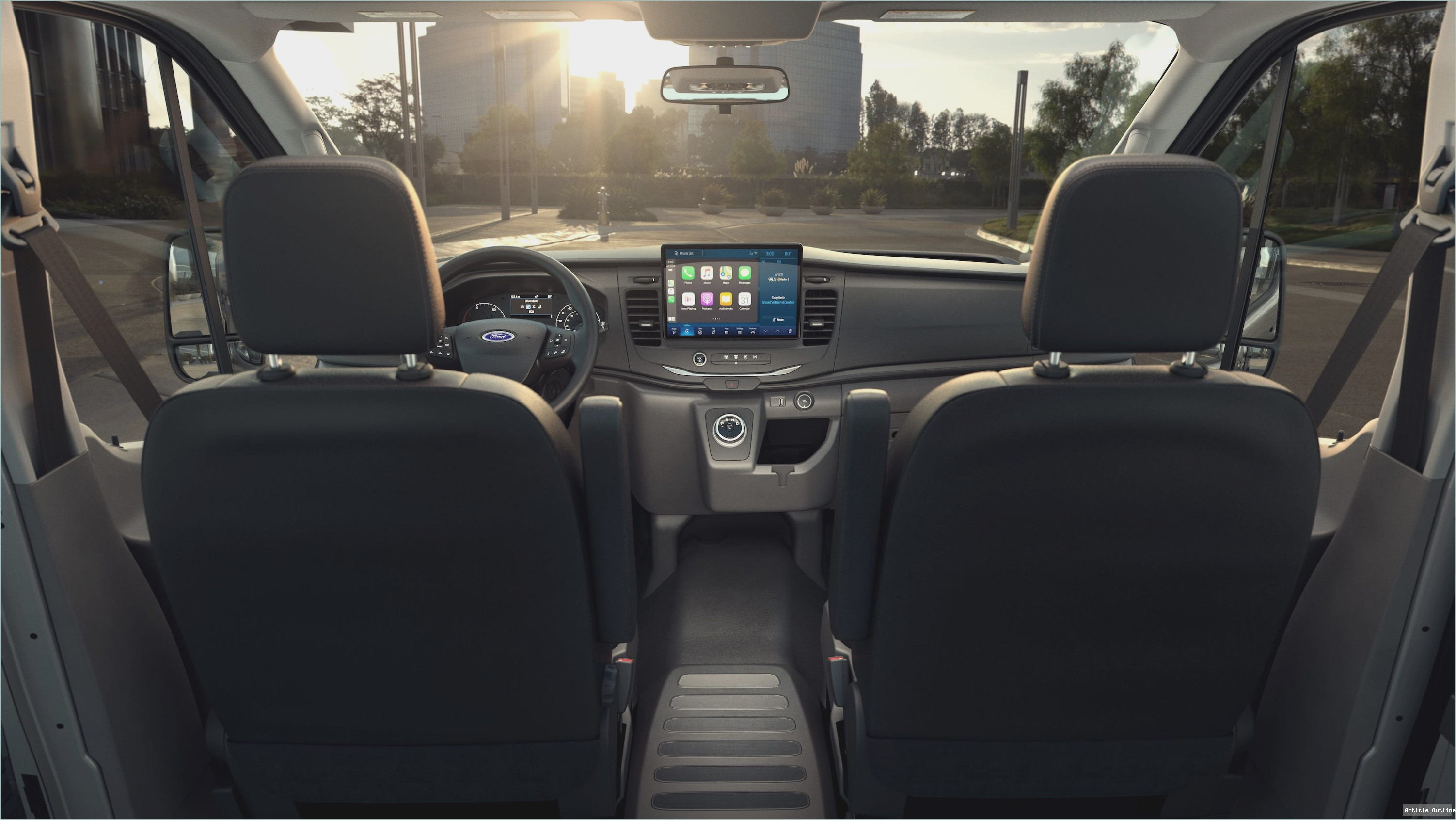
The 2027 Ford E-Transit is more than just another electric van—it’s a signal that the world of commercial vehicles is heading for a quiet, battery-powered revolution. But beyond the PR buzz, what does this mean for businesses and the broader EV landscape? Let’s dig into the details, separate the hype from hard facts, and uncover what most reviews miss about Ford’s all-electric work van.
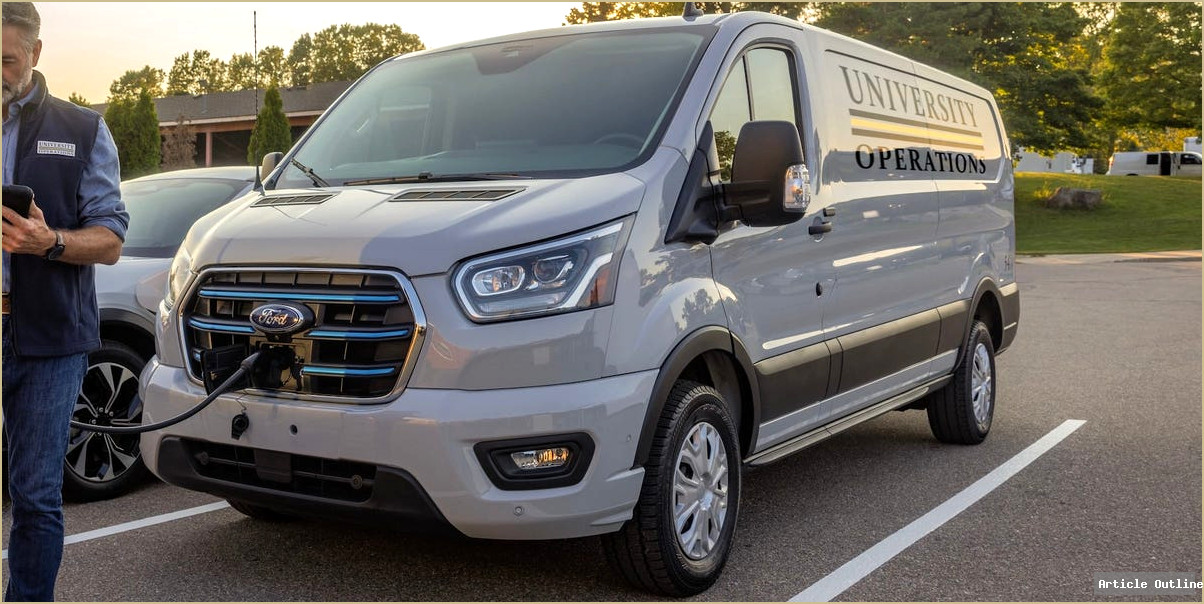
Why This Matters
- Commercial fleets are a massive source of urban emissions—electrifying them is a powerful lever for cleaner cities.
- Ford’s E-Transit directly targets last-mile delivery and service industries, not just eco-minded early adopters.
- While passenger EVs get the press, commercial EV adoption is quietly reshaping logistics, cost structures, and urban infrastructure.
What Most People Miss
- Range anxiety is less of a problem for commercial vans than for personal cars. The 159-mile range may sound modest, but most delivery routes are under 80 miles per day. For businesses with depot charging, the E-Transit is a drop-in replacement.
- Immediate torque isn’t just fun—it’s practical. The E-Transit’s 317 lb-ft of torque (available from zero rpm) means better urban acceleration, merging, and hill-starts compared to traditional vans.
- Fast charging is a gamechanger for downtime. Adding 67 miles of range in 15 minutes via DC fast charging can keep delivery schedules on track, even with multiple trips.
- Payload is king in this segment. With up to 4,201 pounds of payload, the E-Transit out-hauls Benz’s eSprinter and the Ram ProMaster EV in some configurations.
Key Takeaways (with Analysis)
- Power & Performance: 266 hp, rear-wheel drive, and a torque edge over gas models. Don’t expect hot-rod speeds, but do expect smoother, quieter city driving.
- Range & Charging: 159 miles EPA estimate, but real-world use will vary. DC fast charging is available, plus Ford’s fleet telematics help maximize uptime.
- Cargo & Cabin: Spartan but functional—up to 536 cubic feet of cargo. Two seats only; this van is about work, not carpools.
- Tech & Safety: Big 12-inch infotainment screen, Ford Pro E-Telematics, plus all the modern driver assists you’d expect (lane keeping, emergency braking, etc.).
- Warranty: Battery covered for 8 years/100,000 miles—critical for fleet buyers concerned about long-term value.
Industry Context & Comparison
- The Mercedes-Benz eSprinter offers more range and towing, but costs more—and the Ford has a higher payload in some trims.
- The Ram ProMaster EV lags behind both in payload and can’t tow either.
- Ford’s approach: No frills, just reliable, fleet-focused electrification. The E-Transit isn’t about flash—it’s about cost-per-mile, reliability, and seamless integration into existing workflows.
Pros and Cons
- Pros:
- Zero tailpipe emissions—great for cities and ESG goals
- Instant torque and quiet operation
- Impressive payload, competitive pricing (vs. Benz)
- Advanced fleet telematics and charging solutions
- Cons:
- No towing for US models
- Limited range for long-haul routes (but fine for daily urban use)
- Cabin is utilitarian—don’t expect luxury
- No complimentary maintenance
Timeline: The Evolution of Electric Work Vans
- 2020: Ford debuts the E-Transit as a concept.
- 2022: First E-Transits hit the streets, targeting urban fleets.
- 2027: The E-Transit receives incremental updates but no major changes—showing Ford’s confidence in the platform’s maturity.
The Bottom Line
The 2027 Ford E-Transit isn’t here to wow with numbers—it’s here to work, quietly and efficiently. For urban fleets, route-based businesses, and delivery companies ready to cut emissions (and possibly costs), the E-Transit is a practical, proven solution. The real innovation isn’t just in the battery or motor—it’s in how electric vans like this are changing the economics and logistics of urban transport.
Sources:
- Source
- Mercedes-Benz eSprinter Review
- NHTSA Safety Ratings
- IIHS Safety Ratings
- Ford Sync 4 Infotainment