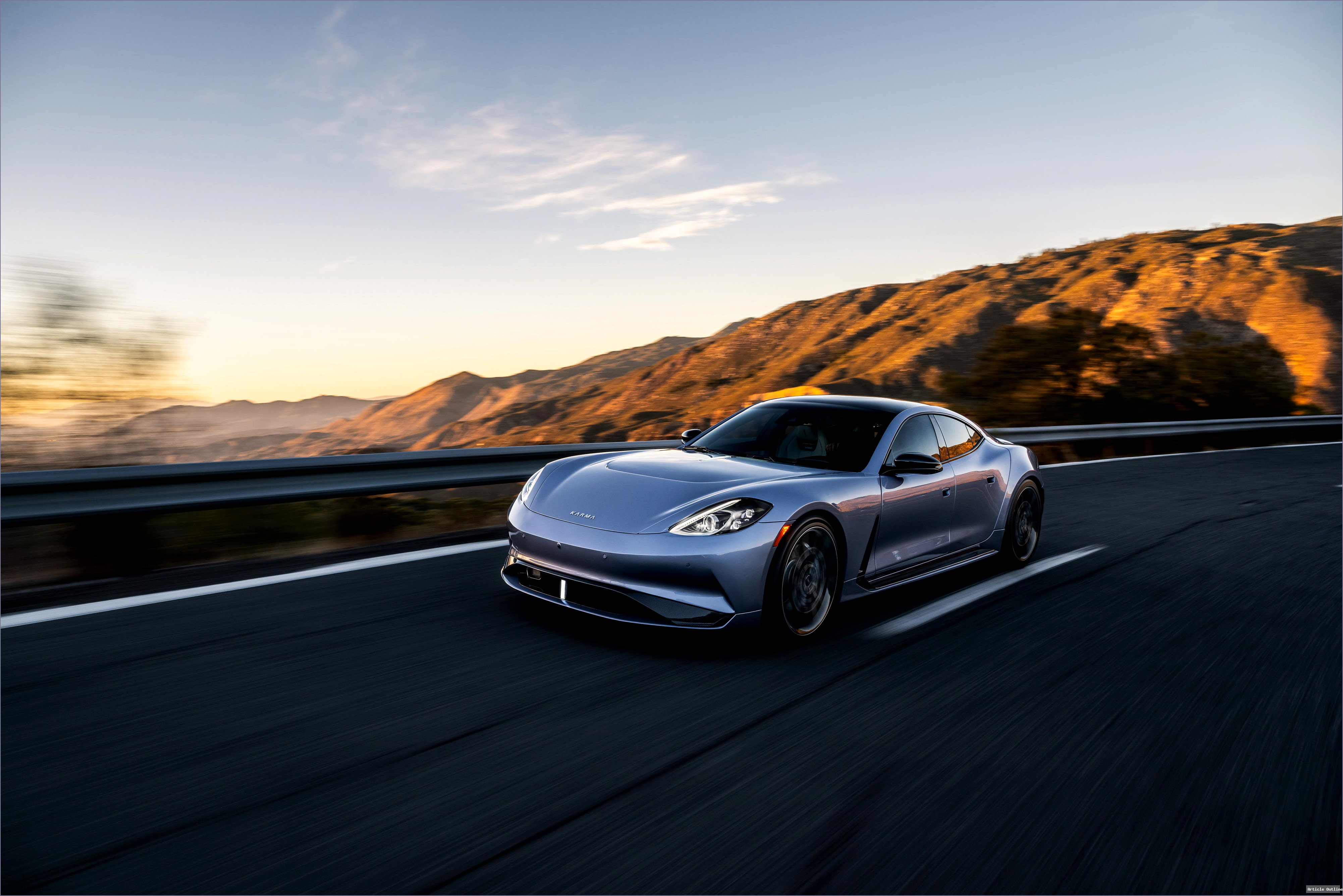
The 2027 Karma Gyesera Grand Coupe isn’t just another pretty face in the increasingly crowded world of electrified grand tourers—it’s a bold statement about the evolving intersection of design, technology, and driving experience. While headlines focus on its stunning exterior, there’s a lot more brewing under that curvaceous hood.
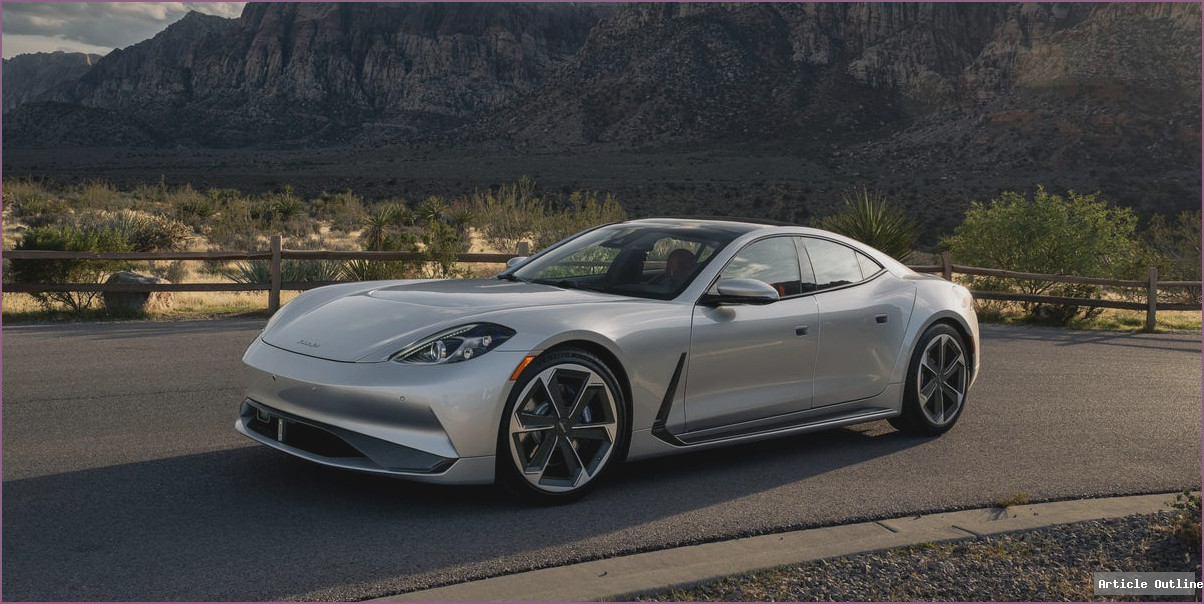
Let’s dig beneath the surface and explore what makes the Gyesera a fascinating (and possibly game-changing) entry into the luxury plug-in hybrid segment.
Why This Matters
- Karma is doubling down on the plug-in hybrid formula just when most luxury brands are going full battery-electric. This not only gives buyers options but also hedges bets in a rapidly shifting market.
- The Gyesera’s powertrain—BMW-sourced three-cylinder generator, 28-kWh battery, and rear-mounted dual electric motors—delivers a claimed 566 hp and 594 lb-ft of torque. That’s a significant leap over its predecessor, the Revero.
- Real-world usability: 80 miles of electric-only range (impressive for a PHEV) plus 360 miles total with the range extender. This combination is rare, making the Gyesera a practical yet thrilling choice for those not ready to commit to pure EVs.
What Most People Miss
- Weight vs. agility tradeoff: At just over 5,000 lbs, the Gyesera is no featherweight. But thanks to its extensive use of aluminum and carbon fiber, it manages to keep curb weight competitive for its class while still offering a long-hood, grand-touring silhouette reminiscent of classic GTs.
- Fifth-generation plug-in system: Many overlook the fact that Karma has been refining this tech for years, and the BMW engine acts purely as a generator—there’s no mechanical link to the wheels, a detail that distinguishes it from traditional hybrids.
- Performance compared to rivals: 0–60 mph in a claimed 3.7 seconds and a top speed of 150 mph puts it squarely in the ring with segment heavyweights like the BMW i8 (discontinued), Porsche Panamera 4 E-Hybrid, and even knocking on the door of some full EVs like the Audi e-tron GT.
Key Takeaways
- Karma’s persistence in plug-in hybrid territory is a strategic move—it’s targeting luxury buyers who want electrification without range anxiety, and who still crave a dramatic, hand-built grand tourer.
- Improved performance and range over the Revero mean this isn’t just a facelift—it’s a leap forward for the brand.
- The Gyesera’s design DNA ties back to the original Fisker Karma, blending classic proportions with modern tech, ensuring it doesn’t get lost amid the lookalike EV sedans rolling off assembly lines elsewhere.
Comparisons and Context
- Porsche Panamera 4 E-Hybrid: 455 hp, 0-60 in 4.2s, 17.9 kWh battery. Karma tops it in power, electric range, and acceleration.
- Bentley Flying Spur Hybrid: 536 hp, 0-60 in 4.1s, 18 kWh battery. Karma again leads in electric range and offers a more futuristic design ethos.
- Tesla Model S (EV): Full electric, >300 miles range, but lacks the PHEV flexibility and GT styling panache of the Karma.
Action Steps & Practical Implications
- If you’re a luxury enthusiast undecided between a full EV and a combustion engine, the Gyesera gives you the best of both worlds with long-range, fast charging, and a design that turns heads.
- Keep an eye on Karma Automotive—this isn’t just a one-off. Their continued investment in plug-in tech may set a trend if the pure-EV honeymoon ends for luxury buyers due to infrastructure or practical concerns.
“The Gyesera isn’t just about numbers—it’s about making electrification seductive again for grand touring aficionados.”
The Bottom Line
The 2027 Karma Gyesera Grand Coupe is more than a reboot—it’s a reimagining of how electrified luxury performance can look and feel. With its compelling blend of range, performance, and timeless design, Karma is making a strong case for the plug-in hybrid grand tourer as not just a stopgap, but a destination in itself.