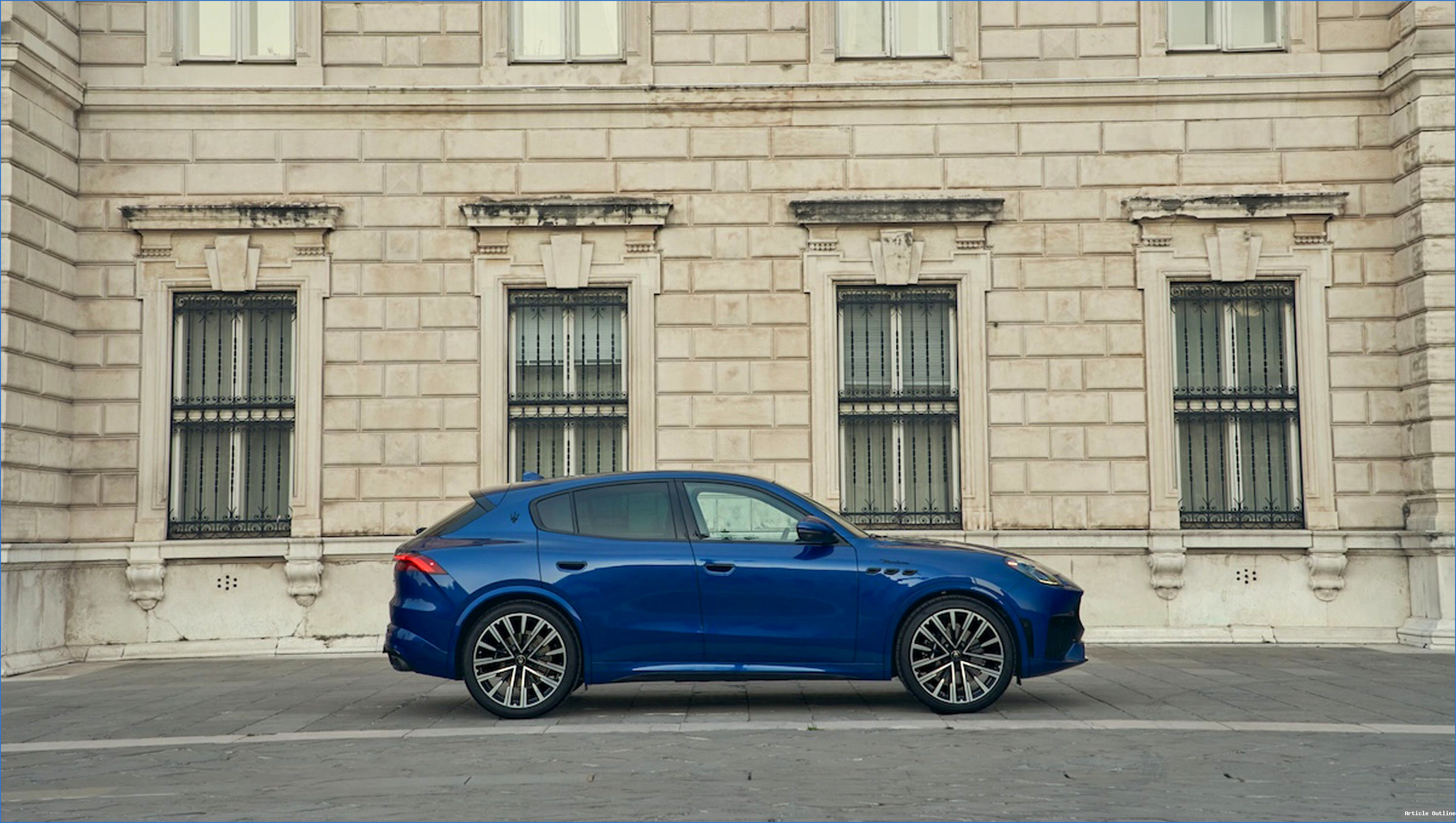
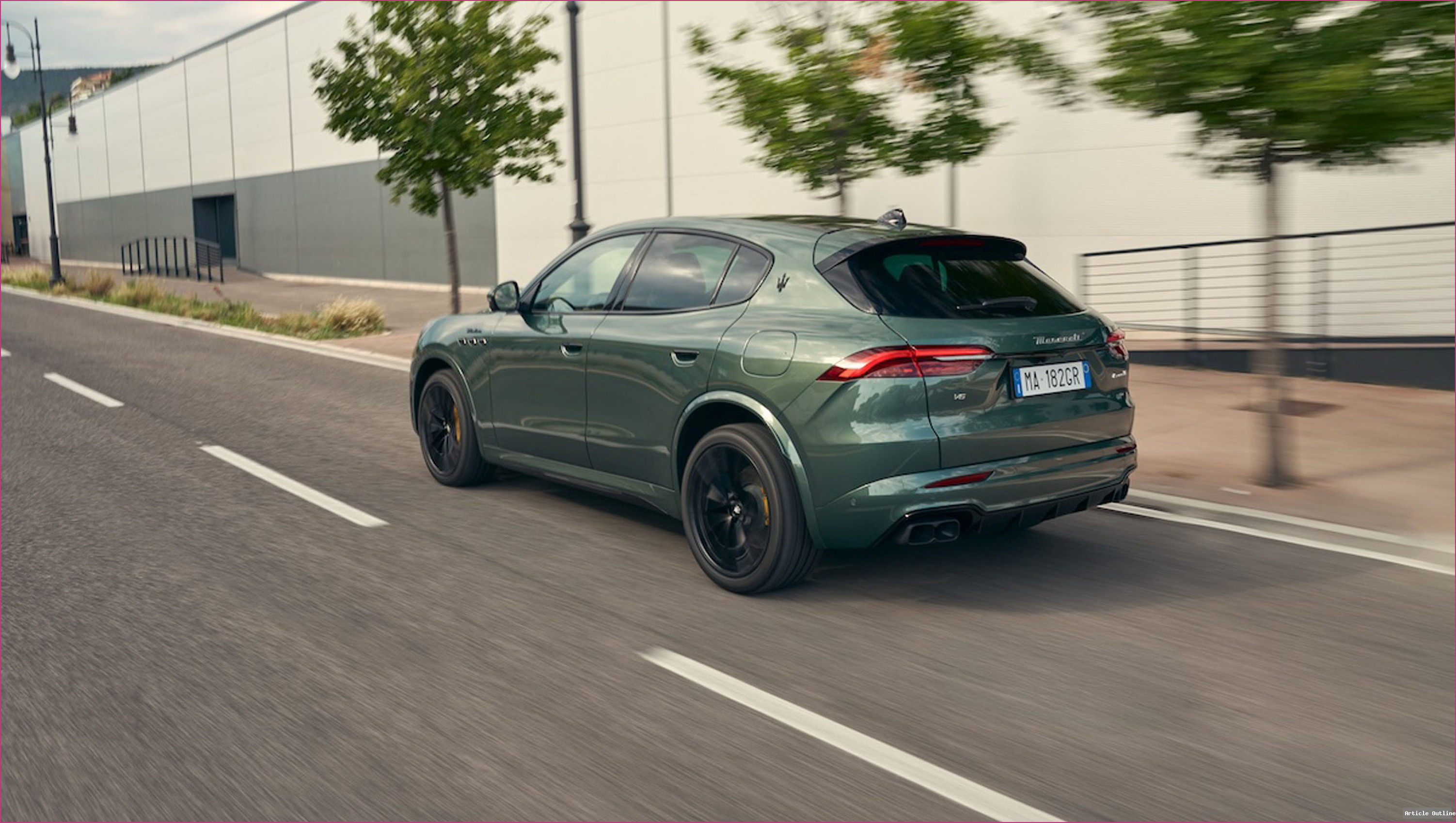
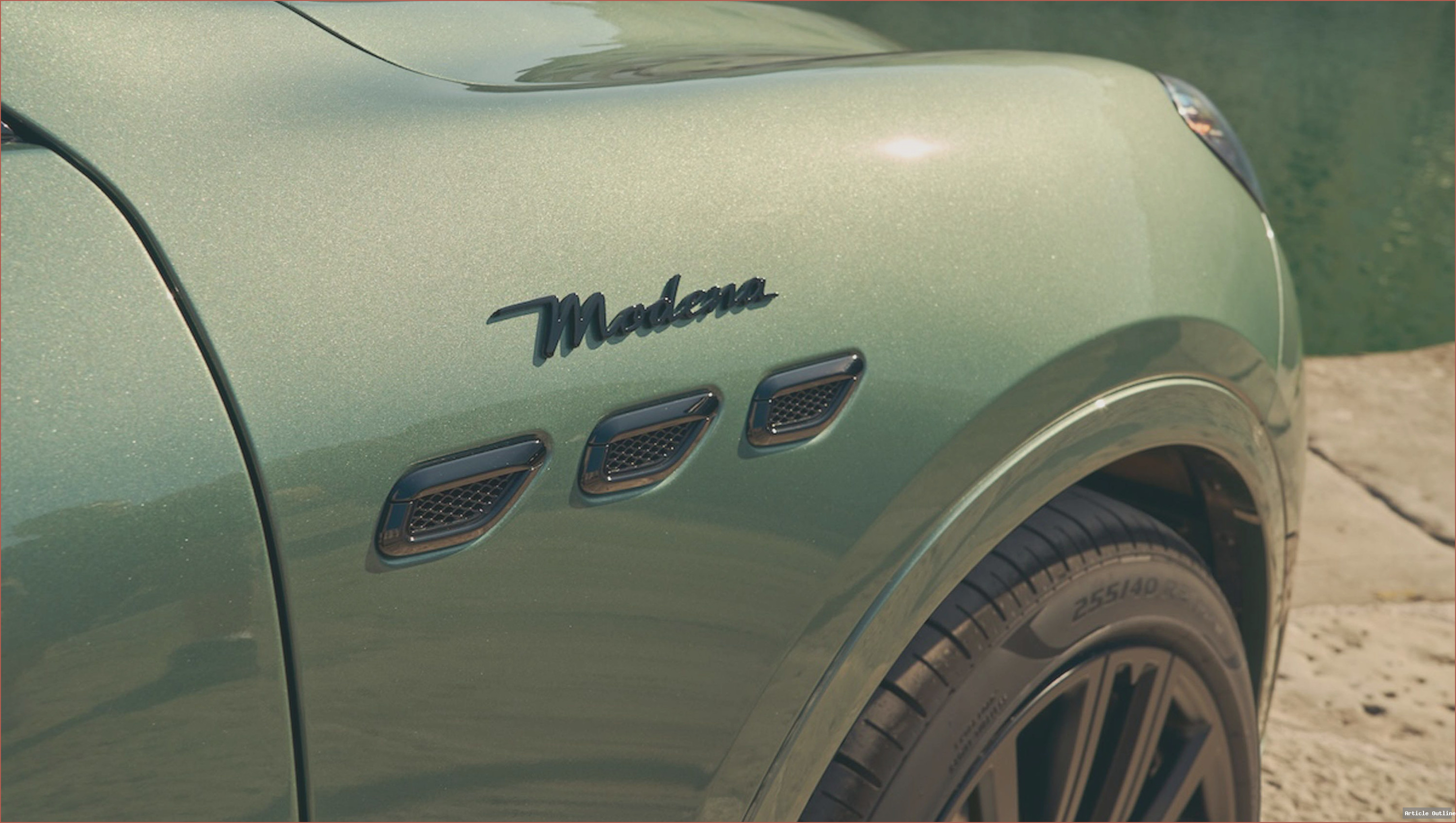
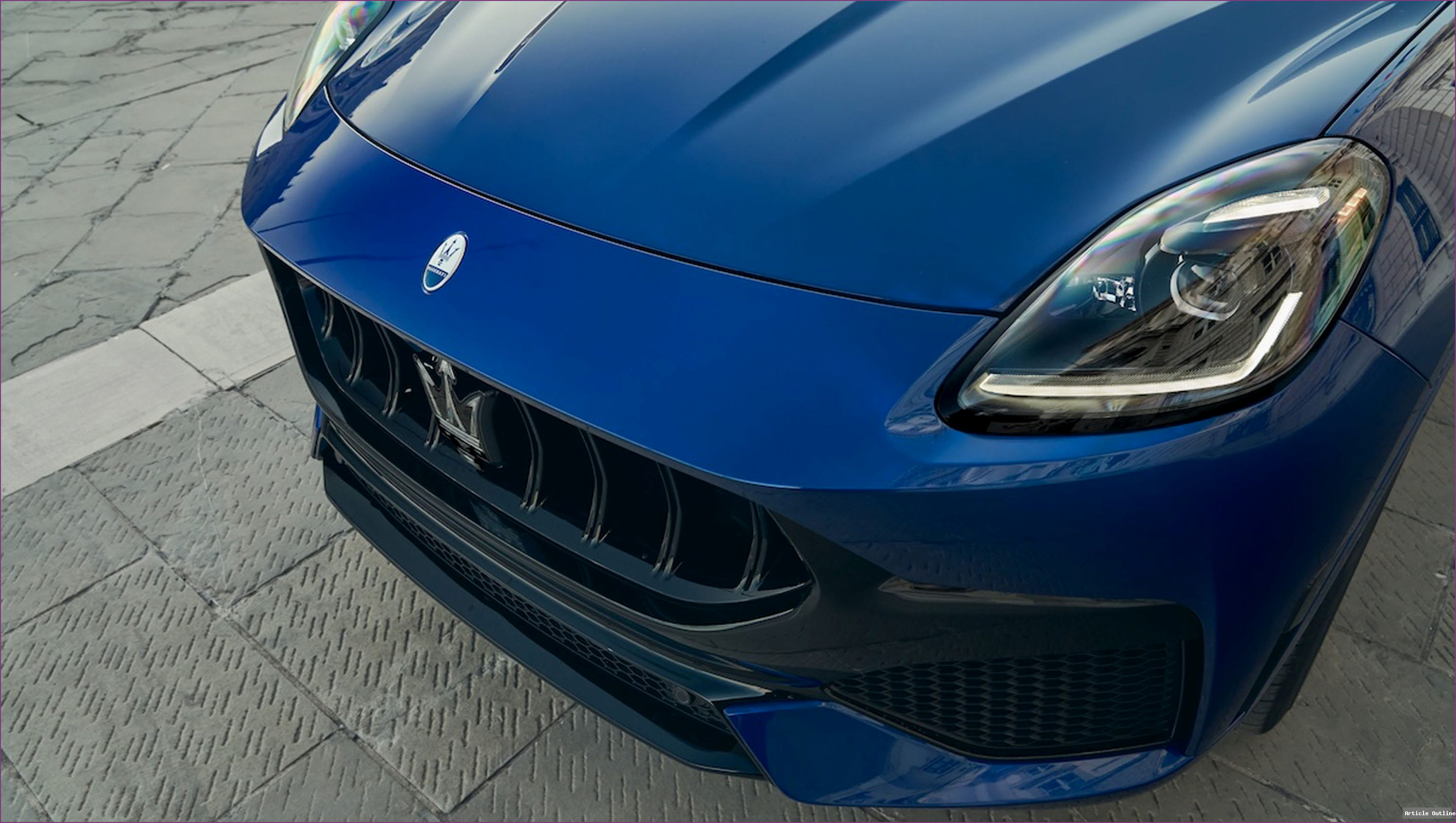
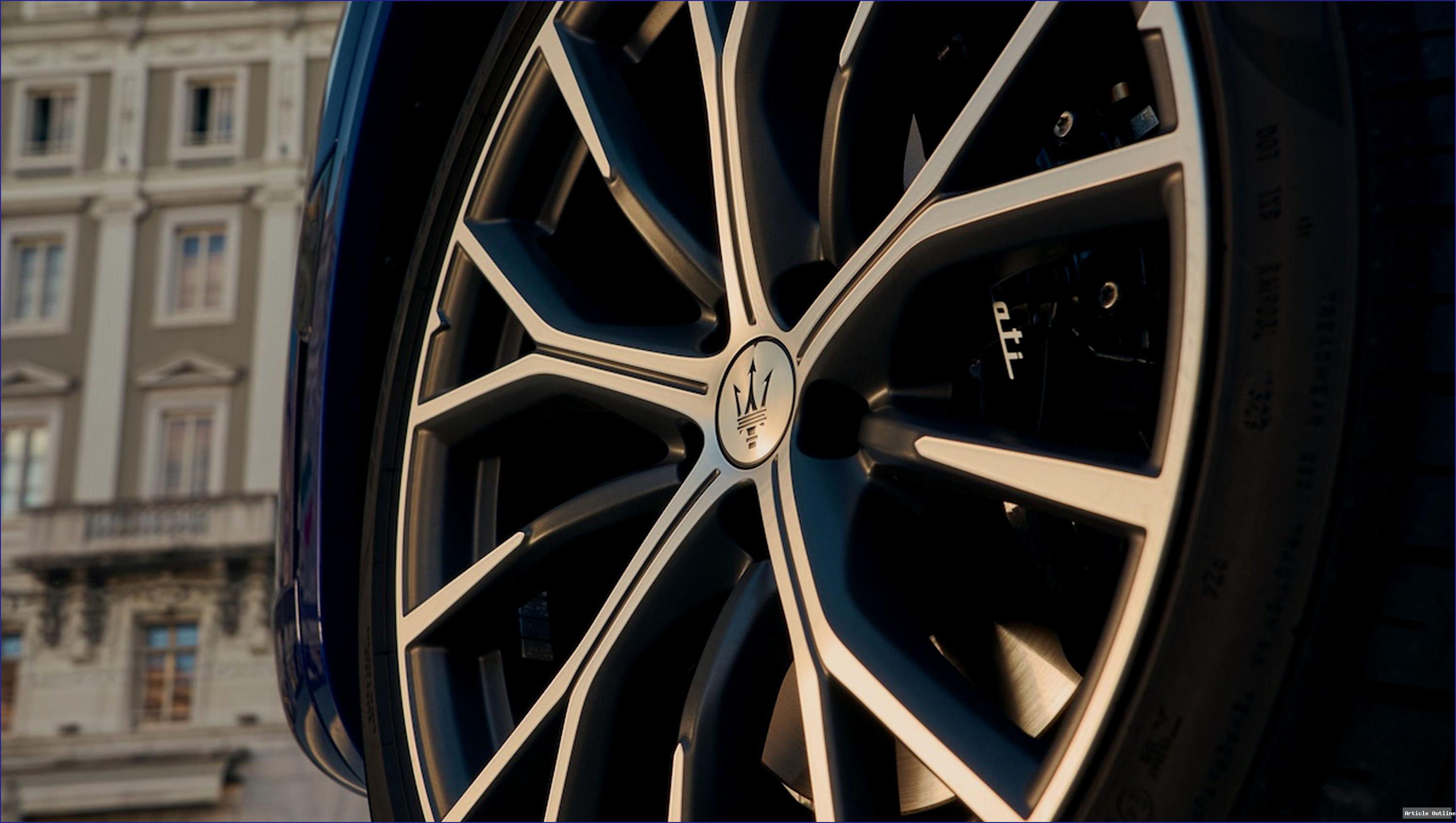
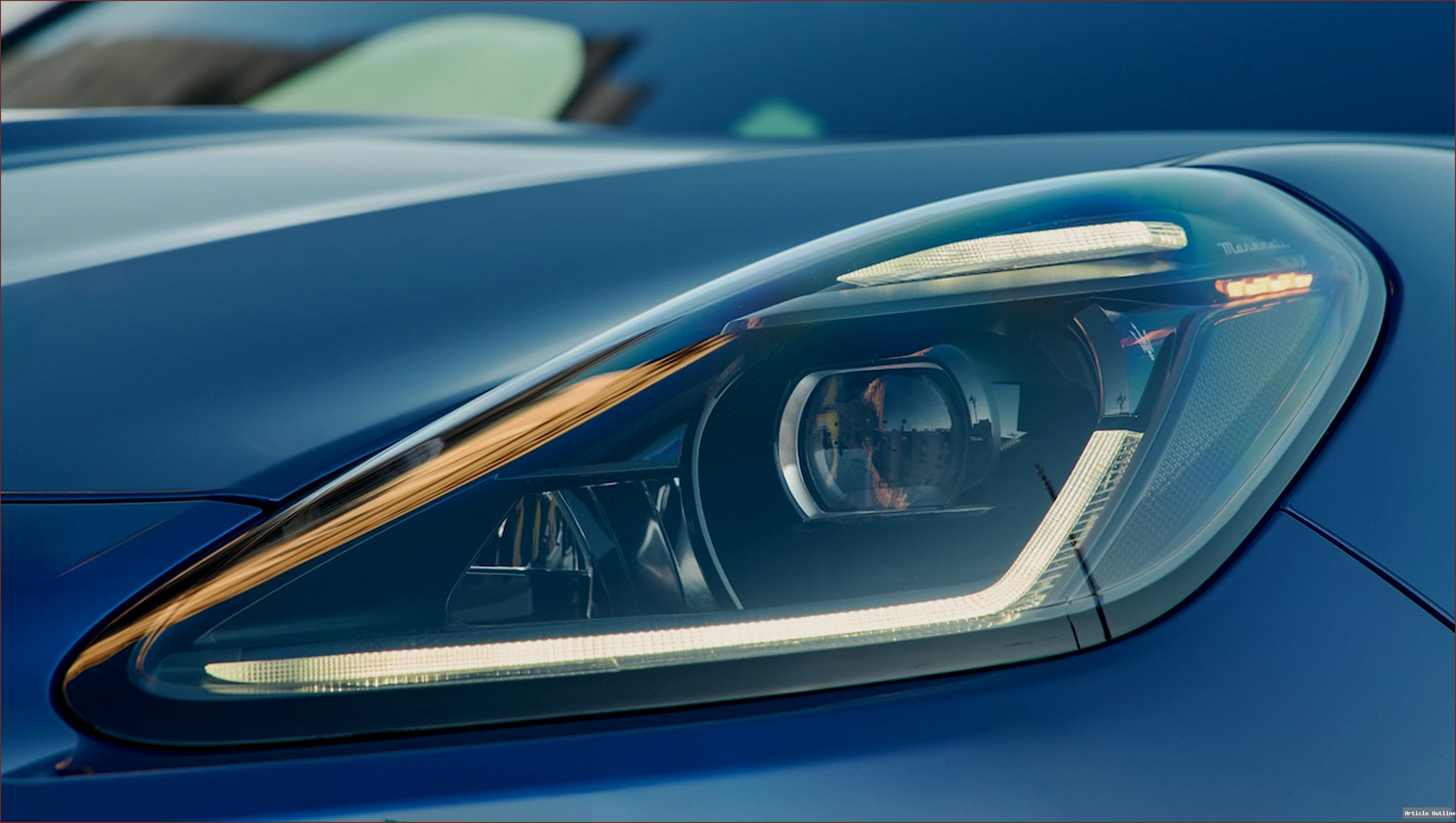
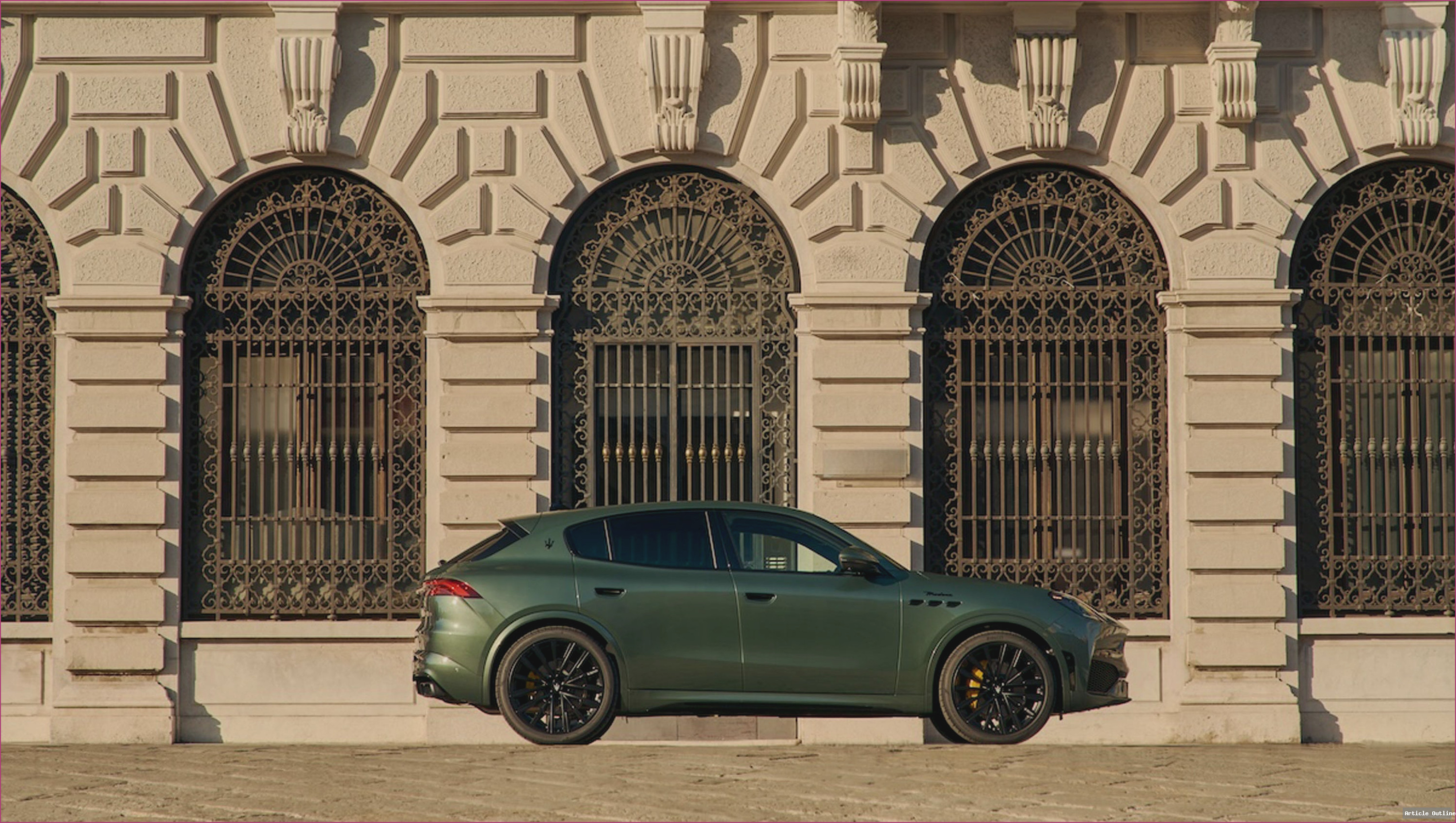
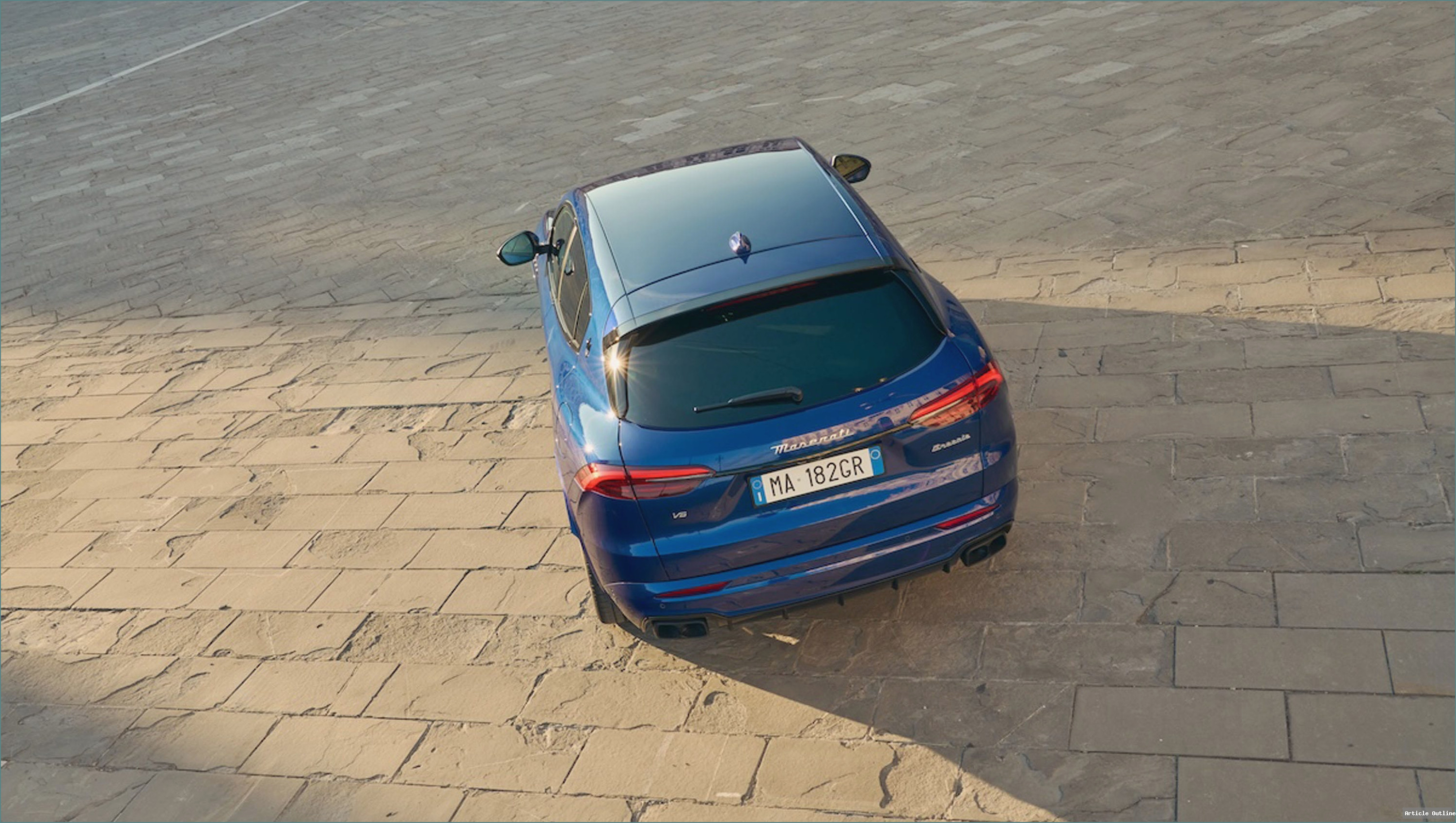
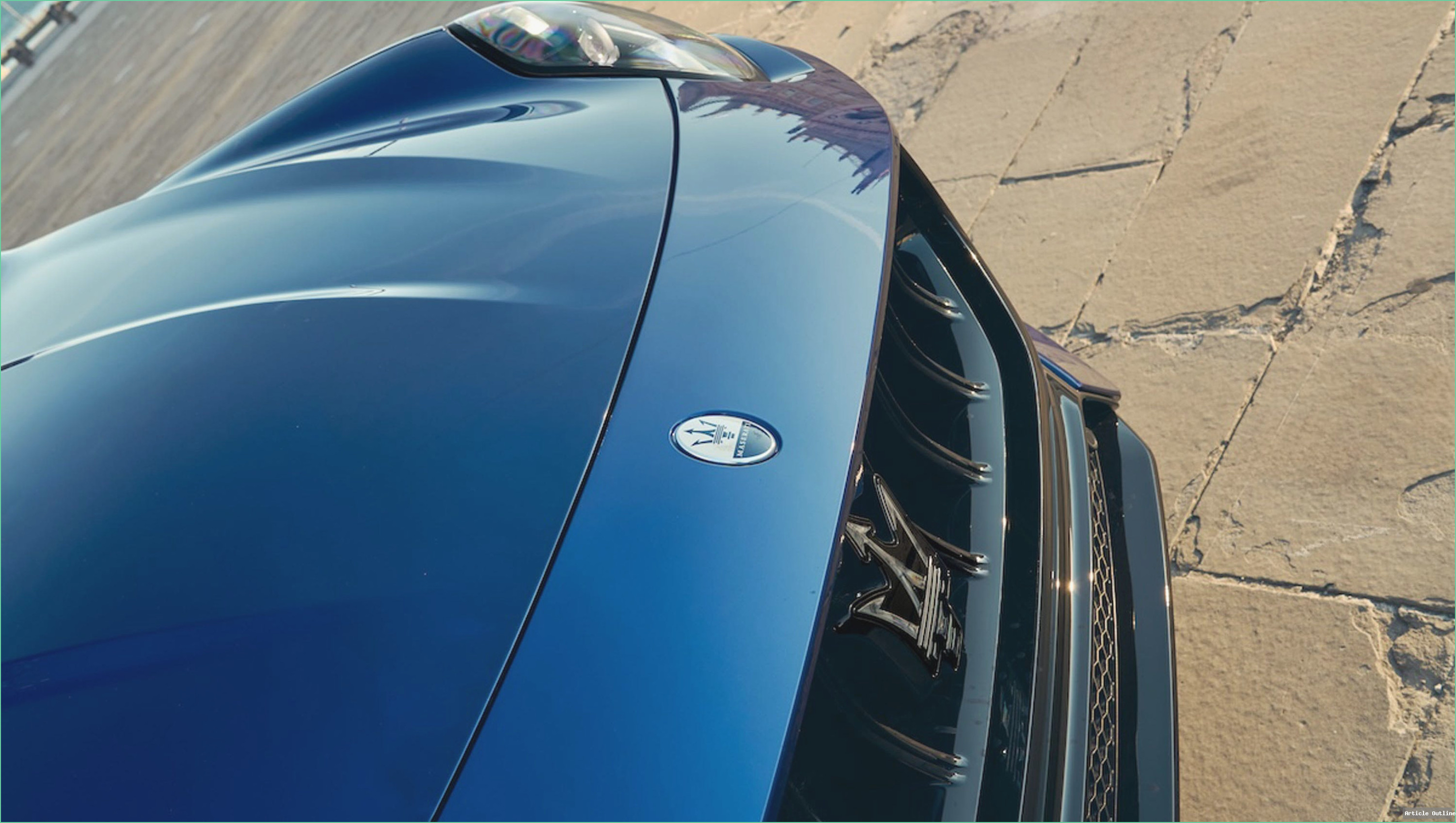
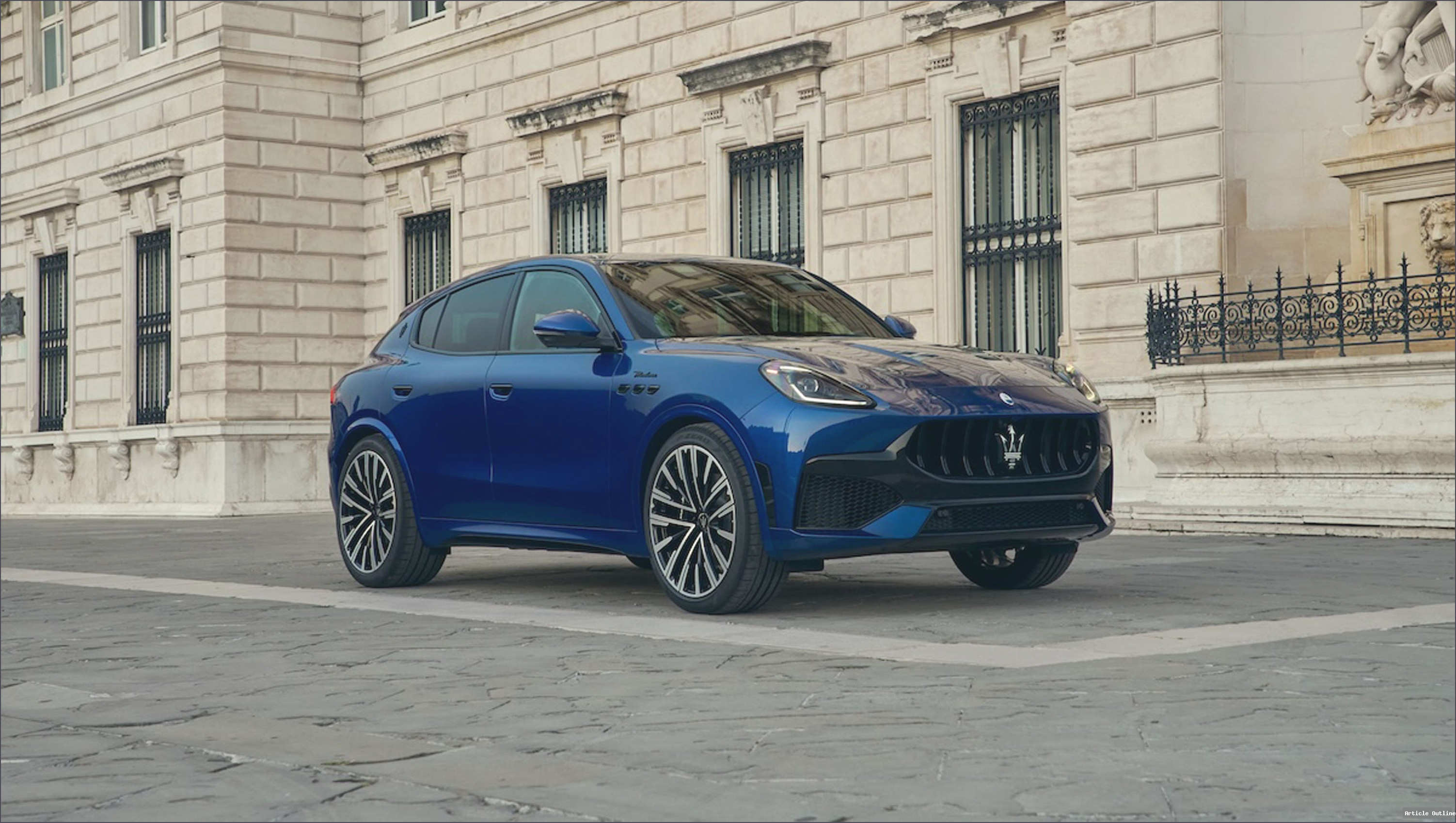
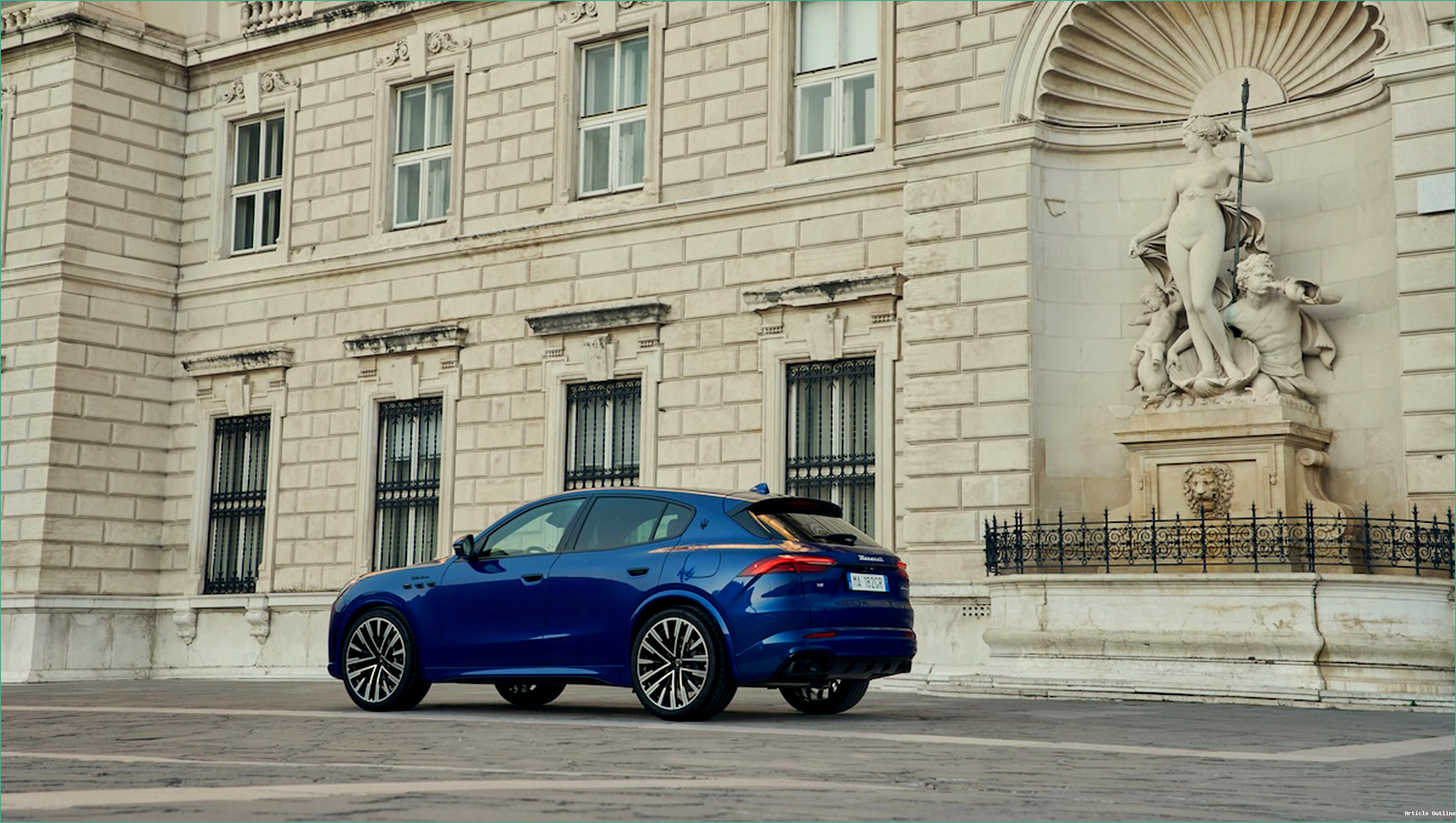
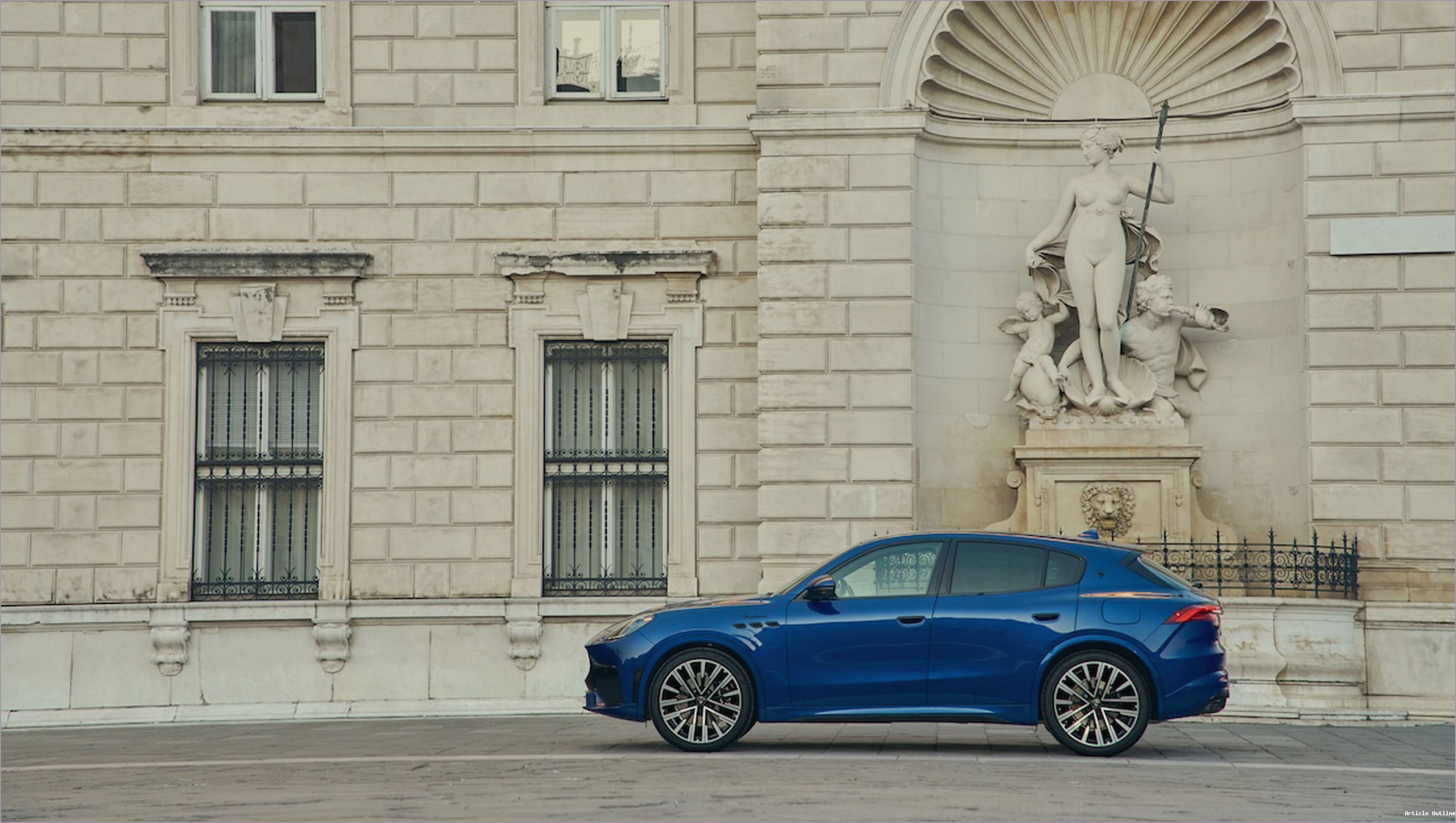
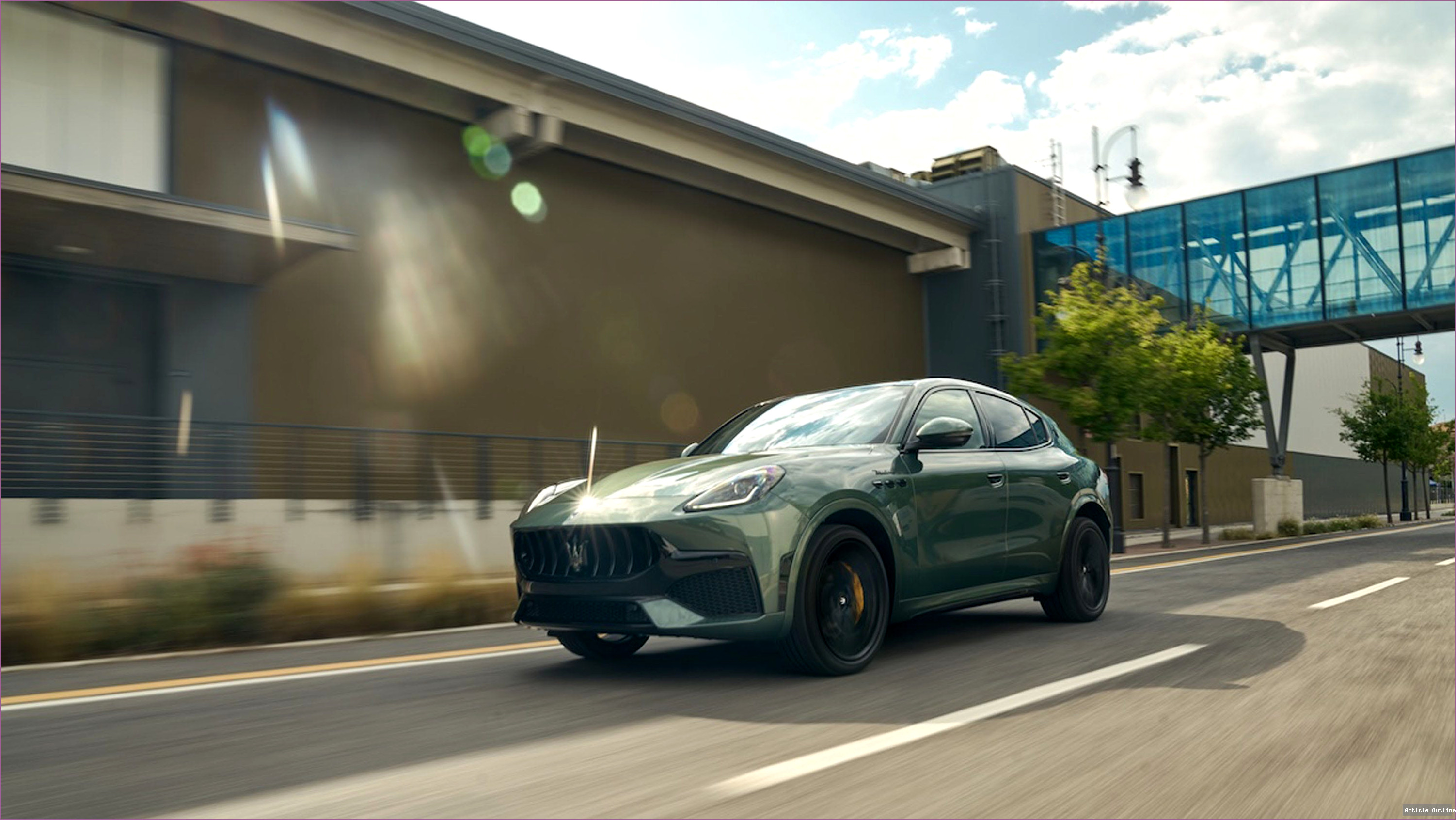
The 2027 Maserati Grecale Modena is more than just a pretty face—it’s a bold move for the Italian automaker in a fiercely competitive luxury SUV market. While most headlines focus on the new base trim and that signature Maserati style, there’s a lot under the hood (literally and figuratively) that reveals Maserati’s big-picture strategy. Let’s dig into why the latest Grecale is a game-changer—and what savvy enthusiasts should really pay attention to.
Why This Matters
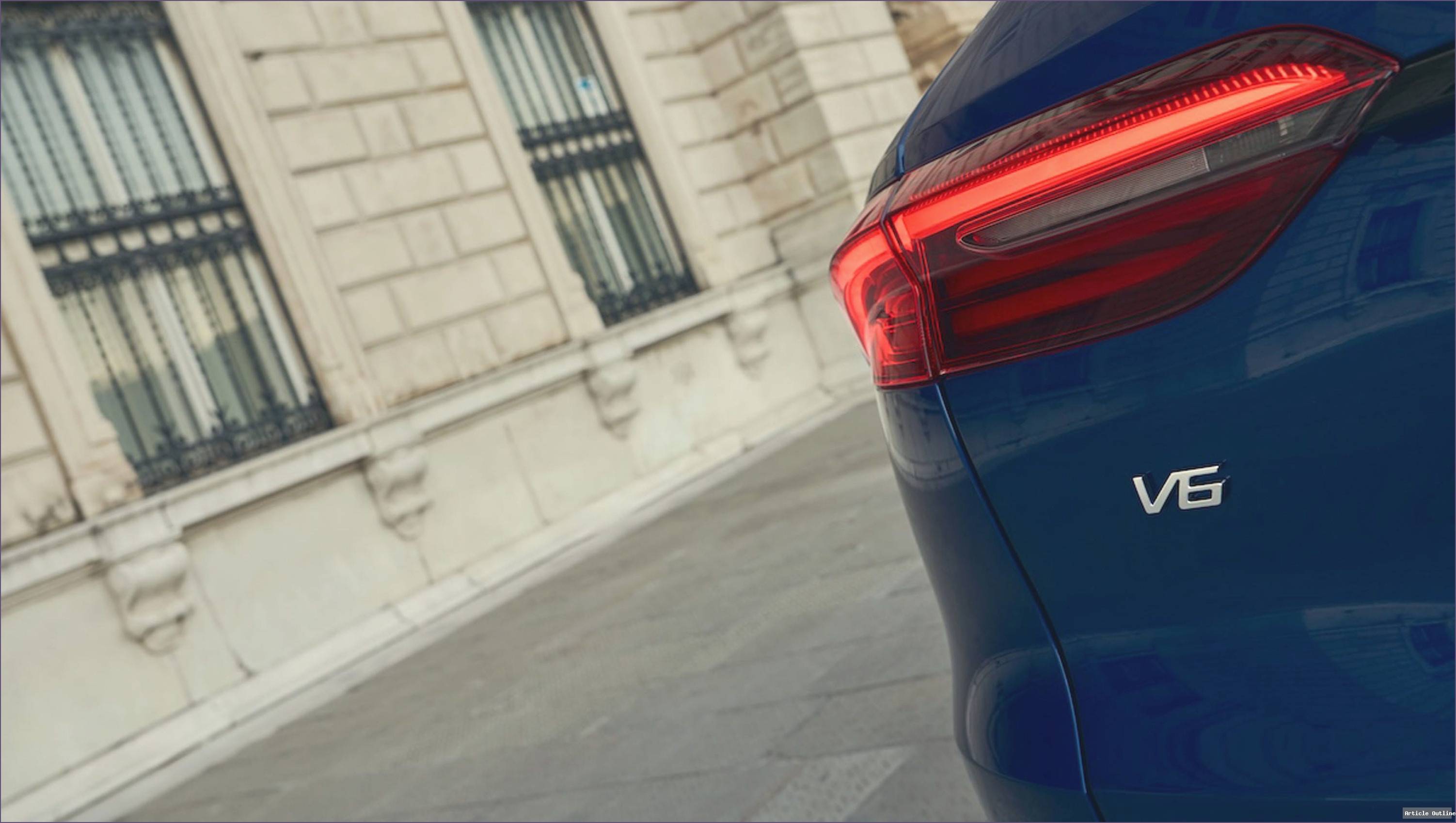
- V6 Power for All: Maserati’s decision to drop the four-cylinder option and make the twin-turbo Nettuno V6 standard across all gas-powered trims is a direct shot at segment leaders who still offer turbo-fours as base engines. This move isn’t just about power—it’s about brand identity and a promise of performance, even at the lower end.
- Price Point Play: Introducing a base trim under $80,000 could be a masterstroke. It lowers the barrier of entry for buyers wanting Italian flair without the $100K+ sticker shock. This could help Maserati grow its footprint in the U.S., a market where value and badge prestige are both king.
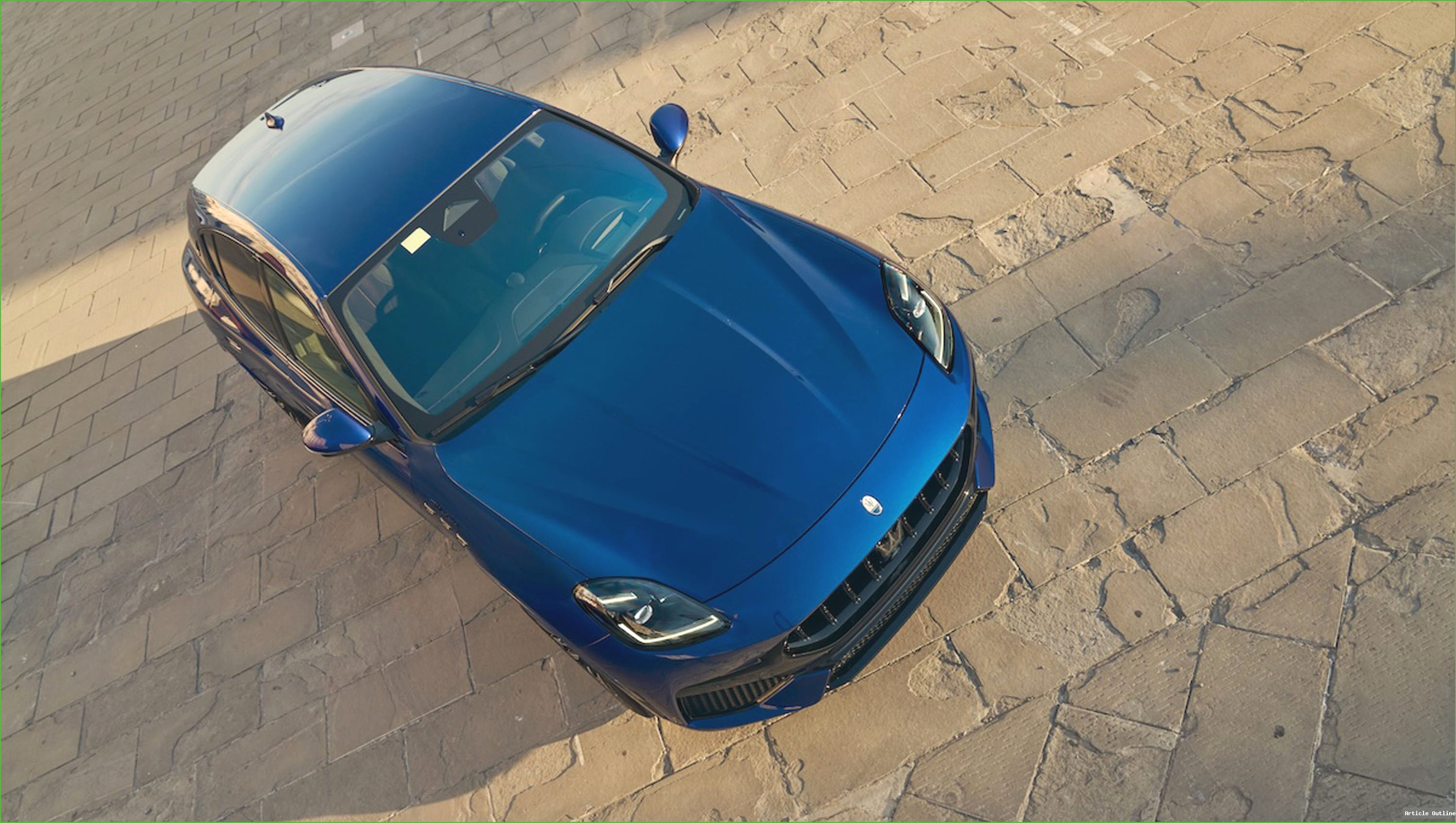
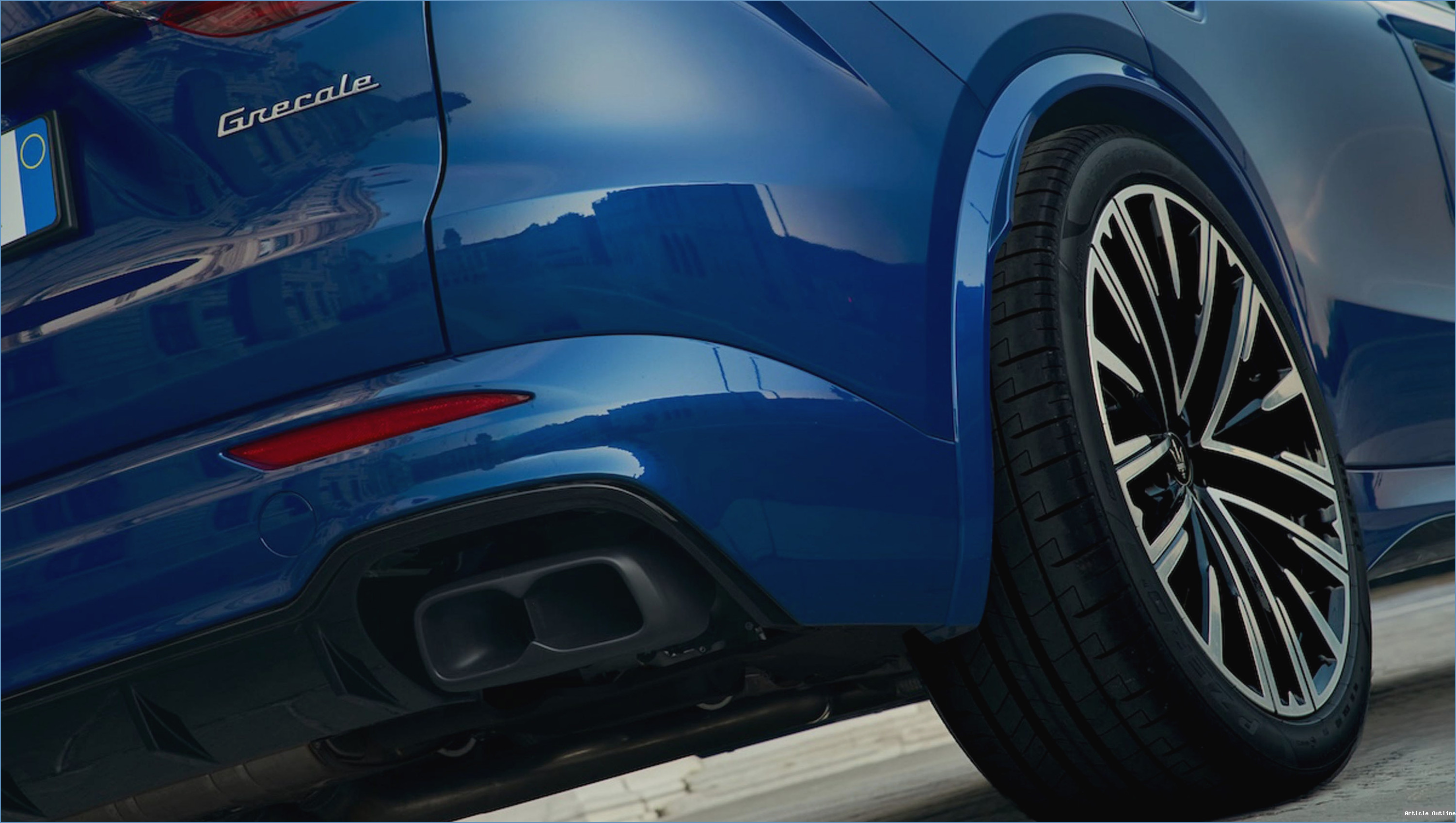
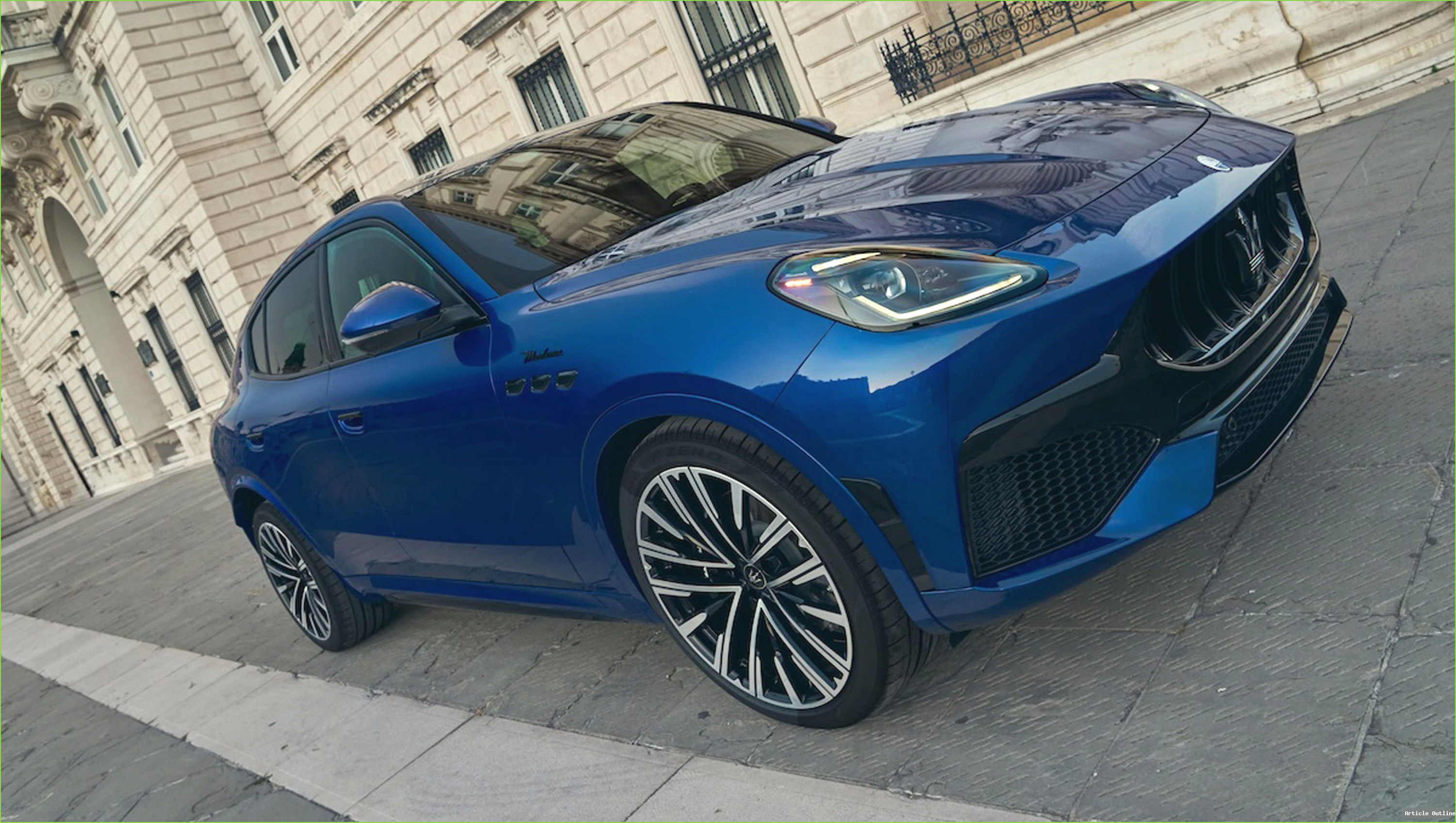
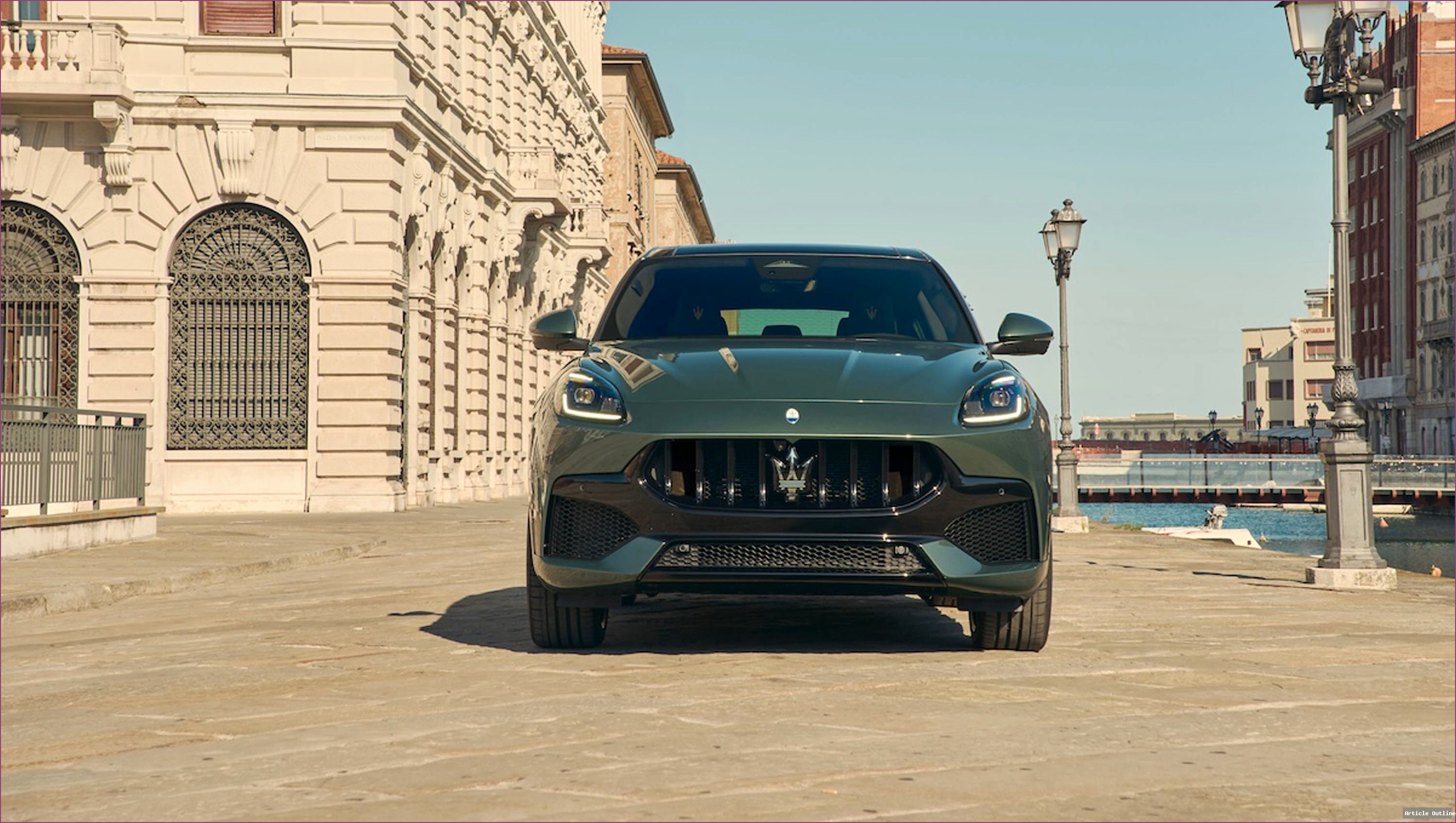
- Sharp New Looks: The 2027 update brings crisper front and rear styling, keeping the Grecale fresh amidst rapid luxury SUV design cycles.
What Most People Miss
- This Isn’t Just About More Power: The Grecale’s 385-hp V6 in lower trims and 523-hp in the Trofeo isn’t just about numbers—it’s about delivering Maserati’s signature sound, throttle response, and emotional appeal across the lineup. Many rivals (think BMW X3 or Mercedes GLC) still save their best for high-tier models.
- Brand Cohesion: By standardizing the engine across trims, Maserati is subtly tightening its brand DNA. It’s a way to ensure that even the most affordable Grecale feels like a true Maserati, not just a rebadged, lower-powered luxury crossover.
- Future-Proofing? With much of the industry moving to electrification, doubling down on a high-performance ICE engine is gutsy. Could this be one of the last purely V6-powered luxury SUVs before electrification takes over?
Key Takeaways
- Three V6 Trims—No Compromises: All Grecale gas models now come with a variant of the Nettuno V6. No more “entry-level” feel.
- Sub-$80K Maserati SUV: Makes the Grecale more accessible and competitive against the likes of the Porsche Macan and Range Rover Velar.
- Sharper Design, Minor Interior Tweaks: Maserati isn’t resting on its laurels, even as it locks in the powertrain formula.
How Does It Stack Up?
- Porsche Macan: Starts with a four-cylinder; V6 reserved for pricier GTS or Turbo trims.
- BMW X3 M40i: Six-cylinder, but the base X3 is still a four-pot.
- Alfa Romeo Stelvio: Shares some Stellantis DNA but lacks the unique Maserati Nettuno engine and brand cachet.
Pros & Cons
- Pros:
- Standard V6 power across the range
- Unique Italian design and sound
- More affordable entry point for the brand
- Cons:
- Potentially higher maintenance/fuel costs than four-cylinder rivals
- Still faces tough competition from established German brands
- Electrification gap—no mention of PHEV or EV for 2027
The Bottom Line
The 2027 Maserati Grecale Modena signals a return to performance-first, emotionally charged luxury SUVs—even for buyers not shopping at the top of the lineup. By standardizing a V6 and reworking its pricing, Maserati isn’t just updating a model; it’s firing a warning shot to rivals and reaffirming what the trident badge stands for: Italian soul, in every trim. If you want driving excitement and exclusivity (without a mortgage-sized payment), the latest Grecale just leapfrogged the competition.
Sources: