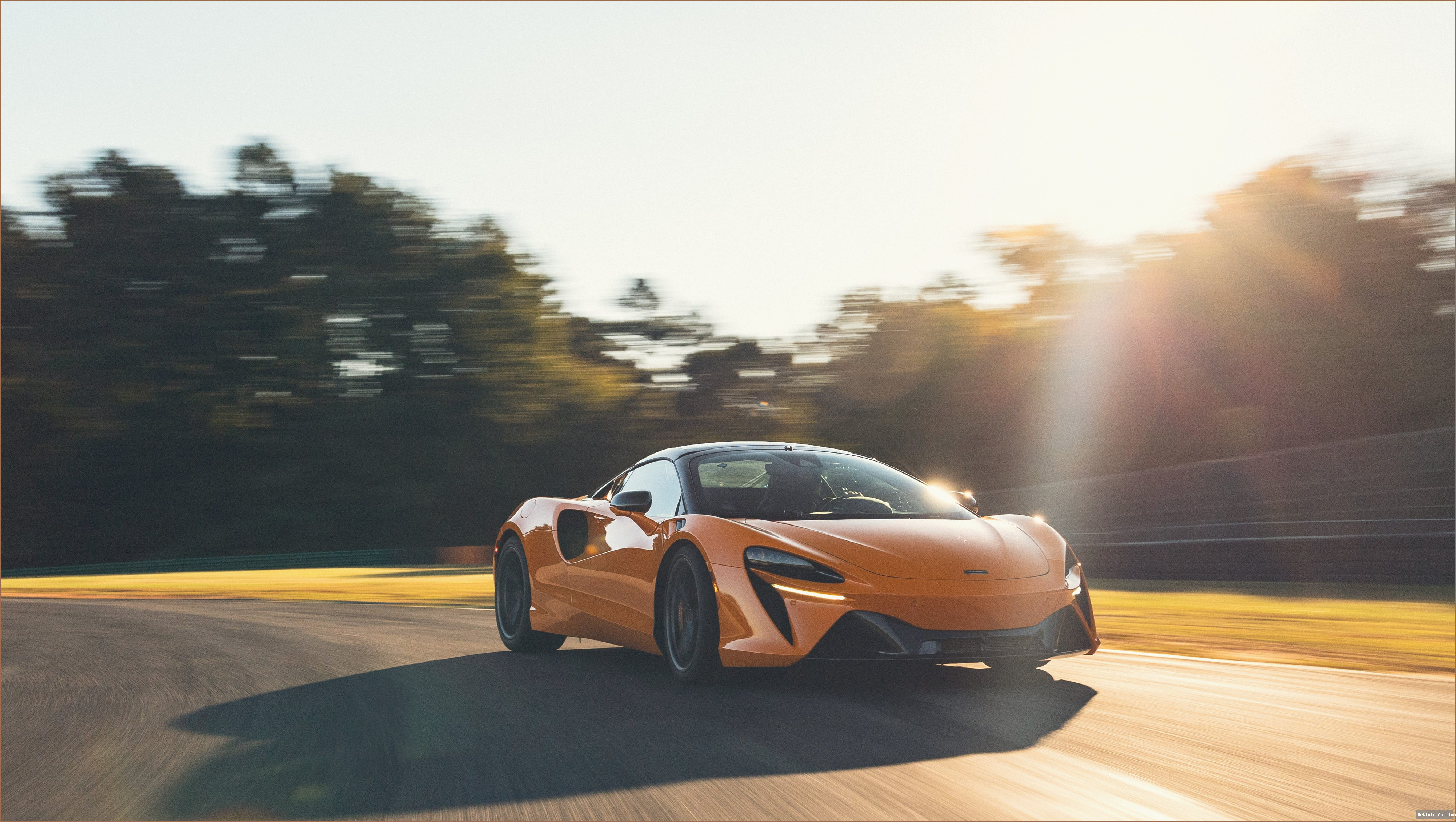
The 2027 McLaren Artura isn’t just another pretty face in the supercar world. It marks a seismic shift in how pedigree performance brands approach electrification—balancing the thrill of a McLaren with the demands of a changing automotive landscape. But what does this really mean for drivers, collectors, and the industry? Let’s dive in.
Why This Matters
Hybridization is no longer a compromise—it’s an evolution. The Artura’s plug-in hybrid system isn’t just about ticking the eco-friendly box. With 690 horsepower and a 0–60 mph sprint in 2.6 seconds, it proves that electrification can enhance, not dull, a supercar’s soul. For McLaren, a brand synonymous with V-8s and roaring exhausts, this is a bold statement: the future can be both green and exhilarating.

- First McLaren on the Carbon Lightweight Architecture (MCLA): This new platform reduces weight, offsetting the added mass from hybrid components.
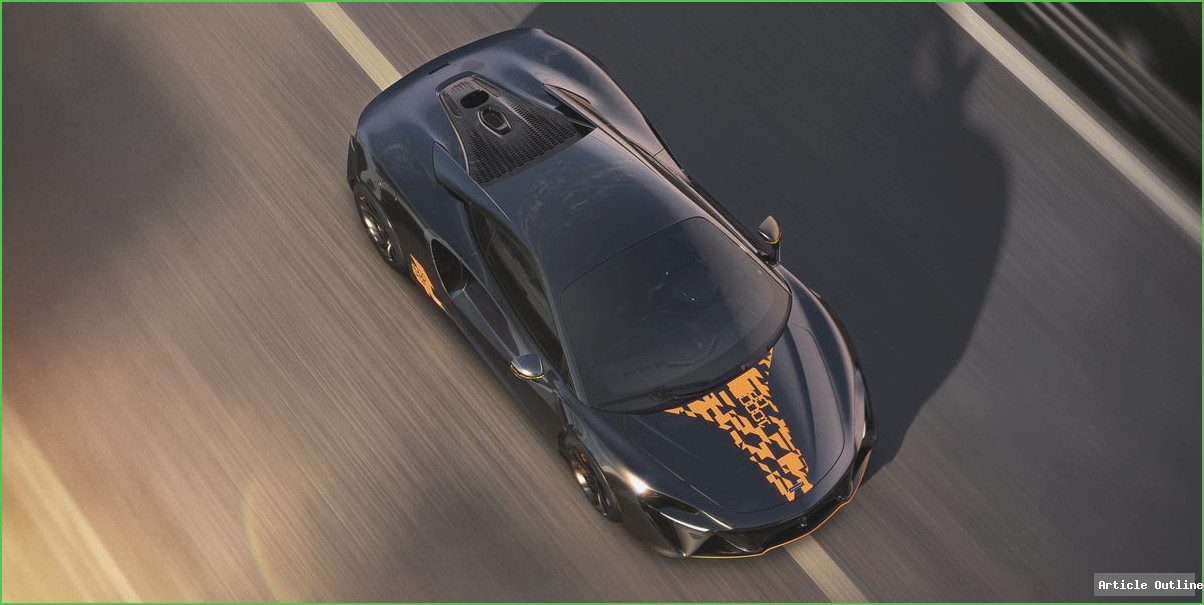
- Bespoke 1000GP Edition: Limited to just 10 units, it celebrates McLaren’s racing heritage and appeals to collectors hungry for exclusivity.
What Most People Miss
While headlines fixate on the power figures, there are crucial nuances:
- The EV-Only Mode isn’t just a gimmick: McLaren claims up to 21 miles (EPA says 11) of silent city driving. That’s not much by electric car standards, but for a supercar, it’s enough to slip out of your neighborhood without waking up the block—or the local authorities.
- Driver-Assist Tech is creeping into supercars: With standard lane-departure warning and available blind-spot monitoring, the Artura quietly makes these extreme cars more usable daily. That’s rare in this segment.
- Soundtrack matters: Early reviews docked points for lack of aural drama—a big deal for buyers. McLaren responded by tweaking the exhaust for 2025+, but purists may still pine for the V-8’s symphony.
Key Takeaways & Industry Context
- Performance isn’t sacrificed for efficiency: The Artura’s 2.6s 0–60 mph time is neck-and-neck with the Corvette E-Ray and Z06, showing hybrids can compete at the highest level.
- Luxury and practicality coexist: Minimalist interior, 6 cu ft front trunk, and Apple CarPlay show McLaren’s listening to modern drivers’ needs.
- Warranty and maintenance: Five years/unlimited miles with three years’ maintenance is notable—especially when compared to rivals who often offer less.
- Supercar buyers are evolving: Electrification isn’t just a regulatory necessity; it’s becoming an expectation, even among the most passionate enthusiasts.
Quick Timeline: Artura’s Evolution
- 2023: Artura launches, praised for dynamics but criticized for engine note.
- 2025: Exhaust note improved; open-top Spider arrives.
- 2027: 1000GP limited edition debuts; hybrid tech now core to McLaren’s identity.
Pros & Cons
- Pros:
- Blistering acceleration and handling
- Hybrid tech with real-world EV range
- Luxury touches and usable tech
- Improved warranty/maintenance coverage
- Cons:
- Still can’t match V-8 exhaust drama
- Cargo space is modest versus McLaren GT
- Infotainment system could be slicker
The Bottom Line
The 2027 McLaren Artura isn’t just a bridge to the future—it’s a statement that supercars can be electrified without losing their soul. For McLaren fans, it’s a new flavor of excitement. For the industry, it’s a sign that the hybrid supercar war is just heating up. And for buyers? It’s a chance to own a piece of tomorrow, today—albeit at a price that guarantees exclusivity.