The 2027 Mercedes-Benz C-Class EV isn’t just another electric sedan—it’s a statement about where luxury, technology, and performance are heading in the automotive world. With a jaw-dropping 482 horsepower, an estimated 400-mile range, and a cabin that feels more Silicon Valley than Stuttgart, this all-electric C-Class sets new standards for what we should expect from a premium compact sedan.
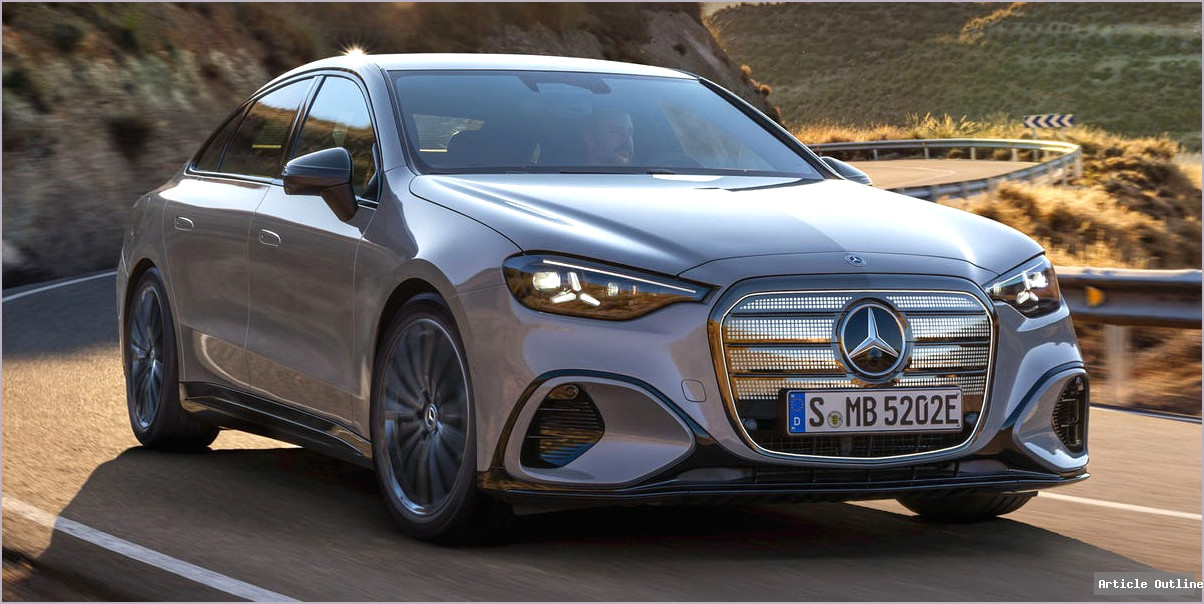
But beneath the spec sheet and the hype, there’s a lot more going on. Let’s dig into why this launch matters, the hidden nuances most people overlook, and the lessons this car offers for the industry and buyers alike.

Why This Matters
- Mercedes is signaling the end of the internal combustion C-Class—the electric version will likely become the benchmark for the brand’s most important sedan lineup.
- The luxury EV war is heating up. With the C-Class EV, Mercedes is taking direct aim at the BMW i4, Audi A6 e-tron, and Tesla Model 3 Performance, pushing the segment in both performance and refinement.
- The use of 800-volt architecture and ultra-fast charging (up to 330 kW) shows Mercedes wants to eliminate ‘range anxiety’ and charging downtime as deal-breakers for premium buyers.
- This car will be the first exposure to EVs for many traditional Mercedes buyers—so getting it right (in quality, comfort, and driving enjoyment) is crucial not just for the model, but for the brand’s electric future.
What Most People Miss
- Smart Power Management: The rear motor runs full-time for efficiency, while the front motor only kicks in when needed. This not only saves energy but also makes the AWD system more dynamic.
- Cargo & Practicality Leap: The EV layout allows for 17 cubic feet of trunk space—five more than the gas C-Class—plus a small frunk. This is a game-changer for sedan practicality.
- Tech-Forward Interior: The dashboard merges three high-res displays under a single glass panel—12.3-inch driver, 17.7-inch center, and 12.3-inch passenger screen. It’s not just flashy; it’s a nod to how digital our driving experience is becoming.
- Charging Flexibility: Every C-Class EV can charge at both 800-volt and 400-volt stations—including Tesla Superchargers. This is a big deal for road-trippers and anyone worried about public charging infrastructure.
Key Takeaways
- Performance: 0-60 mph in a claimed 3.9 seconds (likely 3.8s in real-world testing), outpacing rivals like the i4 xDrive40 and Audi A6 e-tron.
- Range: An expected 400 miles EPA, making it one of the longest-range EVs in its class.
- Luxury: Standard nappa leather, customizable interior mood lighting, and options like a panoramic “star” sunroof—Mercedes isn’t compromising on opulence.
- Infotainment: Massive, responsive screens, video streaming capability, and optional augmented reality head-up displays set a new bar for in-car tech.
Industry Context & Comparisons
- The C-Class EV will likely start around $55,000, undercutting the larger EQE sedan, and targeting the heart of the premium market.
- It’s a direct answer to the BMW i4 and Audi A6 e-tron, but with superior range and charging speeds.
- Mercedes is leveraging lessons from its larger EQ models but focusing on making the C-Class EV agile, fun, and accessible—not just a tech showcase.
Pros & Cons Analysis
- Pros:
- Stunning acceleration and range
- Real-world charging flexibility (compatible with Tesla Superchargers)
- Ultra-premium interior with segment-leading tech
- More cargo space than gas C-Class
- Potentially more affordable entry-level CLA-class EV for budget-conscious buyers
- Cons:
- Regenerative braking system still needs refinement
- Rear seat foot room could be better
- Final pricing and U.S. specs may shift by launch
Action Steps & Practical Implications
- If you’re considering a premium EV sedan, wait for the C-Class EV’s real-world reviews—it could redefine the segment.
- Plan for a rapidly changing charging landscape—this car’s flexibility could future-proof your charging needs.
- If budget is tight, the upcoming CLA-class EV will offer much of this tech for less.
The Bottom Line
The 2027 Mercedes-Benz C-Class EV isn’t just a new car—it’s a bold move in the electric luxury race. It promises to deliver true Mercedes refinement, cutting-edge technology, and real-world usability in a package that’s surprisingly practical. This is the electric sedan that could finally sway diehard skeptics—and force rivals to up their game. Stay tuned: the future of luxury driving is arriving fast, and it’s wearing a three-pointed star.