The 2027 Mercedes-Benz GLE500e plug-in hybrid isn’t just another entry in the crowded luxury SUV segment – it’s a signpost for how performance, range, and tech are converging in the next era of green luxury vehicles. With a potent 429 hp powertrain and a projected 56-mile electric range, Mercedes is aiming squarely at both eco-conscious drivers and those who refuse to compromise on comfort, capability, or that badge on the grille.
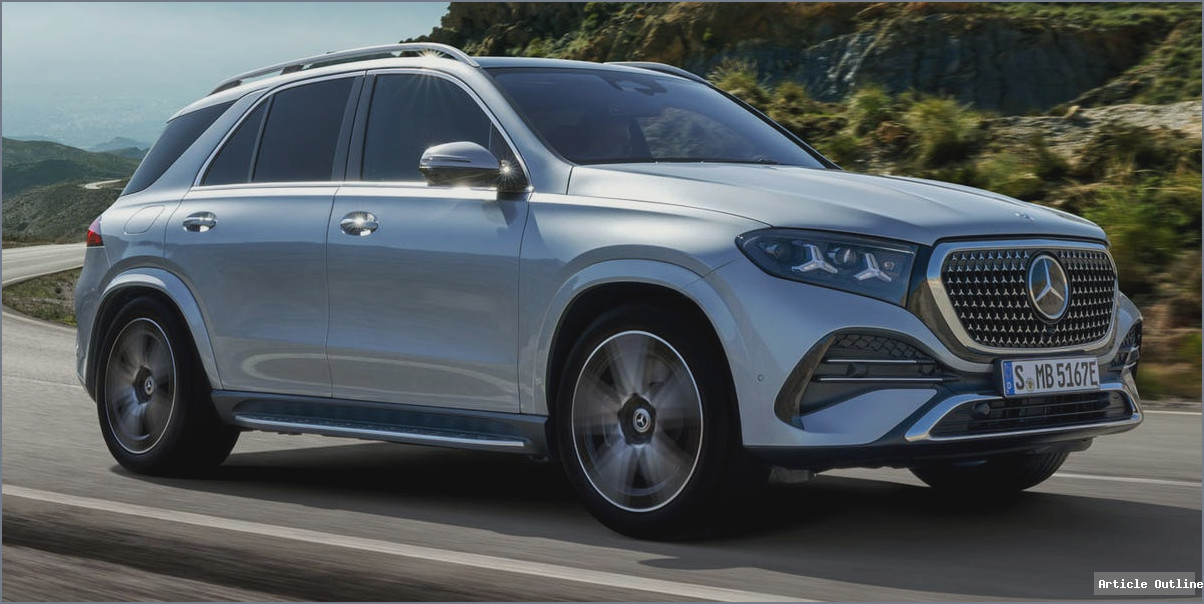
But does the GLE500e truly leap ahead of rivals, or is it just playing catch-up with a shinier badge? Let’s break it down with insights you won’t find in the press release.

Why This Matters
- The 56-mile EV range is a game-changer for plug-in hybrids in the U.S., almost double what most competitors offer. That means most commutes can be gas-free.
- 429 hp from a turbo inline-six + electric motor packs serious punch, easily eclipsing the “hybrid = boring” stereotype.
- This is a luxury SUV that can tow up to 7,700 lbs – a rare combination of green cred and muscle.
- The GLE500e’s arrival signals Mercedes’ commitment to electrifying its mainstream lineup, not just niche EV models or performance AMG badges.
What Most People Miss
- The GLE500e is strictly two-row – unlike its non-hybrid siblings, there’s no optional third-row seating. Battery placement eats into cabin layout, a subtle but important packaging trade-off.
- No complimentary maintenance – BMW and Volvo offer 3 years included, but Mercedes leaves owners to foot the bill. For a luxury brand, that’s a surprising omission.
- The claimed 0-60 mph time of 5.5 seconds is likely conservative; the less powerful GLE450e did it in 5.3 seconds in real-world testing. Expect the GLE500e to quietly embarrass some “sports” SUVs at the lights.
- The EV-only range is based on European WLTP cycles; expect a bit less in EPA tests, but it should still lead the segment.
Key Takeaways & Analysis
- Mercedes is betting big on plug-in hybrids – not just pure EVs. For many buyers, the ability to do most errands on electricity, but have gas for road trips and towing, is the sweet spot.
- Tech overload? The dash sports three 12.3″ screens (including one for the passenger) and enough connectivity to make a Silicon Valley engineer blush. For some, it’s cutting-edge; for others, it might feel overwhelming.
- Luxury uncompromised: Heated, power-adjustable seats, a panoramic sunroof, and high-quality materials come standard. But the loss of a third row could be a dealbreaker for some families.
- Competitive landscape:
- Porsche Cayenne E-Hybrid: Slightly more towing, less EV range, starts much higher in price.
- BMW X5 xDrive50e: Much less towing (6,603 lbs) and lower EV range (40 miles EPA), but includes maintenance.
- The warranty is average at best: 4 years/50,000 miles, with 8 years/100,000 miles on electric components. No free maintenance is a letdown at this price point.
Timeline & Trends
- 2024: GLE450e plug-in hybrid launches with less power, shorter range.
- 2027: GLE500e debuts with refreshed styling, more power, bigger battery, and new tech features.
- Industry trend: As EV adoption grows, plug-in hybrids are emerging as the “best of both worlds” option for buyers wary of charging infrastructure or range anxiety.
Pros & Cons
- Pros:
- Class-leading electric range for a PHEV SUV
- Strong acceleration and towing capacity
- Loaded with luxury and tech features
- Cons:
- No third-row seat option
- No complimentary maintenance
- Pricing TBD – expect a premium
The Bottom Line
The 2027 Mercedes GLE500e hybrid stands out not just for its luxury badge, but for delivering genuine EV usability without the “range compromise” of all-electric competitors. It’s a compelling choice for families and professionals who want green credentials, real-world utility, and tech-forward interiors, but aren’t ready to go fully electric just yet. If Mercedes prices it right—and maybe sweetens the deal with some maintenance perks—this could be the benchmark for plug-in hybrid SUVs in the next few years.