Horsepower wars aren’t just for muscle cars anymore. With the 2027 Polaris RZR Pro R Boost, the side-by-side market just got a turbocharged shot of adrenaline—and a new king of the off-road jungle. If you thought 250 hp was wild, Polaris just dropped a 275-horsepower bombshell on the competition, leaving even the most powerful Can-Am and Kawasaki offerings gasping for breath.
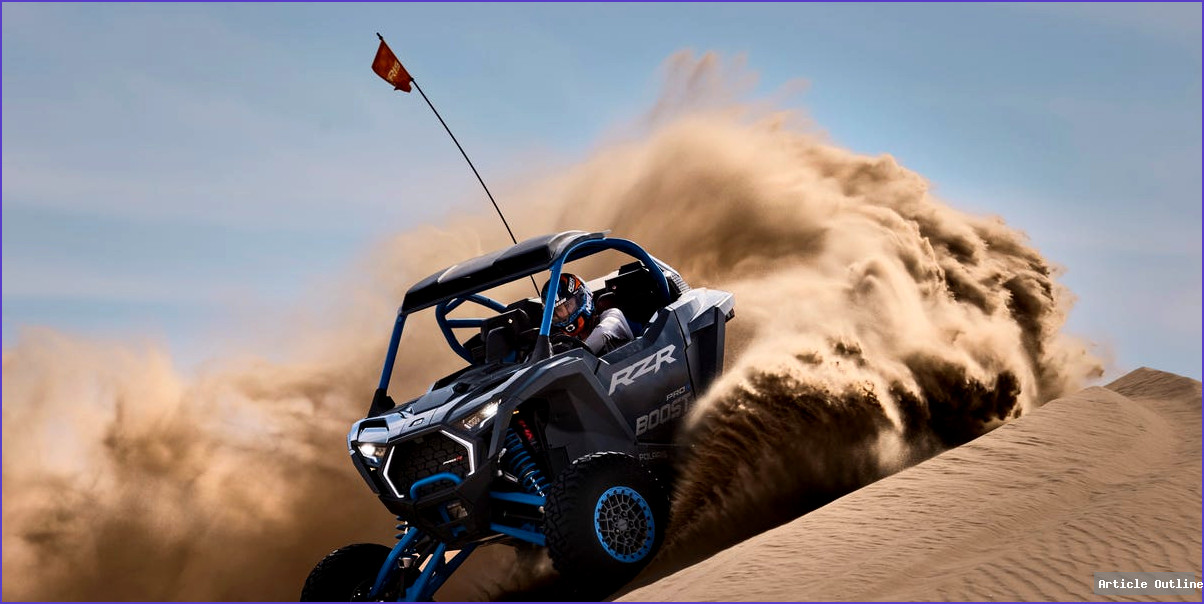
But why is this such a big deal? Let’s break down what this means for the industry, the thrill-seeking buyer, and the future of high-performance UTVs.
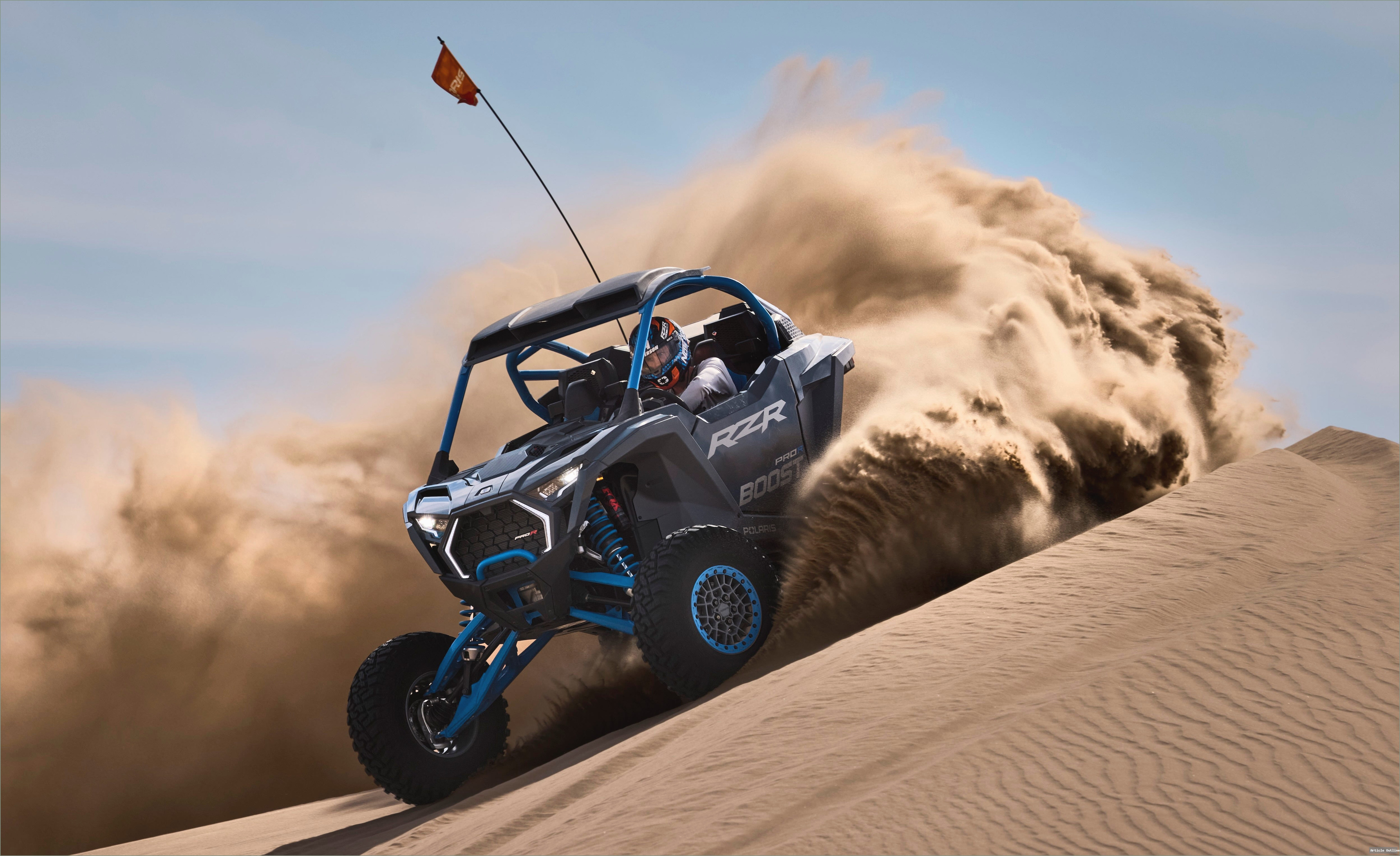
Why This Matters
- Benchmarks Are Shifting: With a turbocharged 2.0-liter engine cranking out 275 hp and 223 lb-ft of torque, Polaris isn’t just nudging past rivals—it’s obliterating them. The Can-Am Maverick R’s 240 hp and Kawasaki Teryx H2’s 250 hp suddenly seem modest.
- Usable Powerband: The real magic isn’t just peak horsepower. With 223 lb-ft at 6000 rpm and over 200 lb-ft as low as 3300 rpm, drivers will feel the torque everywhere, not just in a narrow band.
- Engineering Overkill? Nearly every driveline component is beefed up to survive this much grunt, from stronger half-shafts to a bigger clutch and improved cooling. Polaris knows you’ll want to push it to the limit—so they built it for battle.
Key Takeaways
- Unmatched Performance: No production side-by-side has ever offered this much power straight from the factory.
- No Power Fade Until 115°F or 10,000+ Feet: Polaris claims full output unless you’re deep in the desert heat or climbing mountains higher than Aspen. That’s rare in high-strung turbo engines.
- Pricing Reflects the Power: Starting at $49,999 for the two-seater (and $53,999 for four seats), this isn’t a toy—it’s the supercar of side-by-sides.
What Most People Miss
- It’s Not Just About Horsepower: The game-changer here is torque delivery. Compare Polaris’s 223 lb-ft to Kawasaki’s 146 lb-ft at a much higher rpm—the RZR Pro R Boost will feel lively and responsive across the rev range.
- Reliability Engineering: From a roof scoop-fed radiator to more robust CVT components, Polaris is clearly learning from the past—where too much power often meant blown belts and overheated engines.
- Weight-to-Power Ratio Still Rocks: Even though the new model is around 200 pounds heavier, the extra 50 hp more than makes up for it. Expect serious acceleration and hill-climbing prowess.
Industry Context & Comparisons
- A New Arms Race: Just a few years ago, 200 hp was a jaw-dropper. Now, Polaris is making 275 hp the new normal, forcing competitors to step up—expect a response from Can-Am and Kawasaki soon.
- Big Money, Big Thrills: With prices now cresting $50K, high-end side-by-sides are carving out a niche rivaling entry-level sports cars. Buyers are demanding (and getting) more tech, more comfort, and more bragging rights.
Pros and Cons Analysis
- Pros:
- Class-leading horsepower & torque
- Robust engineering for reliability
- Broad, usable powerband for all terrains
- Cons:
- High entry price—out of reach for casual riders
- Heavier than outgoing models
- Potential for increased wear if not maintained
The Bottom Line
The 2027 Polaris RZR Pro R Boost isn’t just a side-by-side—it’s a statement. Polaris is sending a clear message: the horsepower race is on, and they’re ready to lap the field. For serious off-roaders, it’s a dream come true. For everyone else, it’s a peek into the wild future of recreational vehicles. Whether this sets a new ceiling or just the next floor remains to be seen, but one thing’s for sure—no one’s walking away unimpressed.