Every sports car enthusiast knows the Subaru BRZ for its purity: rear-wheel drive, a naturally aspirated engine, and a manual transmission option. But with the just-announced 2027 BRZ pricing, fans might feel a bit of sticker shock for what appears to be a “blink-and-you’ll-miss-it” update. Let’s dig deeper than the headlines to see what’s really happening—and what it means for buyers and the sports car market.
Why This Matters
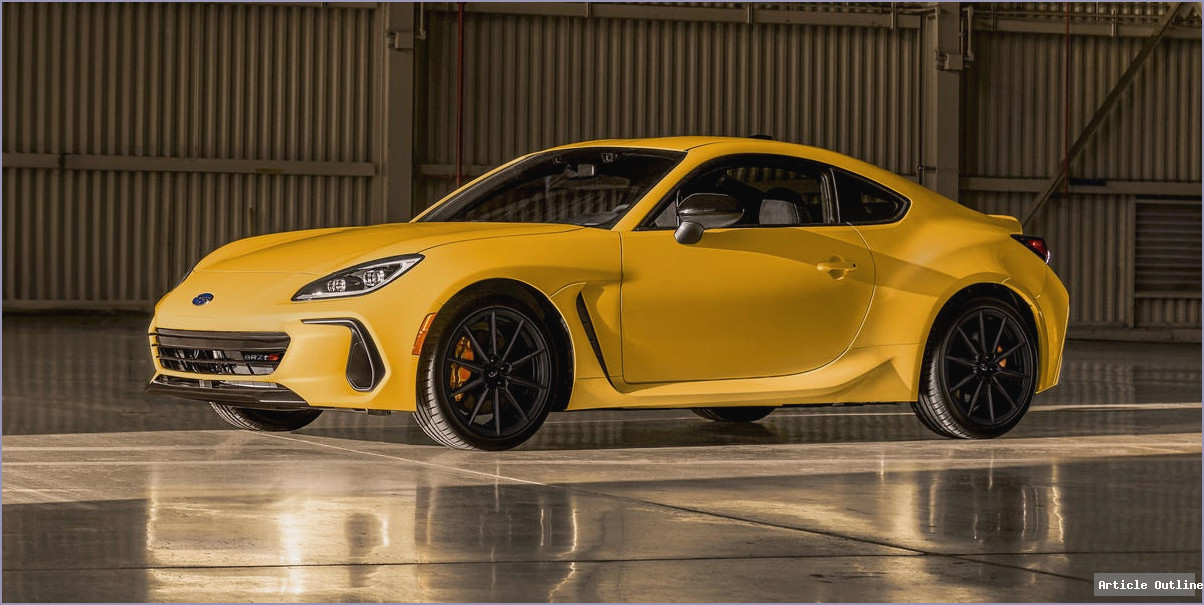
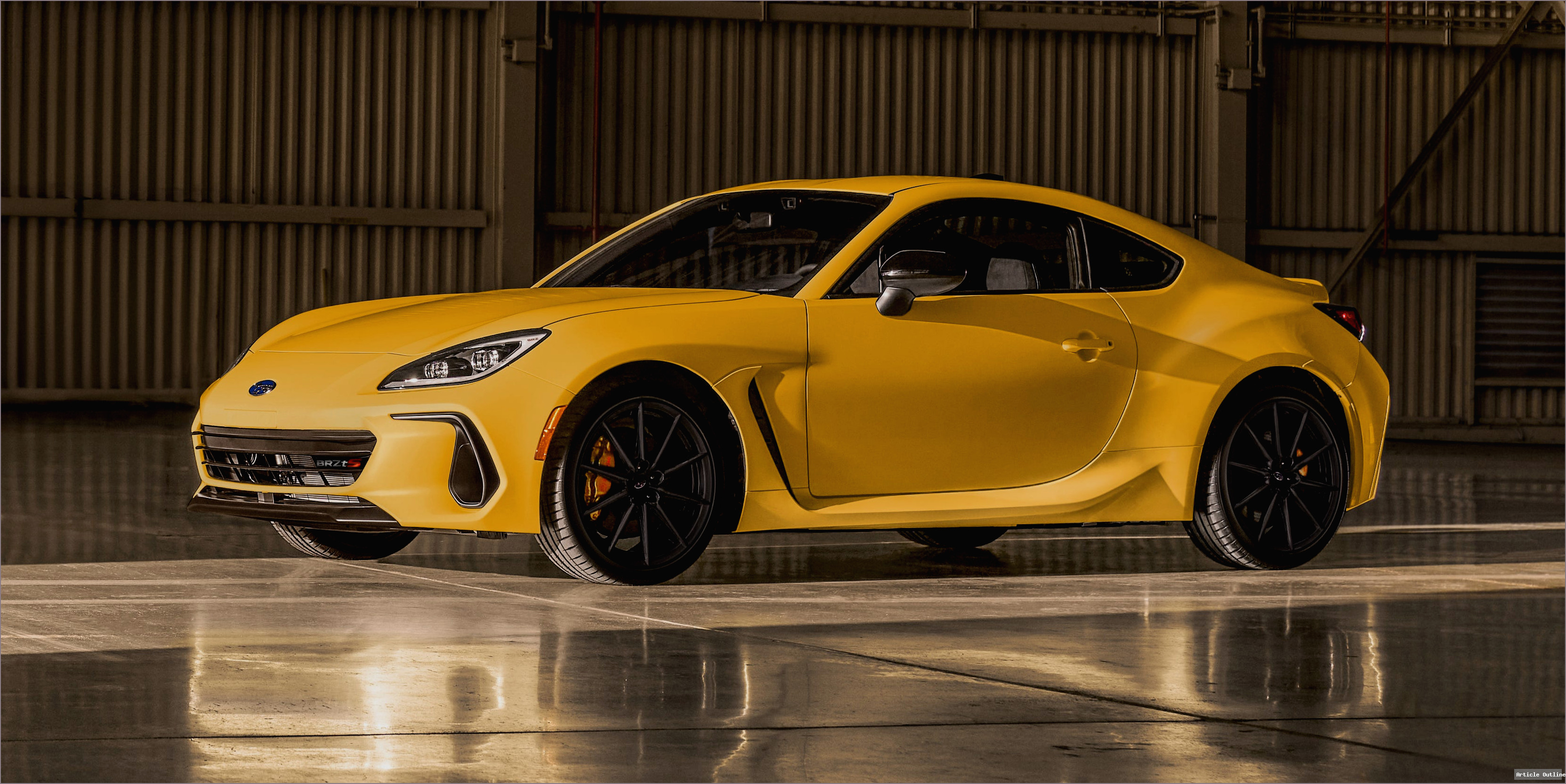
The price of fun continues to climb. The 2027 Subaru BRZ Limited now starts at $37,385, with the tS trim at $38,770. Compared to 2022’s base model, that’s a staggering $8,395 increase in just a few years. For a car celebrated for affordable, analog driving, this is a big deal. With inflation and regulatory pressures, even the most enthusiast-oriented vehicles are getting pricier—and not always meaningfully better.
What Most People Miss
- Updates are nearly invisible: The only changes are an updated EyeSight driver-assist camera (now with a wider field of view) on both trims, and rear parking sensors on the tS. No performance tweaks, no cosmetic changes, no new tech for the driving experience itself.
- Toyota’s GR86 remains the value champ: The 2026 GR86 starts at $32,695—almost $4,700 less than the BRZ. Unless Toyota surprises with a similar price jump, the Subaru now faces tough value competition from its twin.
- Price gap with rivals is widening: The Miata, Mustang EcoBoost, and even hot hatches like the VW Golf GTI now look relatively more attainable for performance per dollar.
Key Takeaways
- Minimal upgrades, maximum price increase: Buyers get a better safety camera and (for tS) parking sensors—hardly the stuff of enthusiast dreams.
- Long-term pricing trend is alarming: Since 2022, the BRZ’s MSRP has jumped over 29%—well above general U.S. inflation rates (roughly 16% cumulatively from 2022-2024).
- Subaru is testing brand loyalty: Will fans pay more for the same car, or will they look elsewhere as alternatives improve and the price gap widens?
Industry Context & Comparisons
- Sports cars vs. SUVs: Mainstream brands are focusing on crossovers and EVs, leaving sports cars as niche halo models—often with less frequent, less substantial updates and higher prices.
- Regulatory costs: Safety and emissions updates can drive up costs even when the car itself isn’t changing much. The EyeSight system upgrade may reflect this trend.
- Enthusiast market snapshot (2024): Miata starts at $29,215, Mustang EcoBoost at $31,640, and the new Nissan Z at $43,305 (but with more power). The BRZ now straddles an awkward middle ground.
Pros & Cons
- Pros:
- Still offers a manual transmission
- Rear-wheel drive dynamics remain unchanged
- Enhanced safety with EyeSight (for auto buyers)
- Cons:
- Price increases not matched by substantive improvements
- Value proposition eroding vs. Toyota GR86 and others
- No new performance or tech features for drivers
The Bottom Line
The 2027 Subaru BRZ’s biggest update is its price tag. Buyers passionate about the BRZ’s unique driving experience may swallow the increase, but the cold reality is that alternatives now offer more value—or at least, more change for your money. Car enthusiasts have always been resilient, but with every model year, automakers are testing just how much nostalgia and brand loyalty are really worth.
Timeline: BRZ Pricing Highlights
- 2022: New-gen BRZ launches at $28,990
- 2026: Limited trim at ~$37,055
- 2027: Limited at $37,385, tS at $38,770
Action Steps for Buyers
- Cross-shop the Toyota GR86 and Mazda Miata before committing
- Consider waiting for potential special editions or incentives
- Watch for Toyota’s 2027 GR86 pricing announcement