The 2027 Telo MT1 isn’t just another electric truck—it’s a bold reimagining of what a pickup can be in the EV era. Combining the charm of a Mini Cooper with the utility of a pickup, the MT1 challenges everything we expect from trucks, especially in a market obsessed with size and brawn. But what’s truly exciting is how it could reshape the conversation around urban utility, electric power, and what American drivers actually need.
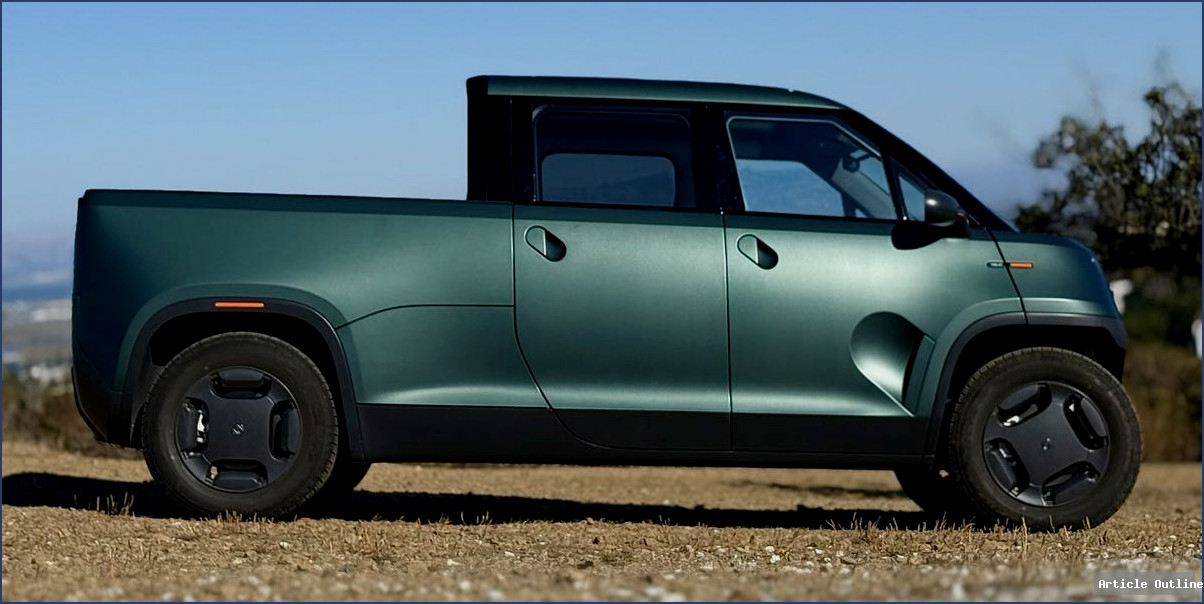
Let’s dig into why this matters—and what most people might be missing about the Telo MT1.

Why This Matters
- Urbanization & Changing Lifestyles: With cities getting denser and parking scarcer, a compact truck with serious range and power could be a lifeline for urban dwellers who still need utility.
- Right-Sizing the Pickup: The MT1 challenges the American trend of “bigger is better” by proving you don’t need a 20-foot-long behemoth to haul plywood or weekend gear.
- EV Democratization: Most EV pickups (think Rivian R1T, Ford F-150 Lightning) are expensive and massive. The MT1 could put electric trucks within reach for a new segment of buyers.
What Most People Miss
- Performance in a Tiny Package: Up to 500 hp and 0–60 in as little as 4.0 seconds—numbers that rival sports cars, not just trucks.
- Flexible Cargo Solutions: The folding rear seats and removable bulkhead mean you can haul long items—like 4×8 sheets—something even many mid-size trucks struggle with.
- Crew Cab Practicality: Unlike rivals like the Slate Truck, the MT1 has back seats, making it (theoretically) family-friendly or usable for work teams.
Key Takeaways & Analysis
- Range & Charging: 260–350 miles of range is competitive, especially with a 20-minute DC fast-charge from 20–80%. That’s more than enough for daily commutes, errands, and even road trips.
- Towing & Payload: Up to 6600 lbs towing and 2000 lbs payload (single motor) is genuinely impressive for such a small footprint. For context, the Ford Maverick Hybrid—a current favorite among small truck fans—maxes out at 4000 lbs towing.
- Tech & Comfort: Standard 13-inch touchscreen, wireless Apple CarPlay/Android Auto, and a minimalist yet stylish interior set a new bar for the segment.
- Safety: Forward collision warning, parking sensors, and 360-degree cameras included—a must for city driving and new EV users.
Industry Context & Comparisons
- Compared to Ford Maverick Hybrid: The Maverick is larger, less powerful (191 hp), and offers less range, but it’s available now and more proven.
- Against the Rivian R1T: Rivian’s truck tows more (11,000 lbs) and offers luxury, but starts at a much higher price and is much larger.
- Slate Truck Rivalry: The MT1’s back seat and higher range (potentially) give it a practical edge over the Slate Truck.
Timeline: How Soon Can You Get One?
- 2026: Production scheduled to begin late in the year.
- 2027: First deliveries expected. Reservations are open, but don’t expect to see one at your local dealer soon.
Pros and Cons
- Pros: Compact size, massive power, real-world range, innovative cargo solutions, crew cab practicality, city-friendly.
- Cons: Unknowns about pricing, real-world comfort in back seat, and long-term brand reliability. Production and delivery delays are always a risk for startups.
The Bottom Line
The Telo MT1 isn’t just a quirky newcomer in the EV world—it could be the vanguard for a sea change in how Americans view trucks and urban mobility. If Telo can deliver on its promises, the MT1 might become the go-to electric pickup for city dwellers, small business owners, and anyone tired of oversized, overpriced trucks. Watch this space: The MT1’s success (or failure) will say a lot about where the EV truck market—and American car culture—is headed.