When people talk about the future of electric vehicles, the conversation often turns to flashy EVs with mind-bending acceleration or wild tech features. The 2027 Toyota bZ? Not so much. But don’t mistake its understated nature for lack of substance. Toyota’s latest compact electric SUV is quietly redefining what mainstream EV buyers actually want—and what the industry needs to pay attention to.
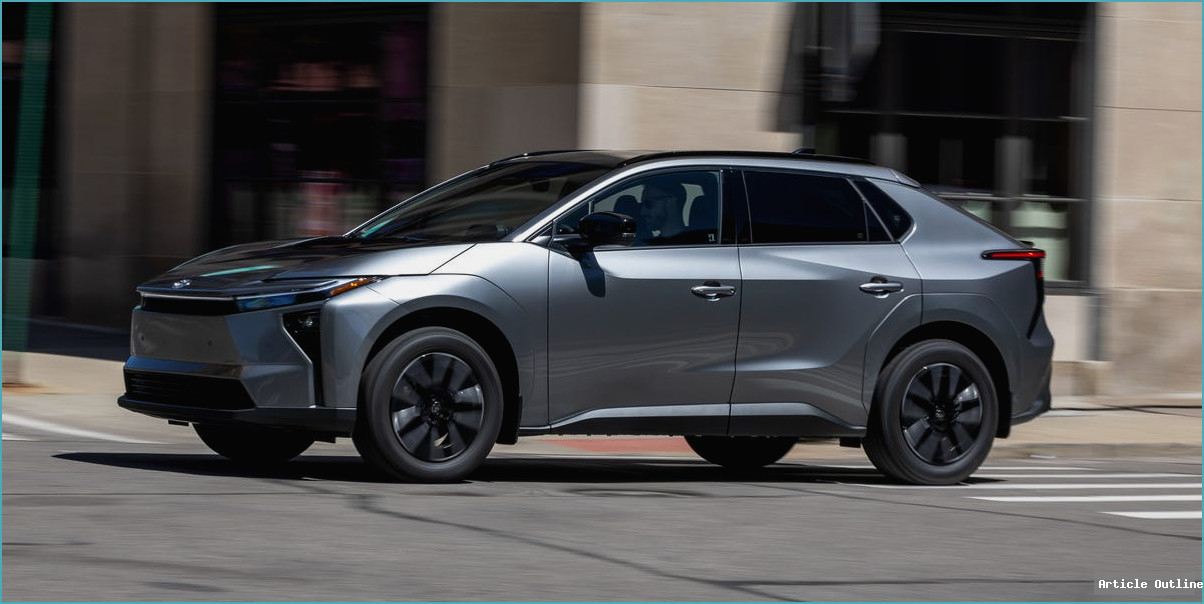
Let’s dig beneath the surface to see why the bZ matters, what most people might miss, and how it stacks up against the competition.

Why This Matters
- Mainstream Appeal: With a projected starting price around $39,500, the bZ targets the heart of the family EV market—not luxury early adopters, but regular drivers looking to go electric without drama.
- Toyota’s Global Influence: As the world’s largest automaker, Toyota’s decisions ripple across the industry. If the bZ succeeds, expect a tidal wave of similarly practical EVs from other brands.
- Safety and Practicality Over Flash: Toyota’s focus on standard driver-assistance tech and real-world usability could set a new benchmark for what ‘value’ means in the electric era.
What Most People Miss
- It’s Not Trying to Win the EV Arms Race: Rivals like the Hyundai Ioniq 5 and Tesla Model Y love to tout lightning-fast 0-60 times. The bZ’s best—6.2 seconds—won’t win drag races, but it’s more than enough for daily driving. Toyota is betting most buyers care more about comfort, space, and reliability than being glued to their seat.
- Range That’s Realistic, Not Just Theoretical: EPA estimates for the FWD XLE Plus hit 314 miles, but real-world highway testing lands at 250 miles. That’s honest, and still practical for most commutes. The all-wheel drive version dips to 288 miles, but remains competitive in the segment.
- The Quiet Rise of the ‘Twin’ Trend: The bZ shares its platform with the Subaru Solterra. This co-development trend is accelerating as automakers seek to share costs and technology, especially in the expensive EV transition.
Key Takeaways
- Powertrain Choices Matter: Three options—single-motor FWD (168 or 221 hp) and dual-motor AWD (338 hp)—let buyers tailor performance and range to their needs.
- Interior & Cargo: The bZ’s cabin is airy and family-friendly, with a massive 14-inch touchscreen, two wireless chargers, and enough cargo room for 12 carry-ons (seats up) or 28 (seats down). But beware: the driving position may not fit everyone perfectly.
- Charging & Ownership: NACS charging port is now standard, and a fast-charging session (10-80%) takes about 30 minutes. Toyota’s warranty covers the battery for 8 years/100,000 miles—on par with industry leaders.
- Safety First: Automated emergency braking, adaptive cruise, lane-keep assist, and more all come standard. Optional hands-off Traffic Jam Assist is available on higher trims.
How It Compares
- Hyundai Ioniq 5: Edgier design and quicker, but less rear seat space. Similar range.
- Volkswagen ID.4: Comparable on price, but Toyota edges ahead on reliability and dealer network.
- Tesla Model Y: More performance and tech, but less affordable and less transparent on warranty/service.
- Subaru Solterra: Essentially the same car—if you like Subaru’s vibe, you’ll like the bZ (and vice versa).
Pros & Cons
- Pros: Roomy interior, real-world range, lots of safety tech, competitive charging, Toyota reliability.
- Cons: Bland driving experience, awkward driving position for some, not the fastest charger in segment.
Action Steps & Practical Implications
- Shop by your needs—not hype: If you need a dependable, spacious EV for daily use, the bZ is a sleeper hit.
- Test drive before you buy: The seating position can be polarizing. Make sure it fits your body and style.
- Consider the twin factor: Compare deals and incentives between the bZ and Solterra—you could save thousands.
The Bottom Line
The 2027 Toyota bZ doesn’t break the Internet with specs or style. But it quietly delivers on the core promises of the electric revolution: practicality, affordability, and safety. That’s the real future of EVs—one not built on hype, but on making everyday driving better for everyone. And that, in the end, might be the most disruptive move of all.