The 2027 Volvo EX60 is not just another electric SUV—it’s a declaration of how interior design and technology in automobiles are rapidly evolving. Volvo’s latest approach to the EX60’s cabin takes minimalism to an extreme, but there’s more beneath the surface than first meets the eye.
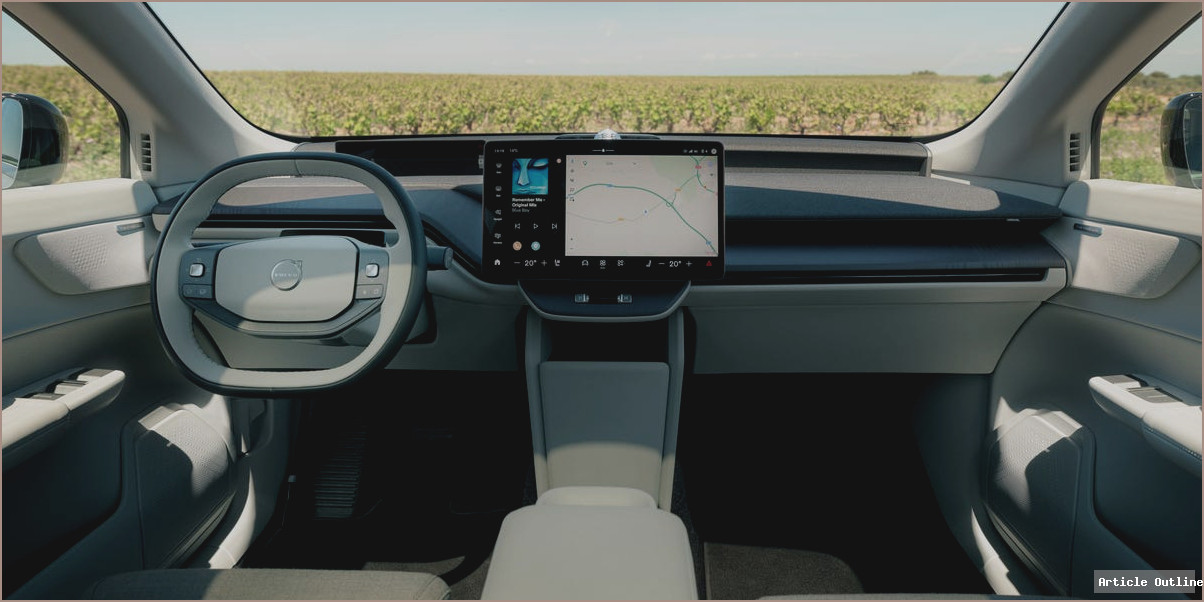
Let’s peel back the layers of this next-generation interior and explore what’s truly innovative, what might drive drivers crazy, and why the EX60’s choices could influence the future of car design.
Why This Matters
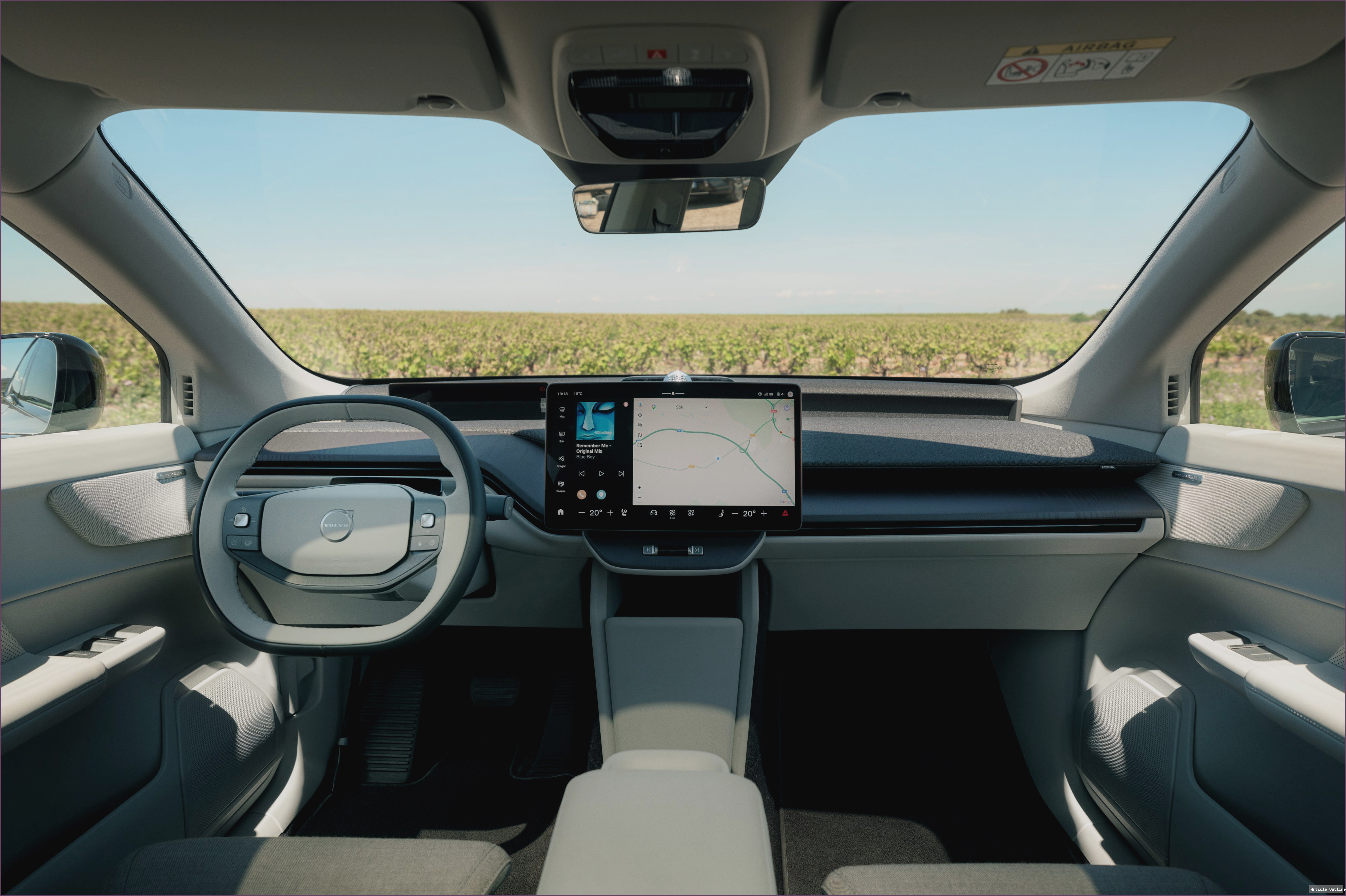
- Radical Reduction of Physical Controls: The EX60 removes nearly all secondary buttons—even air vents are adjusted via the touchscreen. This signals a seismic shift toward fully digital, software-driven cabins.
- Android-Based Infotainment with Built-In AI: Volvo’s new infotainment system, powered by Android and featuring Google’s Gemini AI chatbot, positions the EX60 at the forefront of automotive tech—blurring the line between car and smartphone.
- Ergonomics and Human Factor Risks: While the minimalist design is visually stunning, it raises questions about usability and safety when so many functions are buried in menus.
What Most People Miss
- The Battle Over Touchscreen Controls Isn’t Settled: Recent studies from J.D. Power and IIHS have shown that drivers take longer to perform basic tasks (like adjusting the HVAC) on touchscreen-only systems, increasing distraction risks. The EX60’s approach is bold but controversial.
- Gemini AI in Your Car: AI chatbots in vehicles are new territory. While Gemini can help with navigation and queries, its integration raises privacy and reliability questions—do you want your car to learn from your conversations?
- New Steering Wheel Design: That tiny, ovoid wheel isn’t just for looks. It’s a nod to future semi-autonomous driving, where less hand-over-hand action is needed. But for now, it might feel odd to traditional drivers.
Key Takeaways & Analysis
- Minimalism Isn’t For Everyone: The EX60’s clutter-free look will thrill design purists, but drivers who want quick, tactile access to features may find the experience frustrating.
- Comfort Remains a Volvo Hallmark: Despite the tech overload, Volvo hasn’t forgotten its roots. The front seats are still ultra-comfortable and supportive, consistent with the brand’s reputation.
- Panoramic Glass Roof with Electrochromic Dimming: This feature, now standard, is a luxury touch seen in high-end EVs like the Mercedes EQS and Tesla Model S. It enhances the sense of space and light but also adds weight and cost.
- Digital Instrumentation is Shrinking: The driver’s readout is small but focused—part of a trend toward less clutter and more heads-up displays in future vehicles.
Timeline: Volvo’s Interior Evolution
- 2015: XC90 introduces large center touchscreen, but retains many physical controls.
- 2022: C40 Recharge adopts an Android-based system, reducing buttons.
- 2027: EX60 removes almost all secondary controls, integrates Google AI, and sets a new minimalism benchmark.
Pros and Cons of the 2027 Volvo EX60 Interior
- Pros:
- Stunning, futuristic design
- Advanced infotainment and AI capabilities
- Superb seat comfort
- Airy, light-filled cabin with glass roof
- Cons:
- Touchscreen-only controls may distract and frustrate
- AI integration could pose privacy concerns
- Unconventional steering wheel may not suit everyone
The Bottom Line
The 2027 Volvo EX60 interior isn’t just a design statement—it’s a bold bet on the digital future of driving. For drivers who embrace futuristic tech and clean lines, it’s a glimpse of the world to come. For those who love tactile controls and simplicity, it may be a bridge too far. Volvo is forcing the conversation: how much digital is too much in our daily drive?