The 2027 Volvo EX60 isn’t just another electric SUV aiming for a slice of the premium market. Instead, it signals how Volvo is betting big on tech-forward, sustainable, and understated luxury as the new normal for the electric age.
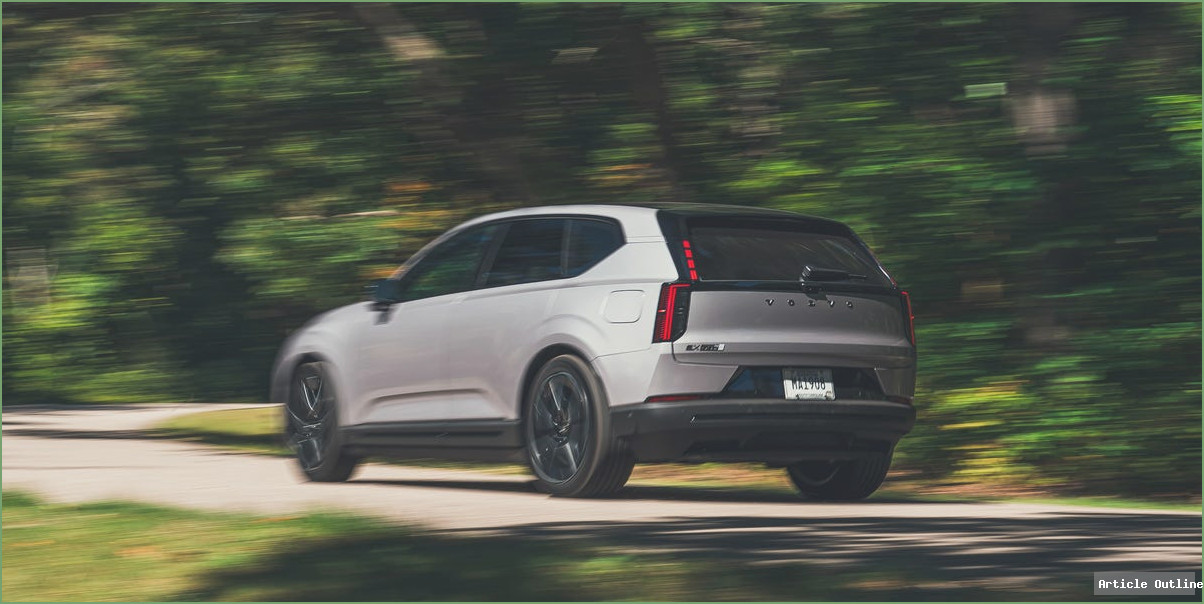
Most headlines will focus on the chiseled looks or the powerful twin-motor P10 version. But there’s a lot more going on under the skin—and some of it has the potential to disrupt what we expect from luxury EVs.
Why This Matters
- Volvo’s commitment to software-defined vehicles is a big leap. This approach means the EX60 can evolve with over-the-air updates, potentially improving performance, adding features, or even fixing bugs long after it leaves the showroom.
- An 800-volt electrical architecture puts the EX60 in the same technical league as Porsche’s Taycan and Hyundai’s Ioniq 5. That means much faster charging—goodbye range anxiety, hello road trips.
- Range for real life: The EX60 is targeting 295–322 miles (EPA estimates depending on model/wheel size). That’s right in the sweet spot for most American drivers, with recharge times that could rival a coffee break.
What Most People Miss
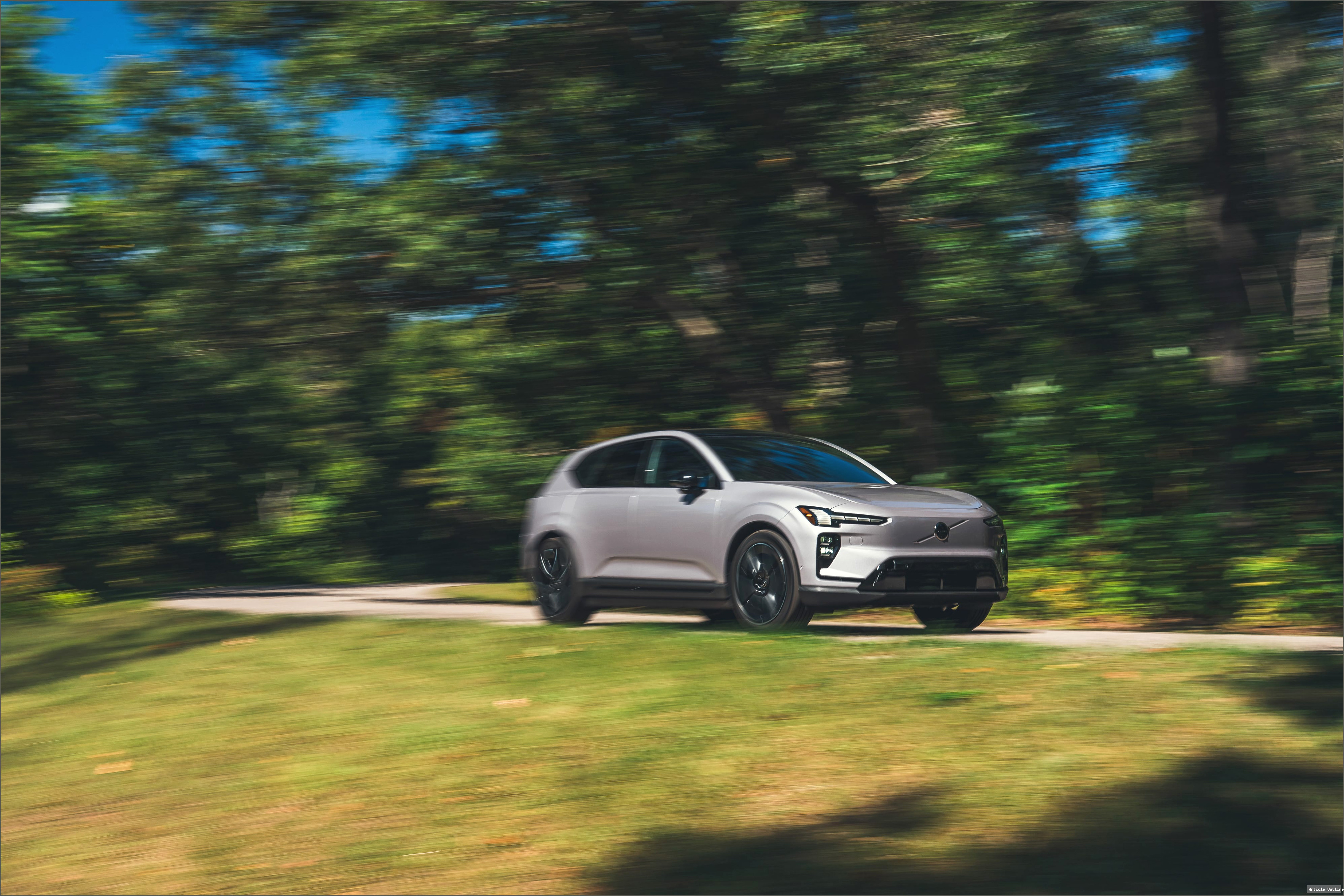
- Design evolution, not revolution: The EX60’s exterior echoes the traditional Volvo wagon, with a subtle, almost Scandinavian calmness. Understated? Yes. But that’s exactly what’s winning over buyers tired of “look-at-me” EVs.
- Interior packaging: Despite being slightly longer than the gas XC60, interior space is about the same. Volvo isn’t chasing maximum cabin size at the expense of style and build quality—a deliberate move towards premium minimalism.
- Pricing strategy: Starting at $59,795 for the P6 (RWD, 369 hp) and $62,145 for the P10 (AWD, 503 hp), the EX60 undercuts many German rivals while offering comparable range and tech.
Key Takeaways & Industry Context
- Performance: 0–60 mph in 4–5 seconds (model-dependent) brings the EX60 close to Tesla Model Y and BMW iX territory.
- Charging: With 800V capability, expect 10–80% top-ups in under 30 minutes at compatible fast chargers.
- Tech & Safety: Volvo’s reputation for safety gets a boost from advanced driver aids and the ability to add new features post-sale.
- Market Timing: Launching summer 2027, the EX60 rides a wave of premium EV launches, but stands out for its “quiet luxury” positioning—a trend gaining ground as some buyers tire of brash styling.
Pros and Cons at a Glance
- Pros:
- Advanced charging and software architecture
- Competitive range and performance
- Subtle, elegant design
- Attractive starting price for the segment
- Cons:
- Interior space doesn’t leapfrog competitors
- Not the sportiest drive—prioritizes comfort over thrills
- Unproven long-term reliability of new tech stack
The Bottom Line
The 2027 Volvo EX60 doesn’t just keep pace with the luxury EV herd—it quietly challenges the status quo. With its blend of understated design, cutting-edge charging, and a focus on real-life usability, it’s tailor-made for drivers who want sophistication without the flash. In a market increasingly crowded with “statement” vehicles, the EX60’s calm confidence might just be its superpower.