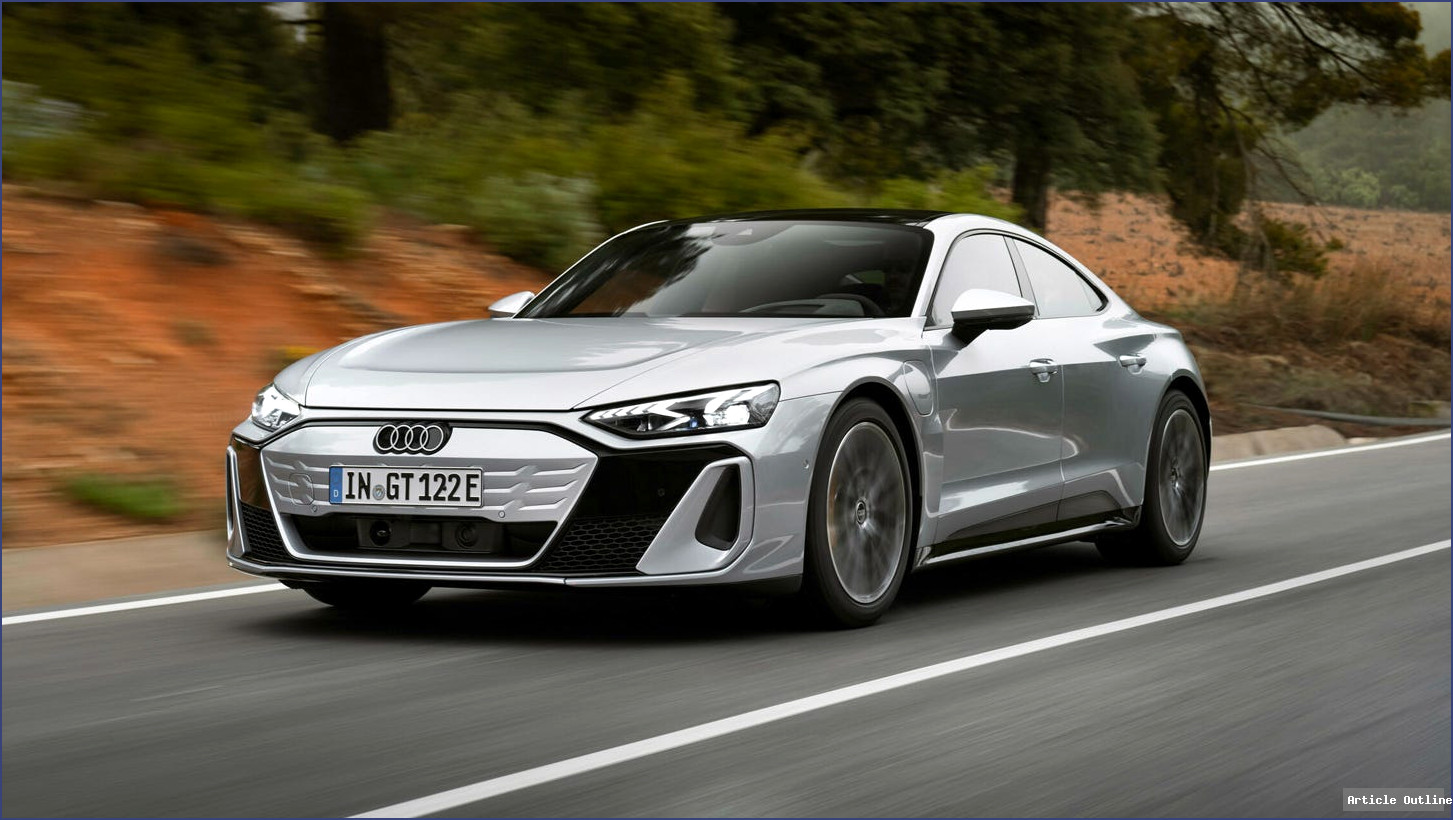
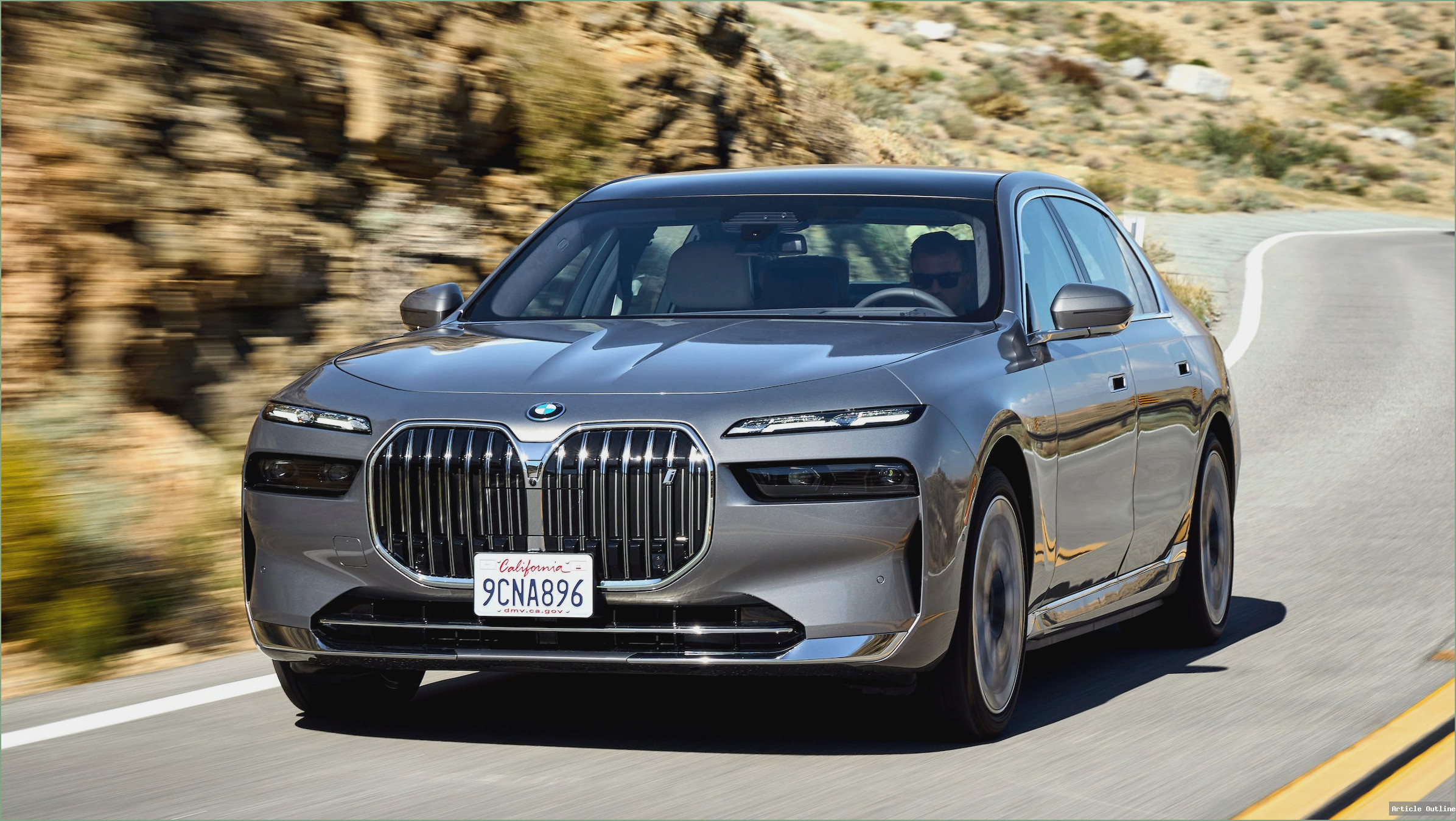
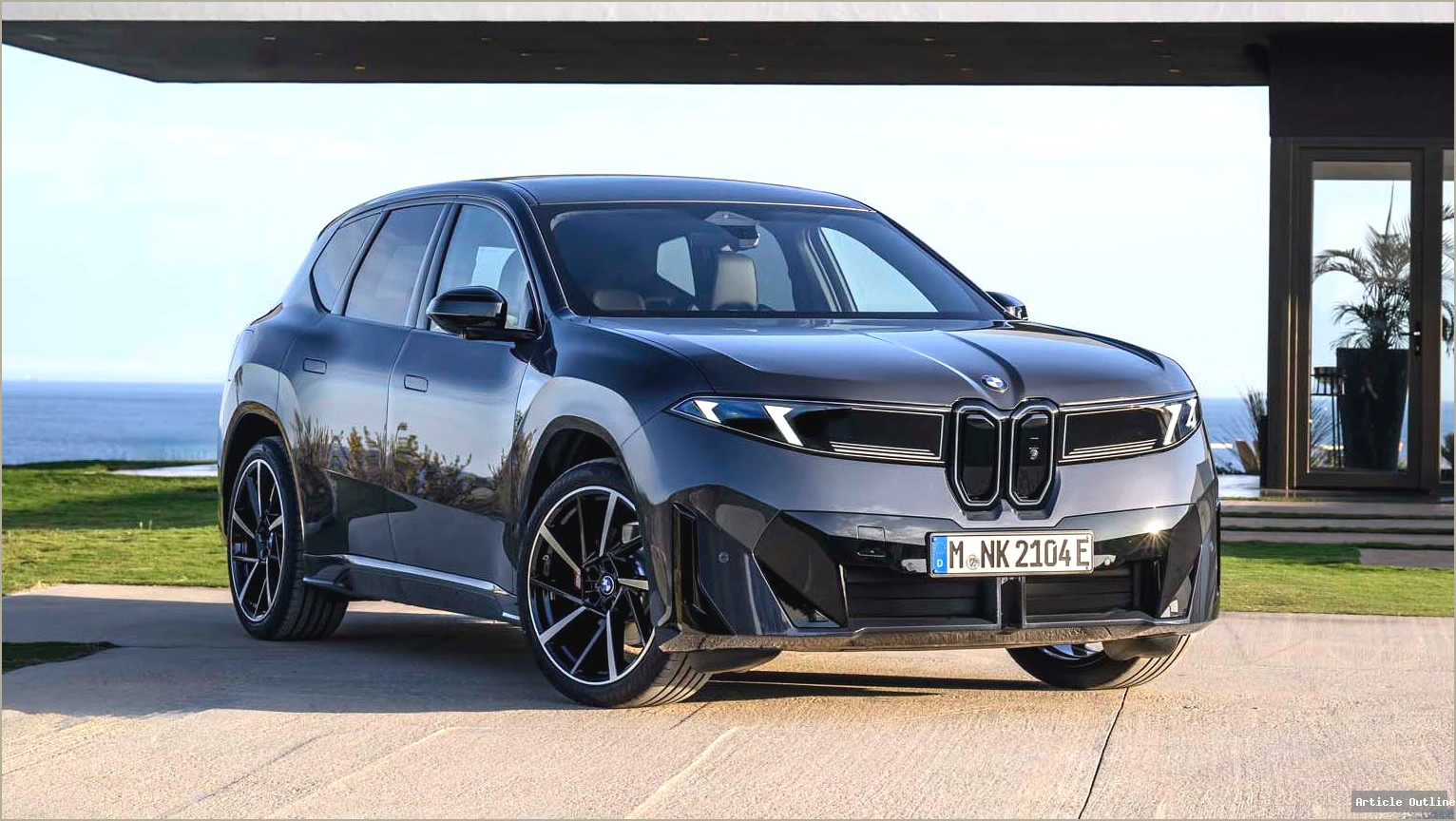
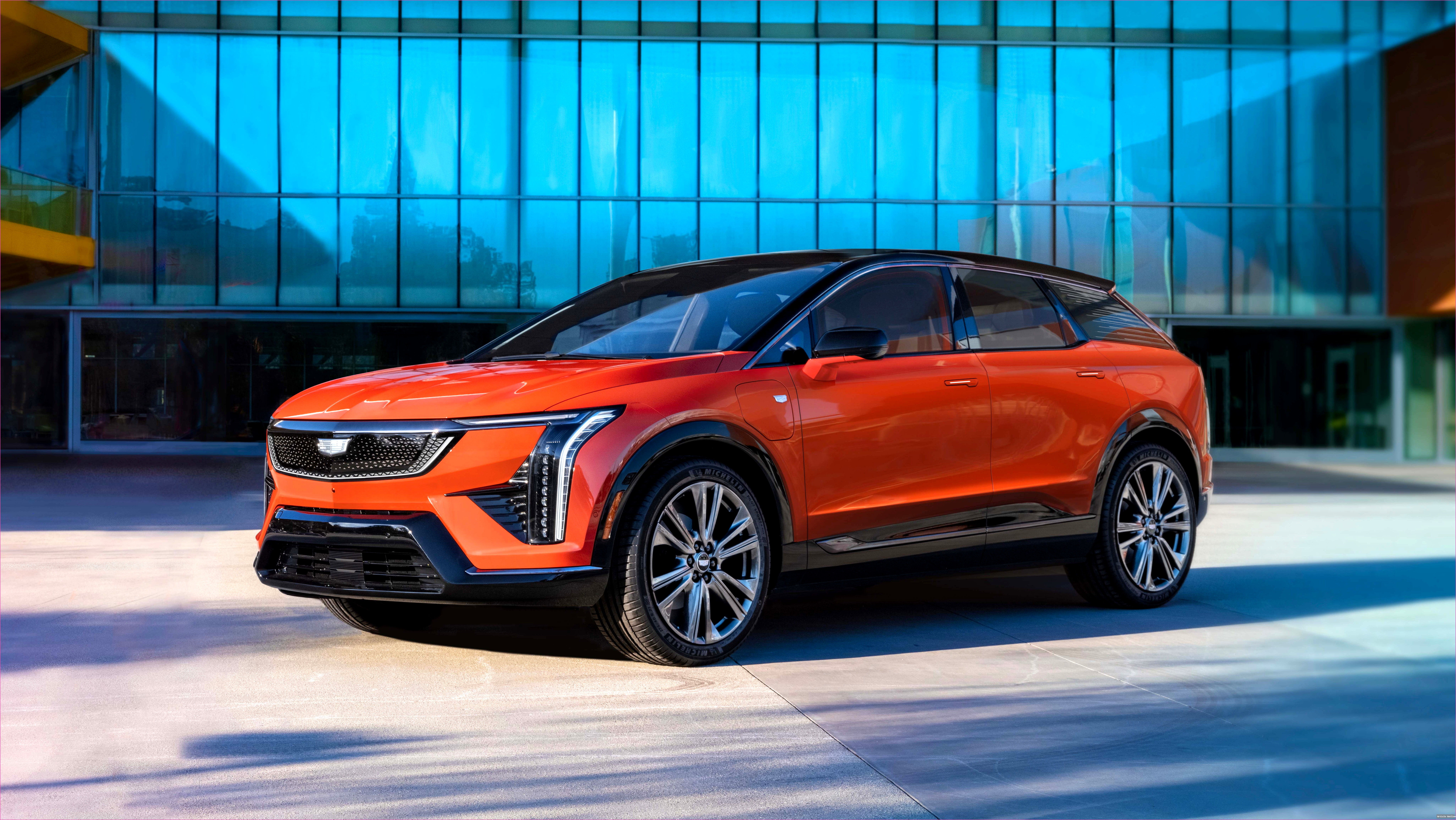
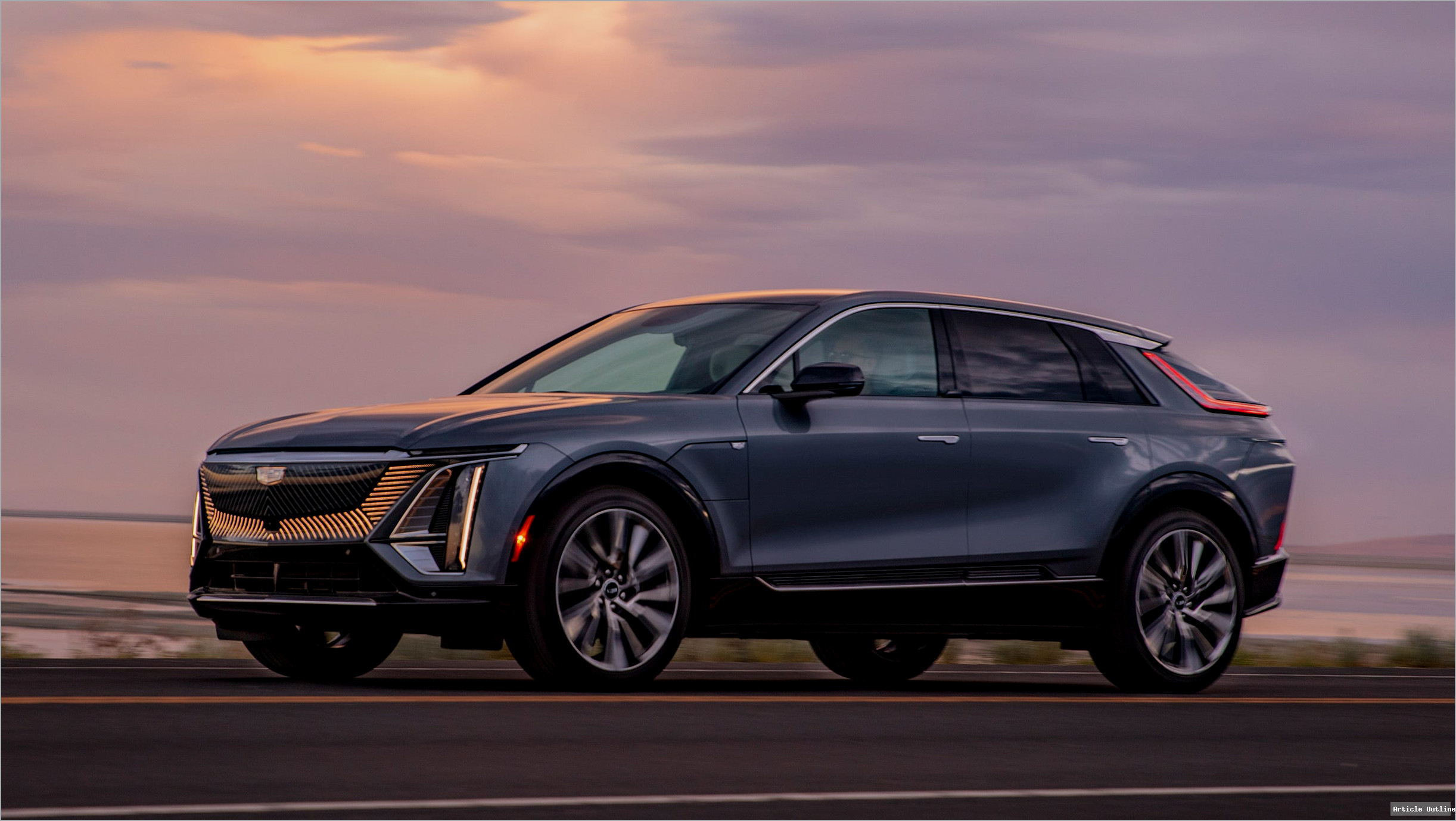
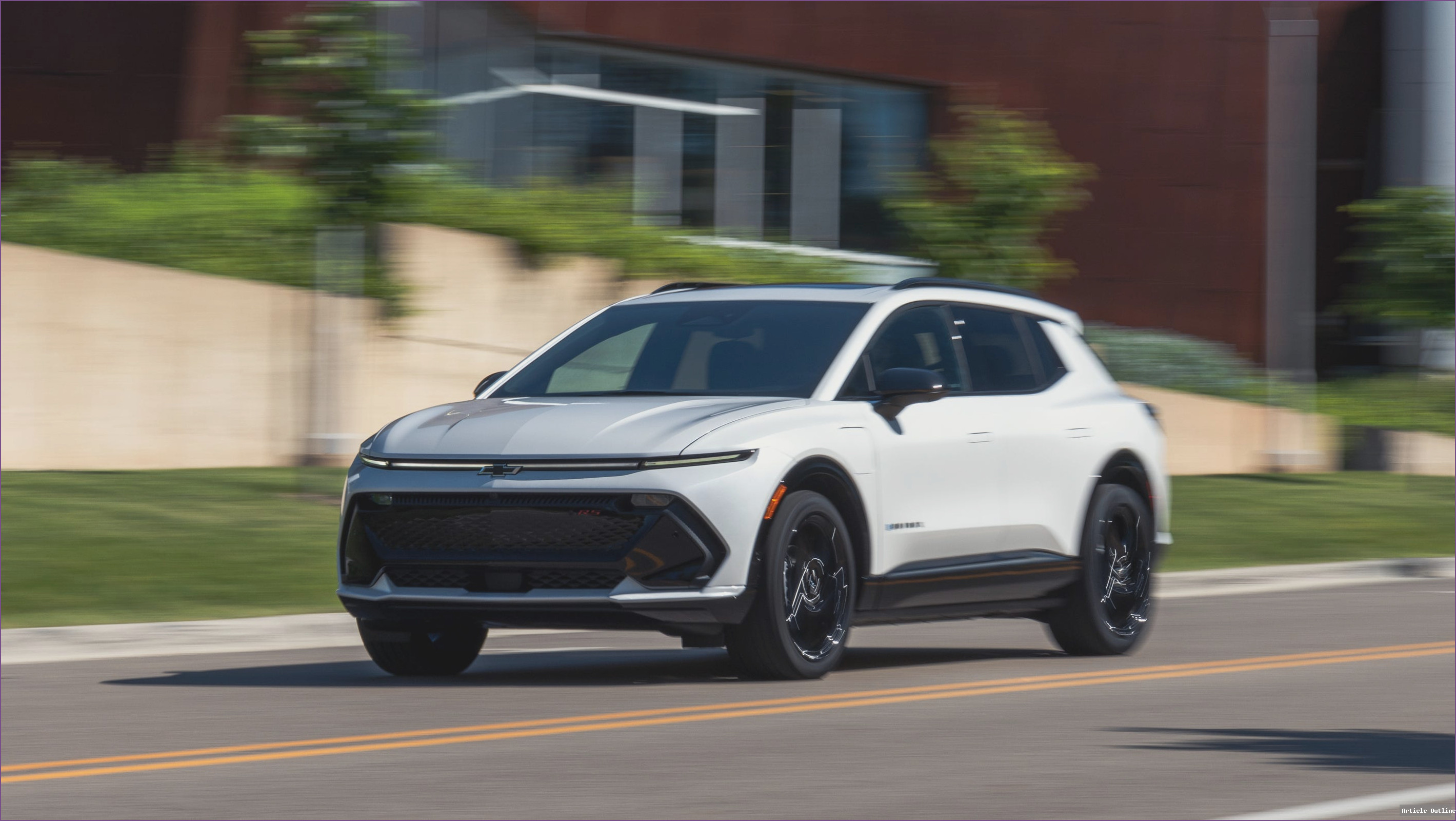
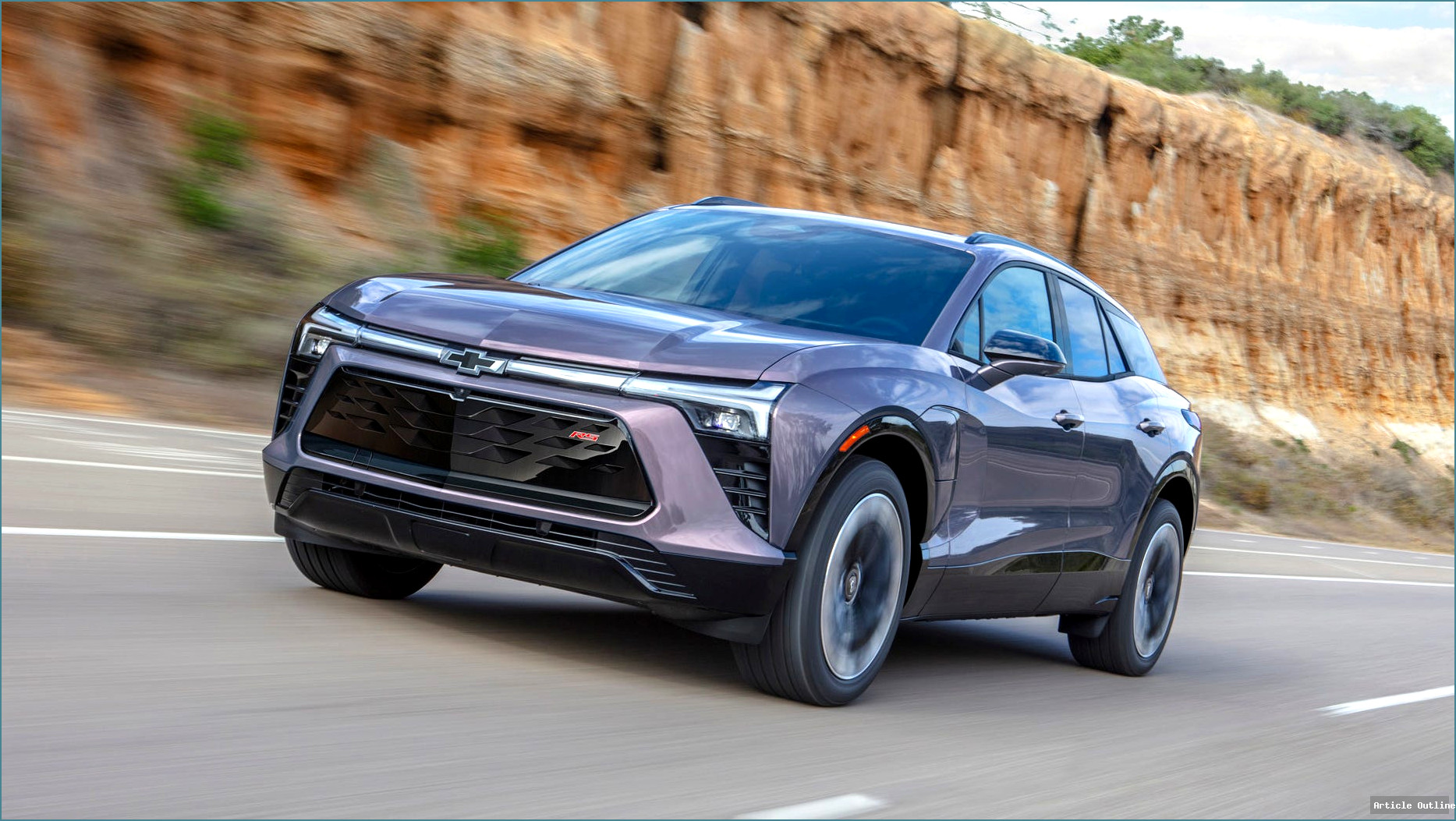
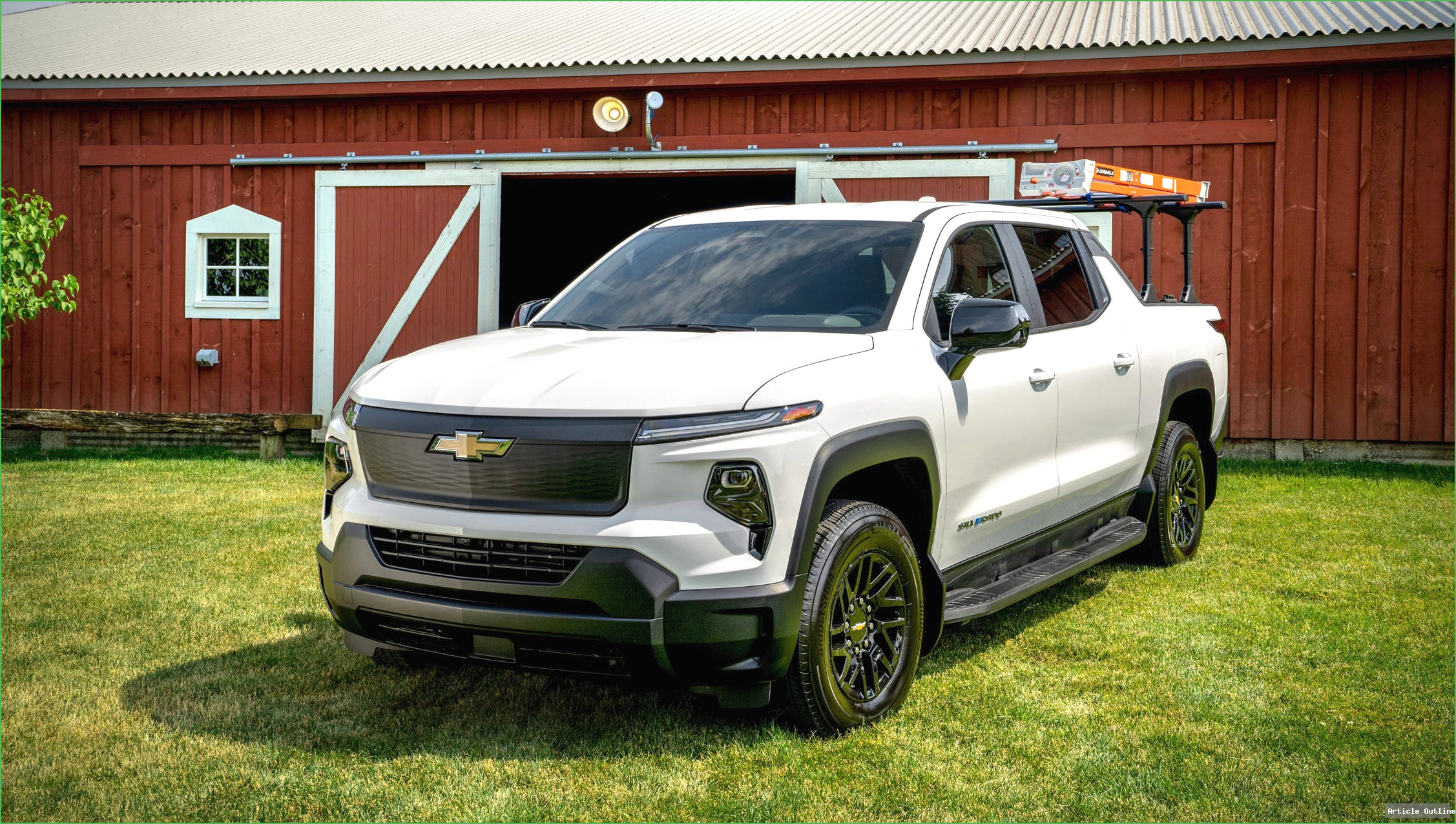
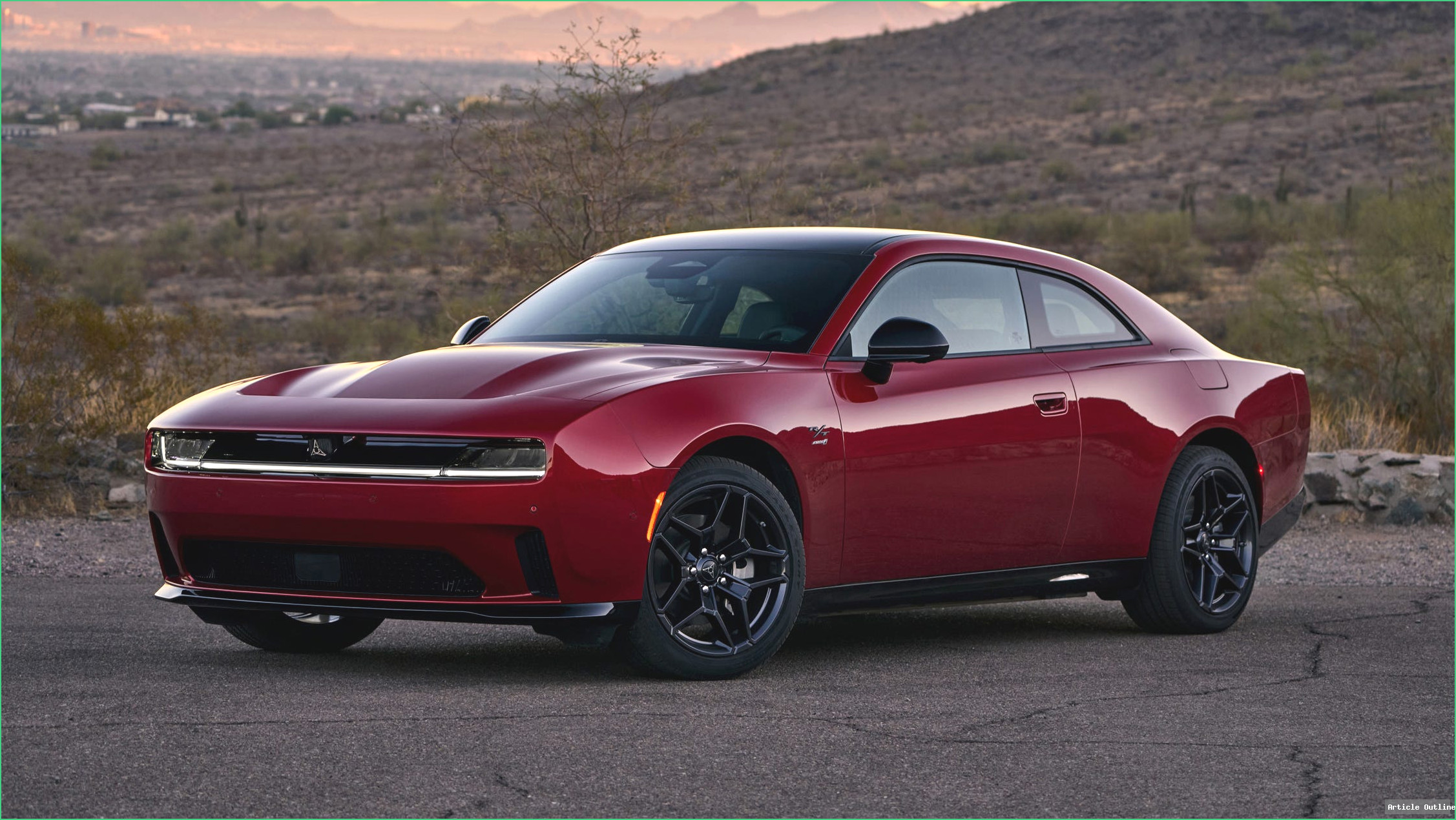
The electric vehicle (EV) landscape in the U.S. is about to experience its most dramatic transformation yet by 2027. With legacy automakers and upstarts alike flooding the market with everything from affordable hatchbacks to ultra-luxury SUVs, the choices for consumers will be more diverse—and confusing—than ever. But what does this mean for drivers, automakers, and the environment? Here’s why the 2027 EV lineup is more than just a list: it’s a signal of massive change.
Why This Matters
- EVs are moving from niche to mainstream. With nearly every major automaker (Audi, BMW, Cadillac, Chevrolet, Dodge, Ford, and more) fielding multiple electric models, it’s clear: the future is electric.
- Diversity of offerings means there’s an EV for almost every lifestyle—sedans, SUVs, muscle cars, trucks, and even microcars.
- Automakers are under pressure to innovate. From range and charging speeds to luxury features and price points, the competition is fierce, and that benefits consumers.
What Most People Miss
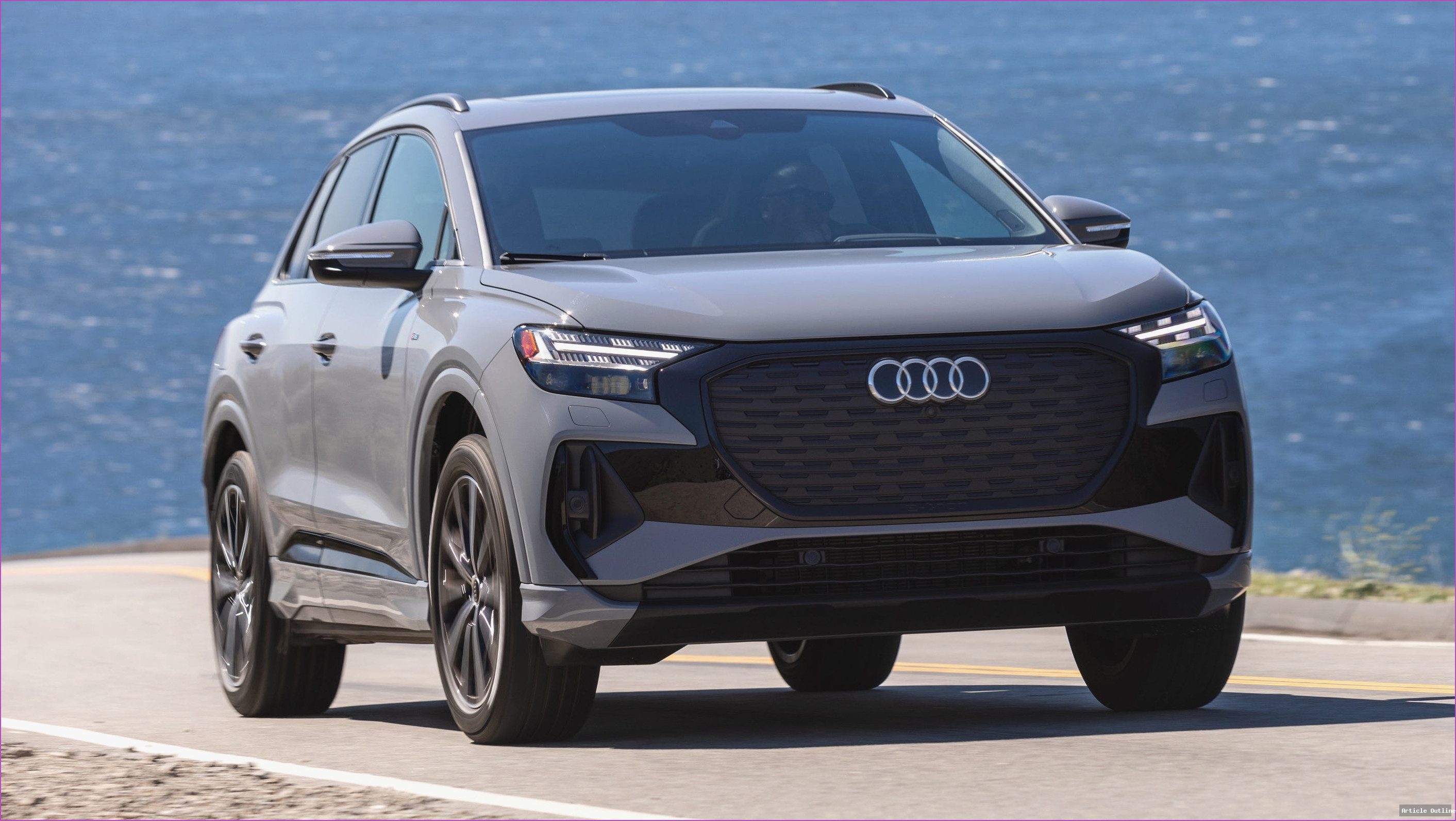
- Platform sharing is becoming the norm: Many new EVs share underpinnings across brands (e.g., Audi Q4 e-tron and VW ID.4), which can mean similar driving experiences despite different badges.
- Battery tech and supply chains are the new battleground: The real fight isn’t just about design or speed—it’s about who can secure, scale, and evolve battery technology the fastest.
- Regulatory and infrastructure hurdles remain. The incoming avalanche of EVs will test America’s patchy charging network and grid resilience.
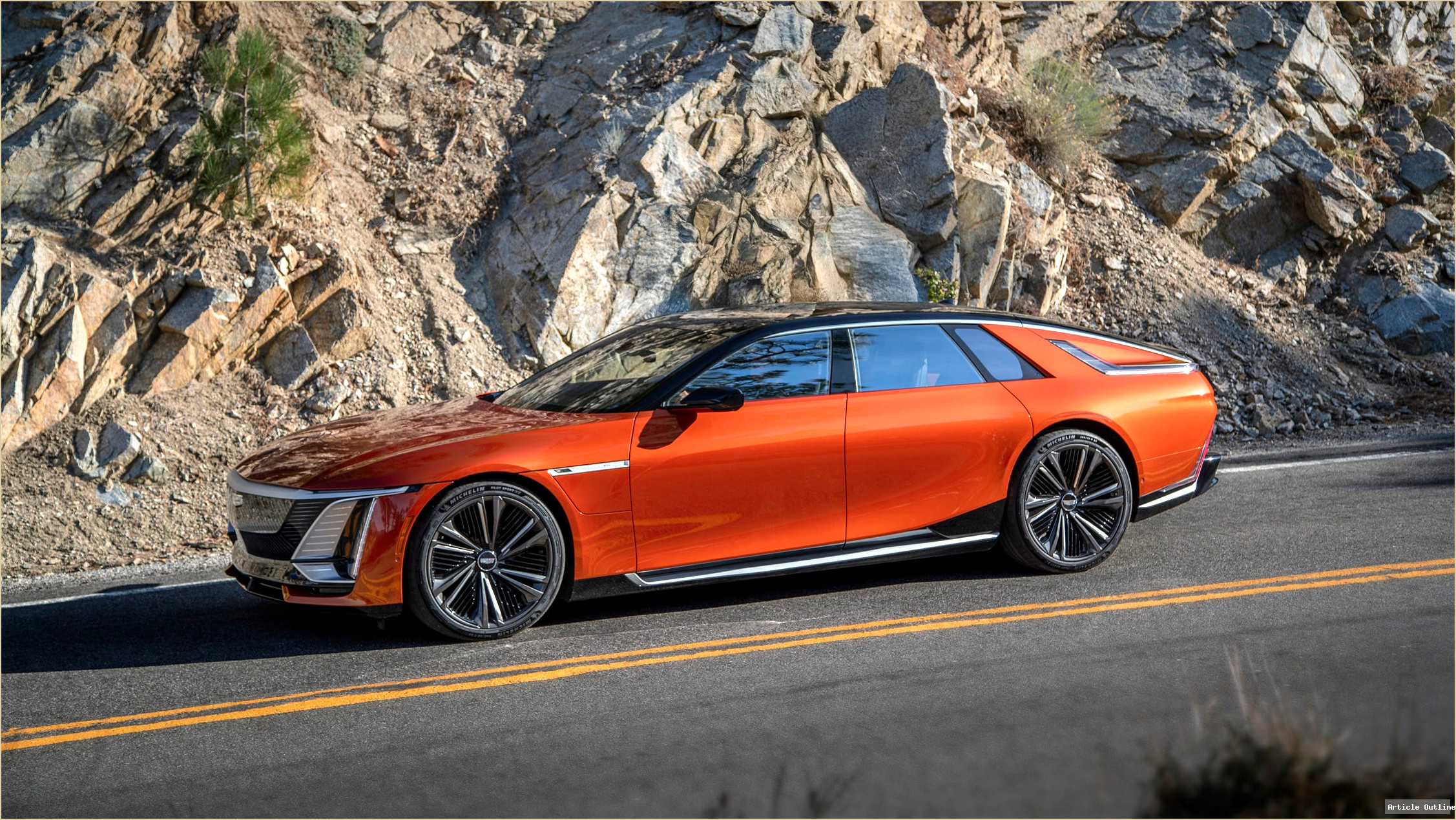
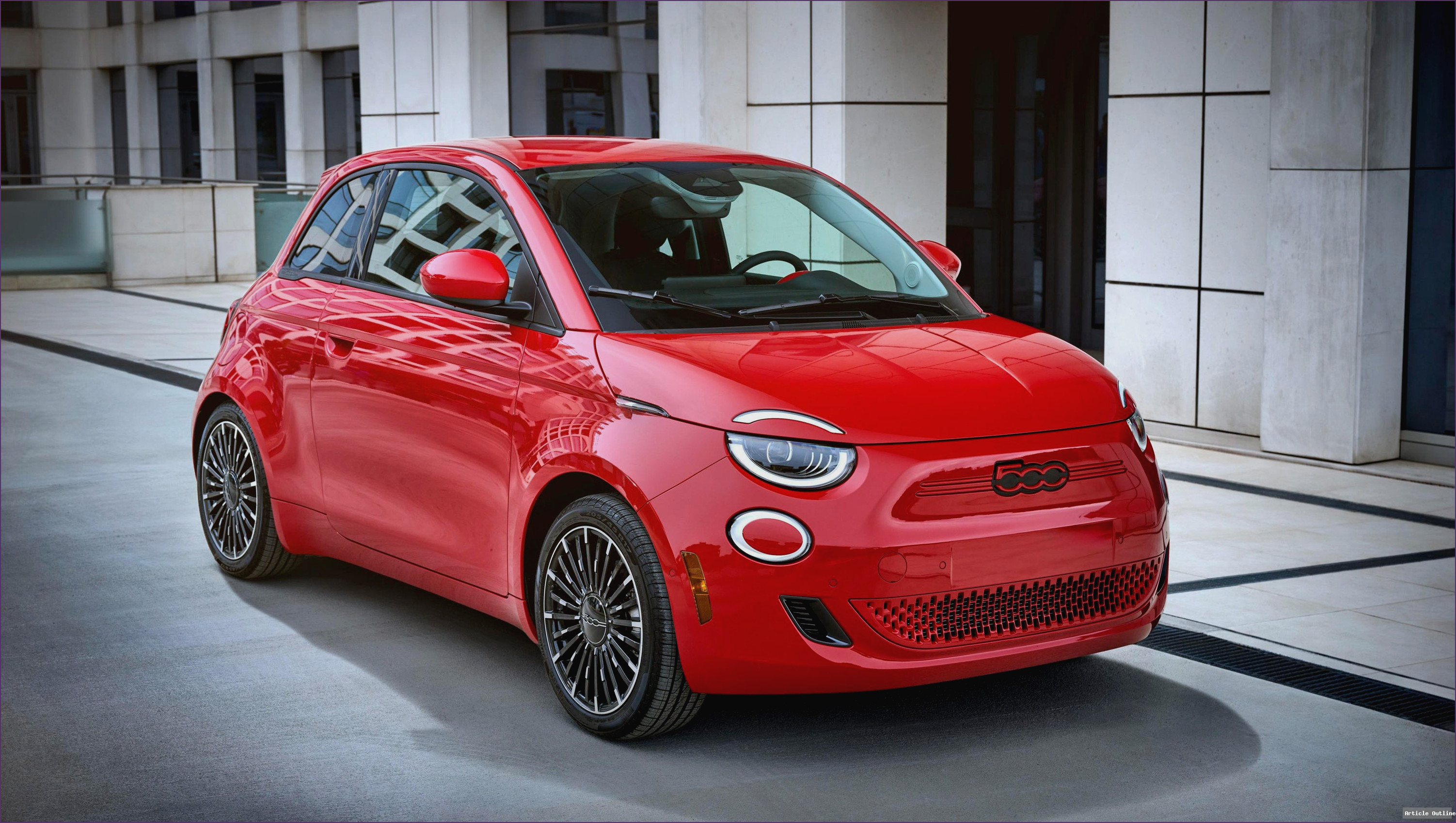
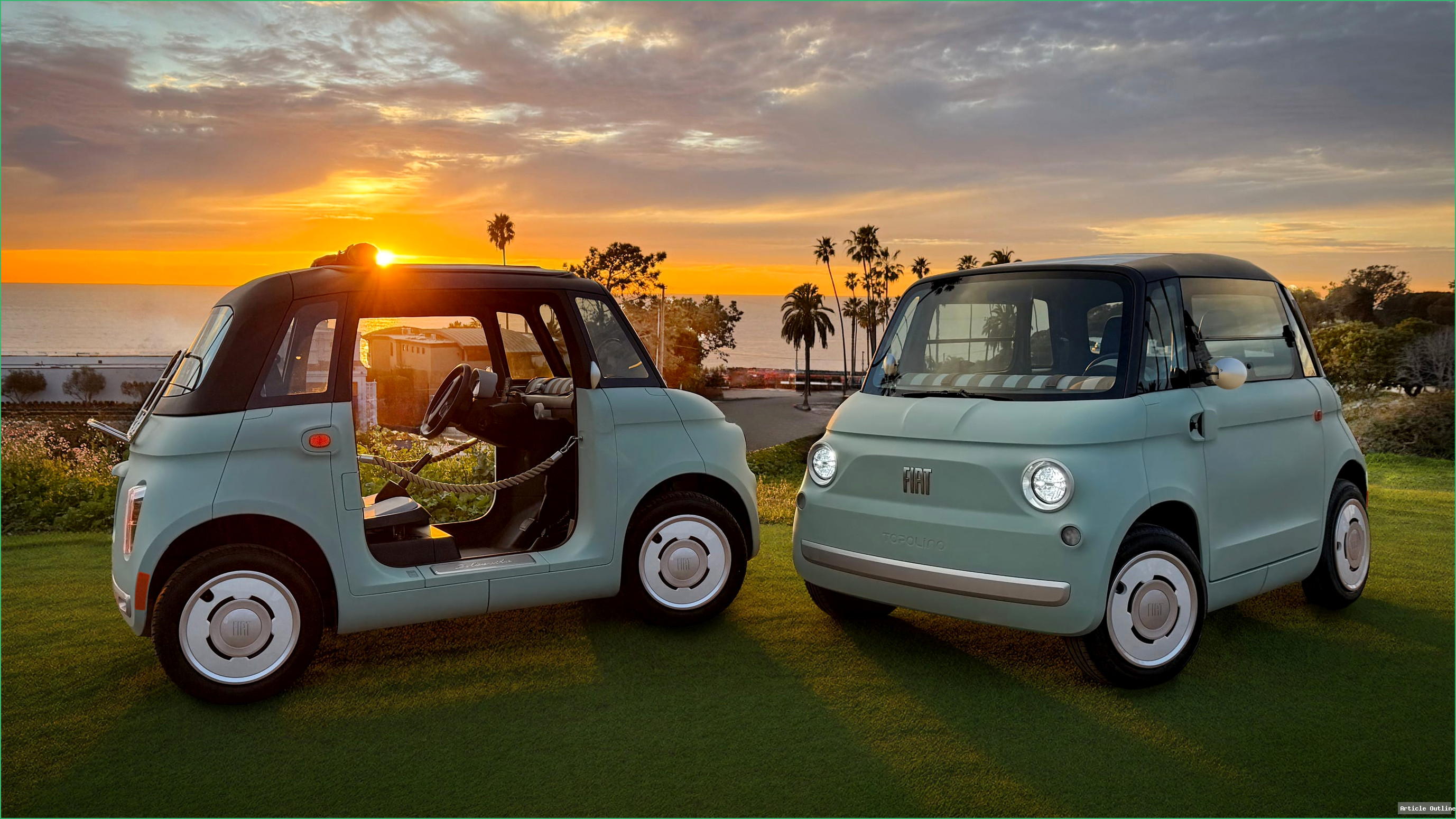
- Some models like the Fiat Topolino and ultra-high-end Cadillac Celestiq address opposite ends of the spectrum: ultra-affordable city cars vs. bespoke six-figure luxury. The EV revolution is not just for the wealthy.
Key Takeaways: The 2027 EV Market in Perspective
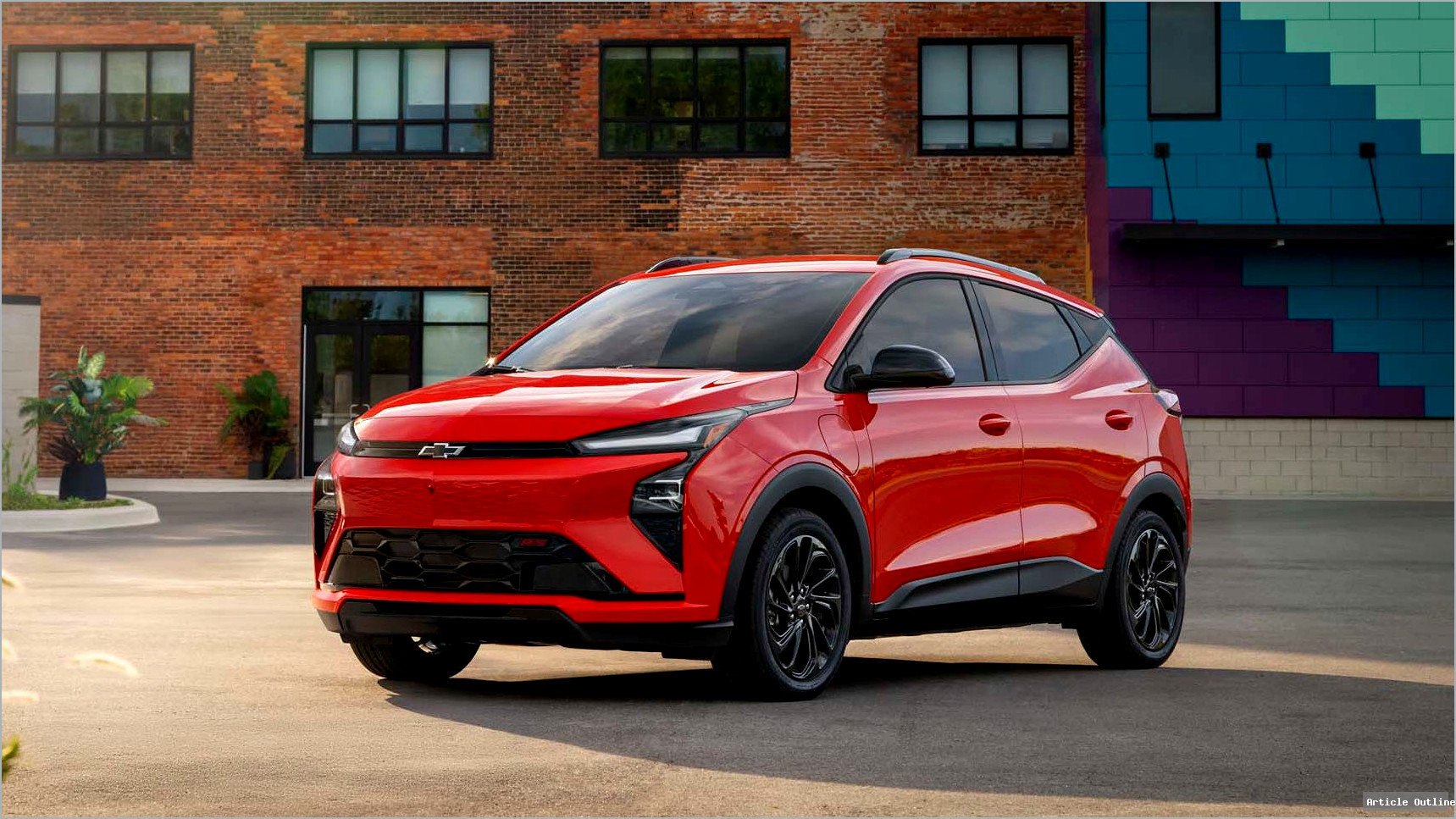
- Cars like the Chevy Bolt ($28,995) bring EVs within reach of more buyers, while the Cadillac Celestiq (starting at $340,000) redefines bespoke luxury.
- Muscle goes electric: Dodge’s Charger Daytona and the Chevy Blazer SS prove that EVs can be as thrilling as their gasoline ancestors—with instant torque and zero emissions.
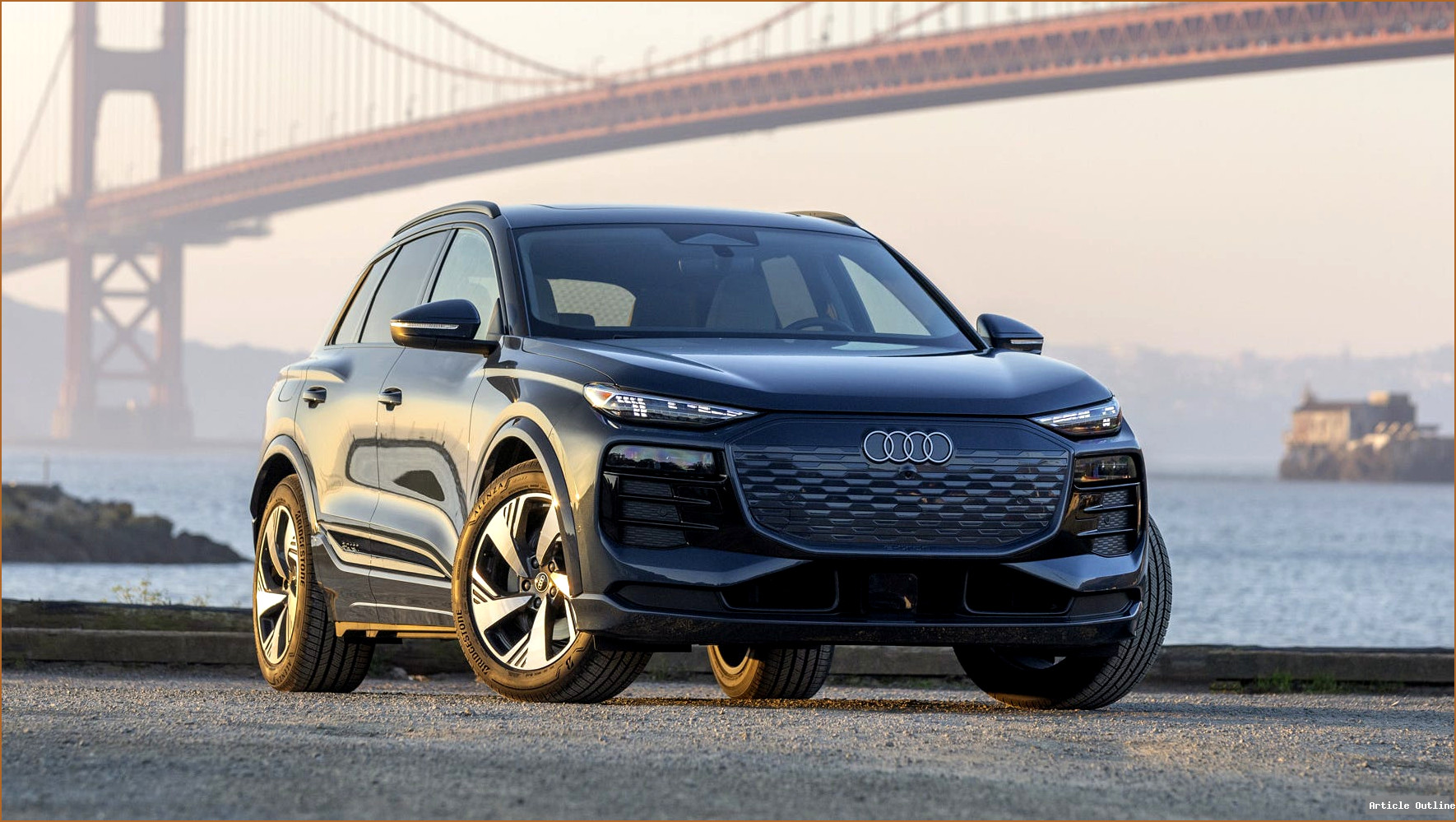
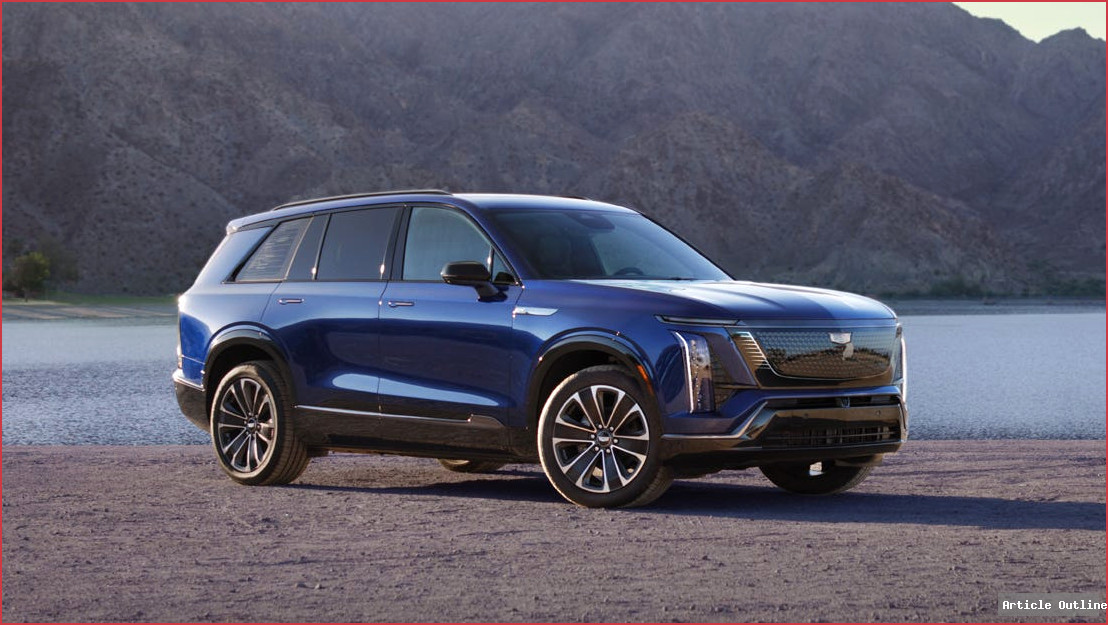
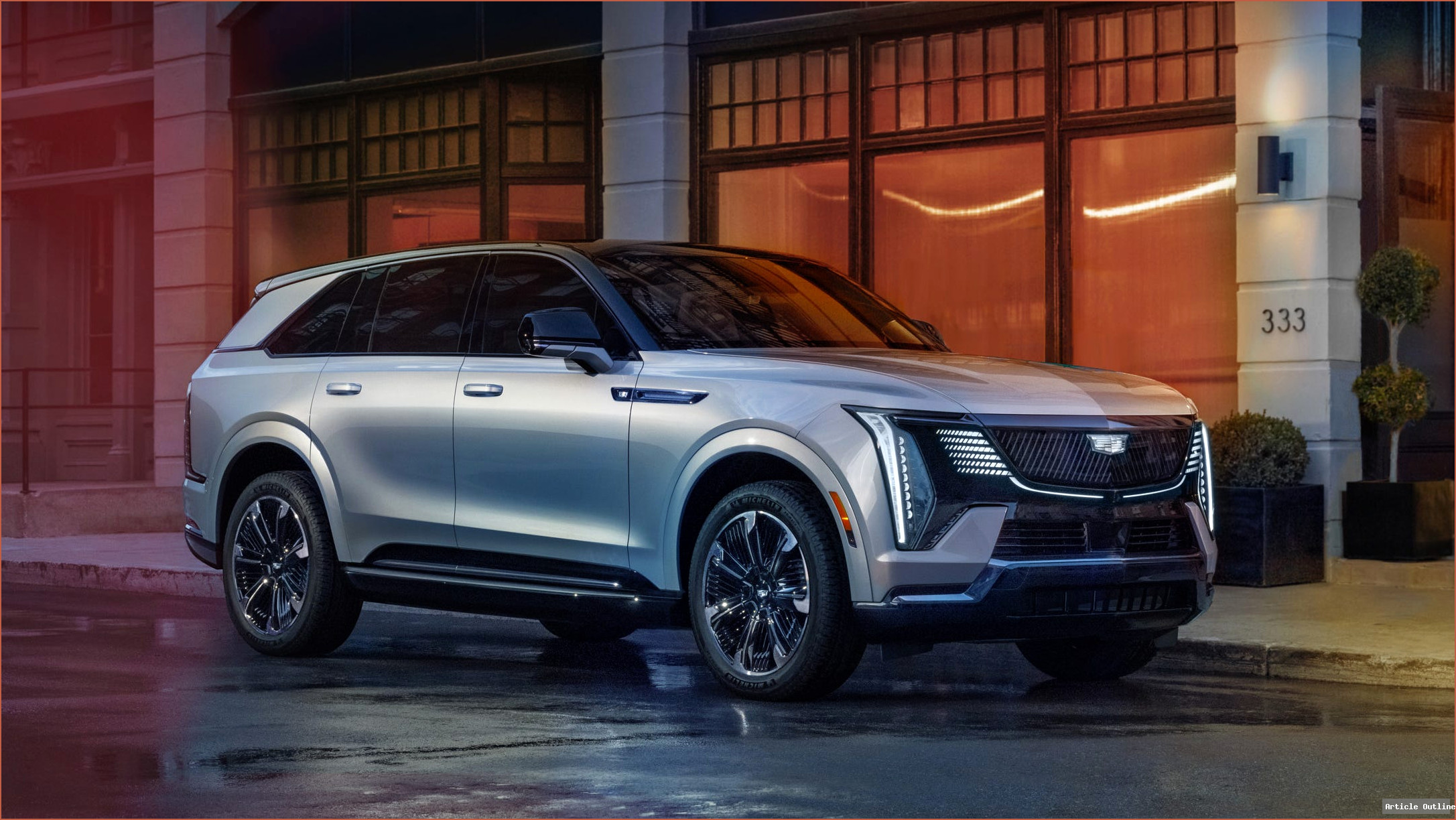
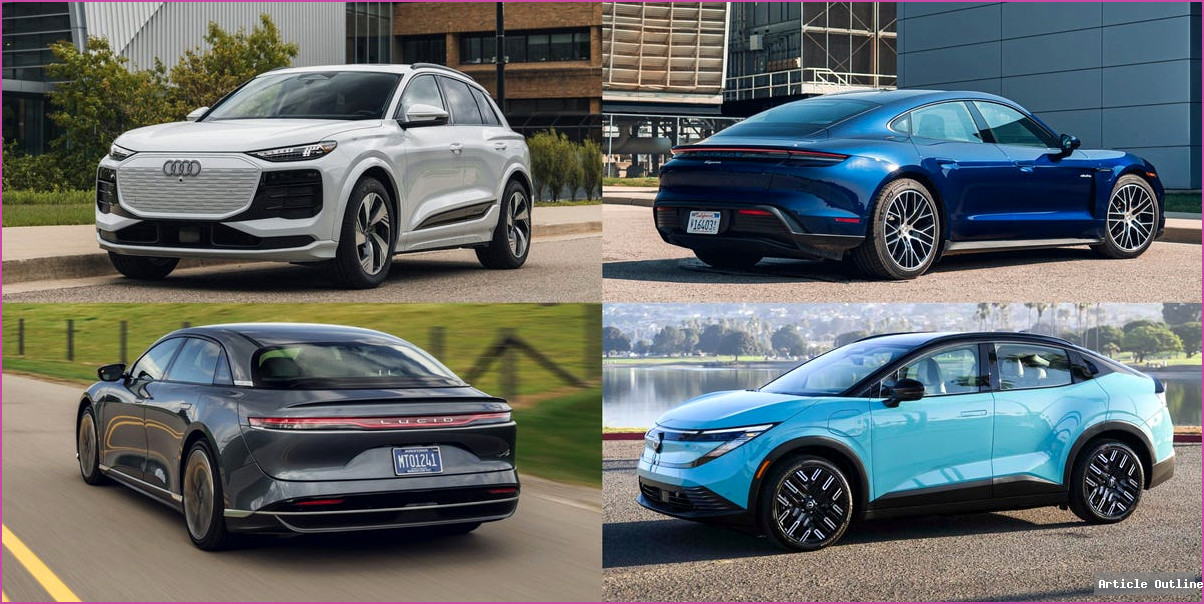
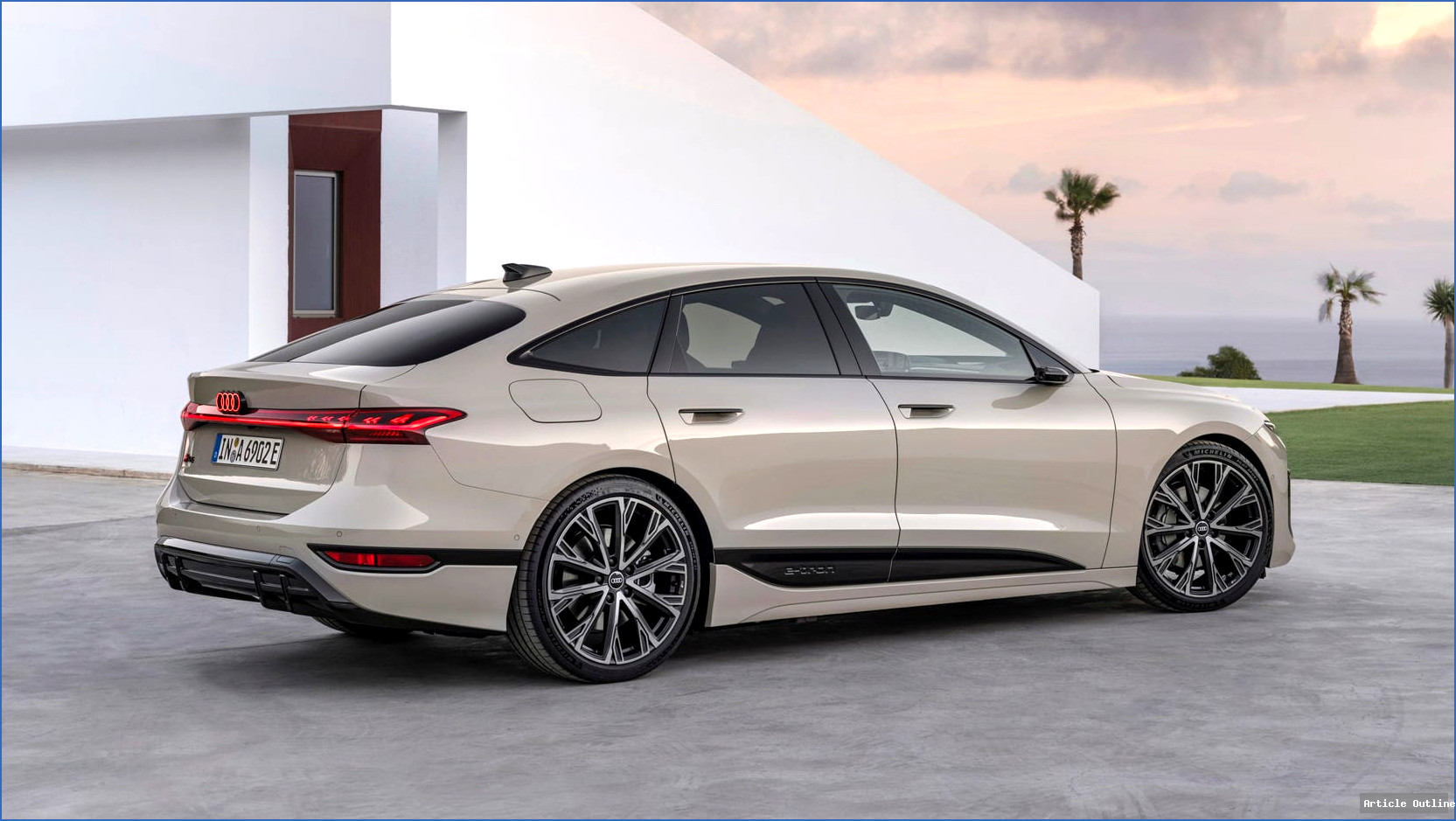
- SUVs rule: From the Audi Q4/Q6 e-tron to the Cadillac Lyriq and Vistiq, family-haulers are going all-electric, reflecting America’s unyielding SUV obsession.
- Range anxiety is fading, but not extinct: With most new EVs targeting 250–350+ miles per charge, long trips are easier, but infrastructure and real-world usage still matter.
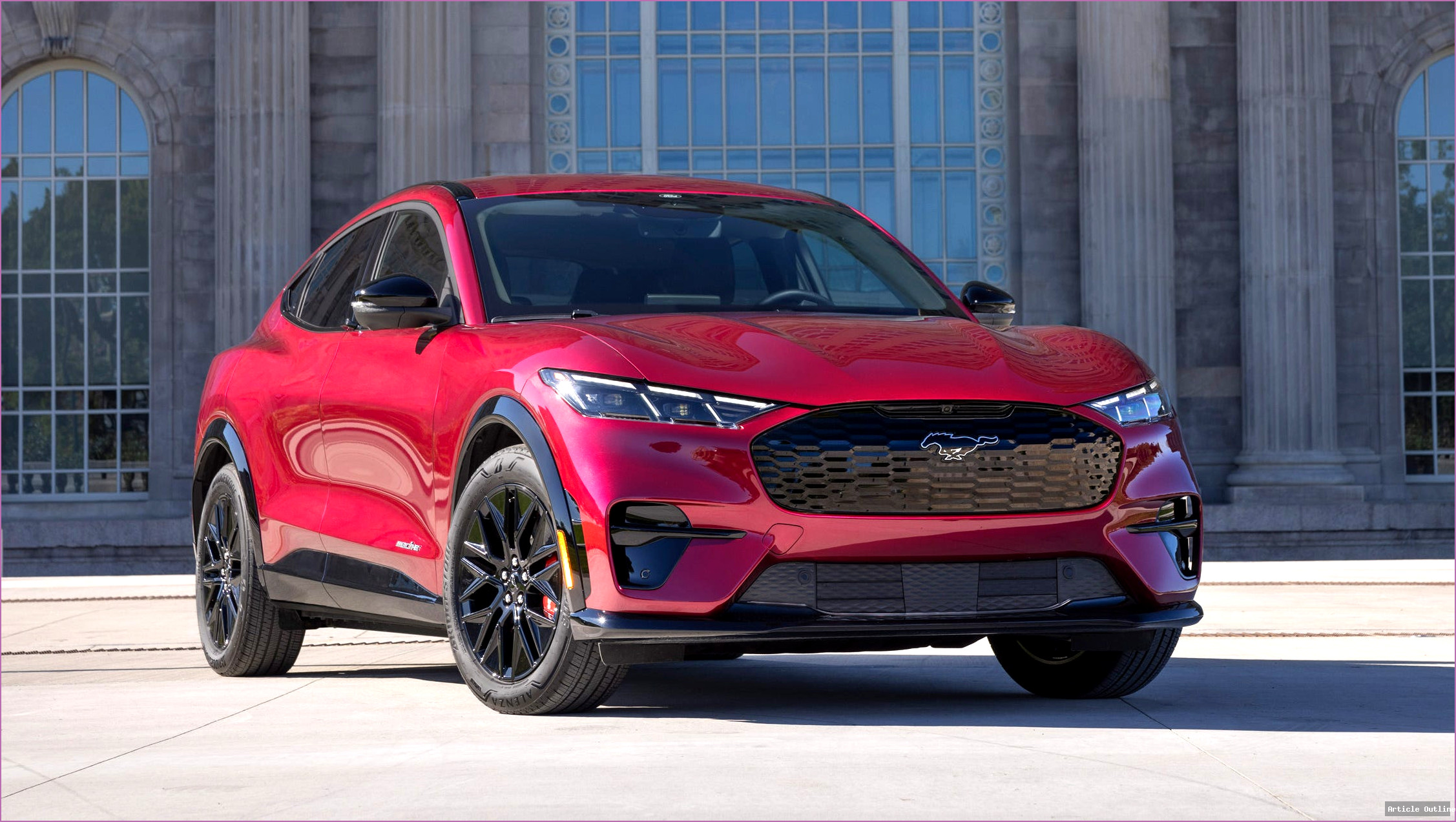
- Legacy automakers are leveraging their brands: Think Mustang Mach-E or Escalade IQ—iconic names repurposed for the EV era, blending familiarity with new tech.
Industry Context: Stats & Trends
- EV sales hit a record 7.2% of new car sales in the U.S. by Q1 2024, up from just 2% in 2020 (Cox Automotive).
- Charging networks are expanding, but the U.S. still lags behind Europe and China per capita—expect this to be a flashpoint as more EVs hit the road.
- Battery costs have dropped nearly 90% in the past decade, pushing EV sticker prices closer to parity with gas models—a trend set to continue through 2027.
Timeline: The EV Surge, 2024-2027
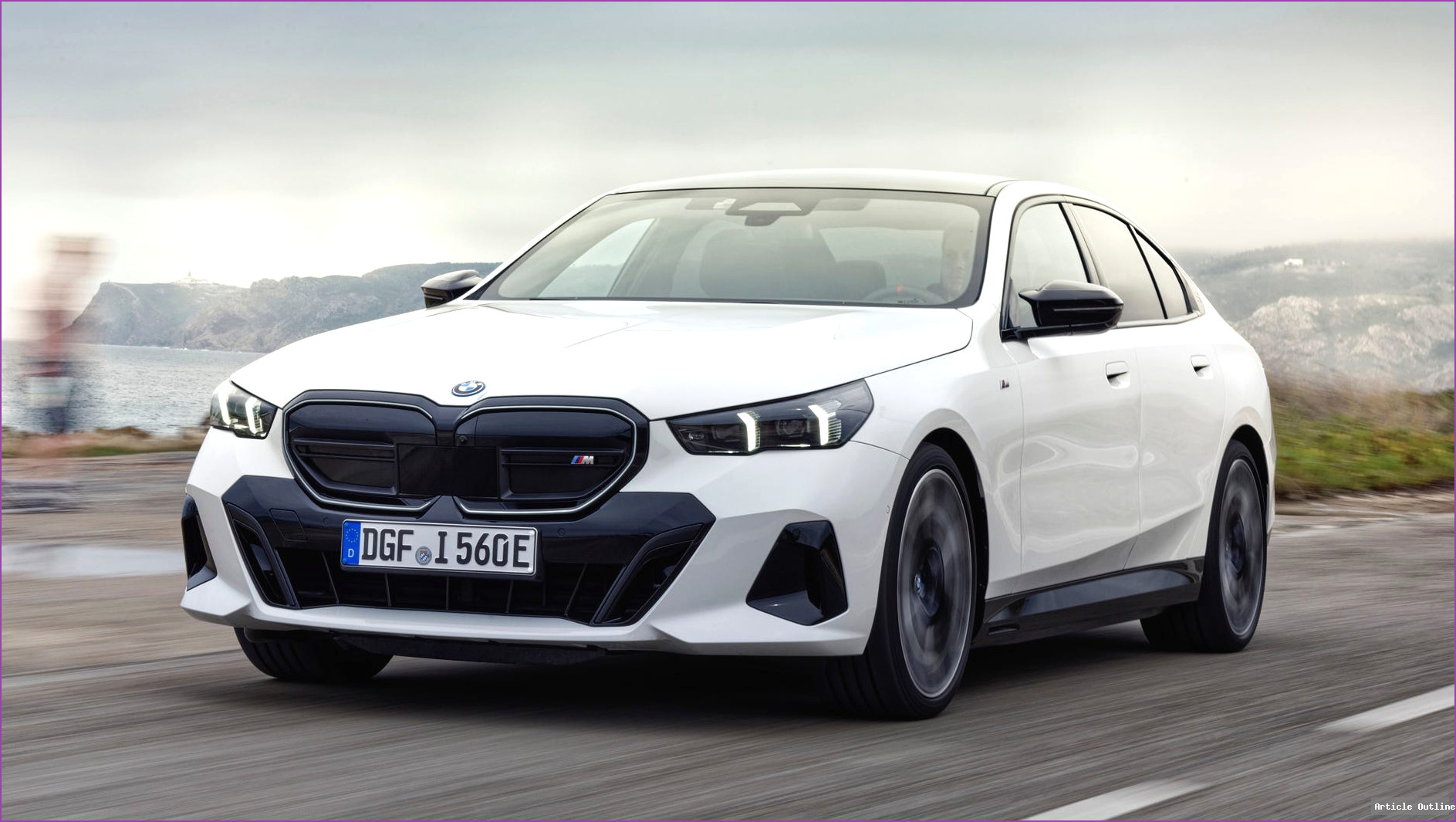
- 2024-2025: Mainstream brands ramp up EV launches (Ford Mustang Mach-E, Chevy Blazer EV, BMW i5/i7).
- 2026: Platform sharing and modular architectures become standard, enabling faster rollouts and more models per platform.
- 2027: Full spectrum arrives—from $15k microcars to $300k luxury cruisers. Brand loyalty and innovation matter more than ever.
Pros & Cons: The 2027 EV Buyer’s Landscape
- Pros:
- Unprecedented choice across price points and body styles
- Rapid advances in range, charging, and features
- Potential incentives as government policies shift toward electrification
- Cons:
- Infrastructure may not keep pace with adoption
- Resale values may fluctuate with tech improvements and policy changes
- Still some uncertainty around long-term battery life and servicing
The Bottom Line
2027 isn’t just a year—it’s a tipping point for the entire automotive industry. The influx of EV models will reshape how Americans drive, what they expect from their cars, and how brands compete. The winners? Consumers who do their homework, look beyond the badge, and embrace the electrified future. The laggards? Those who cling to the past or underestimate the pace of change. Whether you’re an enthusiast, commuter, or eco-warrior, 2027’s electric vehicle wave is coming—and it’s time to get ready.
Sources: