The arrival of the 2028 BMW M3 EV isn’t just another model launch—it’s a seismic shift for BMW and automotive enthusiasts worldwide. This isn’t the first electric BMW, but it is the first to wear the legendary M badge. That badge is loaded with heritage, performance, and a rabid fanbase. Now, all eyes are on BMW to see if they can electrify the M3 experience—literally and figuratively.
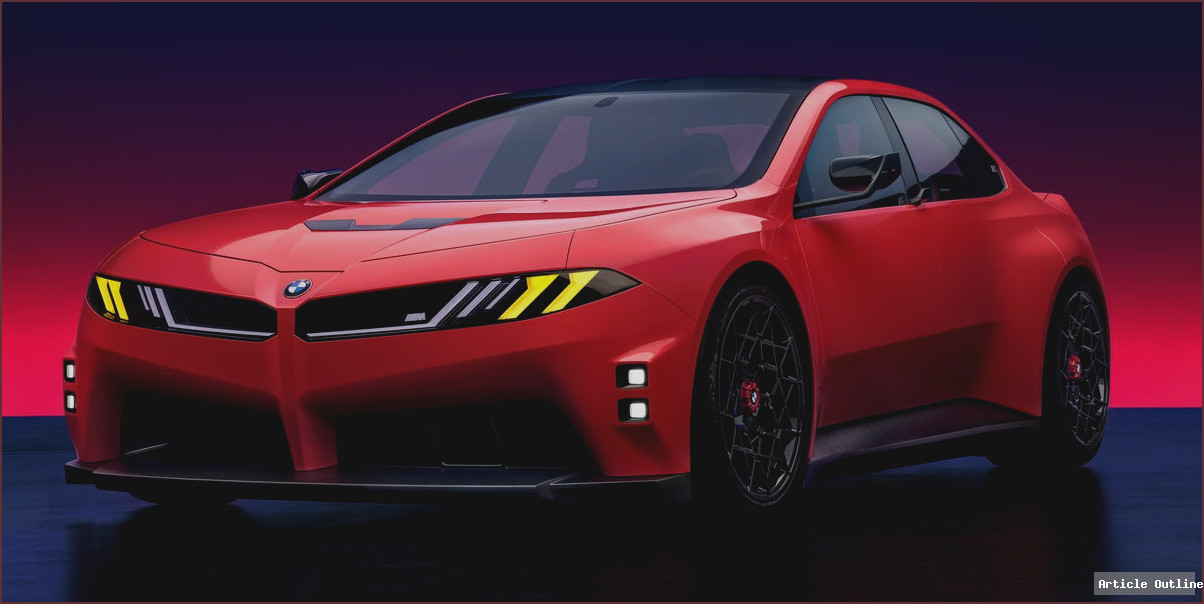
The move to a full EV M3 is more than a product update; it’s a litmus test for the future of performance cars in the electric era. BMW is betting its M legacy that the next generation of enthusiasts will crave electrons as much as they did exhaust notes. Will the gamble pay off? Let’s break down the implications, the risks, and what most people are missing about this groundbreaking car.
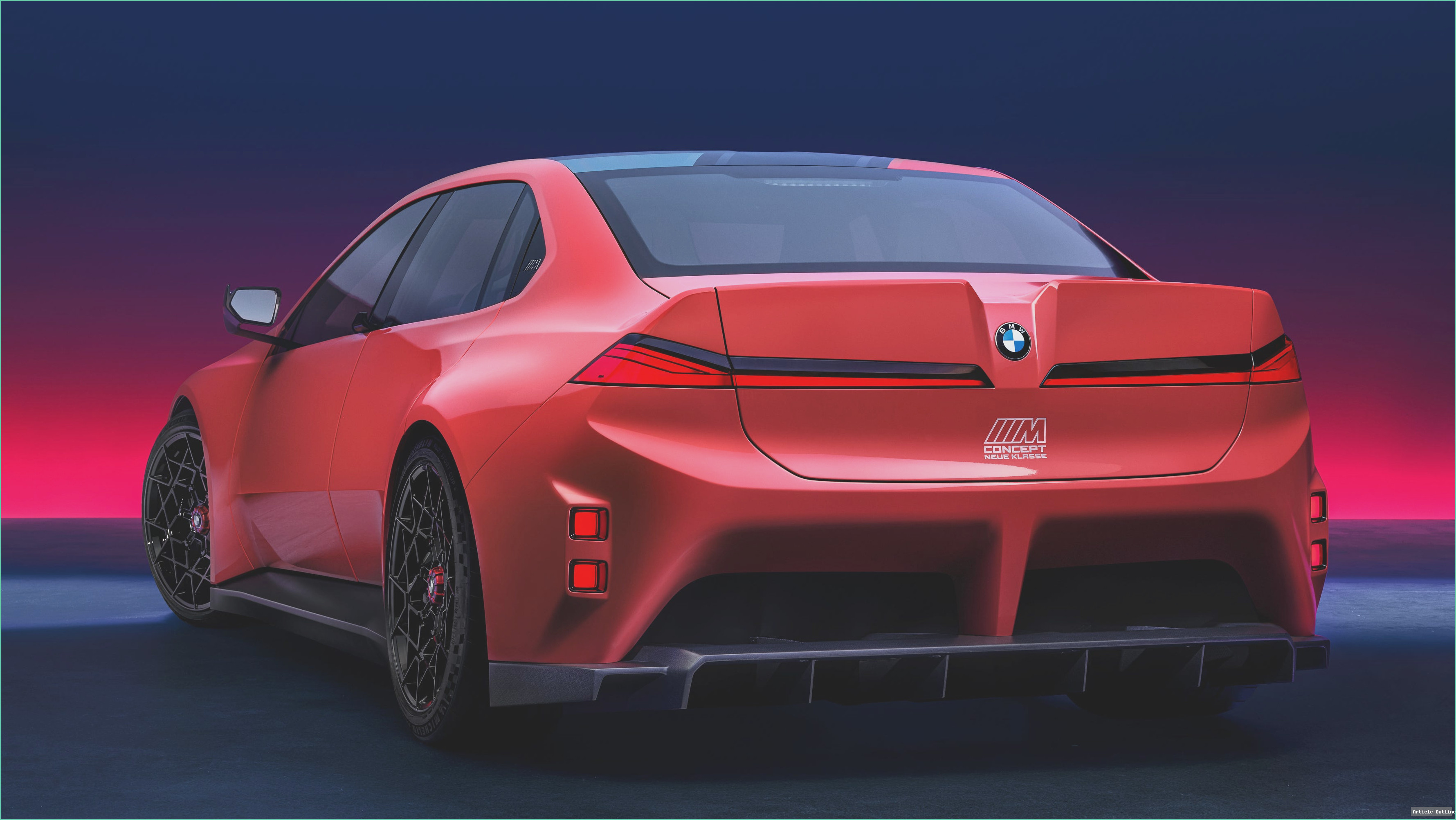
Why This Matters
- Performance Heritage Meets Electrification: The M3 has long been the yardstick for sports sedans. Bringing it into the electric age could either cement BMW’s dominance or risk alienating its most loyal fans.
- Tech Leap Over Rivals: BMW isn’t just swapping engines for batteries. The new M3 EV sits on an 800-volt architecture, promising faster charging and better performance than most current EVs.
- Coexistence, Not Replacement: BMW will sell the gas-powered M3 alongside the EV. This dual-offering could be a masterstroke, capturing both purists and early adopters, or it could split the brand’s identity.
What Most People Miss
- Quad-Motor Setup: The M3 EV features four electric motors, potentially allowing for torque vectoring and agility levels that would be impossible with a traditional drivetrain. Think instantaneous power delivery and mind-bending cornering tricks—if BMW nails the software.
- Legacy on the Line: For BMW, the M3 is sacred territory. If the EV model stumbles, it could taint the M badge for a generation. But if it delivers, it could redefine what high-performance means in the EV era.
- Interior Tech Revolution: The “Panoramic Vision” system is a leap in driver-focused displays, stretching key info across the windshield. It’s not just a gimmick—done right, this could become the new gold standard for sports car dashboards.
Key Takeaways
- Power Expectations: Entry-level M3 EVs are likely to start at over 600 hp, with a possible CS variant breaking the 1,000-hp barrier. That’s hypercar territory for a family sedan.
- Battery Tech: A 20% improvement in energy density means more range and less weight—two critical factors for an electric performance car. Similar advances are being seen in rivals like Porsche’s Taycan update and Lucid’s upcoming tri-motor Air.
- Infotainment and Customization: With a 17.9-inch customizable touchscreen and a drag-and-drop head-up display, the M3 EV is designed for tech-savvy buyers who want their car to feel as cutting-edge as their smartphone.
Industry Context and Comparisons
- Competing with Tesla and Porsche: The M3 EV will face off against the Tesla Model S Plaid and Porsche Taycan Turbo. Both offer blistering acceleration and advanced tech, but neither carries the M3’s badge or heritage.
- BMW’s Dual Strategy: While many automakers are rushing headlong into electrification, BMW’s decision to sell the gas and electric M3 side by side is rare. It’s a nod to tradition and a hedge against unpredictable market shifts.
- EV Adoption Trends: According to the IEA, EVs accounted for ~18% of global car sales in 2023, up from just 4% in 2020. By 2028, that number could easily surpass 30%. BMW’s timing positions the M3 EV right as the tipping point approaches.
Pros and Cons Analysis
- Pros:
- Groundbreaking performance potential (quad motors, instant torque)
- Cutting-edge infotainment and connectivity
- Advanced battery tech for longer range and faster charging
- Maintains M3’s legacy while introducing new tech
- Cons:
- Weight—EVs are inherently heavier; will BMW’s chassis tuning magic overcome this?
- Unproven emotional appeal—can electrons replace engine noise and feel?
- Potential price premium over gas M3 (expect a hefty MSRP)
- Risk of splitting the fanbase
Timeline: BMW M3’s Electric Transition
- 2023: First rumors and prototypes of electric M vehicles emerge.
- 2026-2027: Next-gen gas M3 launches, setting stage for EV debut.
- 2027: Production of M3 EV expected to begin.
- 2028: Full reveal and first deliveries of the M3 EV.
The Bottom Line
The 2028 BMW M3 EV is a bold bet on the future of driving passion. If BMW pulls it off, they’ll prove that high-octane thrills aren’t tied to gasoline—they’re built into the DNA of the M badge. But the stakes have never been higher. For buyers, this means more choice, more tech, and potentially, a new definition of “The Ultimate Driving Machine.” For the industry, it’s a shot across the bow—welcome to the new era of performance.
Action Steps & Practical Implications
- If you’re shopping for a BMW sports sedan before 2028, check out the i4 M50 for a taste of BMW’s current EV performance.
- Watch for more details on the M3 EV’s range, charging, and pricing over the next 18 months.
- Enthusiasts: Stay vocal—BMW is clearly listening to its fanbase as it makes this historic transition.