The 2028 Lucid Cosmos SUV is stirring up excitement in the electric vehicle world, despite details being scarce. Lucid has set a high bar with its previous models, and the Cosmos hints at a bold new direction—combining advanced technology and fresh design language with promises of next-level efficiency. But what does this really mean for EV buyers, the industry, and the competition?

Why This Matters
- Lucid’s Cosmos isn’t just another SUV—it’s a statement about the next phase of EV technology. The inclusion of the new Atlas electric motor, rumored to boost efficiency significantly, could push the entire industry to up its game.
- Platform sharing with the upcoming Lucid Earth SUV suggests Lucid is getting serious about scalability and cost control, which could mean more competitive pricing and faster innovation cycles.
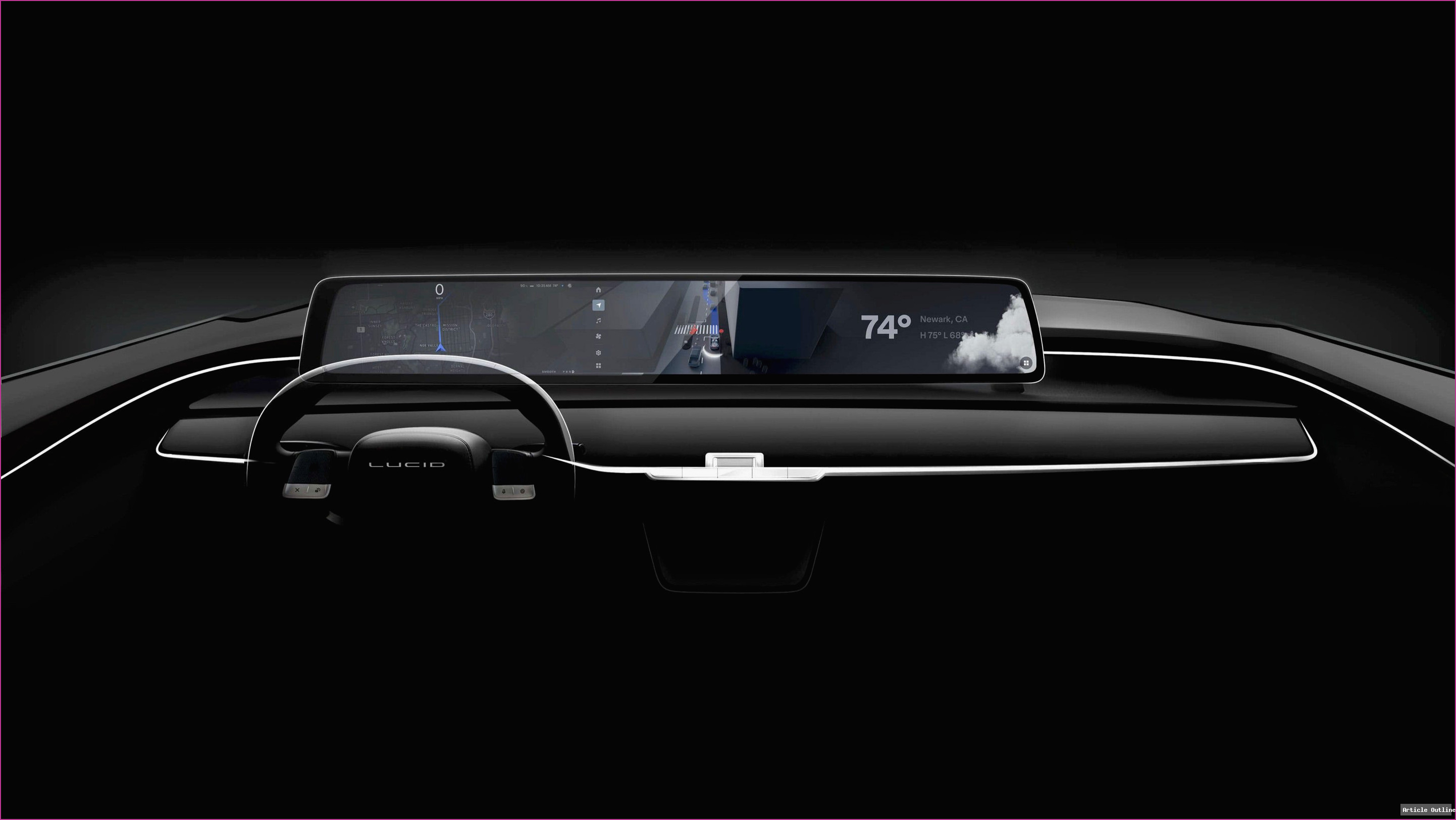
- A large, customizable dashboard display and integrated AI voice assistant signal a move toward more intuitive, futuristic user experiences—possibly setting new standards in the segment.
What Most People Miss
- Lucid’s timing is critical: By launching the Cosmos for the 2028 model year, Lucid positions itself to leapfrog current-gen EVs just as the market is hitting mainstream acceleration. This means competitors like Tesla, Rivian, and even legacy automakers will need to scramble to keep pace with Lucid’s tech and design advances.
- The Atlas motor debut is a big deal. Efficiency gains aren’t just about longer range—they’re about cost savings, smaller batteries, lighter vehicles, and better performance. Think: more affordable EVs with no compromise on luxury or driving experience.
- The Cosmos could be a testbed for AI and multi-user customization, laying the groundwork for smarter, more personalized in-car experiences as EVs become digital platforms on wheels.
Key Takeaways
- The Cosmos will likely offer both single- and dual-motor setups, with at least 300 miles of range—but expect Lucid to aim higher to stay ahead of Tesla and Rivian.
- Lucid’s historical launch strategy hints at a Dream Edition debut followed by more accessible trims, making luxury tech available at different price points.
- The SUV’s expansive AI-driven infotainment system is designed for multiple users, pointing toward a future where car ownership and sharing models blend.
Industry Context & Comparisons
- Market Trends: By 2028, EVs are expected to account for 40%+ of new vehicle sales in key markets. The Cosmos arrives as demand for electric SUVs hits new highs.
- Competition: Tesla’s Model X and Y, Rivian’s R1S, and the Mercedes EQE SUV are the current benchmarks. Lucid’s focus on range, efficiency, and tech could see the Cosmos outshine these rivals in key areas.
- Tech Leap: The Atlas motor could set a new bar for efficiency—watch for industry-wide adoption or imitation if Lucid’s claims hold true.
Timeline: Lucid Cosmos Rollout
- 2026: Official reveal expected
- 2028: Production begins, with early deliveries and likely a Dream Edition launch
- 2029+: Expansion to additional trims and global markets
Pros & Cons Analysis
- Pros:
- Cutting-edge new Atlas electric motor
- Bold, sporty design with large customizable displays
- Likely strong range and performance
- Advanced AI and user experience features
- Cons:
- Long wait until 2028 for production
- Uncertain pricing and final specs
- Potential tech teething issues as features debut
The Bottom Line
The Lucid Cosmos could be a pivotal model not only for Lucid but for the entire electric SUV market. If the Atlas motor and advanced UI live up to the hype, competitors will be forced to rethink their own roadmaps. For buyers, the Cosmos promises a blend of luxury, range, and intelligence that hasn’t been seen before. Yes, the wait is long—but the payoff might just be worth it.

Sources: