The future of luxury people-movers is rolling into the U.S., and it’s wearing a three-pointed star. Meet the 2028 Mercedes-Benz VLE-Class—a fully electric van that blurs the line between a limo and a minivan, and brings a bold new flavor to premium transportation.
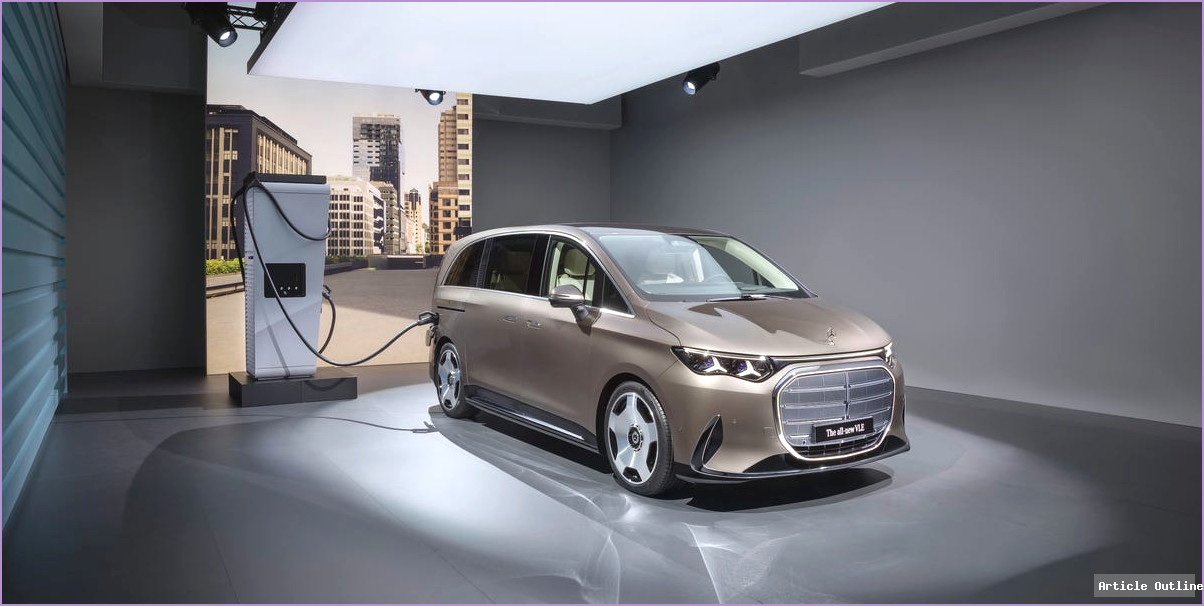
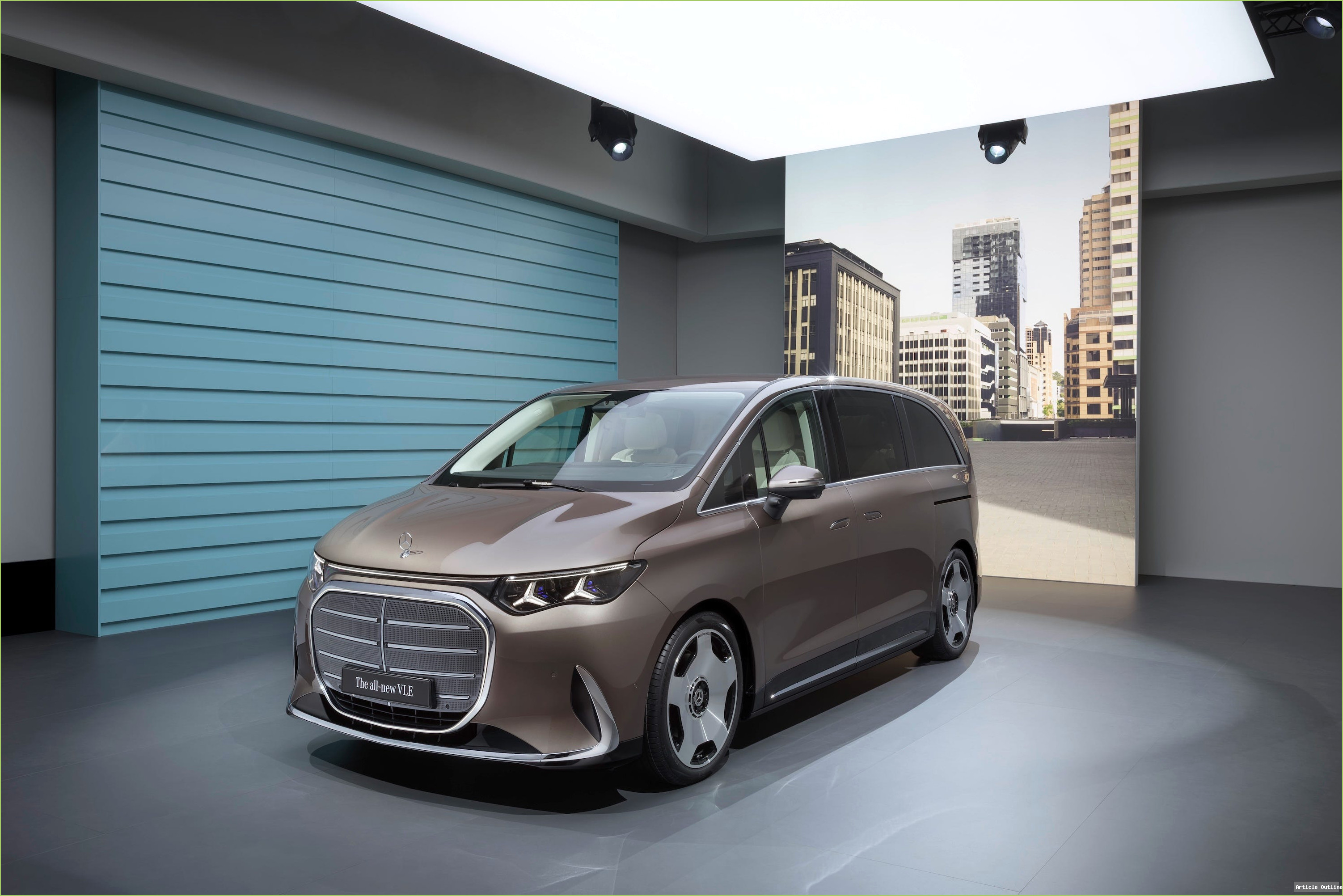
Mercedes-Benz is betting big that Americans are ready for a minivan that doesn’t look—or drive—like anything you’ve seen in the school pickup line. With its illuminated grille, imposing presence, and AMG monoblock wheels up to 22 inches, the VLE-Class is clearly more Silicon Valley CEO shuttle than soccer mom special.
Why This Matters
- Electrification goes upscale: The VLE-Class signals that electric vehicles aren’t just about efficiency—they’re about luxury, tech, and status.
- A new segment for U.S. buyers: The U.S. luxury van market is tiny. This move could expand the entire category, much like the Mercedes Sprinter did for practical vans a decade ago.
- Hints at future mobility: With high-tech features and a focus on comfort, the VLE could be a preview of autonomous shuttles and VIP transport solutions.
Key Takeaways
- Power and Range: Two electric powertrains—a 268-hp FWD (VLE300) and a 409-hp AWD (VLE400)—backed by a 115-kWh battery. Expect up to 370 miles of range (that’s Tesla Model X territory), with 300 kW DC fast-charging for rapid pit stops.
- Size & Platform: Built on Mercedes’ modular Van.EA architecture, the VLE stretches 209 inches—longer than most U.S. minivans, promising limo-like space and comfort.
- Luxurious Touches: Available in three trims (including an AMG Line), with illuminated grilles, star-shaped DRLs, and a ride-adjusting air suspension you can control with your voice. Yes, you read that right—voice-controlled suspension.
What Most People Miss
- The Real Competition Isn’t a Minivan: The VLE-Class isn’t aiming at Honda Odyssey or Chrysler Pacifica buyers. Think Lincoln Navigator L, Cadillac Escalade ESV, or luxury SUVs used for executive transport. Mercedes is carving out a niche above the family hauler and below the Maybach limo.
- Platform Flexibility: The Van.EA platform is the backbone for future Mercedes commercial EVs. Expect tech from the VLE to trickle down into work vans, delivery vehicles, and even shared autonomous fleets.
- Charging Leadership: 300 kW peak charging is rare for vans. Mercedes is future-proofing this platform for long-haul, high-usage fleets, not just private owners.
How Does the VLE-Class Stack Up?
- Vs. Rivian EDV & Ford E-Transit: Those are focused on commercial use, not luxury. The VLE is in a class of its own for comfort and tech.
- Vs. Tesla Model X: The Model X is an SUV, but the VLE offers more space and a truly unique presence.
- Vs. Toyota Sienna Hybrid: The Sienna is efficient, but nowhere near as powerful, fast-charging, or as plush as the VLE-Class.
Pros & Cons
- Pros:
- Luxury, range, and tech in a spacious package
- Fast charging and advanced suspension
- Potentially sets a new standard for electric people-movers
- Cons:
- Expected to carry a high price tag (pricing not yet announced)
- Big size might be a challenge for urban parking
- Unproven demand for luxury electric vans in the U.S.
Timeline: What’s Next?
- 2024: U.S. debut and spec reveal
- 2025: Pricing and trim details announced
- 2028: VLE-Class hits U.S. showrooms
The Bottom Line
The 2028 Mercedes-Benz VLE-Class is more than just an electric van—it’s a bold statement about the future of premium mobility. With its combination of range, luxury, and tech, it could kick off a whole new movement in American transportation. Will it succeed? If Mercedes can convince buyers that a van can be just as aspirational as an S-Class sedan or a G-Wagon, it just might rewrite the playbook.