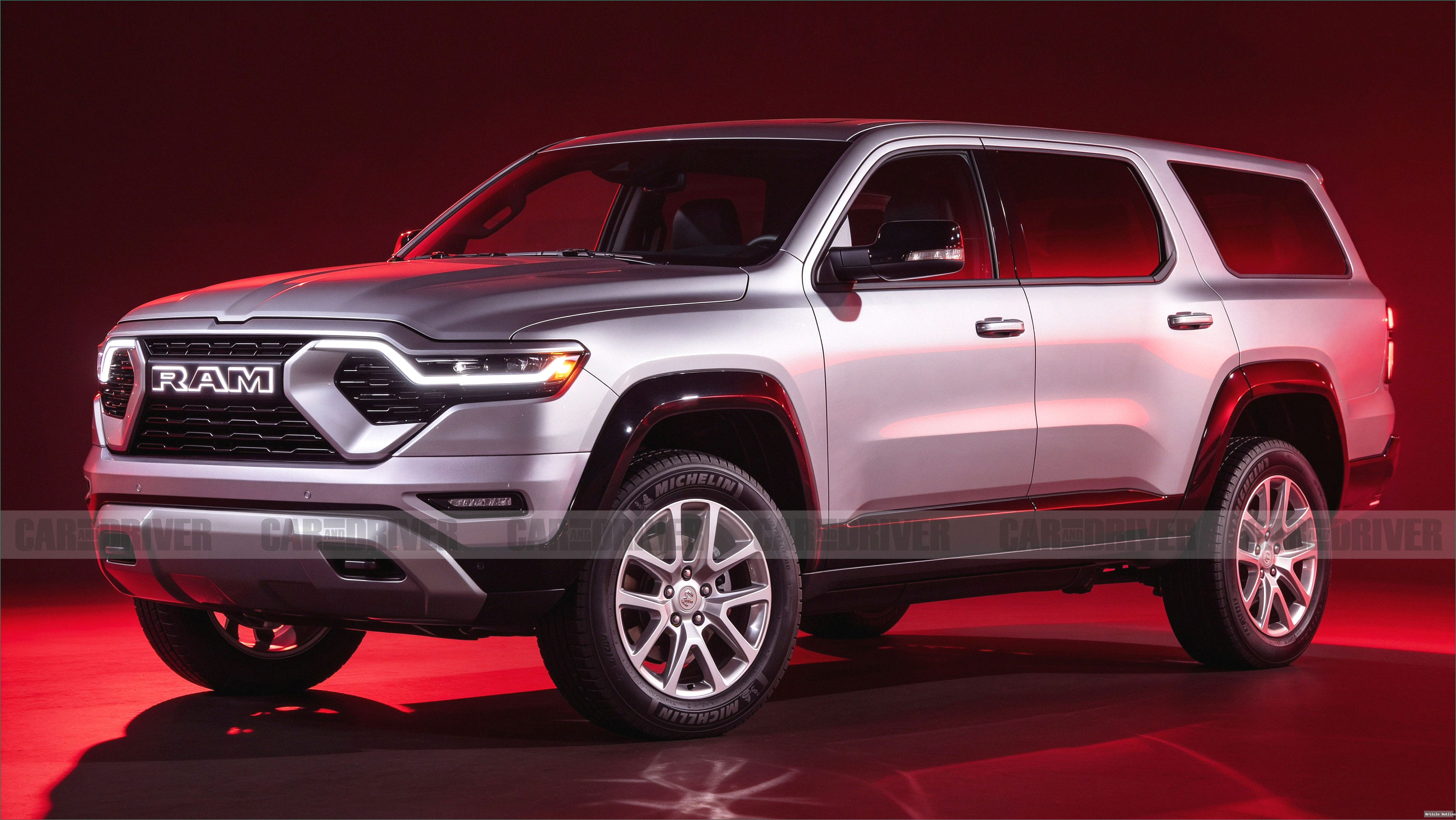
The 2028 Ram Ramcharger isn’t just another burly SUV—it’s a bold move that could shake up the full-size SUV landscape. While the Ramcharger badge conjures nostalgia for truck-based family haulers of the ’70s and ’80s, this reboot aims to capitalize on Ram’s truck dominance and bring real muscle to a segment increasingly focused on luxury and efficiency.
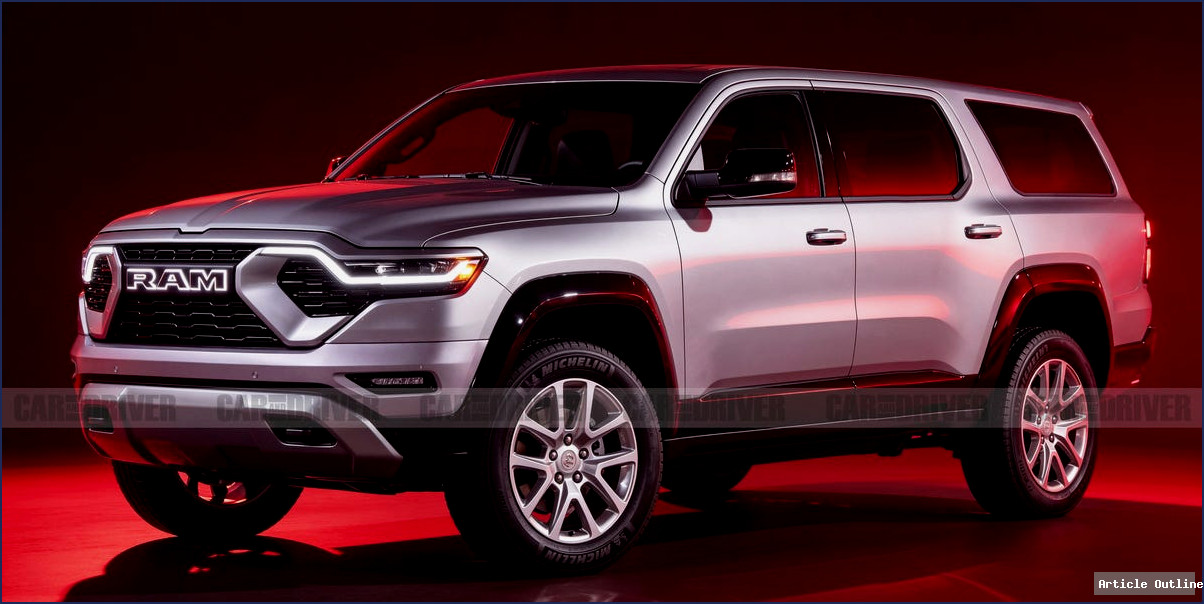
The new Ramcharger shares its underpinnings with the Jeep Grand Wagoneer, but swaps chrome and subtlety for classic V-8 power and a more aggressive, utilitarian edge. In an era when most brands are downsizing engines and chasing electrification, Ram is doubling down on what their customers love—big engines, bold styling, and serious capability.
Why This Matters
- Ram’s leap into SUVs is a seismic shift for Stellantis. It diversifies their U.S. lineup beyond trucks and vans, targeting buyers who want pickup performance with SUV practicality.
- The Ramcharger fills a gap left by Jeep’s pivot toward ultra-luxury, offering a lower-priced, family-friendly alternative with old-school V-8 charm.
- It’s a shot across the bow for GM and Ford, whose Tahoe, Suburban, Expedition, and Yukon have ruled this space for decades.
What Most People Miss
- Platform Synergy: While the Ramcharger borrows the Grand Wagoneer’s body-on-frame platform, it’s likely to get the Jeep’s independent rear suspension—boosting ride comfort and off-road prowess, especially with optional air suspension.
- Performance Focus: The Ramcharger is set to offer the legendary Hemi V-8s (395-hp 5.7L and 470-hp 6.4L), and an SRT-badged, supercharged 6.2L V-8 cranking out a wild 777 hp. That would make it the most powerful SUV in its class by a huge margin.
- Hybrid Potential: There’s still a chance for a plug-in hybrid variant, leveraging Jeep’s delayed Grand Wagoneer PHEV tech—an overlooked move that could future-proof the Ramcharger as regulations tighten.
Key Takeaways
- Ram’s SUV will be built in Michigan, priced from around $60,000—undercutting the Grand Wagoneer and taking direct aim at mainstream rivals.
- Expect family-friendly comfort, serious towing, and Rebel/off-road trims to compete with the Tahoe Z71 and Expedition Tremor.
- But…high gas prices and the shift to electrification are real risks. Will buyers still crave V-8s in 2028, or will Ram’s timing be off?
Industry Context & Comparisons
- GM and Ford’s full-size SUVs have dominated for decades, but Ram’s entry with V-8 power and truck DNA could attract buyers who feel left behind by the luxury shift in the segment.
- Recent data: In 2023, the Chevy Tahoe and Ford Expedition sold over 100,000 units each in the U.S., despite high fuel prices—a sign the market still loves big SUVs.
- Unlike the electrified push from Ford (Expedition Hybrid rumored) and Toyota (Sequoia Hybrid), Ram’s focus on V-8s bucks the trend—offering a unique selling point, but also a gamble on future demand.
Pros and Cons
- Pros:
- Legendary Hemi V-8s and SRT performance
- Truck-based capability with SUV convenience
- Potential for hybrid future
- Cons:
- Gas prices and emissions regulations could threaten demand
- Needs to distinguish itself from Jeep Grand Wagoneer and Ram 1500
- Tough competition from established Ford and GM SUVs
Action Steps & Practical Implications
- Ram dealers should prepare for a new breed of customer—families who want truck power without truck compromises.
- Potential buyers: Keep an eye on hybrid announcements and final pricing to maximize long-term value.
- Industry watchers: Ram’s approach could set a precedent for how legacy brands expand beyond their roots.
The Bottom Line
The 2028 Ram Ramcharger is shaping up to be a muscle-bound disruptor in an SUV market drifting toward luxury and electrification. If Ram can balance V-8 nostalgia with future-ready options like a PHEV, it could become the new benchmark for full-size American SUVs—and force rivals to rethink their own strategies.