Land Rover is charging into the electric future with its highly anticipated 2028 Range Rover Sport Electric. With up to 542 horsepower and a promised driving range north of 300 miles, this SUV is not just an evolution—it’s a bold statement in the luxury EV landscape. But what does this mean for drivers, the industry, and Land Rover’s place in the rapidly changing automotive world?
Let’s dig deeper than the headlines and explore why this launch matters, what most people miss, and how it stacks up against the competition.
Why This Matters
- Land Rover’s commitment to electrification marks a shift for the historic off-road brand, signaling its intent to stay relevant as governments and consumers demand greener vehicles.
- The luxury SUV market is heating up—Tesla, BMW, Mercedes, and Audi have all launched electric SUVs. Land Rover’s entry raises the bar on both performance and prestige in the segment.
- With a projected range of over 300 miles, the Sport Electric will compete head-to-head with established EVs like the Tesla Model X and Mercedes EQS SUV, answering critics who say electric vehicles can’t combine luxury, capability, and long-range practicality.
What Most People Miss
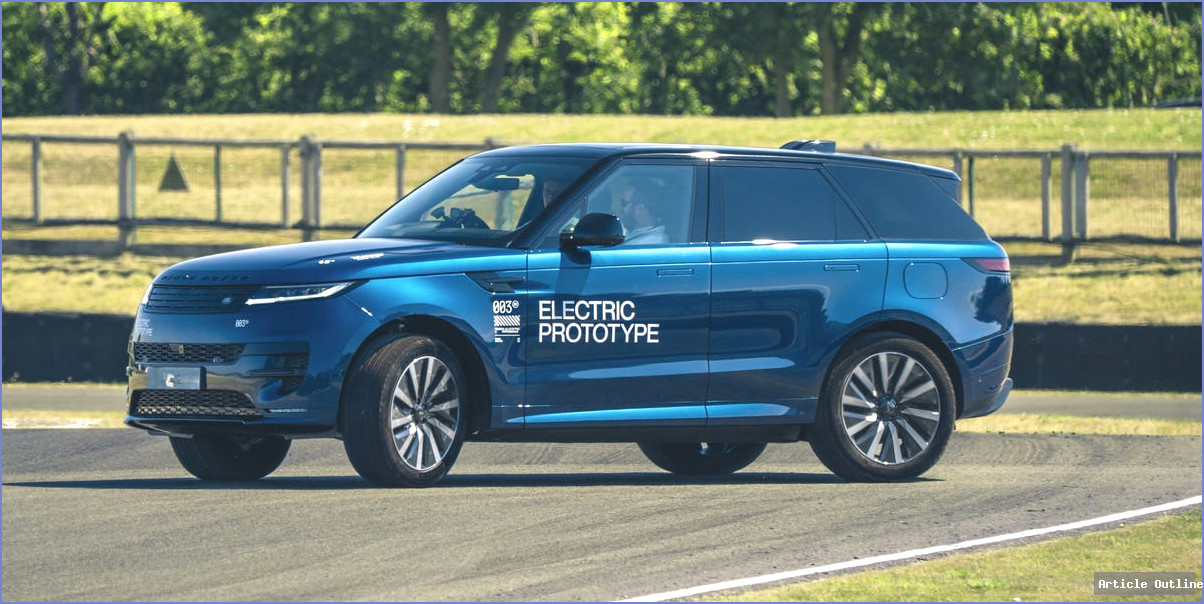
- Design subtleties: Unlike competitors who make their EVs look radically different, Land Rover keeps the classic Sport SUV silhouette. The only giveaways? A closed-off grille and no exhaust pipes. This restraint appeals to traditionalists who want electrification without sacrificing the Range Rover ‘look.’
- Strategic rollout: Land Rover’s slow, steady approach—starting with a plug-in hybrid (54 miles electric-only) before going fully electric—reduces risk and caters to buyers hesitant to make the full leap to EVs.
- Land Rover’s legendary off-road DNA remains unproven in EV form. How will battery weight and torque delivery affect real-world trail performance? We’re eager for C/D’s future test results.
Key Takeaways
- 542 horsepower places the Range Rover Sport Electric among the most powerful luxury EV SUVs slated for 2028.
- 300+ mile range is critical for easing range anxiety—especially among buyers used to cross-country comfort.
- Minimal exterior changes preserve the signature Range Rover style, appealing to loyalists and making the electric transition less intimidating.
- Launch timing—with production likely in 2027—positions Land Rover to catch the second wave of luxury EV buyers, after early adopters have paved the way.
Comparison: How Does It Stack Up?
- Tesla Model X: Slightly higher range, similar power, but less focus on off-road capability and classic luxury.
- BMW iX M60: Comparable performance, but the Range Rover may edge it out on brand cachet and off-road history.
- Mercedes EQS SUV: More tech, but Land Rover’s rugged image and understated design offer a different kind of appeal.
Pros and Cons
- Pros: Long range, massive power, classic styling, expected luxury appointments, and brand prestige.
- Cons: Unknown price (expect north of $90,000), unproven off-road EV performance, and late arrival to the EV party.
The Bottom Line
The 2028 Range Rover Sport Electric is more than just another luxury EV—it’s a litmus test for whether traditional SUV makers can master the electric transition without losing their soul. If Land Rover nails the balance of performance, range, and classic design, it could become the new benchmark for electric SUVs. But with fierce competition and high expectations, the road ahead is anything but certain.
Action Steps for Interested Buyers
- Monitor Land Rover’s official updates for specs, pricing, and reservation info.
- Test-drive current plug-in hybrid models to get a feel for Land Rover’s electrification approach.
- Compare with rival EV SUVs for features, range, and price as more details emerge.