The freshly revealed 2028 Volvo XC60 isn’t just a facelift—it’s a statement about where premium crossovers are headed. Sure, you’ve seen the exterior photos, but let’s dig deeper into what these changes mean for drivers, the industry, and Volvo’s future.
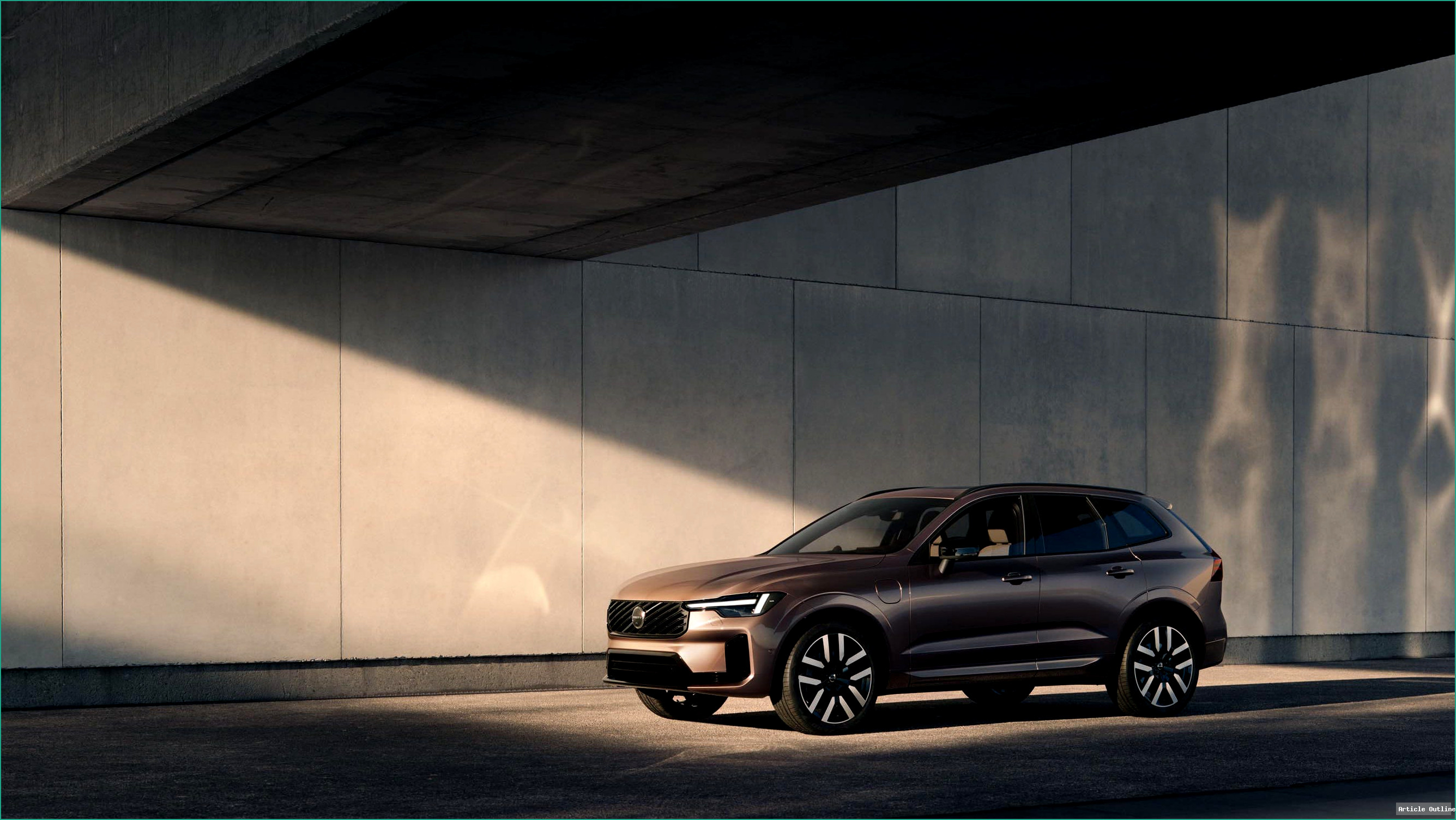
The new XC60 features a thoroughly reworked front end, complete with a new hood, fenders, and a slimmer grille. But the real headline? It’s not just about looking sharper—it’s about signaling a strategic pivot for Volvo amid a rapidly electrifying market and tightening regulatory landscape.
Why This Matters
- Electrification leaps forward: The plug-in hybrid variant now boasts an electric-only range of up to 78 miles—a staggering jump from the previous 35. For context, this is among the highest ranges for any plug-in SUV, positioning Volvo as a serious contender against both luxury hybrids and fully electric competitors.
- Legal Matrix LEDs: The new, sharper headlights with “Thor’s Hammer” motif use matrix LED tech that’s finally legal in the U.S. This isn’t just a cosmetic win—it’s a practical upgrade for night driving and safety.
- Design with substance: Restyled bodywork, new wheel options, and a fresh Heather Bronze paint elevate the XC60’s curb appeal, but also subtly boost aerodynamics and efficiency—key for electric range.
What Most People Miss
- Regulatory shift: Adaptive LED headlights have been available in Europe for years, but U.S. regulations only recently allowed them. Volvo’s quick adoption signals their intent to leverage tech advantages over slower-moving rivals.
- Plug-in hybrid “sweet spot”: With 78 miles of electric range, the XC60 PHEV may hit the practical sweet spot for buyers who want EV-like daily driving but need long-distance flexibility. In fact, the U.S. Department of Transportation reports that 95% of car trips are under 30 miles—well within this new range.
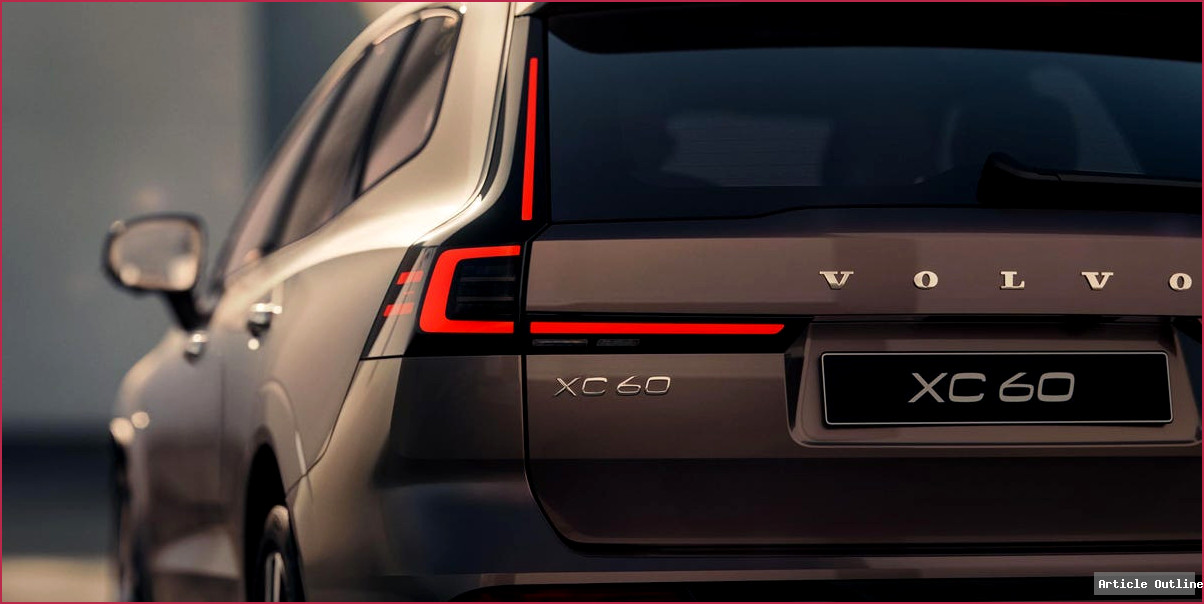
- Subtle but strategic design choices: The new rear end, updated taillights, and liftgate tweaks aren’t just for looks—they’re part of Volvo’s broader push for brand identity and improved usability.
Key Takeaways
- 78 miles EV range puts the XC60 PHEV ahead of most plug-in rivals like the BMW X5 xDrive50e (40 miles) and Lexus RX450h+ (37 miles).
- Matrix LED headlights now legal in the U.S.—expect a wave of premium brands to follow Volvo’s lead in integrating smarter lighting tech.
- Visual upgrades aren’t just for show; they aid efficiency, support Volvo’s safety-first identity, and keep the model competitive in a crowded segment.
Industry Context: How Does the 2028 XC60 Stack Up?
- Luxury plug-in SUV market is heating up. Volvo’s new range easily eclipses most competitors, offering EV-like usability for suburban commuters.
- Design evolution, not revolution. Volvo’s approach keeps core brand DNA intact while introducing enough newness to excite loyalists and attract newcomers.
- Anticipate price shifts. Pricing is under wraps but expect a premium given the tech upgrades—potentially pushing the XC60 closer to the entry-level full EV market.
Pros and Cons
- Pros: Best-in-class plug-in range, advanced lighting, fresh design, brand cachet.
- Cons: Unknown pricing, competition from dedicated EVs, and potential weight/complexity from hybrid system.
The Bottom Line
The 2028 Volvo XC60 isn’t just a pretty face—it’s a smartly engineered bridge to Volvo’s all-electric future. By doubling the EV range and integrating tech that’s only just become legal stateside, Volvo positions the XC60 as the thinking driver’s luxury crossover—one that’s ready for tomorrow, not just today.