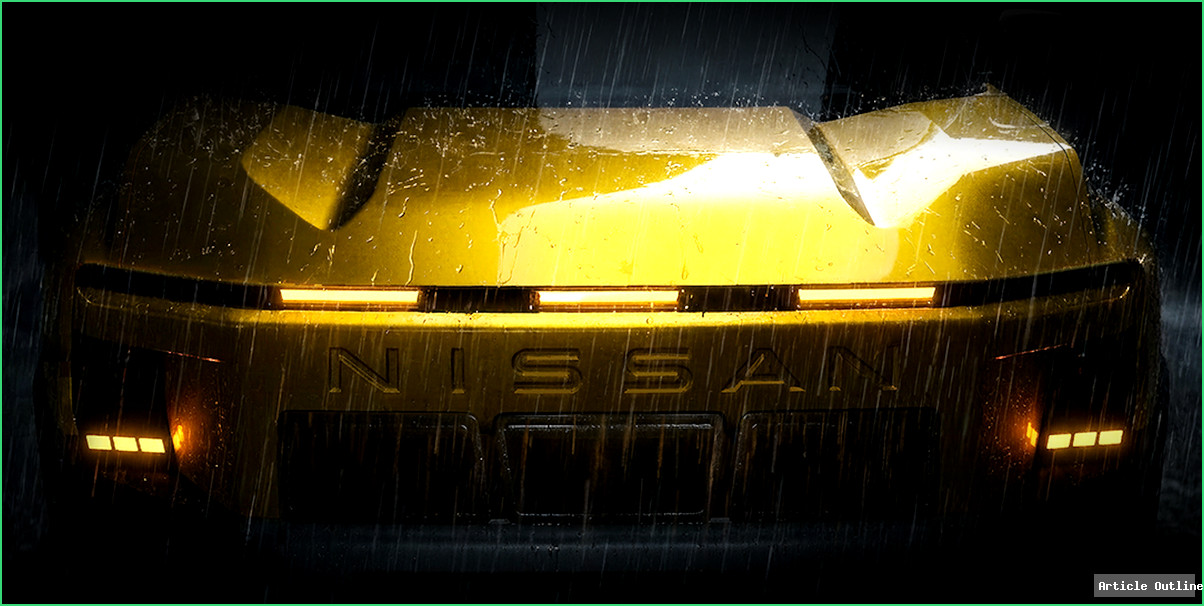
The Nissan Xterra is officially gearing up for a dramatic return, and it’s not just nostalgia at play—the 2029 Xterra could be a trailblazer for the entire SUV segment. Nissan’s confirmation of a late 2028 arrival, along with a sneak peek at its aggressive design and hybrid ambitions, signals a much bigger story brewing beneath the surface.
This isn’t simply about reviving a familiar nameplate. It’s about Nissan staking a claim in the resurgent body-on-frame SUV market—and maybe even changing the game for mainstream adventure vehicles.

Why This Matters
- Off-road SUVs are back in vogue. The Bronco, Wrangler, and 4Runner have all found new life. Nissan’s Xterra comeback is a clear bet that buyers want rugged, capable vehicles—not just crossovers masquerading as SUVs.
- Hybrid powertrains in real off-roaders are rare—and overdue. If Nissan delivers a true body-on-frame, V-6 hybrid Xterra, it could attract buyers who want both capability and some semblance of fuel efficiency.
- This platform will birth a whole family of trucks and SUVs. Expect Infiniti and Nissan to leverage this architecture for multi-row SUVs and pickups, broadening their US lineup and strengthening manufacturing in Mississippi.
What Most People Miss
- The design details signal serious intent. The orange running lights, blocky headlights, and robust grille aren’t just for show. They echo classic off-road cues and suggest Nissan wants the Xterra to be taken seriously by overlanders and enthusiasts—not just suburban buyers.
- No manual transmission is planned. While purists might groan, this move signals Nissan’s focus on broader appeal and hybrid compatibility, not just the hardcore off-road niche.
- Nissan is eyeing a multi-brand, multi-model rollout. The Xterra is just the start—look for an Infiniti spin-off, a new Frontier, and potentially a body-on-frame Pathfinder, all riding on this new platform.
Key Takeaways
- Timing: Late 2028 launch for the 2029 model year. Perfect timing as the SUV market continues to crave authenticity.
- Made in the USA: Production in Canton, Mississippi—great news for American jobs and supply chains.
- Powertrain Choices: Gas-only V-6 and V-6 hybrid. Nissan could outflank rivals who haven’t gone hybrid in this segment yet.
- Family Ties: Expect spinoffs across both Nissan and Infiniti brands, including pickups and multi-row options.
Comparisons & Context
- The Xterra’s return mirrors Ford’s Bronco resurrection—a calculated move to tap into off-road nostalgia with modern tech.
- Toyota’s 4Runner and Land Cruiser have dominated the body-on-frame hybrid conversation, but Nissan’s hybrid Xterra could be a more affordable, mainstream alternative.
- Market data: SUV sales in the US reached over 8.7 million units in 2023 (Statista). The body-on-frame segment, though smaller, is growing fast as buyers seek uniqueness and real capability.
Pros and Cons Analysis
- Pros:
- Authentic off-road capability
- Hybrid option for better efficiency
- US manufacturing = potential for better availability and pricing
- Platform flexibility = more new models
- Cons:
- No manual transmission, which may disappoint some traditionalists
- Late arrival: competitors may release new models first
- Hybrid tech in off-roaders is still unproven for some buyers
Action Steps & Practical Implications
- If you’re in the market for a true off-roader but want better MPG, keep the Xterra hybrid on your radar.
- Shoppers seeking family haulers with adventure cred should watch for related Nissan and Infiniti models.
- Fans of American production have a new reason to consider Nissan for their next SUV or truck.
The Bottom Line
Nissan isn’t just reviving the Xterra—it’s betting big on a new era of rugged, hybrid-capable SUVs and trucks for the US market. If competitors don’t take notice, Nissan may quietly steal a chunk of the off-road pie. The Xterra’s return could mark a turning point—where modern tech and honest capability finally meet in the mainstream.