April 2026 is shaping up to be a blockbuster month for new car buyers—with automakers unleashing some of the most aggressive finance deals we’ve seen in years. But there’s a lot more at play than just low APRs and fat rebates. Let’s peel back the sticker price and see what’s really fueling this deal frenzy—and why it matters for every shopper in the market right now.
On the surface, it’s a buyer’s market: 0% financing on EVs, thousands in cash back, and interest rates hovering at or below 2% on many top models. But the backstory is even juicier—and the implications go far beyond this month’s showroom sizzle.
Why This Matters
- Incentives are at all-time highs: JD Power reports an average of $3,300 per vehicle in discounts this March, triple the $1,100 seen four years ago.
- Dealer inventory has exploded—with 2.2 million cars on lots, more than double the 2022 number. That sheer volume is forcing automakers to open the incentive floodgates.
- Shift from EV to gas incentives: As EV demand cools and supply ramps up, manufacturers are quietly moving their deal dollars back toward gas-powered vehicles.
- Tariffs aren’t hitting your wallet (yet): Despite new Trump-era tariffs on imported parts, automakers are largely eating those costs—at least for now—to keep sticker shock at bay.
What Most People Miss
- Low APR isn’t always the best deal: Many cash rebates can’t be combined with special rates. Sometimes it’s smarter to take the cash, especially if you can secure outside financing.
- Dealers are more flexible than the ads suggest: With so much inventory, don’t be shy about negotiating. Even “non-negotiable” deals can get sweeter.
- Longer loan terms = higher risk: That shiny 0% for 75 months? It’s tempting, but you risk being upside down for years—especially if car values drop or you want to sell early.
- EV incentives are a sign of industry jitters: The major push for EV deals reflects supply outpacing current demand, despite years of hype.
Key Takeaways & Expert Analysis
- BMW is stacking $2000–$7500 in rebates on sedans and up to $12,500 for loyalists. This is BMW’s way of moving slow-selling models and rewarding brand loyalists.
- Chevrolet’s zero-percent financing and $10,000 rebates on EVs are hard to ignore. These are fire-sale tactics to make room for next-gen models and respond to lukewarm EV sales.
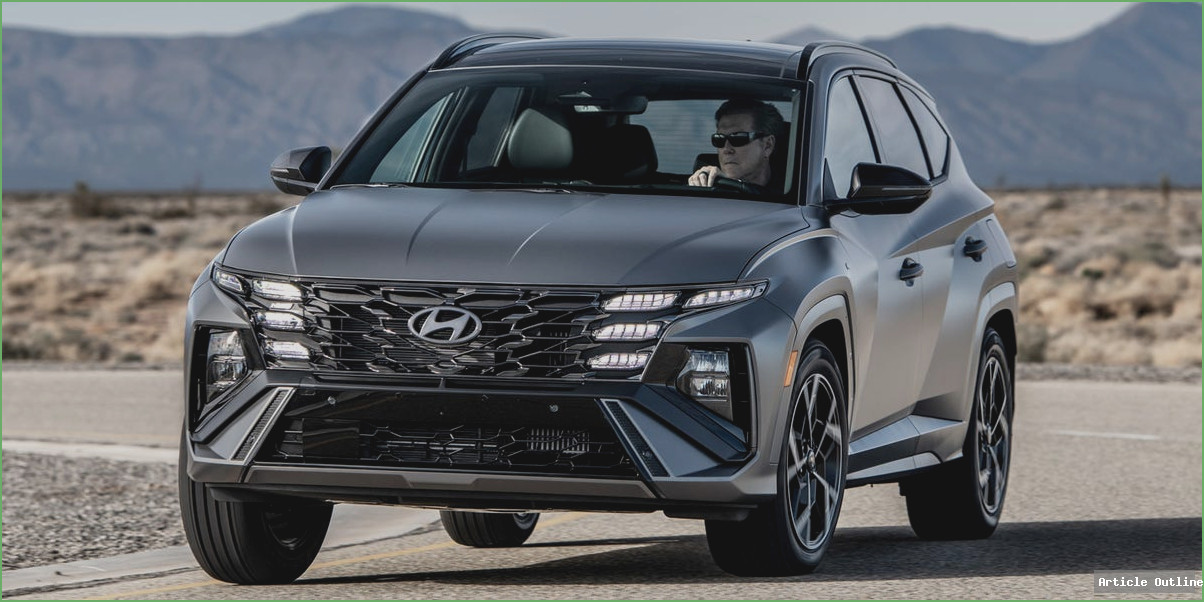
- Hyundai is offering no payments for 90 days plus 0% APR for up to 72 months—or up to $10,000 cash back. Deferred payments are rare and signal a real urgency to move inventory.
- Tesla and Lucid, once deal-averse, are now dangling low APRs and supercharging credits—a dramatic shift that would have been unthinkable just a few years ago.
- Subaru and Volvo are in the game with long-term 0% deals, even letting you order cars not yet in stock and still claim the discounts.
Comparisons & Industry Context
- In 2022, average incentives were under $1,200 per vehicle; in 2026, it’s nearly triple. We haven’t seen this much manufacturer “money on the hood” since the post-recession era.
- EVs, once sold out with no incentives, are now the most heavily discounted vehicles on the lot. This signals a pause in the electric revolution—or at least a need for recalibration.
- Interest rates for top-tier buyers have dropped below the Fed’s prime rate—automakers are subsidizing loans to a degree not seen since the ultra-tight credit markets of the early 2010s.
Action Steps for Savvy Buyers
- Shop both cash and finance offers—run the numbers to see which nets you the best real-world deal.
- Don’t accept the first offer—dealers are under pressure, so negotiate beyond the advertised specials.
- Read the fine print on eligibility, especially for loyalty/conquest and regional rebates.
- Consider paying off low-interest loans early to avoid negative equity traps.
- Use manufacturer finance calculators and independent guides to estimate your true costs (Car and Driver’s Auto Loans & Financing Guide is a good place to start).
The Bottom Line
April 2026 may be the best time in years to buy a new car—but only if you shop smart. The deals are rich because automakers and dealers need you more than ever, and that power shift is rare in today’s economy. Don’t just settle for the headline offer—dig deeper, negotiate harder, and you could drive away with a deal that would make even your car-savvy uncle jealous.