It’s the ultimate badge of honor for any car owner: rolling past the 250,000-mile mark. A recent massive survey by iSeeCars.com, analyzing data from a staggering 400 million vehicles, uncovers which makes and models are most likely to keep chugging well past the quarter-million mark. Unsurprisingly, the results favor familiar faces—but the real story runs deeper than just a list of reliable rides.
Why This Matters
Why should you care about vehicles hitting 250,000 miles? In an era where car prices are sky-high and the average age of vehicles on U.S. roads keeps climbing (recently surpassing 12.5 years according to S&P Global Mobility), buying a car that’ll go the distance is a major financial win. Keeping a vehicle longer saves on depreciation, reduces environmental impact from manufacturing, and speaks volumes about the manufacturer’s engineering prowess.
Key Takeaways
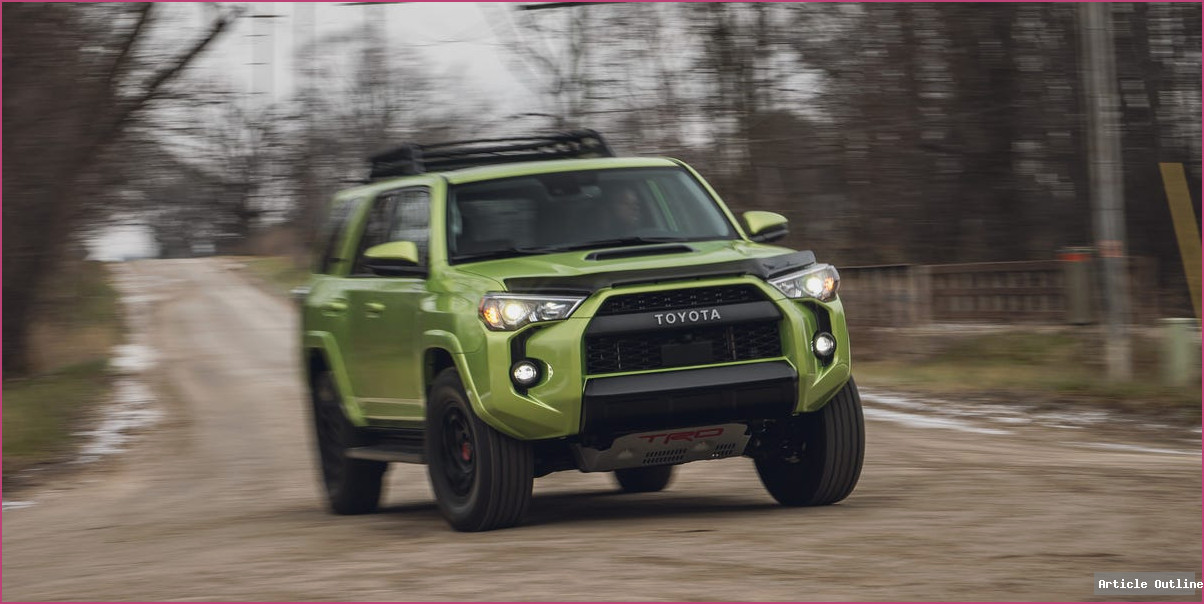
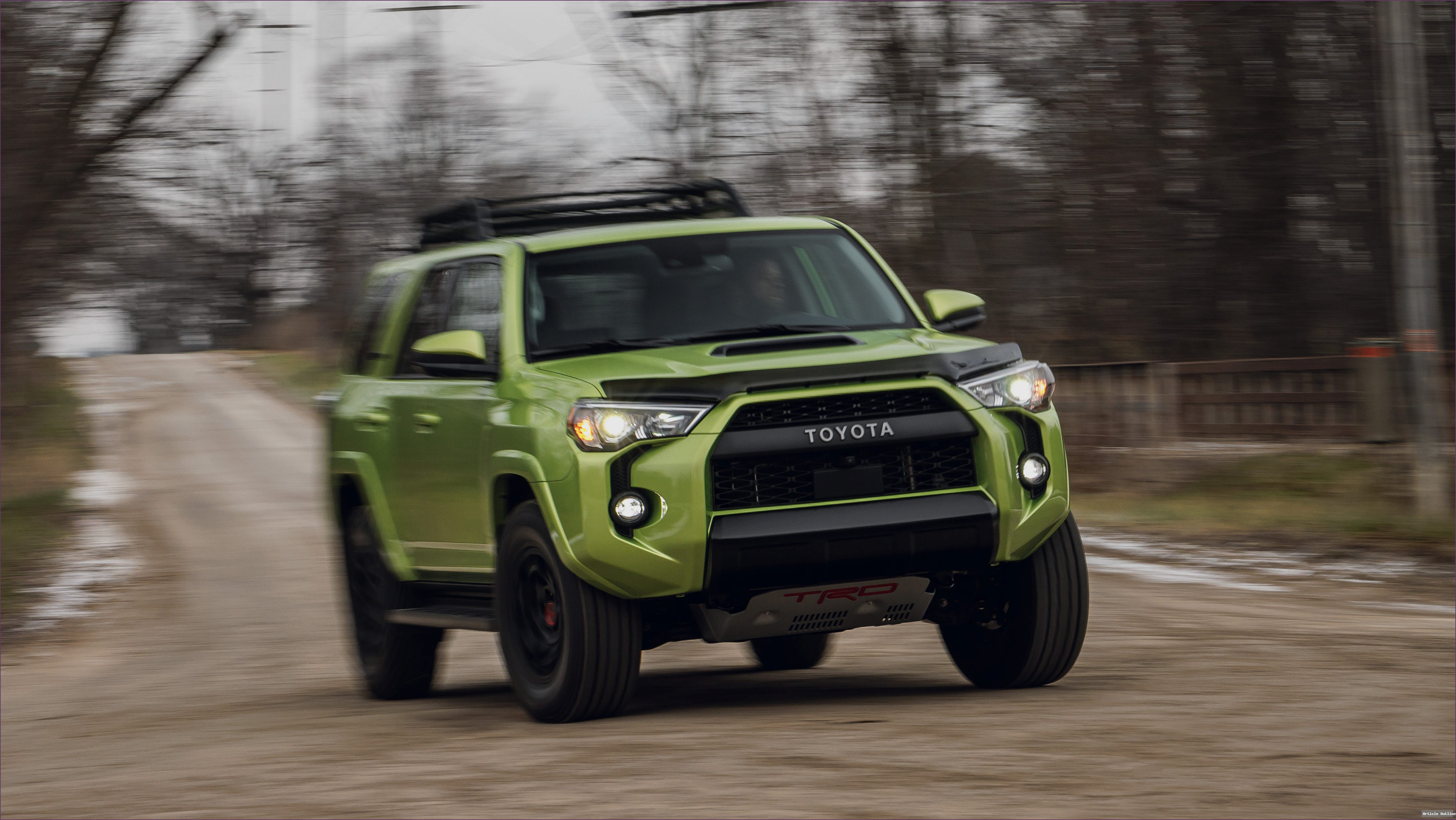
- Toyota and Lexus absolutely dominate—claiming 8 of the top 10 spots. The Toyota Sequoia leads, with an eye-popping 39.1% chance of hitting 250,000 miles.
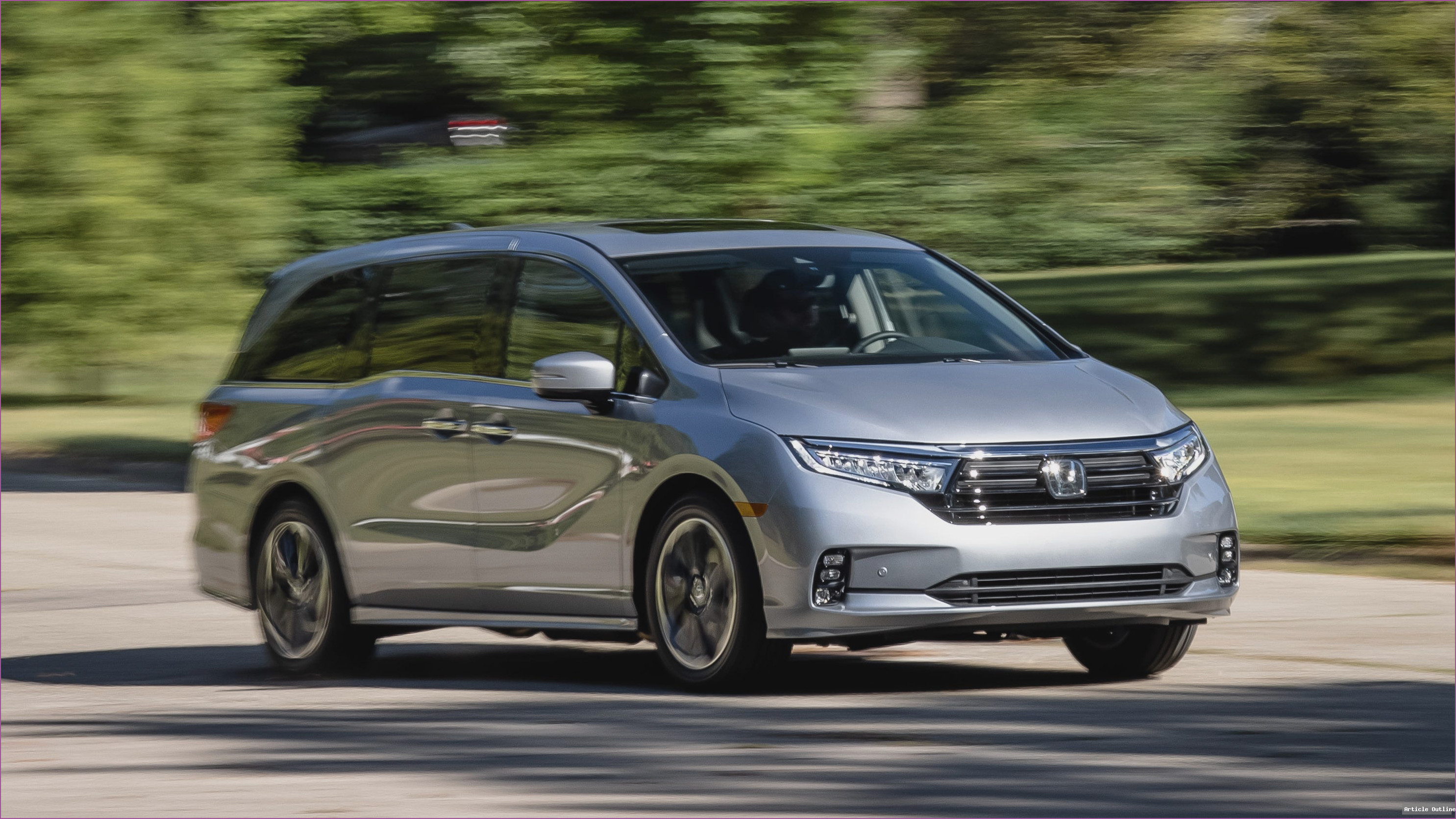
- Honda remains a strong contender, with the Odyssey, Pilot, Ridgeline, Civic, and CR-V all making the list.
- Hybrids are defying early skeptics. Toyota’s Highlander Hybrid and Prius show that well-built hybrids can outlast many conventional models.
- Full-size pickups and SUVs are overrepresented. It’s not just about reliability—it’s also about how these vehicles are used (think road trips, work, and fleets).
- Surprisingly, Ford’s F-150 is absent despite being America’s best-selling vehicle for decades.
What Most People Miss
Here’s the twist: these results aren’t just a testament to mechanical reliability—they also reflect owner behavior. Trucks, SUVs, and minivans often serve demanding roles (workhorses, family haulers, livery vehicles), so they’re more likely to rack up big mileage. That skews the data away from luxury sedans and sports cars, where owners might swap for something new long before mechanical limits are reached.
Another key point: Hybrids’ durability is understated. Remember when everyone worried hybrid batteries would die young? Turns out, models like the Toyota Highlander Hybrid (31.0%) and Prius (12.2%) are thriving well past 200,000 miles—often outlasting their non-hybrid siblings. Lower running costs (thanks to fuel savings) might even incentivize owners to keep them longer.
How Does This Compare to Industry Trends?
- The average vehicle age is now the highest ever, due to improved reliability and higher new car prices.
- Japanese automakers—especially Toyota and Honda—consistently top reliability studies from Consumer Reports and J.D. Power, and this list cements their reputation for longevity.
- General Motors earns honorable mentions with the Chevrolet Silverado and Suburban, plus the GMC Sierra, but their chances are still a third (or less) of the Sequoia’s.
- The absence of German luxury brands (BMW, Audi, Mercedes) and most American sedans is telling—these vehicles are either not built for the long haul, or more likely, their owners don’t keep them that long.
Pros and Cons of High-Mileage Vehicles
- Pros: Lower total cost of ownership, proven reliability, environmental savings, strong resale for certain models.
- Cons: Potential for expensive repairs as vehicles age, recalls (even the top Sequoia faced a big one last year), and the need for diligent maintenance.
Action Steps for Buyers
- Prioritize models with proven longevity if you want a car that will last.
- Don’t fear a hybrid—Toyota’s track record is now legendary.
- Remember: Maintenance history matters as much as brand. Even a Toyota can die young if neglected.
- Avoid paying a premium just for a nameplate; investigate how previous owners used and cared for the vehicle.
The Bottom Line
This survey isn’t just a brag sheet for Toyota and Honda—it’s a roadmap for anyone hoping to beat the average and squeeze every mile (and dollar) from their next vehicle. In a world where cars are lasting longer than ever, choosing wisely (and caring for your ride) could mean you’ll see that odometer flip past 250,000—and maybe, just maybe, 300,000 miles or more.