On the surface, pitting a 1999 Roush Ford Mustang Stage 3 against a WWII-era P-51D Mustang fighter plane is the kind of outlandish, headline-grabbing comparison that would make even the most die-hard gearhead roll their eyes. But look deeper, and this tongue-in-cheek “battle of the Mustangs” unearths something profound about the American spirit, our love affair with horsepower, and the relentless pursuit of performance—on both tarmac and in the clouds.
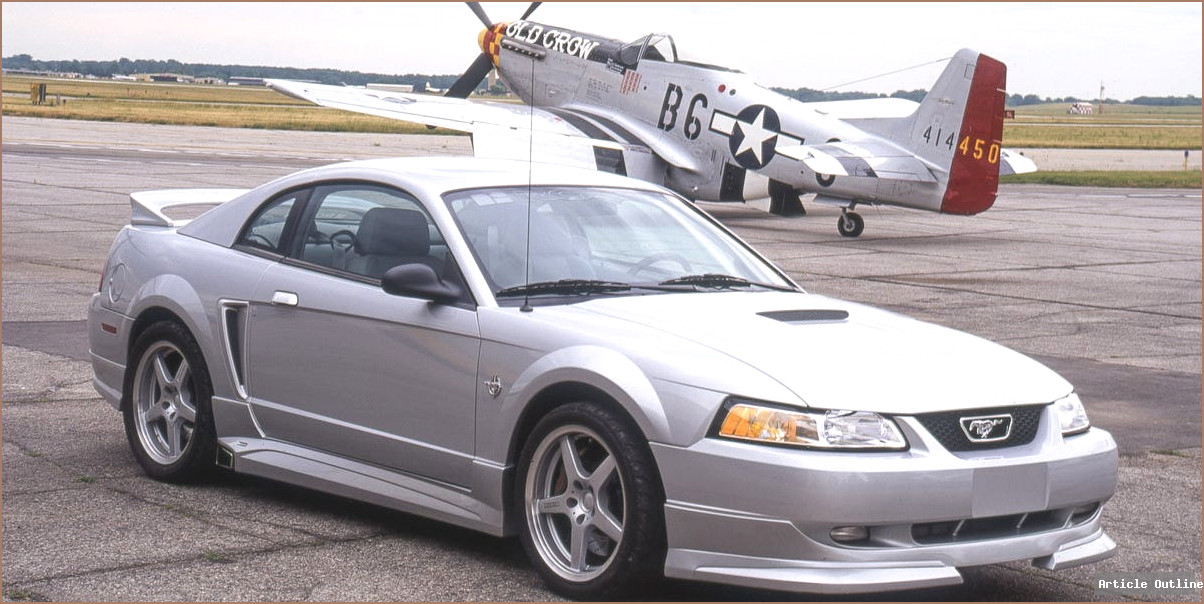
Let’s be honest: No one is cross-shopping a street-legal, supercharged muscle car and a 1940s warbird. But the DNA that binds these two machines goes way beyond the badge. Both represent what happens when passionate engineers are let off the leash, chasing the bleeding edge of performance in their eras. The story of Jack Roush—racing mogul, pilot, and Mustang evangelist—brings this all together in a way that most people miss.

Why This Matters
- The Mustang name isn’t just a marketing gimmick—it’s a symbol of American engineering audacity. From WWII air superiority to modern-day street dominance, the Mustang legacy is about pushing the envelope.
- Jack Roush’s obsession connects two eras of American horsepower. His quest to perfect both a P-51D and the ultimate Mustang GT bridges aviation history with muscle car culture.
- Restoration and modification are forms of living history. Reviving a P-51D and supercharging a Mustang GT aren’t just about speed—they’re acts of preservation and innovation.
What Most People Miss
- Performance isn’t just about numbers. The P-51D’s 1,490-hp V-12 and the Roush’s 335-hp V8 are impressive, but the stories behind these machines—emergency landings, painstaking restorations, custom engineering—are what truly set them apart.
- The learning curve never ends. Roush spent more money on Mustang flight school than his first house cost. His humility—”Takeoffs are optional, but landings are mandatory”—underscores the difference between raw power and true mastery.
- Durability and design outlast trends. The P-51D was built to survive combat and mishaps. Roush’s approach to maintaining a stable of spare Merlin V-12s and restoring a second P-51 reflects a mindset of stewardship, not just ownership.
Key Takeaways: Roush Mustang vs. P-51D Mustang
- Speed: The P-51D’s top speed (437 mph) annihilates the Roush Mustang’s 162 mph. But up to 130 mph, the car can keep pace—then the plane simply vanishes into the stratosphere.
- Performance Metrics:
- Roush Stage 3 Mustang: 0-60 mph in 4.9 sec, quarter-mile in 13.5 sec @ 106 mph, roadholding at 0.94 g. Modern muscle at its sharpest.
- P-51D Mustang: 1,490 hp V-12, 505 mph in a dive, 8.0 g max acceleration. WWII engineering still awes today.
- Cost: The restored P-51D is valued at $1.4–$1.8 million, compared to a $40K Roush Mustang. You could buy 40 Roush Mustangs for the price of one warbird—and still not get air superiority.
- Emotion and Therapy: For Roush, flying is more than a hobby—it’s therapy. After a tough race weekend, only the P-51D can restore his inner peace.
Timeline: Mustang Evolution
- 1944: P-51D Mustang built, serving as a trainer and later passing through the Canadian military.
- 1990s: Jack Roush acquires and restores the P-51D, also perfects the Roush Mustang Stage 3 for the street.
- 1999: Comparison test pits the two Mustangs against each other—one on the runway, one on the road.
Pros and Cons
| Roush Mustang | P-51D Mustang |
|---|---|
|
|
|
|
The Bottom Line
Both Mustangs—car and plane—are about more than speed. They’re testaments to the American devotion to performance, innovation, and the joy of the journey. Whether you’re rocketing down a runway or carving up a backroad, the Mustang badge means something: a relentless drive to be better, faster, and bolder. And that’s a legacy worth celebrating—whether you’re behind the wheel or the stick.