When you hear ‘electric vehicle with the worst range,’ you might picture a car that’s completely impractical. But is the mileage number the only thing that matters when choosing an EV? Let’s dig deeper into why these so-called ‘worst range’ 2026 models — those offering less than 250 miles per charge — might actually make sense for the right drivers, and what most people overlook when fixated on range alone.
Why This Matters
Range anxiety continues to be one of the biggest psychological barriers to EV adoption. Yet, the conversation around range is evolving. With the average American driving just 37 miles per day (Federal Highway Administration), many of these ‘low-range’ models offer a full week’s worth of commuting on a single charge. The real story here isn’t about these cars failing; it’s about how our driving habits and charging infrastructure are changing what makes an EV practical.
What Most People Miss
- Range isn’t everything. Many city dwellers or suburbanites rarely drive more than 50 miles a day. For them, a smaller battery can mean a lower price, lighter weight, and a car that’s easier on city streets.
- Charging infrastructure is growing fast. Fast chargers are more common than ever. For example, the Kia EV6 can add 70 miles of range in under 20 minutes. That’s a coffee break, not a roadblock.
- Weather and driving style matter. EPA estimates are based on controlled tests, but real-world range can drop 20–40% in extreme cold or heat (AAA study), or if you have a heavy foot.
Key Takeaways
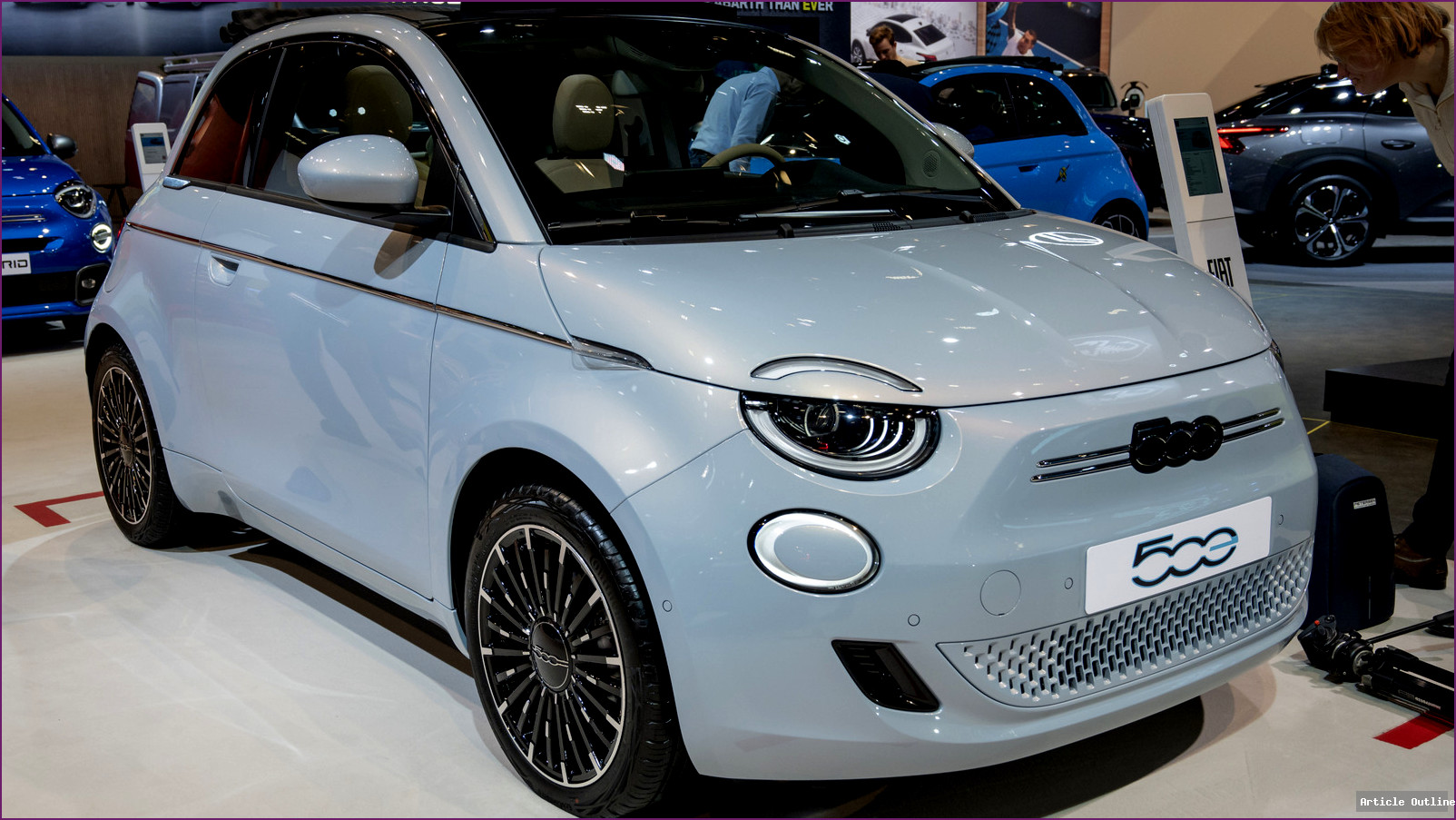
- Fiat 500e (149 miles): The ultimate city runabout — cheap, cute, and perfect for urban dwellers.
- Hyundai Kona Electric SE (200 miles): Affordable and practical, especially for short daily commutes.
- Mini Countryman SE ALL4 (216 miles): Stylish, premium, and surprisingly versatile despite its modest range.
- Lexus RZ 550e F Sport AWD (229 miles): Luxury and AWD, but you’re paying a premium for features, not range.
- Toyota bZ (235 miles): Reliable, practical, and family-friendly, though the price-to-range ratio may need a second look.
- Kia EV6 (237 miles): Fast charging tech helps offset range limitations for those occasional longer trips.
Industry Context & Extra Insights
- 2026 is a turning point. By then, most new EV models will offer over 300 miles, making these sub-250-mile options the exception — and, in some cases, a deliberate design for specific markets.
- As battery technology advances, expect even affordable models to close the range gap. But smaller batteries can still be a wise choice for eco-conscious buyers looking to minimize resource use and cost.
- The growth of the urban EV segment shows automakers recognize not everyone needs a cross-country cruiser. Sometimes, less really is more.
Pros and Cons: Should You Buy a Sub-250 Mile EV?
- Pros:
- Lower purchase price and insurance
- Lighter vehicles feel nimbler in city traffic
- Smaller batteries are better for the environment to produce and recycle
- Cons:
- Not ideal for frequent long-distance road trips
- More charging stops on rare long journeys
- Potential for faster range loss in harsh weather
The Bottom Line
Don’t dismiss a car just because its range isn’t headline-grabbing. For many, these “worst range” EVs are actually the best fit — affordable, sustainable, and perfectly matched to city life. The key is to know your driving habits, consider your access to charging (at home or at work), and weigh whether you really need that 300-mile figure, or if you’re just chasing a number.