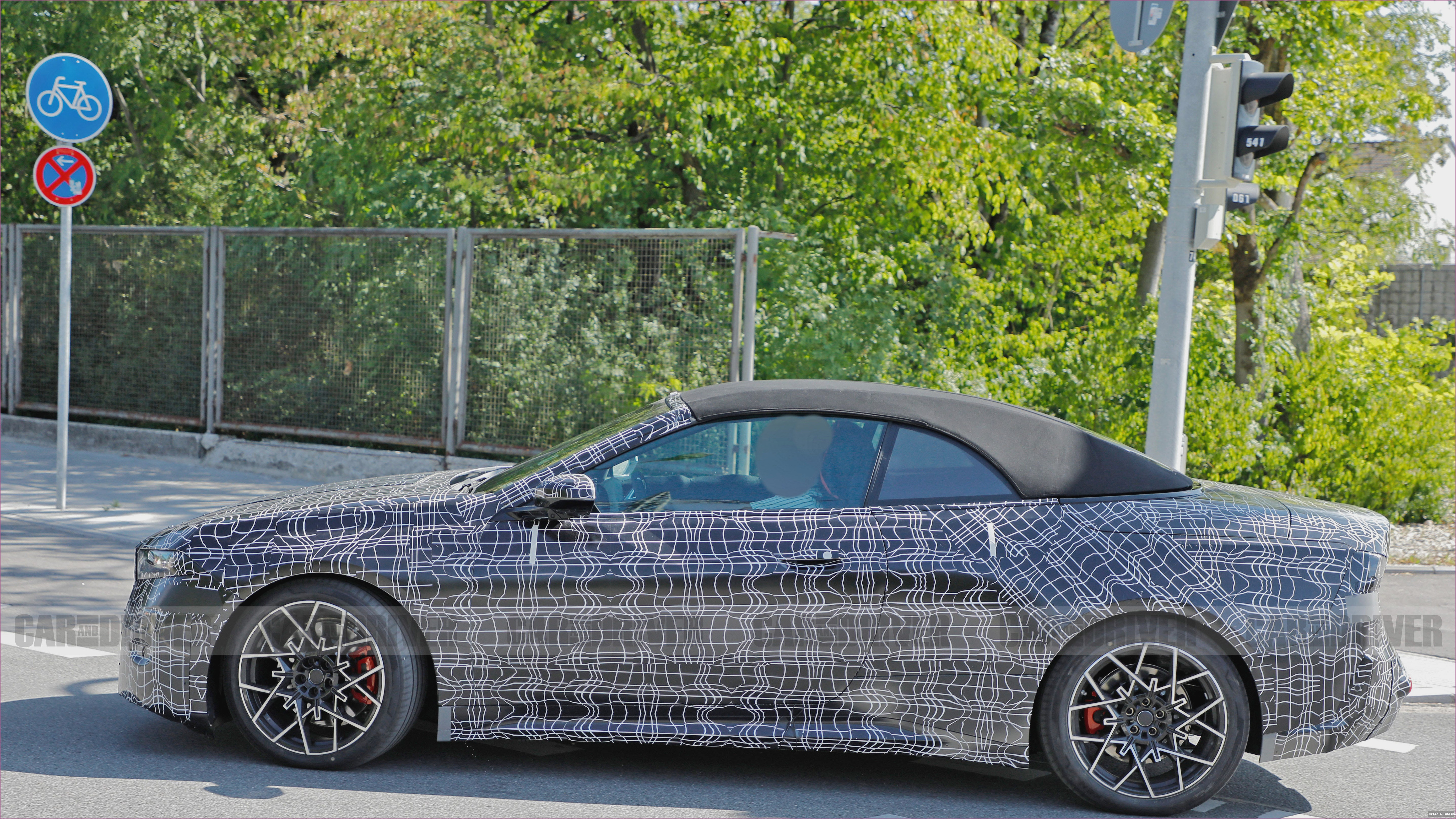
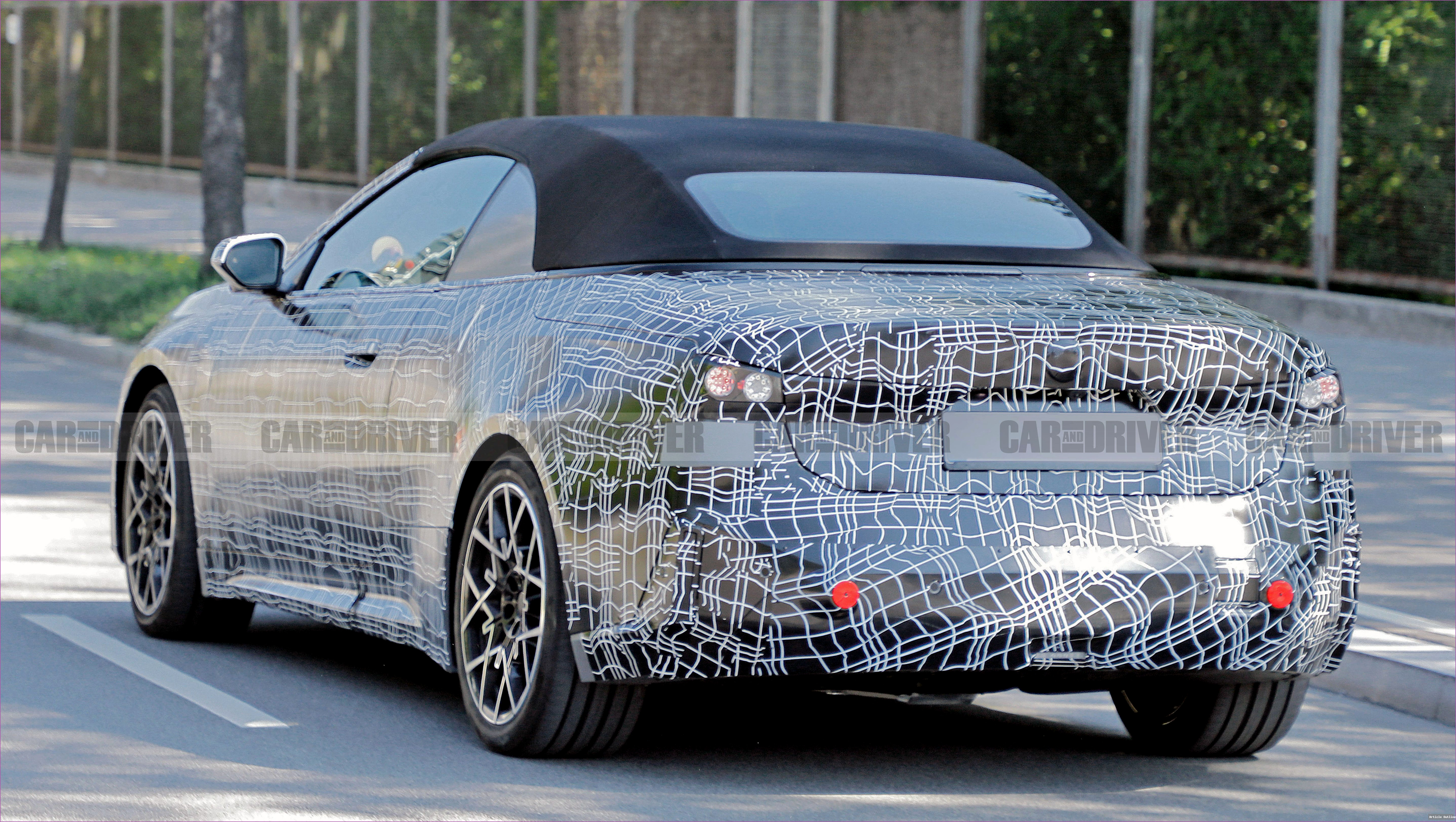
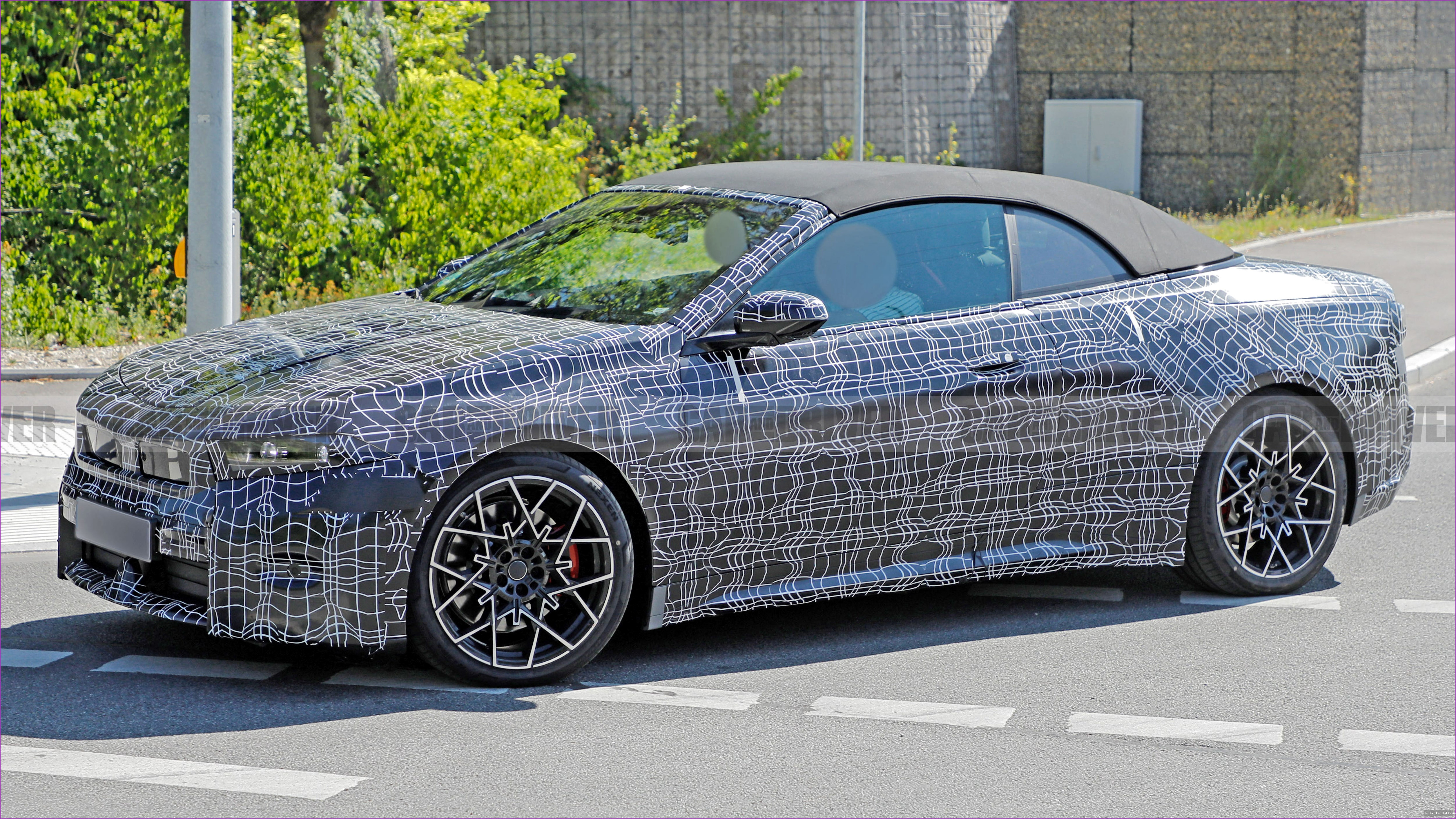
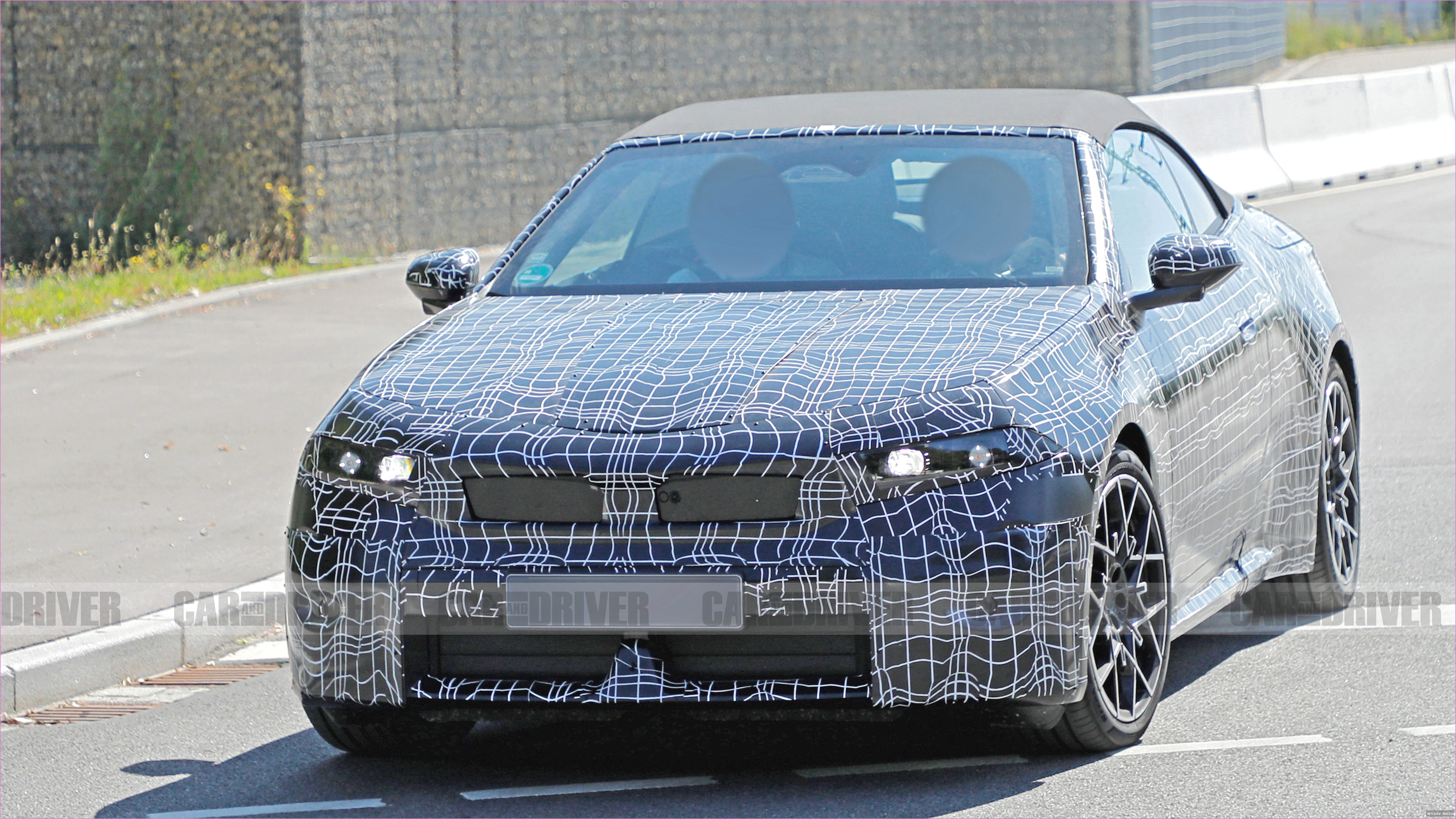
The automotive world is buzzing as BMW’s upcoming i4 Convertible, sporting a soft top and the brand’s bold Neue Klasse styling, has finally been spotted in the wild. But beyond the camouflage and spy shots, this prototype is more than just another electric luxury car—it’s a move that could reshape both the EV segment and the future of open-air grand touring.
Why This Matters
- BMW’s adoption of Neue Klasse design on a convertible EV marks a significant commitment to electrifying even its most emotionally charged models.
- The i4 Convertible isn’t just a new body style—it’s a statement that luxury and environmental responsibility can coexist, even in the most pleasure-driven vehicles.
- If successful, this car could push rivals like Mercedes-Benz and Audi to rethink their EV convertible strategies, intensifying competition and innovation in the segment.
What Most People Miss
- The “i4 Convertible” name is misleading—it’s not just a drop-top version of the current i4, but an electric evolution of the 4-series with its own unique design and character.
- BMW’s new naming conventions are causing confusion, but they hint at a future where traditional model lines blend with EV identities, signaling a broader industry trend.
- The shift to a fabric roof is more than an aesthetic choice—it’s a nod to weight-saving and efficiency, crucial in EVs looking to maximize range and performance.
Key Takeaways
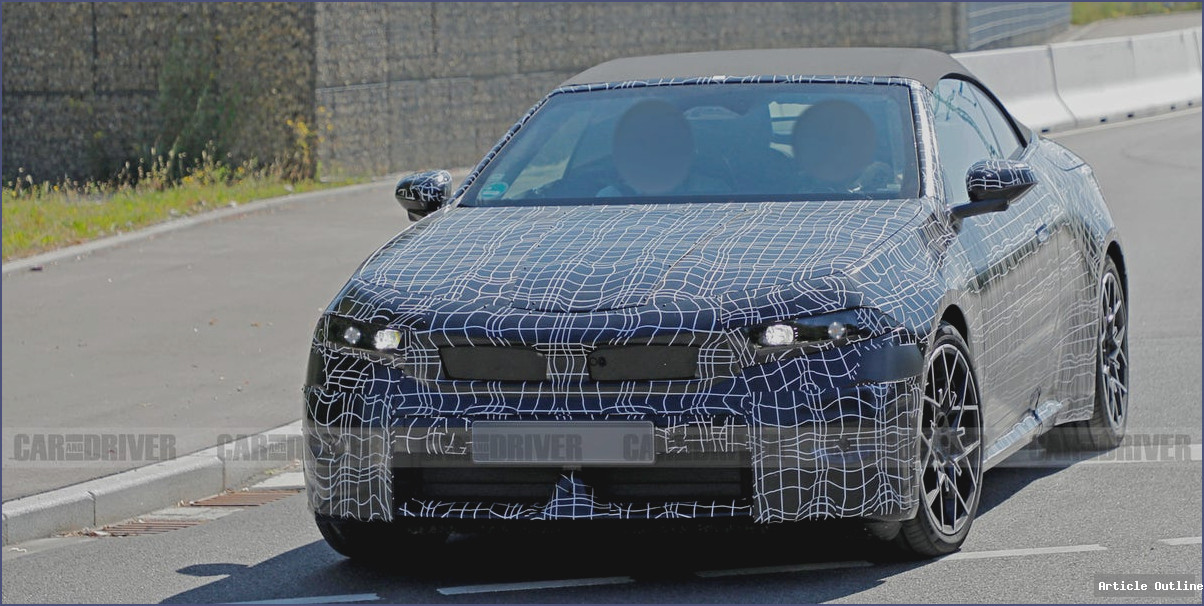
- Neue Klasse Influence: Expect more upright front ends, flatter headlights, and a bolder grille—subtle but substantial evolutions that position BMW’s EVs as both futuristic and familiar.
- Next-Gen Performance: While details are scarce, it’s likely powertrains will mirror those of the i3 sedan, with a possible high-performance “M” variant down the line.
- Market Impact: This move could reinvigorate interest in premium convertibles, a segment that has waned in recent years—even as EV adoption soars.
Timeline: How Did We Get Here?
- 2013: BMW launches the quirky i3 city car (not a convertible, and not a sales hit in the US).
- 2021: BMW i4 sedan debuts as an electric alternative to the 4-series Gran Coupe.
- 2024: Spy shots confirm a new i4 Convertible, not merely a re-skinned sedan but a full rethink using Neue Klasse design language.
- 2029 (expected): Official release of the i4 Convertible, likely alongside a coupe variant.
Industry Context & Comparisons
- The luxury convertible EV market is almost non-existent—Tesla has long teased a Roadster, but it remains vaporware, and legacy brands have been slow to adapt.
- BMW’s move puts pressure on Mercedes (who discontinued the S-Class Cabriolet) and Audi (whose e-tron GT lacks a convertible) to catch up.
- Recent data shows EV sales in the US hit 1.2 million units in 2023 (7.6% of all new cars), but very few offer the open-air experience.
Pros and Cons Analysis
- Pros: Stylish, future-ready design; luxury open-top EV experience; likely strong performance and tech integration.
- Cons: Potential confusion over model naming; possible range limitations due to convertible format; premium pricing expected.
The Bottom Line
The BMW i4 Convertible isn’t just a fresh face for the electric era—it’s a sign that driving excitement and sustainability can ride in the same lane. Whether you’re a die-hard Bimmer fan or just love the idea of guilt-free, wind-in-your-hair motoring, this car is a bellwether for where luxury EVs are headed.
Sources:
- Source
- BMW i3 sedan overview
- Current BMW i4
- BMW 4-series Gran Coupe
- BMW iX3
- BMW X5 2027
- BMW iX5 2027